


Edwardian Brown Sofa
An edwardian brown sofa brings comfort and tailored design into a room, offering leather or fabric seating from the early twentieth century.
Edwardian Brown Sofa
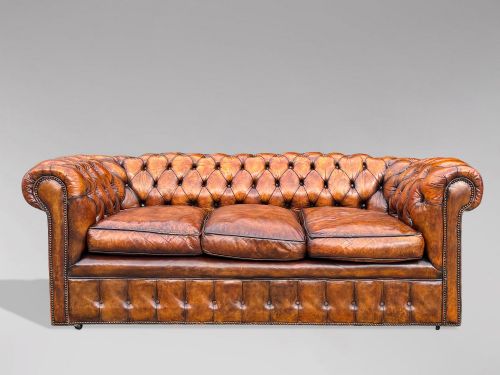
An edwardian brown sofa encompasses pieces designed during the early twentieth century alongside brown leather Chesterfields and walnut or mahogany framed settees. Buyers search for these items to introduce period character and practical seating into domestic spaces.
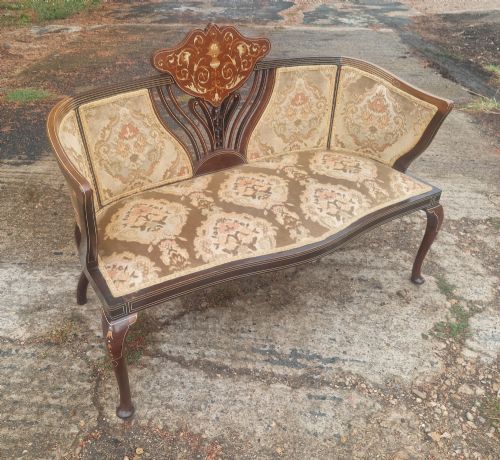
The selections available here range from camel back frames and inlaid settee forms to deep-buttoned leather couches with horsehair filling. Most examples utilise traditional timbers like mahogany or oak paired with hand-dyed upholstery.
Originating primarily from the Edwardian period and the nineteenth century, these sofas reflect craftsmanship that prioritised sturdy framing and detailed woodwork, including carved backs and satinwood banding.
Materials and Construction
Frames are constructed predominantly from solid timbers such as mahogany, walnut, and oak, often finished with satinwood or rosewood inlay. These woods provide the structural integrity required for long-term daily use.
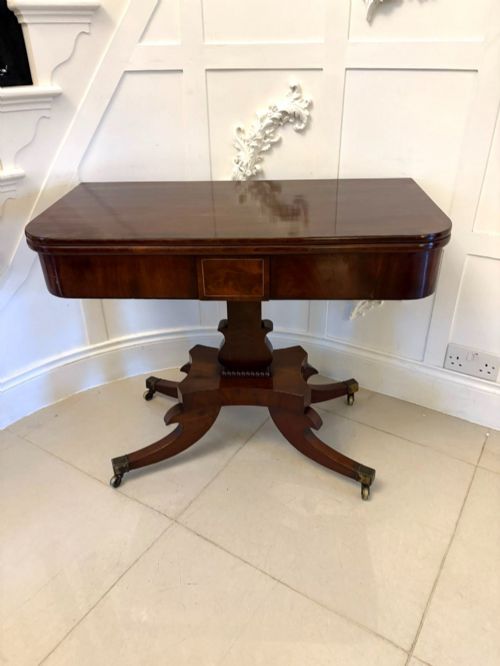
Upholstery techniques rely on traditional materials like hand-dyed leather and woven fabric, supported by coil springing and horsehair stuffing. Brass accents appear on castors and campaign-style mountings to add durability and functional detail.
Edwardian Brown Sofa Retail Price Guide 2026
Typical asking prices for edwardian brown sofa among the pieces listed under this phrase on Sellingantiques today, from the lower quarter to the upper quarter. They describe what is for sale here now, not the wider market.
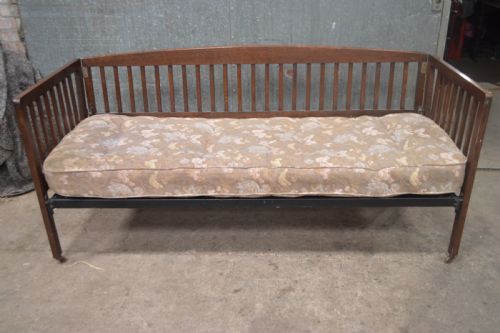
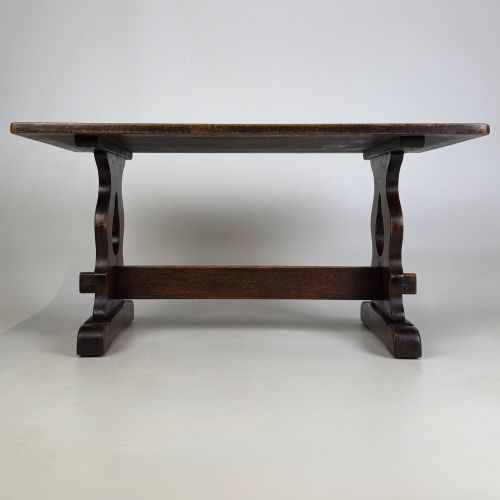
A fold-down oak day bed offers an unexpected midday resting spot designed for early twentieth-century relaxation.
Distinguishing Quality
The calibre of a piece is determined by the depth of figure in the mahogany or walnut veneer and the precision of any marquetry inlay. Superior examples display carefully matched timber grains and refined proportions across the frame.
Upholstery standards also dictate value, with hand-dyed leather, traditional coil springing, and original horsehair stuffing marking out the highest tiers of craftsmanship compared to later replacements.
Richardson and Sons·C. Hindley & Sons
The Edwardian Brown Sofa Glossary
- Chesterfield
- A deep-buttoned upholstered sofa featuring rolled arms of the same height as the back. This style is frequently found finished in brown leather.
- Camel back
- A sofa or settee featuring an undulating curved top rail that rises centrally in a gentle hump. It is a classic shape seen across various Edwardian seating designs.
- Satinwood
- A pale, dense timber native to India and Ceylon utilised for contrasting inlay work and banding on mahogany furniture. It provides a bright decorative border.
- Marquetry
- The art of applying pieces of veneer to a structure to form decorative patterns and pictures. It appears on the panels and surfaces of select Edwardian tables and settee frames.
- Cabriole leg
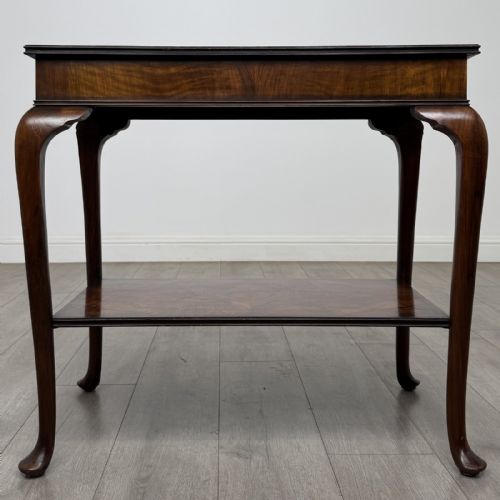
- A furniture leg that curves out and then narrows down to a foot, resembling an animal's leg. This form is common on Edwardian walnut and mahogany side pieces.
Edwardian Brown Sofa: Frequently Asked Questions
How do I identify an Edwardian brown sofa?
Look for stylistic markers such as inlaid mahogany frames, camel back shapes, or deep-buttoned brown leather upholstery characteristic of the early twentieth century.
Examine the construction methods and timber choices, as pieces from this era often combine traditional framing with Edwardian decorative preferences.
Are these sofas suitable for daily use?
Many period pieces are built with robust timber frames and traditional coil springing designed to withstand regular seating.
Ensuring the internal horsehair stuffing and leather or fabric upholstery remain well-maintained will keep the sofa functional in a modern home.
What materials are most common?
Mahogany, oak, and walnut form the structural basis for the wooden frames, frequently accented with brass castors and inlay work.
Upholstery typically consists of hand-dyed brown leather or woven fabric stretched over traditional coil and horsehair foundations.
How do Victorian and Edwardian styles differ?
Victorian seating often tends towards heavier rosewood or walnut structures with elaborate carving and darker finishes.
Edwardian designs frequently lighter in feel, incorporating satinwood inlay, Arts and Crafts influences, or refined mahogany frames.