

Edwardian Bronze Light
These edwardian bronze light pieces bring heavy metalwork and warm illumination into a room, combining industrial heft with decorative detail.
Edwardian Bronze Light
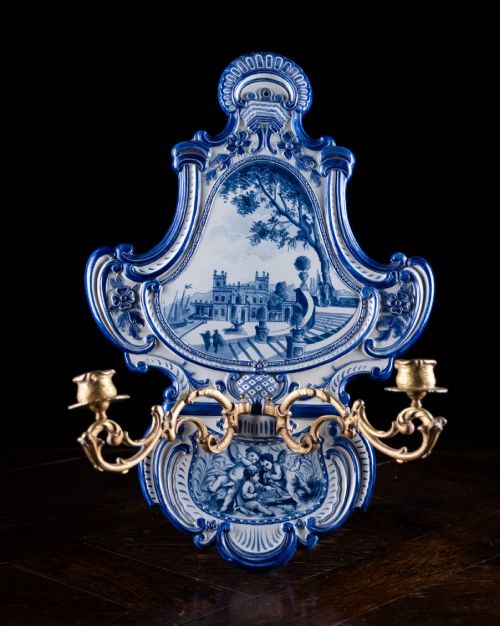
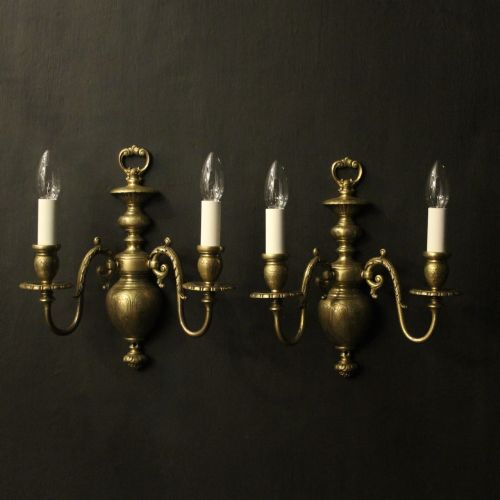
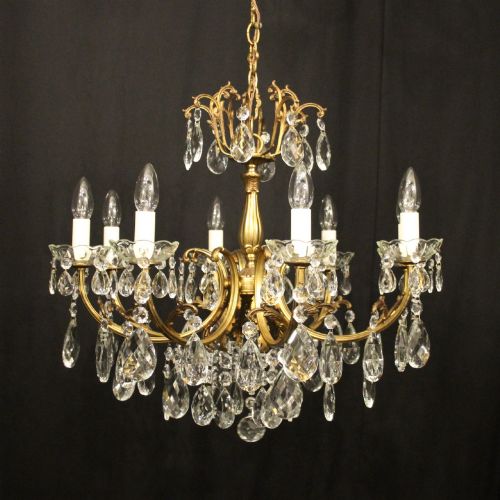
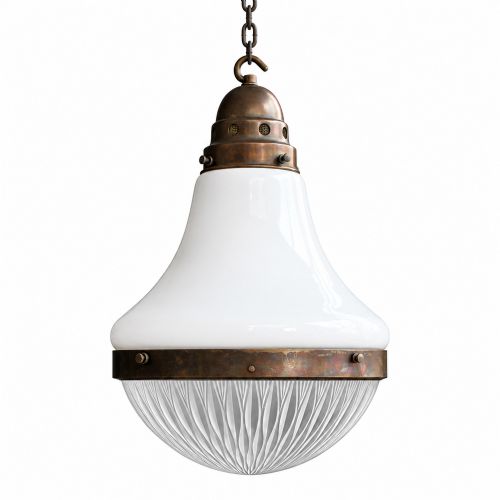
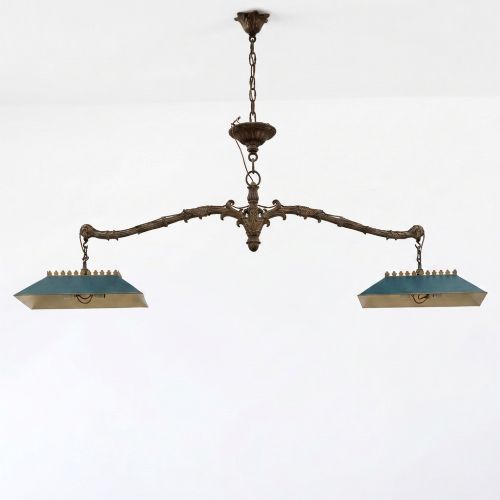
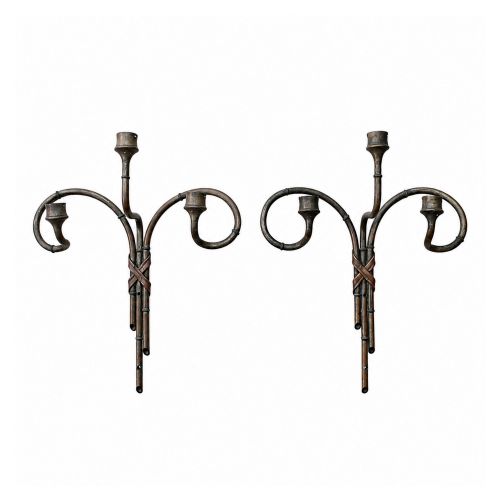
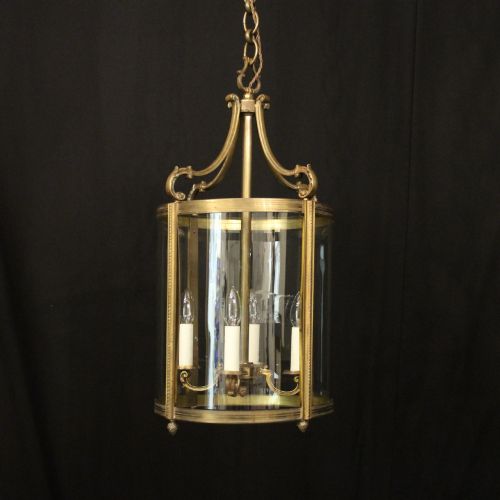
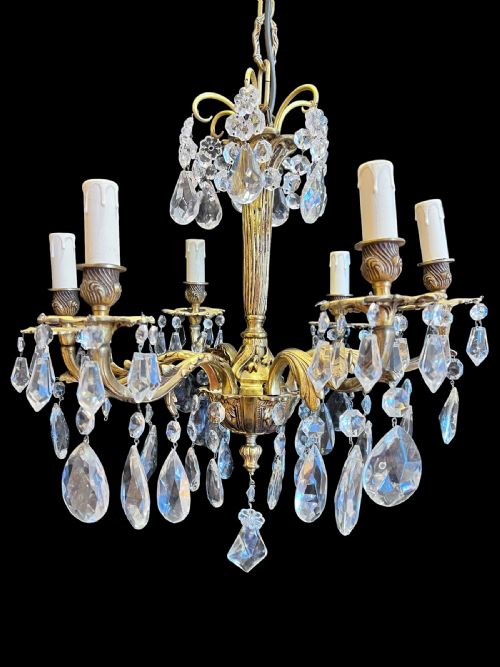
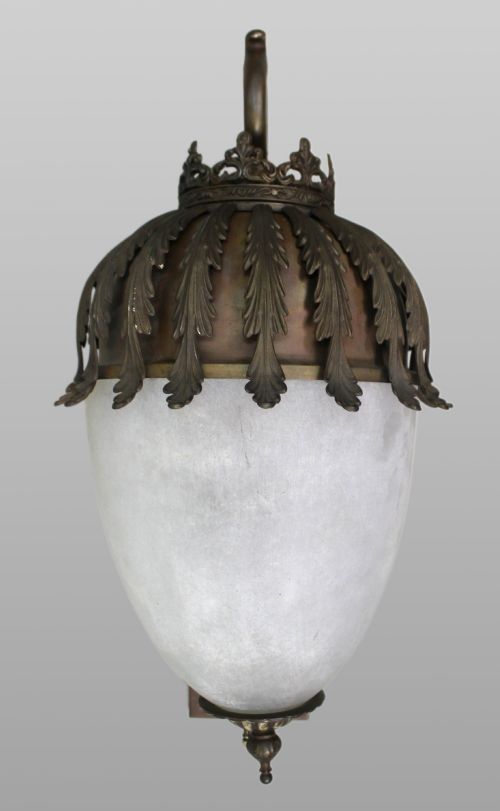
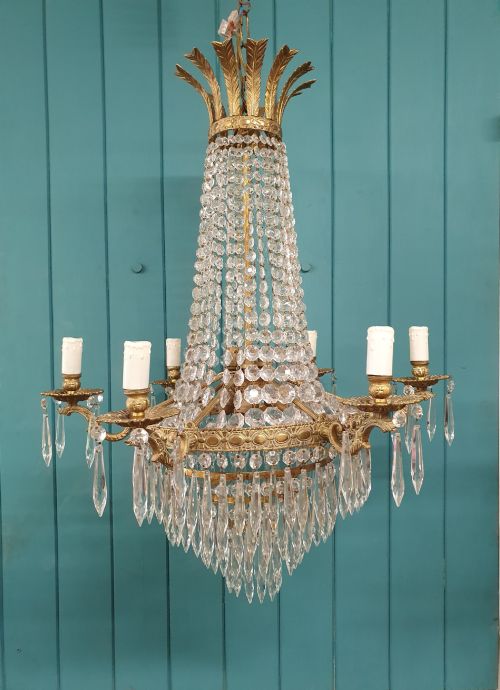
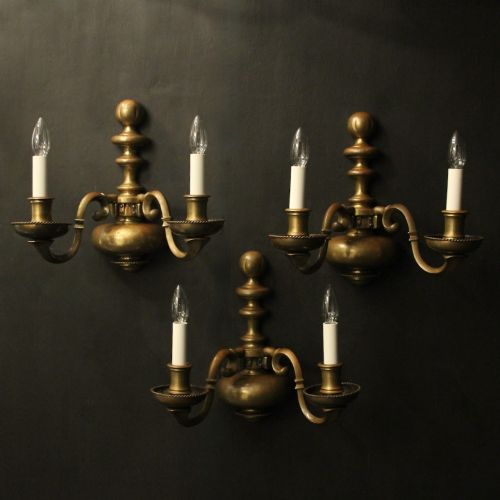
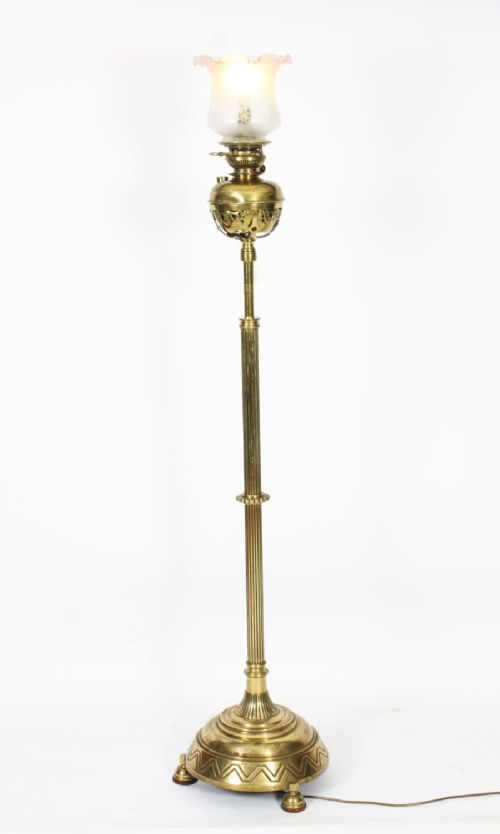
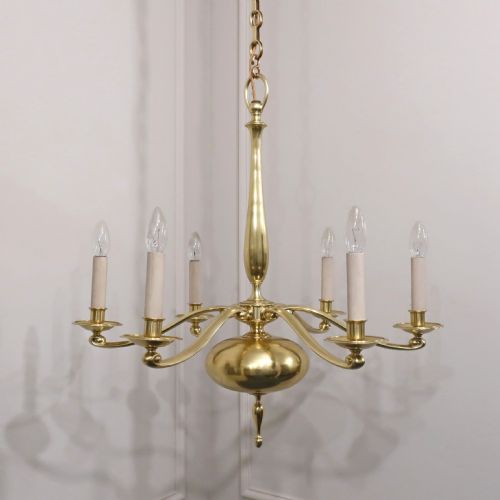
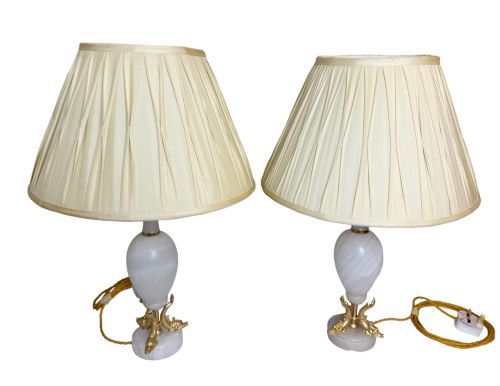
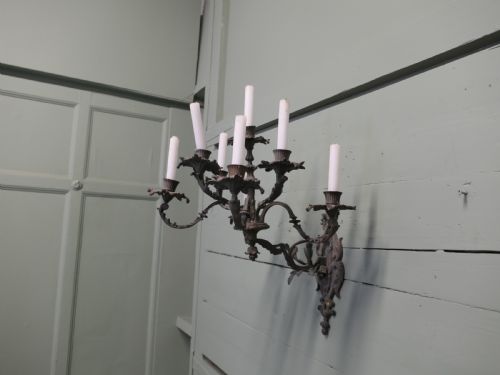
When searching for an edwardian bronze light, a buyer encounters a diverse range of metal fixtures that span multiple decorative traditions. The selection includes grand multi-arm chandeliers, wall sconces, hall lanterns, and floor-standing oil lamps designed to cast a warm glow in domestic spaces.
The objects on this page bridge the late nineteenth century and the early decades of the twentieth century. Pieces from the Edwardian period sit alongside Victorian items and later interpretations, reflecting tastes that evolved from ornate revival styles to streamlined early modern forms.
French and English origins dominate the selection, bringing distinct aesthetic approaches to metal casting and assembly. French pieces often lean towards gilded or ormolu finishes with neoclassical motifs, while English examples frequently showcase functional brass and bronze construction with simpler lines.
How They Were Made
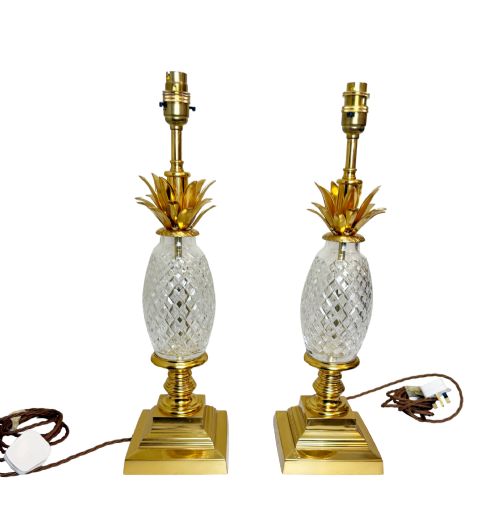
Makers utilised cast bronze, brass, and ormolu as structural foundations, often combining metalwork with cut crystal, bevelled glass panels, and fabric components. Frames were cast in sections and assembled with mechanical fasteners or soldered joints to support multiple candle or bulb branches.
Surface decoration involved intricate chasing, gilding, and patination to achieve contrasting tones of dark metal and bright highlights. Glass elements, from simple shades to elaborate tent crystals and cabochons, were hand-cut or moulded to refract light across the room.
Edwardian Bronze Light Retail Price Guide 2026
Typical asking prices for edwardian bronze light among the pieces listed under this phrase on Sellingantiques today, from the lower quarter to the upper quarter. They describe what is for sale here now, not the wider market.
Listings feature items spanning from the nineteenth century through the 1930s, incorporating bronze, brass, crystal, and ormolu.
What Varies in Quality
The standard of an edwardian bronze light depends heavily on the crispness of the metal casting and the depth of the chasing work. Finer examples display sharp relief on decorative motifs like leaves and figures, whereas lesser pieces show soft edges and simplified surface details from worn moulds.
Material integration also separates different tiers of production. High-grade items feature heavy gauge bronze paired with hand-cut crystal and genuine fire-gilt ormolu, while standard versions rely on lighter brass components, pressed glass, and simpler surface finishes.
G.E.C·Georges Leleu·Abel Landry·F. De Luca·Liberty
The Edwardian Bronze Light Glossary
- Ormolu
- Gilt bronze created by applying a finely ground high-carat gold-mercury amalgam to a bronze object. This technique produces a durable golden finish characteristic of French decorative metalwork.
- Chandelier
- A branched ceiling-mounted lighting fixture designed to hold multiple lamps or candles. These pieces often incorporate crystal drops and metal scrollwork.
- Sconce
- A wall-mounted lighting fixture that projects outward to hold candles or electric bulbs. Common forms feature mirrored backs or decorative backplates.
- Lantern
- An enclosed lighting fixture featuring glass panels within a metal frame. They were traditionally hung in hallways and entrance spaces to protect flames from drafts.
- Patina
- The surface sheen and colour acquired by metal through age, handling, and oxidation. This natural ageing process alters the appearance of raw bronze over decades.
Edwardian Bronze Light: Frequently Asked Questions
How do I install an antique light?
Professional rewiring is usually necessary to bring older fixtures up to modern electrical standards and ensure safe ceiling or wall attachment.
Qualified electricians can adapt internal wiring while preserving the original metal frame and exterior components.
What is the difference between brass and bronze?
Bronze is an alloy primarily composed of copper combined with tin, resulting in a heavier and darker material. Brass is an alloy of copper and zinc, typically exhibiting a brighter golden colour.
Many antique light fittings use both metals depending on whether the part required structural strength or decorative flexibility.
How do I clean bronze lighting?
Dusting with a soft, dry cloth prevents grime accumulation without disturbing the historic surface patina. Avoid abrasive cleaning agents or metal polishes that strip away original finishes.
Crystal elements can be gently wiped with a damp cloth while detached from the main metal frame.
Were these lights electrified originally?
Many Edwardian and Victorian fixtures were originally designed for gas or oil before being converted to electricity later in their operational lives. Conversion work often happened incrementally as domestic power grids expanded.
Survival of original burners or oil fonts alongside later wiring modifications is a common feature in this category.