

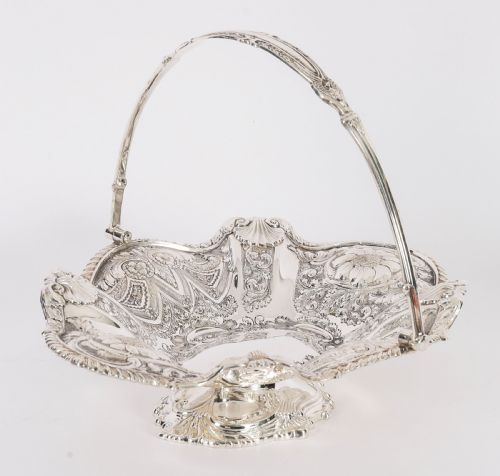
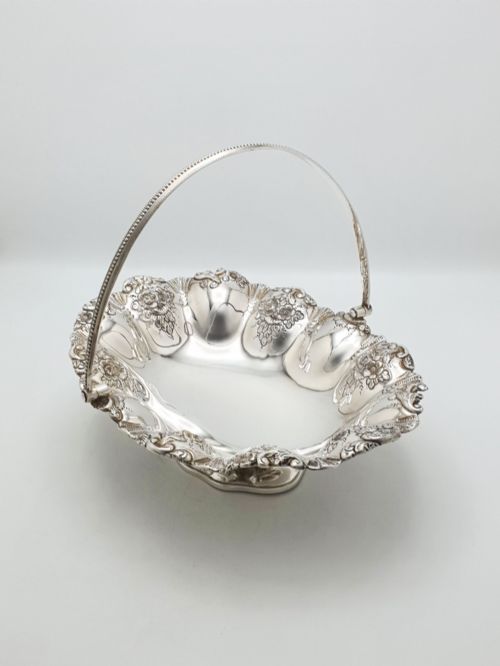


Edwardian Bread Basket
An edwardian bread basket is a domestic table piece shaped in sterling silver, silver plate, or pewter for presenting baked goods.
Edwardian Bread Basket
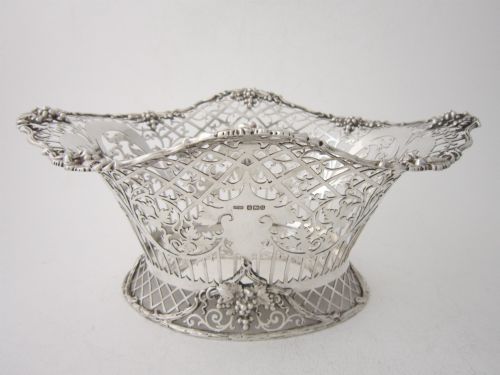
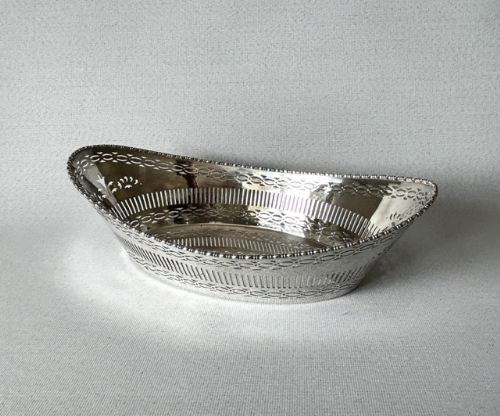
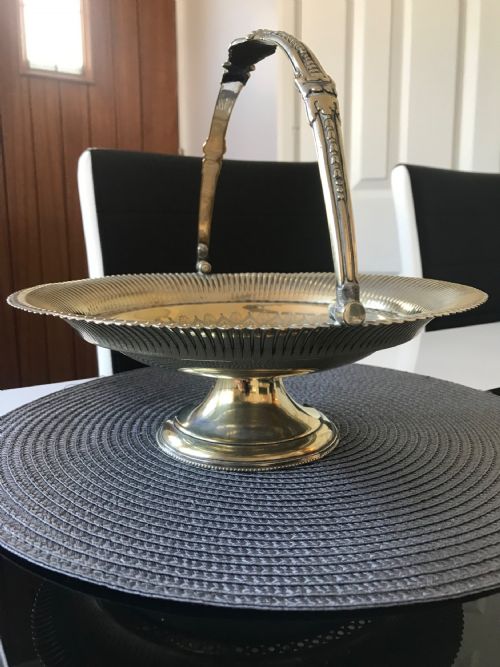
An edwardian bread basket is a functional dining table vessel designed for serving bread, cake, and fruit during formal meals. You will frequently encounter silver-plated examples alongside solid sterling silver pieces from the early twentieth century.
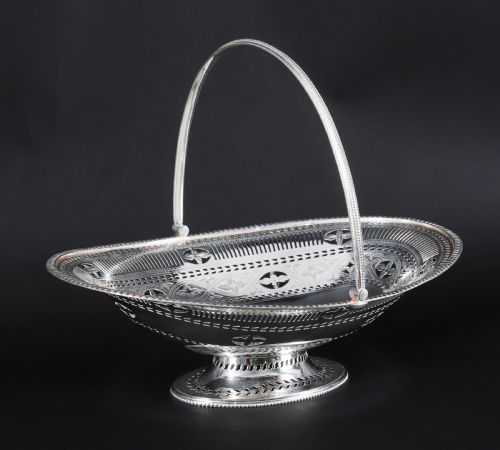
The forms vary from simple footed bowls and shallow dishes to swing-handle baskets with pierced fretwork and floral repoussé rims. While the search points to the Edwardian era, pieces on this page also span late Victorian and George V periods, as well as occasional Arts and Crafts designs.
Makers utilised various metals including brass, nickel silver, and pewter alongside standard silver plate and solid silver. These vessels frequently overlap in domestic use with fruit baskets and cake stands of the same period.
Materials and construction methods
Silversmiths constructed these vessels using sterling silver or through electroplating techniques on base metals like nickel silver, creating durable silver plate and EPNS finishes. Pewter also appears, shaped into distinctive forms by prominent designers.
Decoration relied heavily on hand-piercing, fretwork, and repoussé hammering to create intricate floral rims and openwork lattices. Swing handles and footed bases were engineered to attach securely to the main bowl body.
Edwardian Bread Basket Retail Price Guide 2026
Typical asking prices for edwardian bread basket among the pieces listed under this phrase on Sellingantiques today, from the lower quarter to the upper quarter. They describe what is for sale here now, not the wider market.
Listings feature items spanning the Victorian, Edwardian, and George V periods, alongside materials ranging from sterling silver to pewter and brass.
Evaluating craftsmanship and quality
Quality rests upon the weight of the metal and the crispness of the pierced or repoussé decoration. Finer pieces display hand-cut fretwork that remains sharp and uniform across the entire surface rather than shallow or stamped impressions.
The integrity of the construction, from the smooth movement of a swing handle to the balance of a footed bowl, separates standard production items from workshop pieces created by notable makers.
George W. Scott & Sons Ltd·Mappin & Webb·Elkington·Hammond, Creake & Co·William Hutton & Sons·James Dixon & Sons Ltd·Liberty & Co
The Edwardian Bread Basket Glossary
- Repoussé
- A metalworking technique where the design is hammered into relief from the reverse side. This method creates tactile floral and scroll motifs around the rim of the vessel.
- Fretwork
- An ornamental design created by piercing or cutting patterns through the metal sheet. It produces delicate openwork grilles on the body of the basket.
- Electroplated Nickel Silver
- A base metal alloy coated with a thin layer of silver through an electrolytic process. It provided an affordable alternative to solid sterling silver for domestic tableware.
- Swing-handle
- A movable metal handle attached to the sides of the basket by pivots. This feature allowed the piece to sit flat on a crowded dining table.
Edwardian Bread Basket: Frequently Asked Questions
What is an edwardian bread basket?
An edwardian bread basket is a decorative metal container made for the dining table to hold bread, rolls, or cakes. These items reflect the formal dining customs of the early twentieth century.
They were produced in solid silver, silver plate, and pewter, often featuring detailed pierced work or swing handles for easy passing around the table.
How were these baskets used?
These vessels were placed on the dining table or sideboard to serve sliced bread and baked goods during meals. They formed part of an extensive matching set of tableware for entertaining.
Hosts used them to present food elegantly to guests before the widespread use of ceramic tableware for serving bread.
How do I care for silver plate?
Silver-plated and sterling silver baskets require gentle cleaning with a specialised silver polish to maintain their shine and prevent tarnish accumulation. Avoid harsh abrasive cloths that can wear away the thin silver layer on plated items.
Store them in dry environments and handle them carefully by the solid parts of the frame to avoid stressing the pierced metal or swing handles.
How can I tell the period?
Dating relies on identifying hallmarked assay office stamps on solid silver pieces or maker marks stamped onto silver-plate and pewter items. Stylistic clues such as Art Nouveau curves or Neoclassical swags also help narrow down the decade of manufacture.
Comparing the decorative motifs against known production dates of firms like Mappin & Webb or Elkington provides a reliable timeline.