

Edwardian Brass Sticks
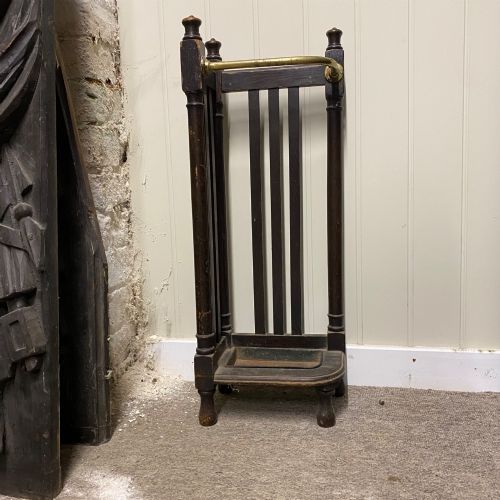
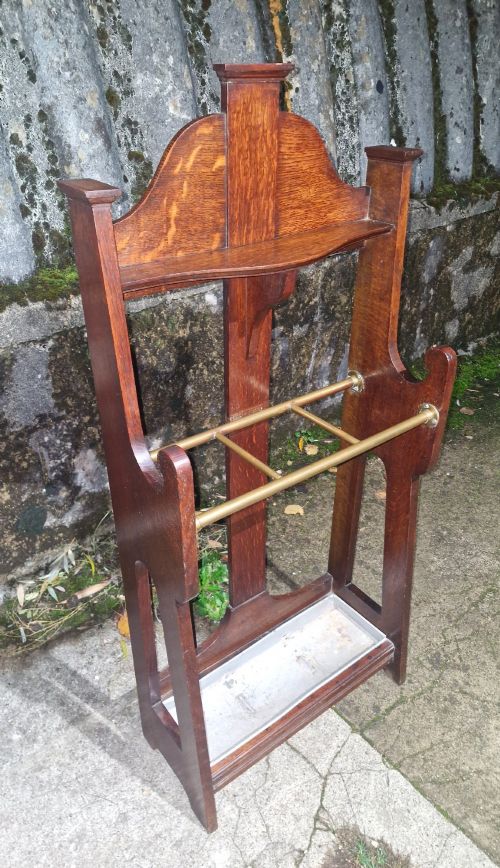
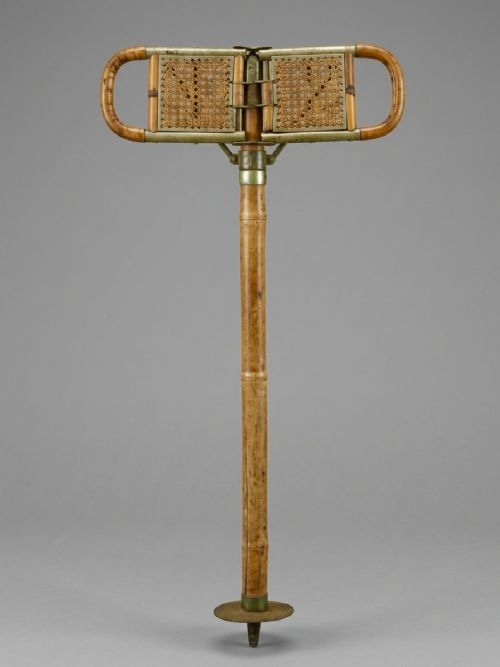
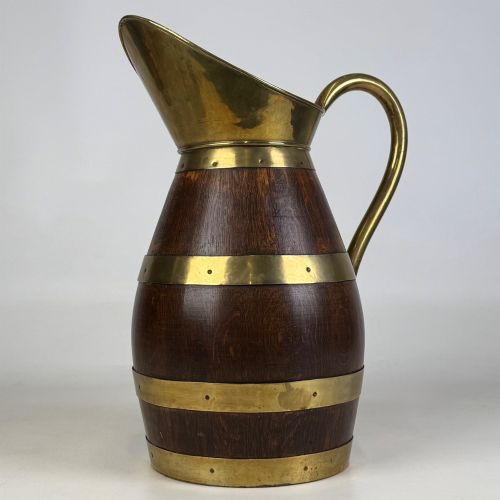
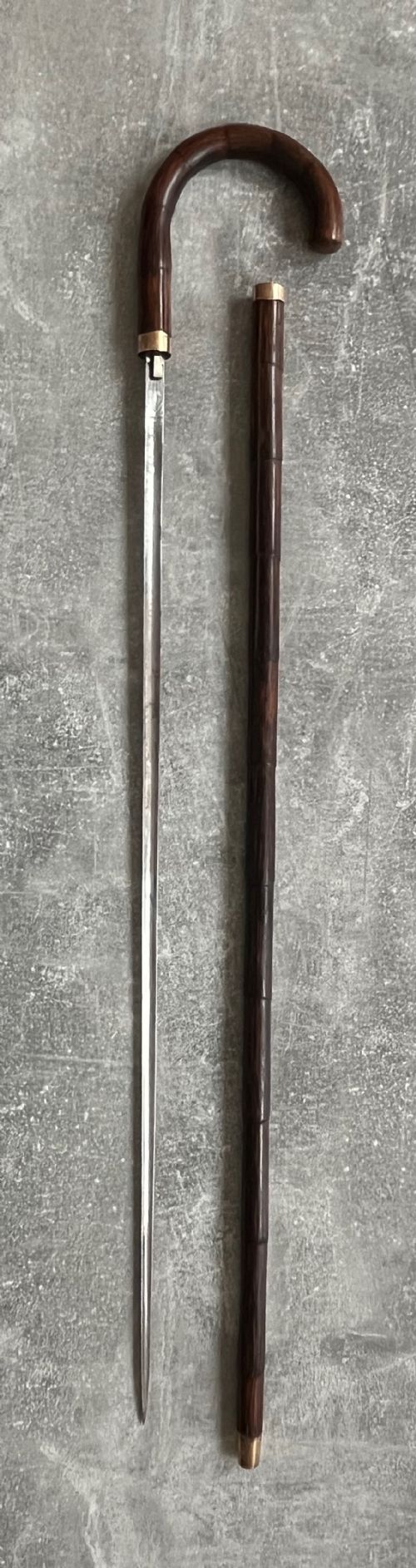
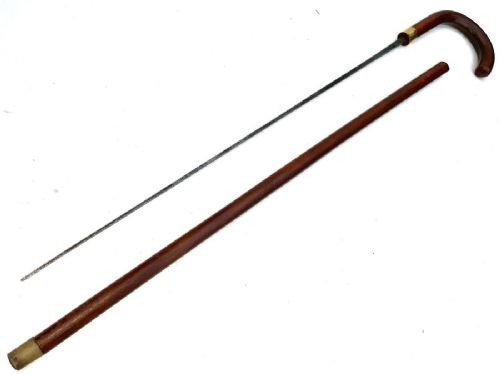
Edwardian brass sticks are robust hall accessories designed to hold wet umbrellas and walking canes in period hallways.
Edwardian Brass Sticks
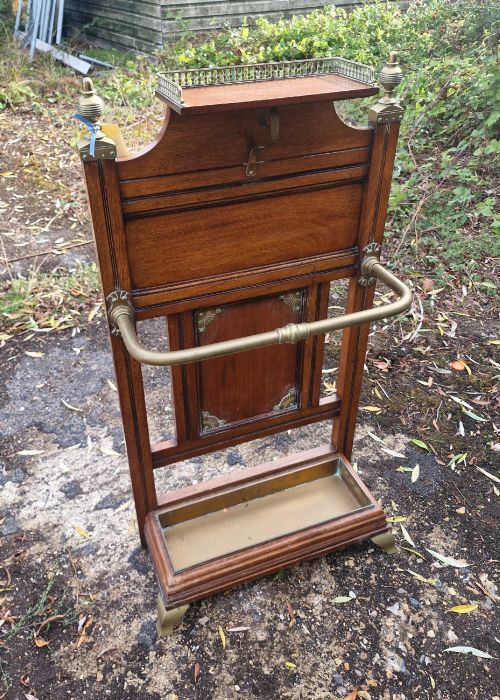
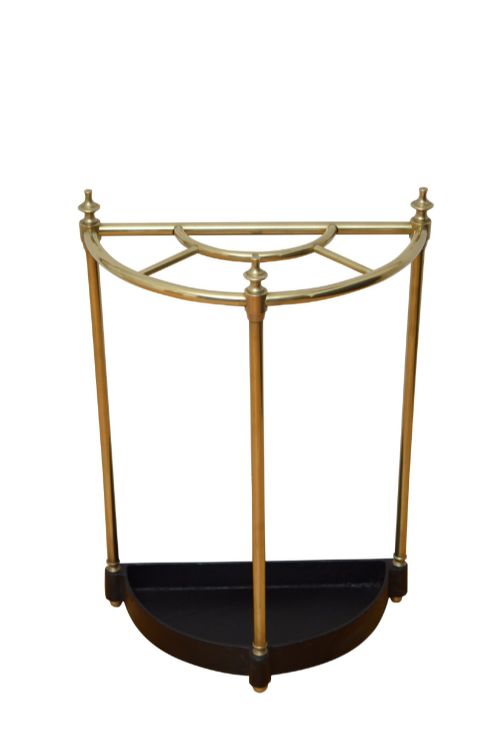
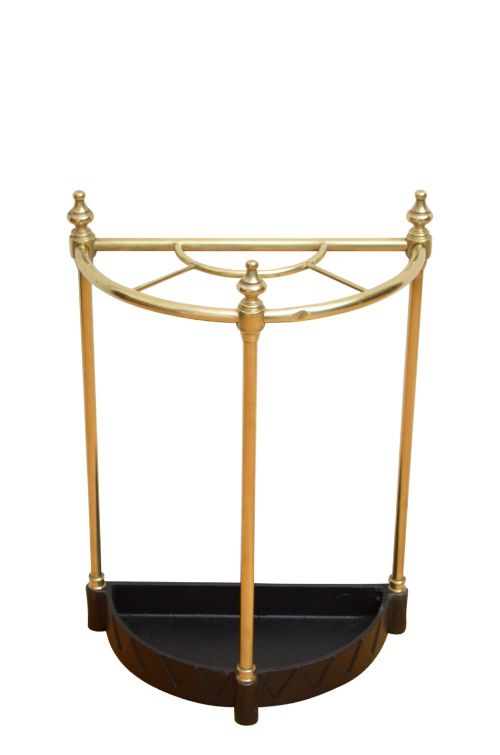
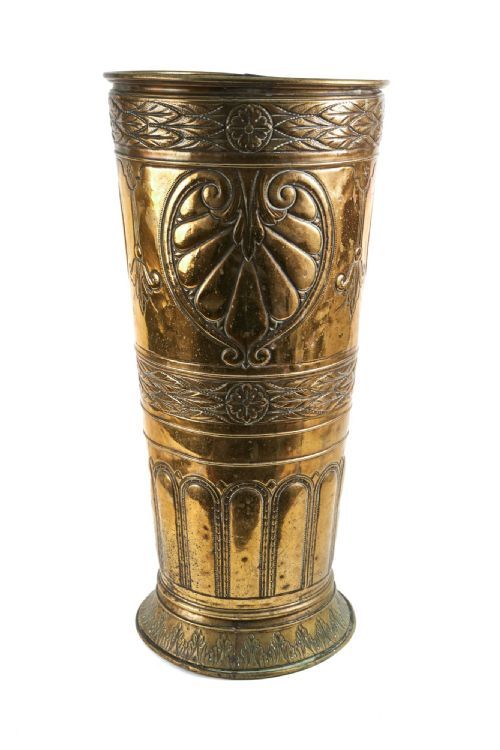
Edwardian brass sticks encompass a practical group of hall furnishings primarily made to house umbrellas and walking canes in domestic entrances. The pieces frequently combine heavy metal frames with practical elements like metal trays to catch rainwater from wet umbrellas.
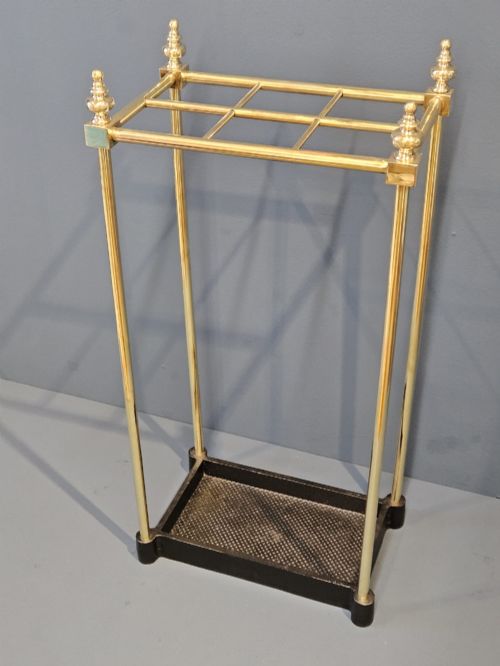
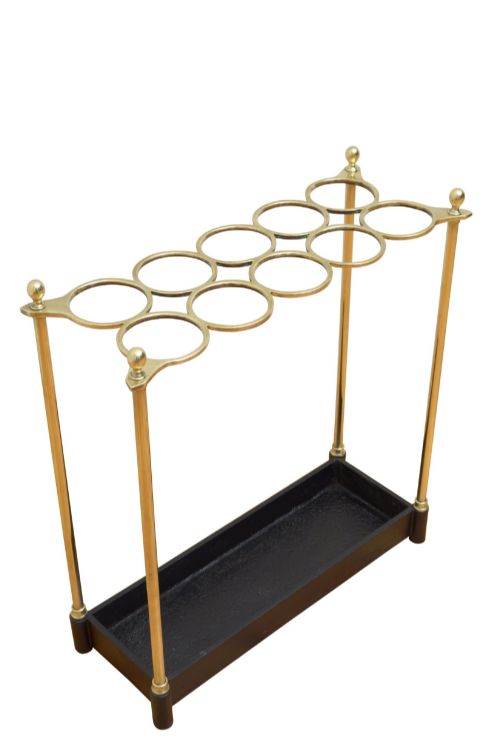
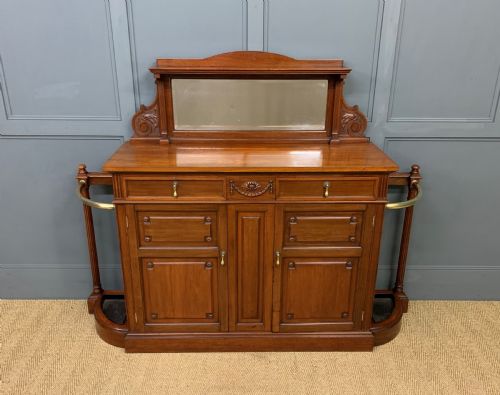
Buyers are most likely to encounter semi-circular demi-lune designs and freestanding rectangular frames on this page. These items often integrate cast iron bases for stability, ensuring the structure supports heavy wet walking sticks without tipping.
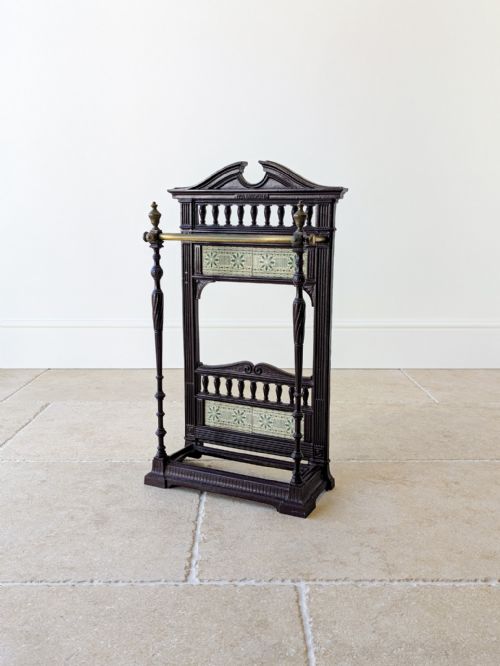
The selection ranges from simple industrial utilitarian models to decorative versions showing Aesthetic Movement influence. Such domestic hardware reflects the practical needs of turn-of-the-century households alongside contemporary decorative tastes.
Materials and construction
Manufacturing relied heavily on combining cast brass frames with sturdy cast iron bases to provide necessary weight at the floor level. Metal components were shaped using period casting techniques, resulting in rigid structures capable of withstanding daily household use.
Many examples incorporate sheet brass panels or tubular brass rails joined with mechanical fixings rather than modern welding. Drip trays were frequently formed with raised rims or dog-tooth patterns to retain moisture safely away from hallway flooring.
Edwardian Brass Sticks Retail Price Guide 2026
Typical asking prices for edwardian brass sticks among the pieces listed under this phrase on Sellingantiques today, from the lower quarter to the upper quarter. They describe what is for sale here now, not the wider market.
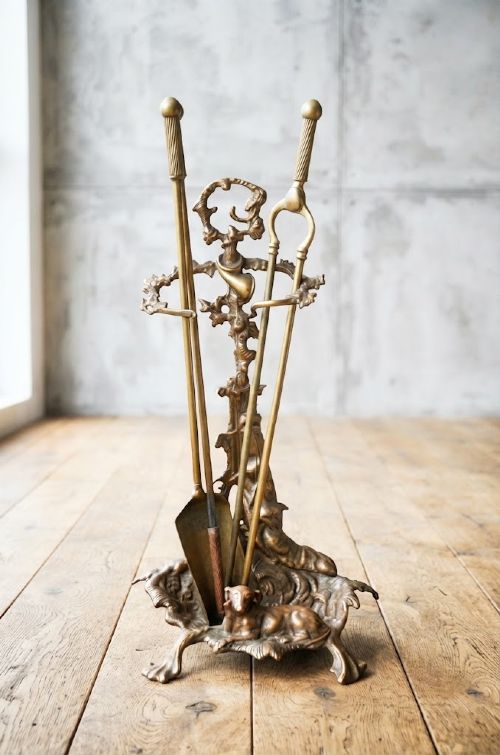
Listings feature various forms including demi-lune umbrella stands, rectangular frames, and companion sets incorporating brass and cast iron.
Quality variations
The distinction between standard utility items and finer examples rests largely on the weight of the metal and the crispness of the casting. Heavier gauge brass and solid iron components indicate superior production standards intended for substantial town houses.
Design sophistication also marks out the better specimens, such as those featuring decorative ball finials or cast Aesthetic Movement motifs. Finer pieces maintain structural rigidity without loose joints, whereas lesser examples often exhibit thin metal tubing and replacement parts.
Coalbrookdale·Shoolbred & Co.
The Edwardian Brass Sticks Glossary
- Demi-lune
- A half-moon shape characteristic of umbrella stands designed to sit flush against a hallway wall. This curved form saved valuable floor space in narrow Edwardian entrance passages.
- Drip tray
- A removable metal basin positioned at the base of a stick stand to collect water runoff. These trays protected wooden floors from dampness brought in by wet weather.
- Aesthetic Movement
- A late nineteenth-century design style emphasising visual beauty over narrative function. Pieces from this movement often display stylised botanical motifs and geometric brass work.
- Finial
- A decorative terminal ornament finishing the top of a vertical post or corner rod. They frequently took the form of polished brass spheres or cast metal caps.
Edwardian Brass Sticks: Frequently Asked Questions
What are Edwardian brass sticks used for?
These items serve primarily as dedicated storage fixtures for umbrellas, parasols, and walking sticks in domestic entrance halls.
They keep wet accessories organised and prevent moisture from damaging hallway floors through the use of integrated metal drip trays.
Where should I place a stick stand?
A demi-lune stand fits neatly against a flat hallway wall without obstructing narrow walkways or doorways.
Positioning the piece near the main entrance ensures practical access for family members and visitors arriving with wet coats and umbrellas.
How do I clean antique brass?
Dust the metal regularly with a soft dry cloth to prevent the accumulation of grime in decorative crevices.
Avoid harsh chemical metal polishes that strip historical patination, opting instead for gentle cleaning methods appropriate for aged brass surfaces.
Are these stands heavy?
Most examples possess substantial weight due to the combination of brass framework and heavy cast iron bases.
This deliberate heft prevents the stand from tipping over when loaded with multiple heavy walking canes and wet umbrellas.