
Edwardian Brass Rack
When you handle an edwardian brass rack, you touch a functional household item designed to organise correspondence, hats, magazines or walking canes with a distinct period finish.
Edwardian Brass Rack
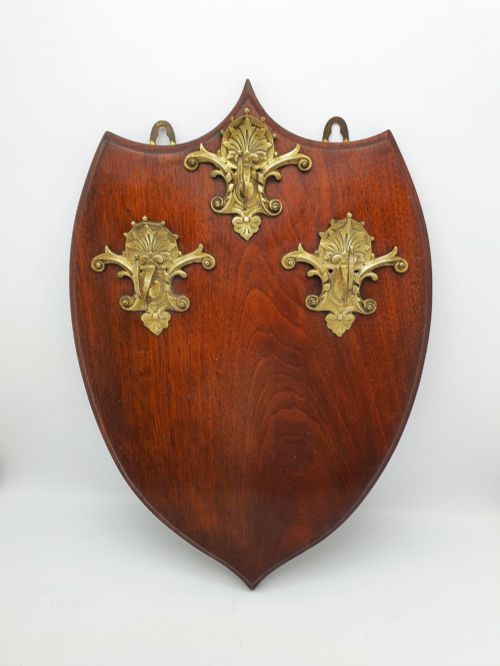
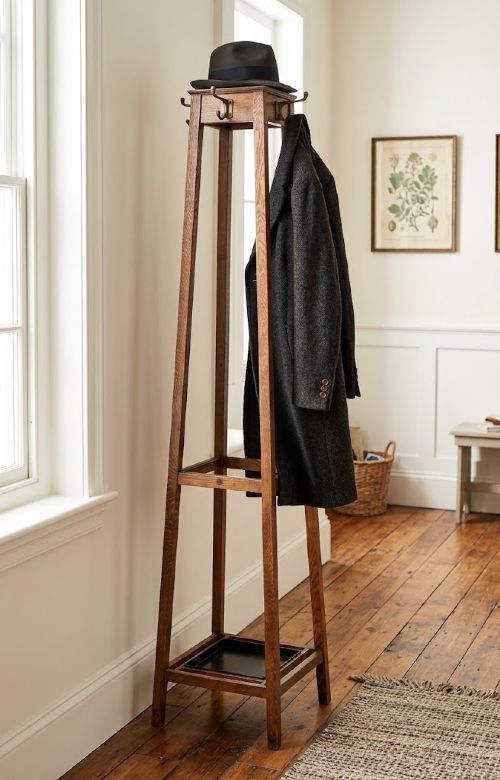
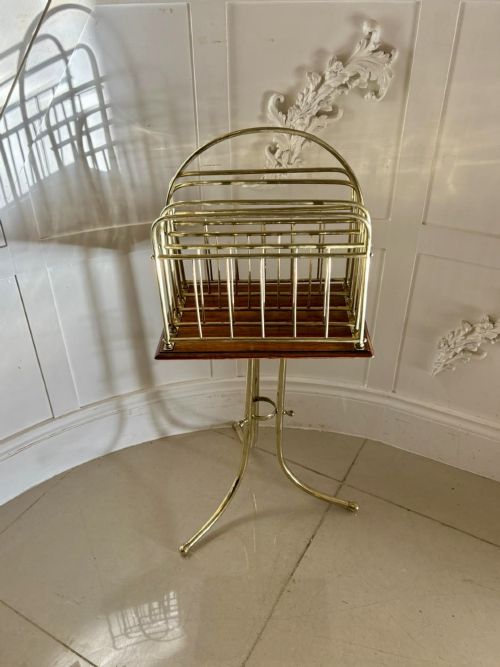
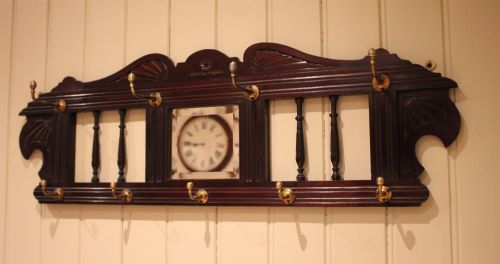
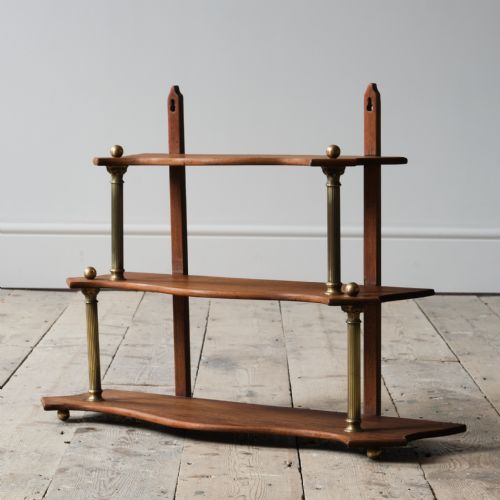
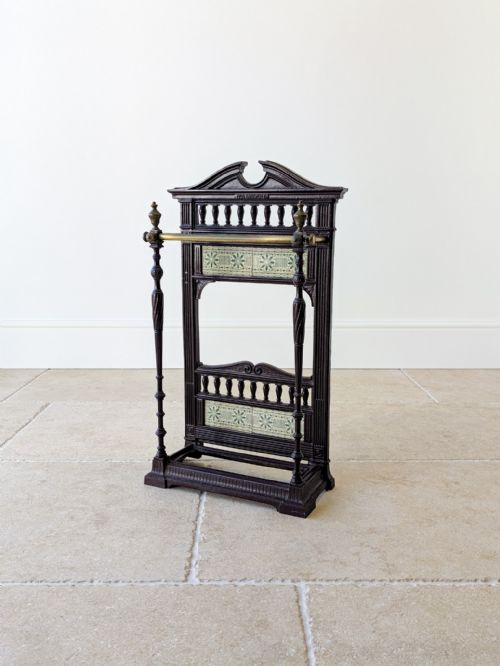
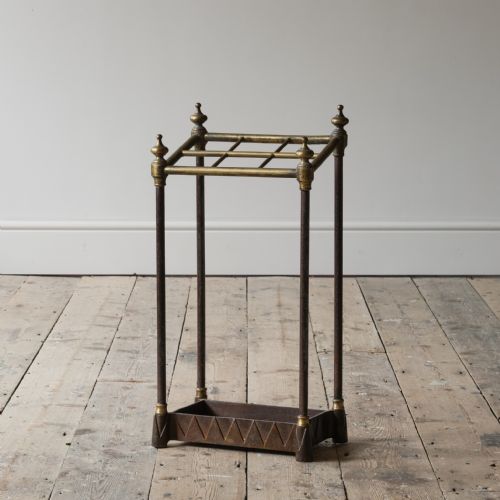
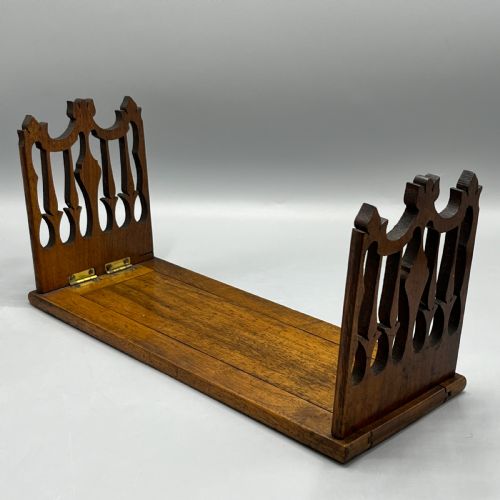
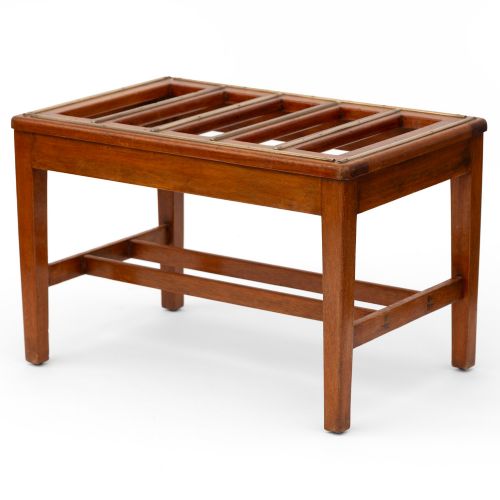
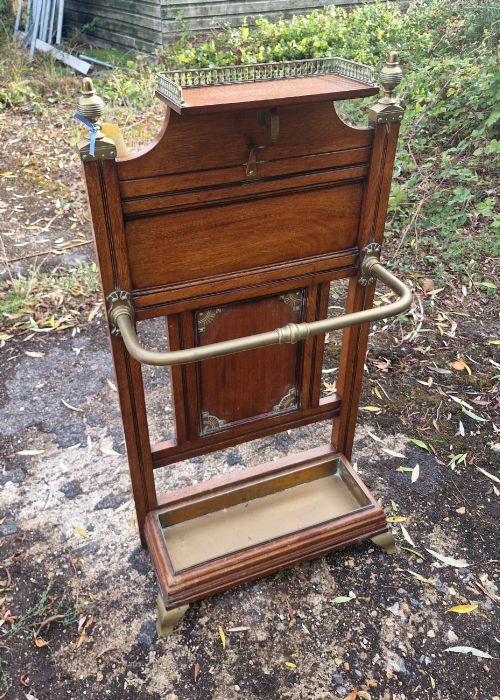
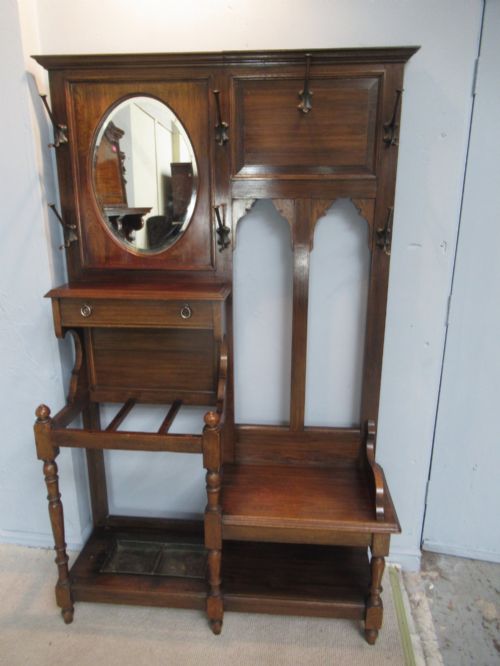
An edwardian brass rack encompasses a variety of domestic utility items designed for the hallway, study or drawing room. The selection spans wall-mounted letter racks, floor-standing umbrella and stick stands, tiered magazine holders, and luggage shelves combining timber frames with metal fittings.
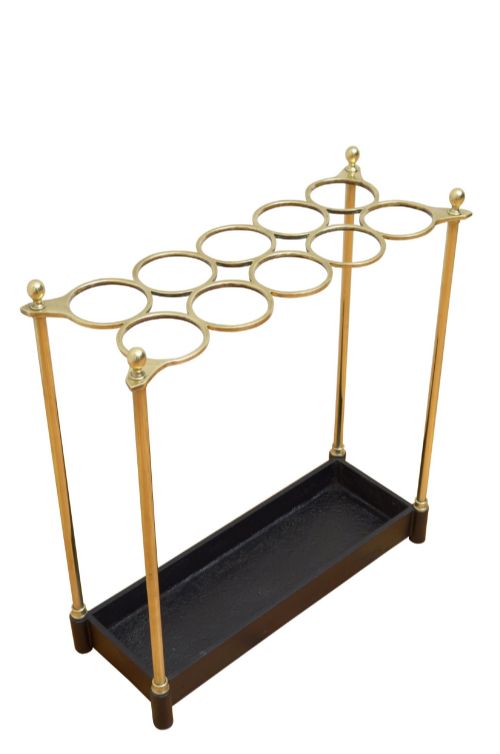
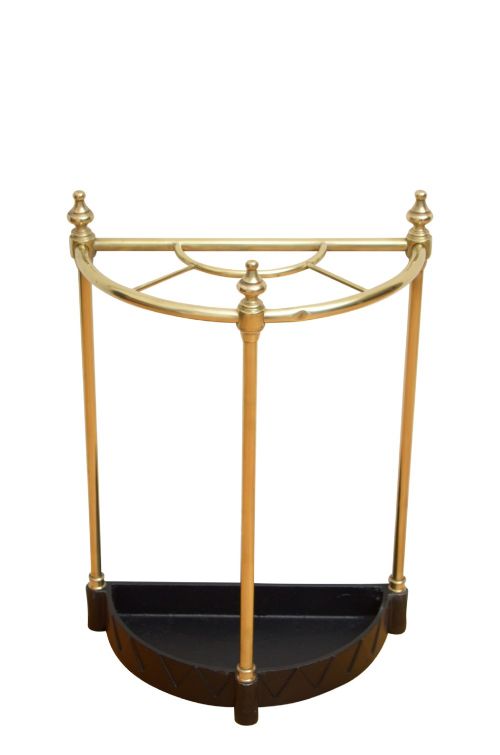
The version most commonly met on this page is the desk or wall-mounted letter rack constructed from polished brass plates paired with oak bases. Floor-standing umbrella stands featuring half-moon or demi-lune brass frames with cast iron drip trays also appear frequently.
Origins trace primarily to English workshops operating through the late nineteenth and early twentieth centuries, capturing the transition from ornate Victorian manufacturing towards cleaner Edwardian utility and Arts and Crafts principles.
How they were made
Construction relies heavily on sheet and cast brass combined with solid hardwoods such as oak, mahogany, walnut, and ebonised timber. Metal components were frequently stamped, pierced, or embossed with decorative motifs, then secured to timber backs or cast iron bases using traditional screws and brackets.
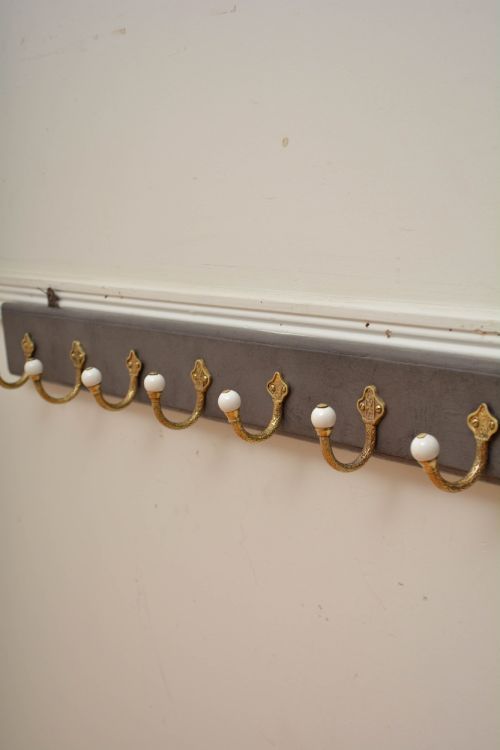
Finishes range from polished golden brass to darkened patinas, often paired with ceramic hooks, turned wooden feet, or mirrored glass panels. Structural integrity depended on sturdy joinery in the wooden elements, such as dovetailed letter compartments or solid framing for umbrella stands.
Object forms include wall-mounted letter organisers, hallway umbrella stands, revolving magazine holders, and luggage racks.
What varies in quality
The distinction between standard utility items and finer examples lies in the weight of the metal and the precision of the assembly. Heavier gauge brass, crisp piercing on letter dividers, and robust castings indicate superior original manufacture.
Material pairing also separates the range, where plain softwood carcases give way to finely figured quarter-sawn oak, burr walnut, or rich mahogany. The presence of maker stamps or registered design numbers points directly to higher-tier workshops.
Coalbrookdale·Jas. Shoolbred·Hall Birmingham
The Edwardian Brass Rack Glossary
- Demi Lune
- A half-moon shape commonly seen in the floor-standing umbrella and stick stands on this page. This profile allowed stands to sit flush against hallway walls without obstructing narrow passages.
- Drip Tray
- A metal or ceramic base pan fitted beneath umbrella stands to catch rainwater from wet sticks and canes. These trays were frequently removable for easy emptying.
- Aesthetic Movement
- A late nineteenth-century design style focusing on visual beauty over narrative meaning. Pieces from this movement often feature stylised natural motifs and contrasting metal finishes.
- Revolving
- A rotating mechanism applied to multi-tiered magazine racks or desktop stationery tidies. This allowed access to stored papers from multiple seated positions around a table.
- Finial
- A decorative terminal ornament, often turned in brass or carved in wood, capping the top of a post or corner support. They provide a finished aesthetic to structural joints.
Edwardian Brass Rack: Frequently Asked Questions
What was an edwardian brass rack used for?
These items served specific organisational roles in the Edwardian home, from sorting daily post on a library desk to holding walking canes and umbrellas in a grand hallway.
Smaller desk pieces held letters and documents, while larger wall-mounted or freestanding racks managed hats, coats, and periodicals.
How do I clean brass on an antique rack?
Gentle dusting with a soft dry cloth is usually sufficient to maintain the metalwork without removing the aged patina accumulated over decades.
Avoid harsh chemical metal polishes that strip historical character and can stain adjacent timber or ceramic elements.
Where should I place a stick stand at home?
Floor-standing umbrella frames fit naturally into entrance halls, porches, or boot rooms where wet outerwear is traditionally managed.
Their narrow demi-lune profiles allow them to occupy minimal floor space while remaining immediately accessible near the front door.
How do I distinguish Edwardian pieces from Victorian ones?
Edwardian items generally exhibit lighter proportions, simpler lines, and less heavy ornamentation compared to the darker, more elaborate styles of the nineteenth century.
Where Victorian designs favoured dense carving and heavy cast components, Edwardian pieces often embraced cleaner geometry influenced by the Arts and Crafts movement.