

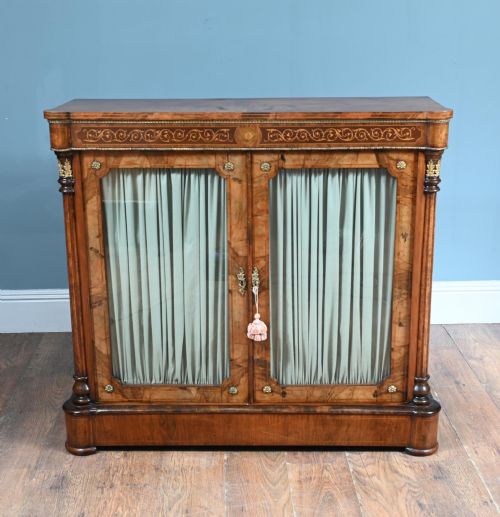


Edwardian Brass Display Case
An edwardian brass display case brings light and presence to a room, framing cherished objects behind clear glass.
Edwardian Brass Display Case
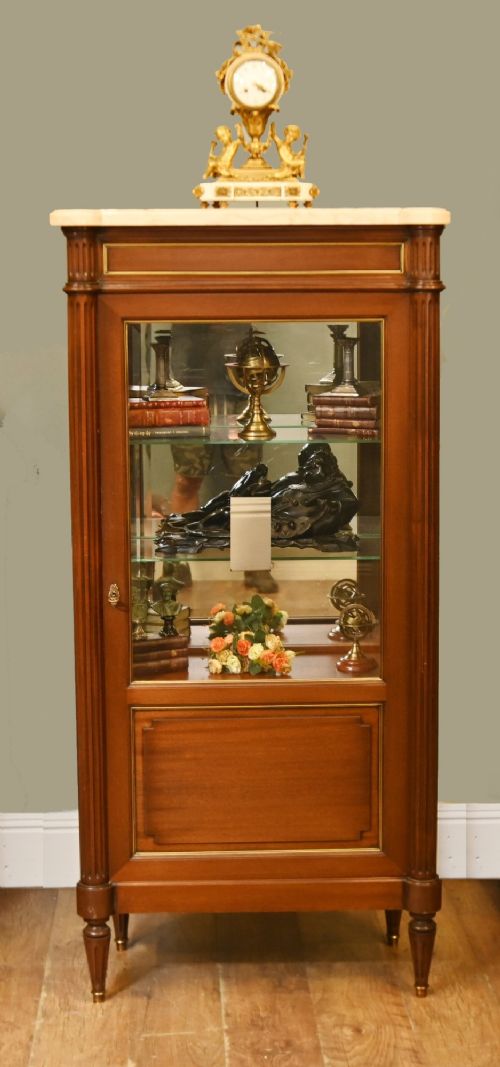
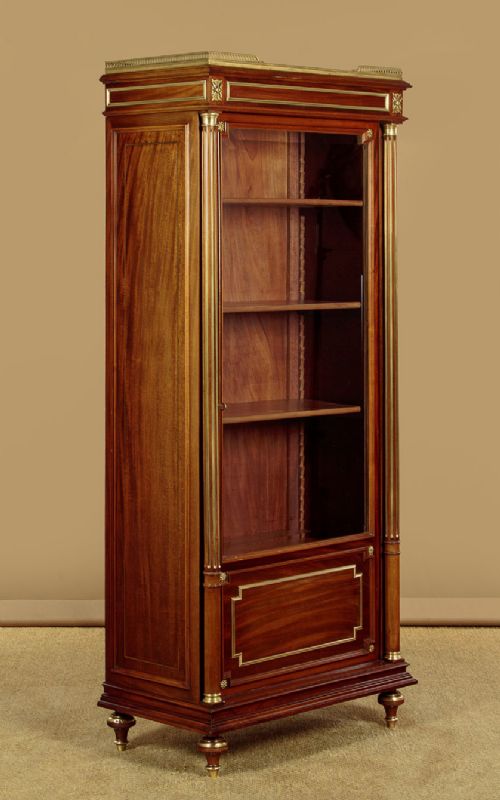
When you search for an edwardian brass display case, you encounter glazed vitrines, table cabinets and shop counters designed to showcase precious belongings. These pieces originate predominantly from the Edwardian era, alongside related Victorian and early twentieth-century examples.
The selection here spans compact table-top jewellery boxes to large freestanding shop counters and French style vitrines. Walnut, mahogany and ebonised wood frequently form the primary carcasses, complemented by polished metal framing.
Most items combine timber structures with extensive glass panels to maximise visibility from multiple angles. Interiors occasionally feature velvet or mirrored backs to enhance the display of scientific instruments, ceramics or ornaments.
How they were made
Cabinet makers utilised dense hardwoods including mahogany, walnut and oak to build sturdy frames capable of supporting heavy glass panes. Brass mounts, hinges and framing strips provide structural definition and decorative contrast against the polished timber.
Panels of bevelled and flat glass were fitted securely into wooden or metal grooves, sometimes accompanied by velvet linings or mirrored interiors. Joinery techniques from the period ensured tight seals and durable housings for delicate instruments and collectables.
Edwardian Brass Display Case Retail Price Guide 2026
Typical asking prices for edwardian brass display case among the pieces listed under this phrase on Sellingantiques today, from the lower quarter to the upper quarter. They describe what is for sale here now, not the wider market.
Materials documented across these listings include brass, glass, mahogany, oak, walnut, velvet, leather and ebonised wood.
What varies in quality
The distinction between standard utility items and finer pieces lies in the crispness of the brass casting and the selection of timber veneers. Superior examples display carefully matched burr walnut or inlaid mahogany alongside substantial, well-finished metalwork.
Construction details such as bevelled glass edges, original locks and finely fitted internal shelves elevate the standing of a cabinet. Commercial shop counters prioritised robust daily use, whereas domestic vitrines emphasised delicate decorative styling and refined joinery.
Harrods·Siegel·Aitchison
The Edwardian Brass Display Case Glossary
- Vitrine
- A glass-fronted cabinet or display case designed specifically for showing porcelain, curiosities or fine objects. These pieces often feature glazed sides to allow maximum light penetration.
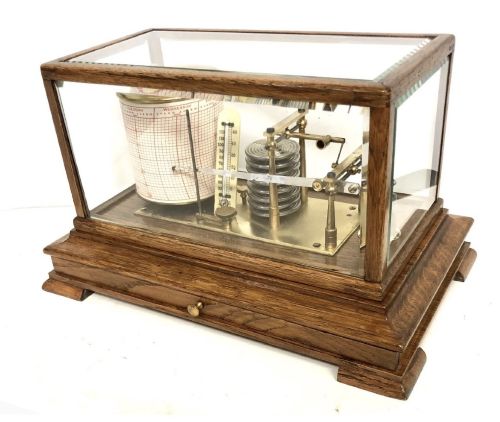
- Barograph
- A scientific instrument that records barometric pressure over time upon a paper chart. They are typically housed in polished wooden cases with bevelled glass viewing lids.
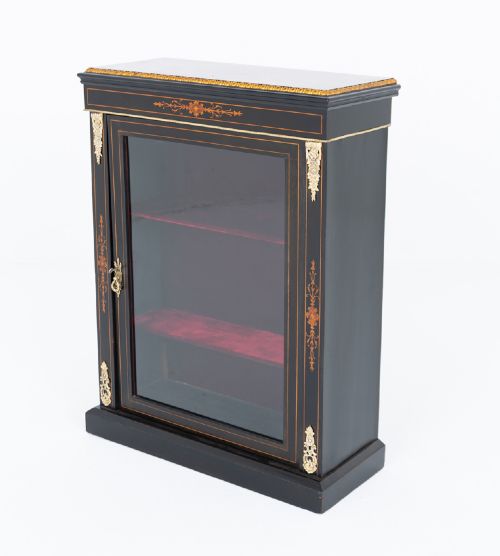
- Pier cabinet
- A tall, narrow piece of furniture built to stand against the wall space between windows. Victorian and Edwardian examples frequently incorporate glass doors and velvet-lined shelves.
- Bijouterie cabinet
- A shallow display table or case created for holding small valuables, medals or jewellery. They usually feature hinged glass tops for easy viewing from above.
- Bevelled glass
- Glass panes possessing an angled, polished edge that catches and refracts light. This treatment adds a decorative finish to the windows of display cases and barograph boxes.
Edwardian Brass Display Case: Frequently Asked Questions
What fits inside an edwardian brass display case?
These cases suit small collections, pocket watches, ceramics, silver items and curiosities. Tabletop versions hold jewellery, while larger freestanding vitrines accommodate books and sculptures.
Interior depths and adjustable shelving dictate the scale of objects you can place inside safely.
How do I care for the brass and glass?
Dust the glass gently with a soft microfibre cloth and mild cleaner to avoid scratching the surface. Clean the brass framing sparingly using appropriate non-abrasive metal polishes to preserve the finish.
Keep wooden carcasses away from direct heat sources and strong sunlight to prevent the timber veneers from drying out.
Are these cases suitable for everyday use?
Solid construction from mahogany, oak and walnut makes these cabinets robust enough for daily domestic life. Many feature lockable doors to keep contents secure.
Care should be taken with older hinges and delicate glass panels during regular opening and closing.
How do I distinguish Edwardian from Victorian cases?
Victorian cabinets often display heavier ebonised finishes, ornate carvings and dense walnut timbers. Edwardian versions tend to feature lighter mahogany tones, inlaid stringing and more restrained neoclassical or French revival styling.
Overlap in manufacturing techniques means examining the specific hardware and secondary timbers helps confirm the exact period.