
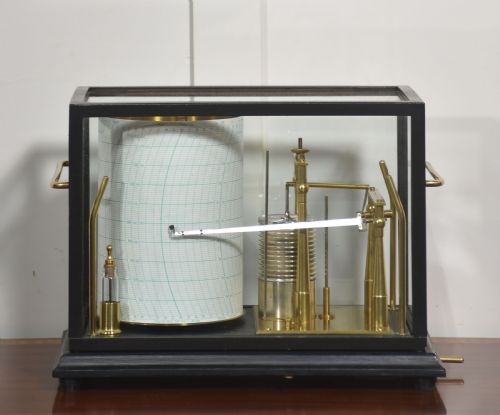


Edwardian Brass Barometer
An edwardian brass barometer measures atmospheric pressure with precision and style, bringing functional scientific heritage into any room.
Edwardian Brass Barometer
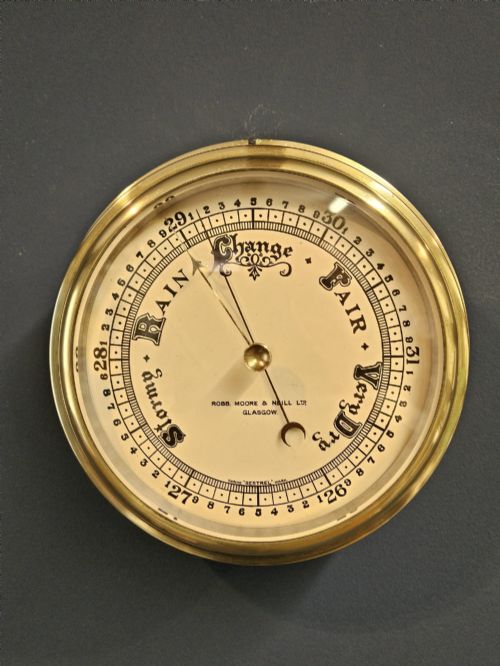
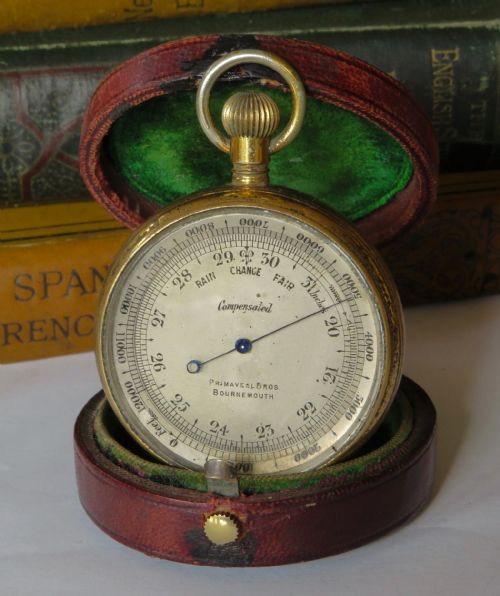
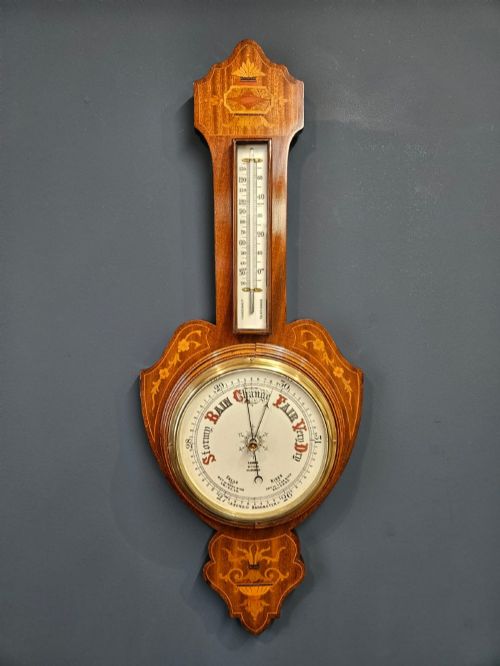
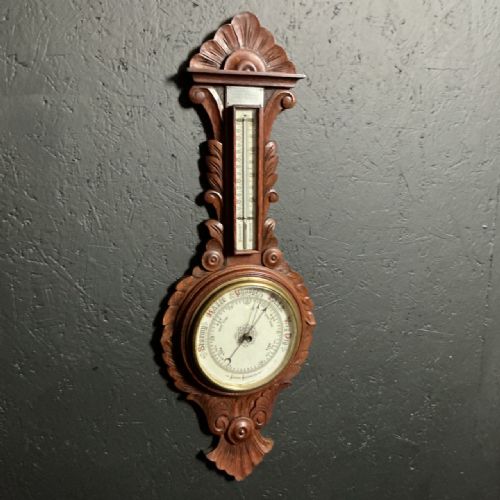
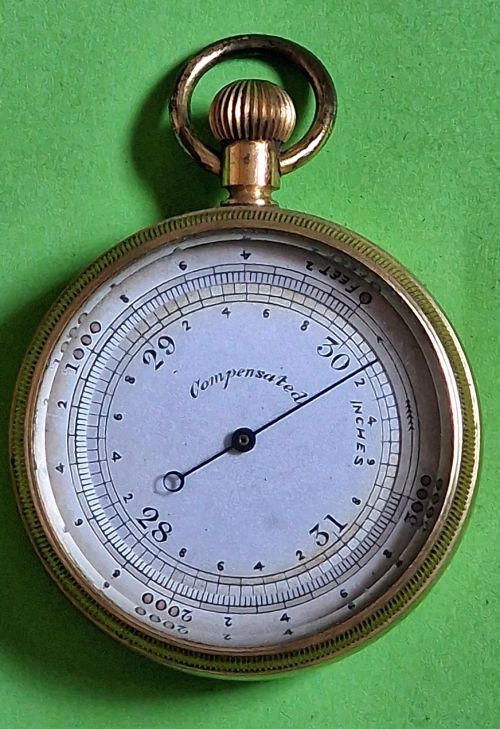
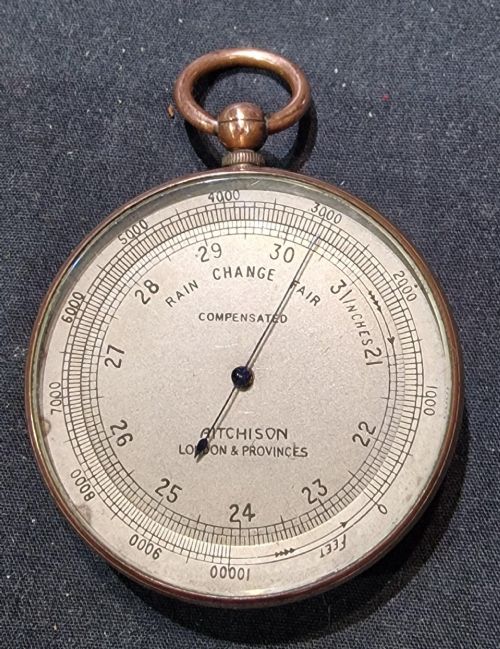
When you search for an edwardian brass barometer, you encounter instruments designed to measure atmospheric pressure housed in durable metal casings. These pieces reflect the scientific curiosity of the era alongside domestic utility. Wall-hanging banjo styles, bulkhead marine instruments, and portable pocket versions appear frequently.
The selections span the Edwardian period, Victorian era, and early twentieth century. Oak and mahogany frequently frame the brass dials and mechanisms, while glass protects the delicate needles and paper charts. Many incorporate mercury thermometers or rotating altimeter scales to provide comprehensive weather data.
Materials and Construction
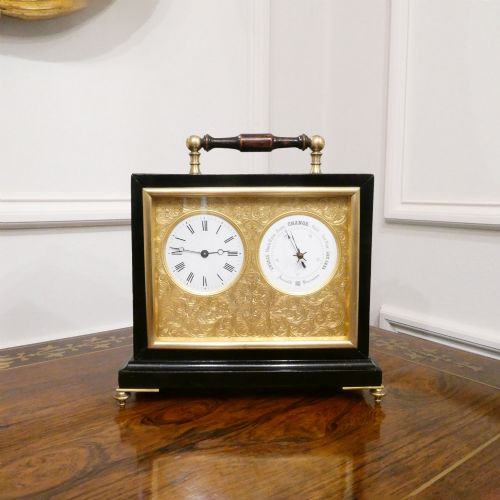
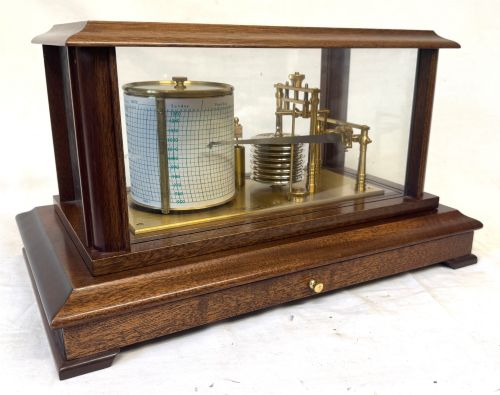
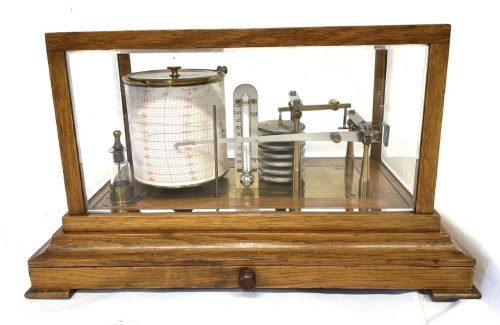
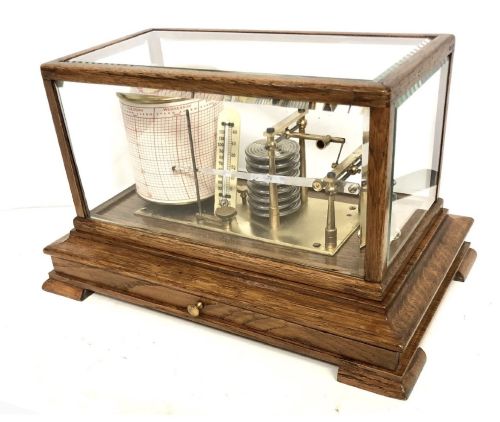
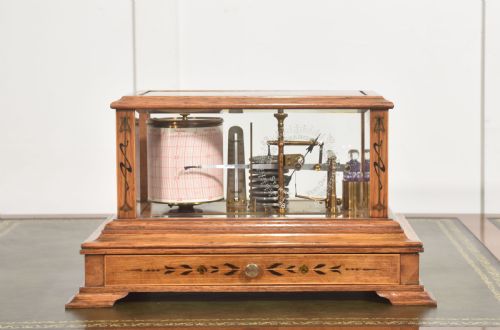
Makers utilised heavy brass for bezels, bulkheads, and internal movements to ensure longevity and precise calibration. Oak and mahogany timber cases provide stable structural housing, often shaped into banjo profiles or rectangular five-glass table boxes.
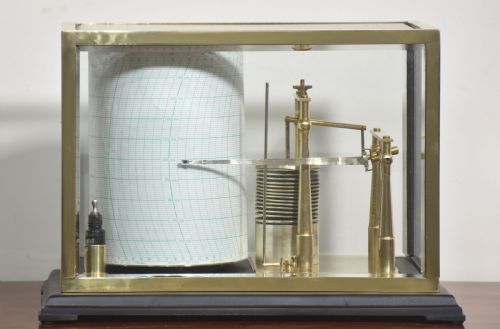
Silvered metal dials display crisp engraved lettering, while bevelled glass panels allow clear observation of the barograph drums and recording arms. Paper charts record weekly pressure shifts using ink filled nibs powered by internal clockwork mechanisms.
Several barographs recorded shifting pressure while travellers drifted quietly across the sky in military observation balloons.
Craftsmanship and Execution
Quality rests in the precision of the maker's movement and the clarity of the silvered dial engravings. Finer instruments feature robust compensated aneroid capsules and bevelled glass housed within substantial timber or polished brass frames.
Lesser examples display simple pressed metal bezels and plain dials with minimal calibration detail. The inclusion of original paperwork, matching chart drawers, and functioning clockwork movements elevates an instrument's standing.
Short and Mason·Negretti and Zambra·Alexander Wright·Primavesi·Aitchison·Casella London·R Fuess
The Edwardian Brass Barometer Glossary
- Aneroid barometer
- An instrument measuring atmospheric pressure without liquid, using an expanding metal capsule. This design allowed barometers to become portable and houseable in domestic wall cases.
- Barograph
- A recording barometer that traces pressure fluctuations onto a rotating paper chart over a weekly cycle. These instruments require clockwork movements housed beneath glass covers.
- Bulkhead barometer
- A marine instrument designed to mount directly onto the interior wall of a ship's cabin. They feature heavy brass frames to withstand maritime vibrations.
- Altimeter
- A specialised barometer calibrated to indicate altitude above sea level by measuring reduced air pressure. Pocket versions saw use in early aviation and military observation.
- Silvered metal
- A brass or copper dial treated with a silver compound to produce a bright matte finish for black engraved graduations. This treatment reduces glare under interior lighting.
Edwardian Brass Barometer: Frequently Asked Questions
How do I read an aneroid barometer?
Observe the position of the pointer relative to the fixed scale graduations, noting whether pressure rises or falls by tapping the glass lightly.
Compare the primary needle with the manually set index pointer to track day to day weather changes in your home.
How do I maintain a barograph?
Wind the internal clockwork drum carefully and replace the inked paper chart weekly to maintain an unbroken pressure record.
Keep the instrument away from direct heat sources and open windows to prevent erratic mechanical expansion.
Are bulkhead barometers waterproof?
Bulkhead instruments feature sealed brass housings designed to resist marine moisture and salt air corrosion in cabins.
They are built for damp environments but remain precision scientific instruments rather than submersible hardware.
What is the purpose of a chart drawer?
The integrated wooden drawer stores spare weekly recording papers, spare ink bottles, and calibration keys directly beneath the movement.
This keeps essential maintenance supplies housed with the barograph for convenience during operation.