



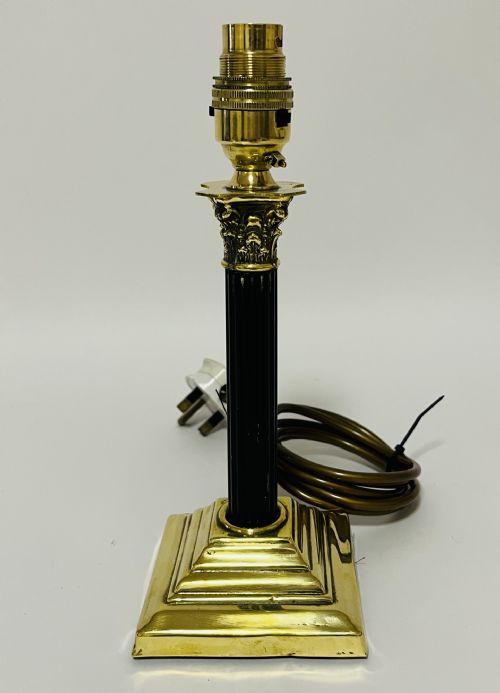

Edwardian Black Table
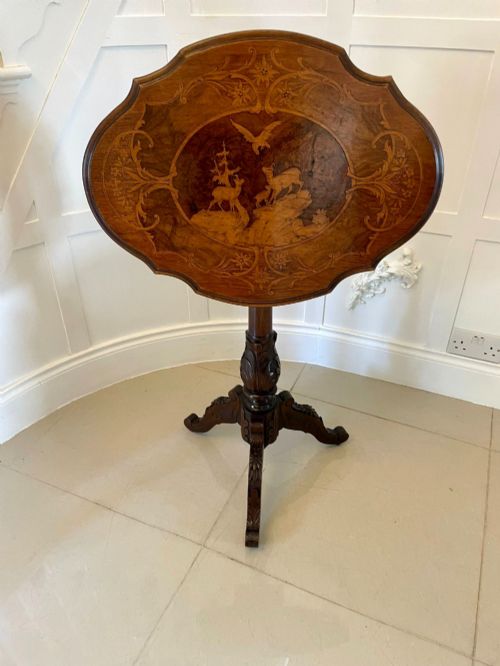
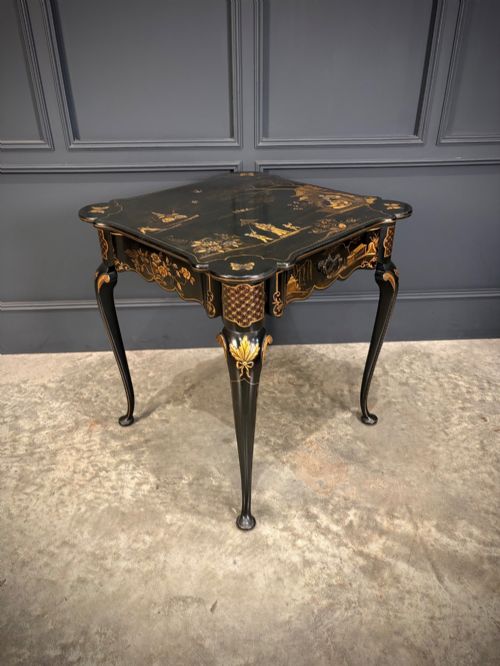
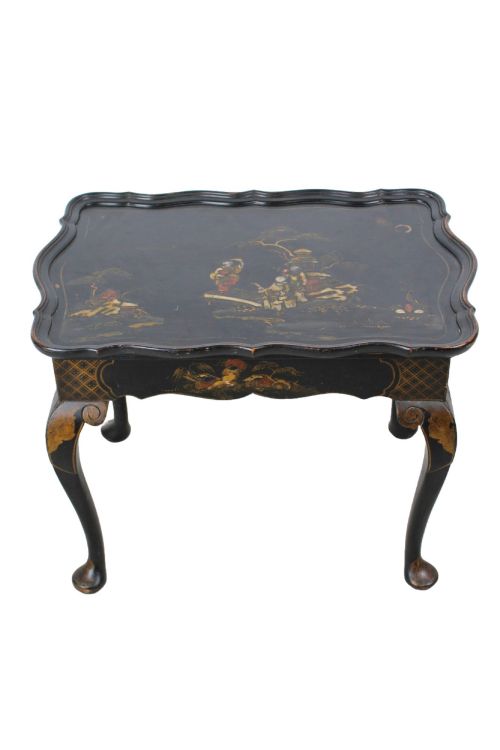
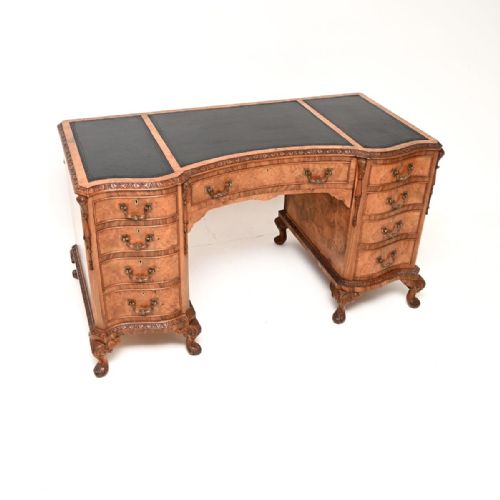
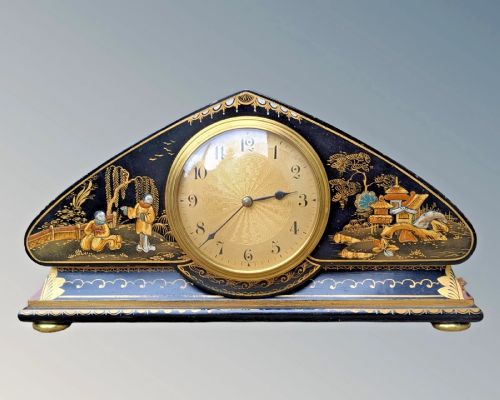
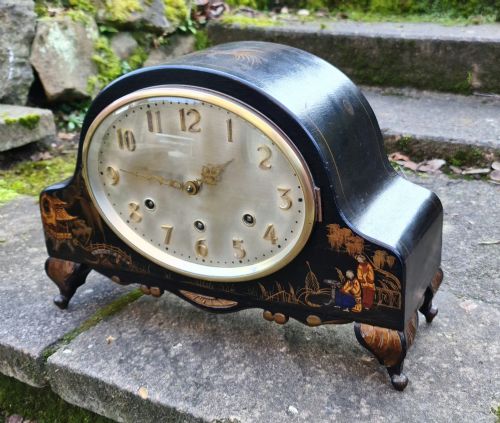
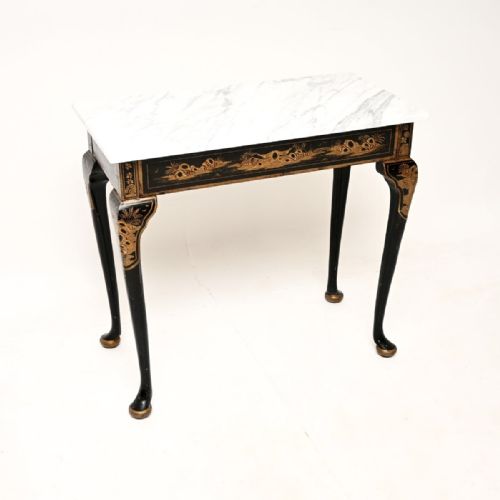
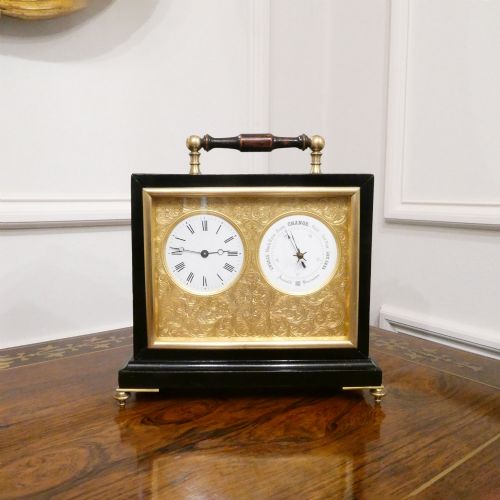
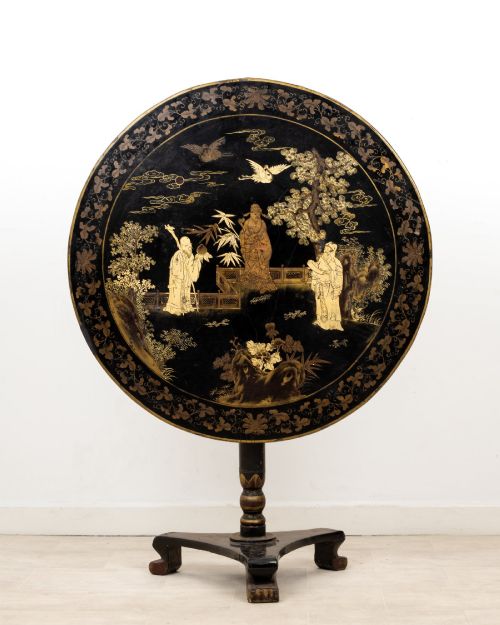
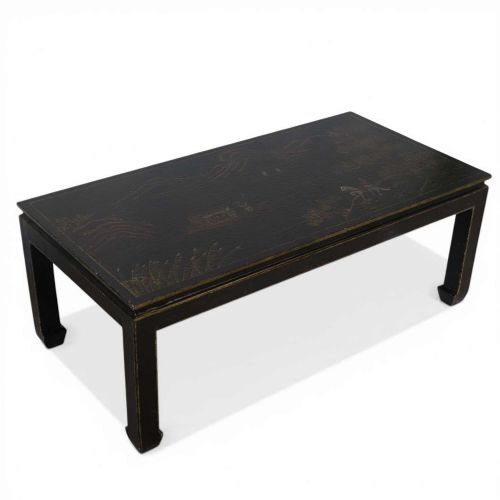
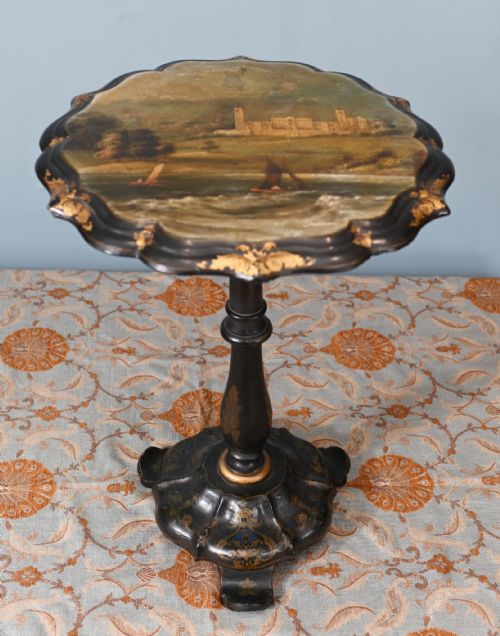
These pieces take an edwardian black table and render it through dark finishes, gilt motifs and oriental scenes.
Edwardian Black Table
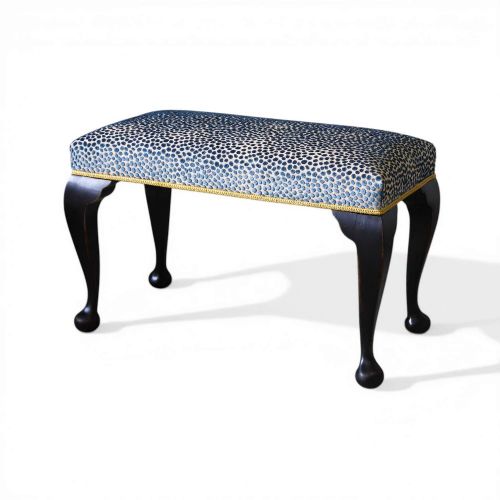
An edwardian black table spans occasional furniture, coffee tables, lamp tables and nests finished in dark lacquer or ebonised wood. You will find pieces bearing painted oriental scenes, gilt highlights and Chinoiserie decoration alongside simpler ebonised frames.
The selections range from the Edwardian period itself into adjacent nineteenth and twentieth-century eras, incorporating styles from Aesthetic Movement ebonising to Victorian and Edwardian Chinoiserie. Forms include tray tops, envelope card tables, coffee tables and lamp tables designed for drawing rooms and parlours.
Makers and workshops of the period applied dark finishes to mahogany, walnut and pine, often pairing turned legs or drop leaves with intricate hand-painted decoration. These items served functional roles in period homes while introducing rich colour contrast to domestic spaces.
Materials and construction
Craftsmen built these tables using solid timbers and veneers such as mahogany, walnut and pine, applying ebonising treatments or black lacquer coats to achieve the dark surface. Surfaces were then decorated with gold leaf, painted Chinoiserie motifs and decorative scenes.
Construction techniques involve traditional joinery, turned legs, drop leaves and tray top edges. Many examples feature multi-layer lacquering polished by hand to a deep sheen, protecting the painted details beneath.
Edwardian Black Table Retail Price Guide 2026
Typical asking prices for edwardian black table among the pieces listed under this phrase on Sellingantiques today, from the lower quarter to the upper quarter. They describe what is for sale here now, not the wider market.
Materials recorded across the inventory include ebonised wood, lacquer, brass, gilt, gold leaf and glass.
Assessing quality and finish
The standard of a piece rests upon the depth of the lacquer and the skill evident in the painted decoration. Fine examples display crisp, hand-painted Chinoiserie details and smooth, stable timber substrates without excessive surface cracking.
Proportion and structural integrity distinguish finer workshops from standard production. Tables with well-balanced legs, secure joinery and intact gilt or painted elements hold greater decorative presence in a room.
Maple and Co·Archibald Knox
The Edwardian Black Table Glossary
- Ebonised
- Wood treated with stain or pigment to imitate ebony. This dark finish gained popularity during the Victorian and Edwardian periods for accent furniture.
- Chinoiserie
- European artistic interpretation of Chinese and East Asian artistic traditions. It appears on furniture through painted motifs of figures, landscapes and pagodas.
- Japanned
- European imitation of Japanese lacquerwork using layers of varnish and paint. Artisans built up dark glossy surfaces often decorated with raised or flat gilt scenes.
- Sutherland table
- A narrow dropleaf table with folding flaps supported by swinging gate legs. The design allows the table to fold into a compact footprint when not in use.
- Envelope card table
- A game table featuring a square top with four triangular flaps that fold inward like an envelope. Rotating the top reveals a baize-lined playing surface.
Edwardian Black Table: Frequently Asked Questions
Where did people place these tables?
These tables sat in drawing rooms, parlours and reception spaces to hold lamps, calling cards or afternoon tea.
Their compact sizes allowed servants and family members to move them easily around the room as needed.
How do I care for black lacquer?
Dust surfaces gently with a soft, dry cloth and avoid harsh chemical sprays or abrasive cleaning pads.
Keep the items away from direct sunlight and radiators to prevent the lacquer finish from drying out or cracking.
What defines Edwardian Chinoiserie?
Edwardian Chinoiserie combines dark ebonised or lacquered timber frames with delicate hand-painted oriental scenes and gilt detailing.
This aesthetic draws inspiration from earlier eighteenth-century tastes revived during the late Victorian and Edwardian eras.
Can I use an occasional table daily?
These tables suit daily use for holding books, drinks or lamps, provided you protect the surface from moisture and heat.
Using coasters and placemats helps preserve the painted lacquer and polished timber underneath.