



Edwardian Black Framed Mirror
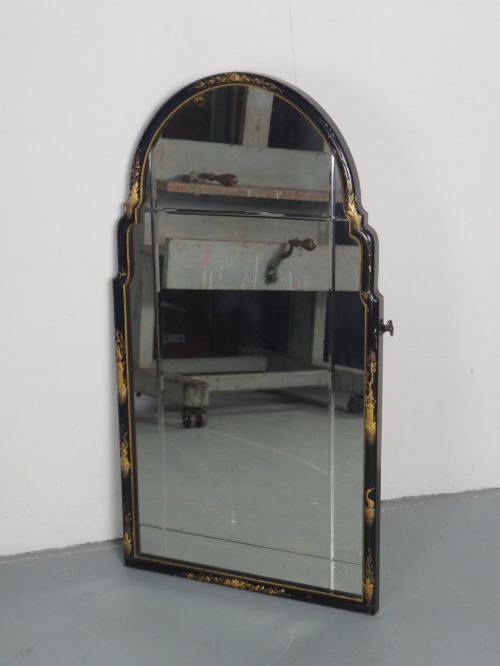
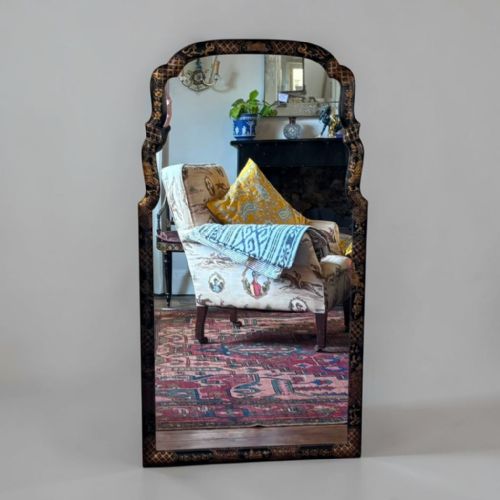
These edwardian black framed mirror pieces bring dark, glossy surfaces and striking proportions to a room.
Edwardian Black Framed Mirror
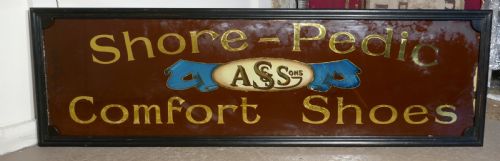
An edwardian black framed mirror brings dark, lustrous surfaces and clean silhouettes to an interior space, drawing on styles from the late nineteenth century through to the interwar decades. Buyers searching this phrase will encounter wall-hanging and overmantel formats alongside table mirrors and advertising pieces.
The selections on this page span several decades, featuring Edwardian execution alongside Victorian precursors and later twentieth-century iterations. Oval shapes and rectangular formats dominate, often accompanied by decorative painting or distinctive framing.
Chinoiserie ornamentation appears frequently alongside ebonised wood and lacquer finishes, offering both restrained elegance and more elaborate visual schemes. Regional variations include Black Forest carving and fairground fun house designs.
Materials and construction methods
The physical structure relies upon timber frameworks finished in ebonised wood, black lacquer, or applied gold leaf and parcel-gilt details. Makers prepared these wooden carcases to receive smooth, dark coatings that contrast sharply with the reflective glass plates.
Mirror glass sits securely within the rebate, sometimes featuring etched and engraved surface designs executed by hand. Overmantel examples and large wall pieces utilise substantial timber backing to support the weight of the heavy glass panels.
Edwardian Black Framed Mirror Retail Price Guide 2026
Typical asking prices for edwardian black framed mirror among the pieces listed under this phrase on Sellingantiques today, from the lower quarter to the upper quarter. They describe what is for sale here now, not the wider market.
Fairground fun house mirrors distort reality entirely, reminding buyers that not every antique reflection was meant to be flattering.
Distinctions in quality
Execution of the surface finish dictates visual success, separating simply painted timbers from deep, polished lacquer or ebonised surfaces that retain their original sheen. The crispness of carved details and painted Chinoiserie motifs demonstrates the hand of a skilled decorator.
Condition of the reflective plate matters greatly, with original glass retaining authentic silvering oxidation that adds depth to the reflection. The integrity of the framing joints and the retention of original gilding also distinguish finer examples.
The Edwardian Black Framed Mirror Glossary
- Ebonised
- Wood stained or painted black to imitate costly ebony timber. This finish was widely utilised during the Victorian and Edwardian periods.
- Overmantel
- A large mirror designed to hang directly above a fireplace mantelpiece. These pieces often anchor the decorative scheme of a reception room.
- Parcel-gilt
- Partially gilded woodwork where gold leaf highlights specific carved details against a dark background. This technique adds contrast and visual depth.
- Bevelling
- The practice of angling the outer edges of a mirror glass plate to create a sloping border. It catches the light and frames the reflection.
Edwardian Black Framed Mirror: Frequently Asked Questions
How do I hang a heavy overmantel mirror?
Secure hanging requires fixing directly into wall studs or masonry using appropriate heavy-duty brackets. The weight of the timber frame and glass demands proper structural support.
Consult a professional restorer or installer if the original hanging hardware appears insufficient for the mass of the piece.
How do I clean an antique black lacquered frame?
Dust gently with a soft, dry cloth to remove surface particles without disturbing the delicate finish. Avoid modern chemical sprays or abrasive cloths that can damage aged lacquer or ebonised wood.
Moisture should be kept away from exposed timber edges and damaged areas of the coating to prevent further deterioration.
How do I distinguish Edwardian mirrors from Victorian ones?
Edwardian examples tend to exhibit lighter proportions and simpler decorative schemes compared to heavier Victorian counterparts. The transition from nineteenth-century revival styles to early twentieth-century taste often shows in the subtlety of the framing.
Construction details and backboards also help establish the chronological context of the piece.
Can I place these mirrors in a bathroom?
High humidity and moisture present risks to antique silvering, timber carcases, and fragile lacquer finishes. Placing these pieces in damp environments accelerates the degradation of the glass and wood.
Dry interior rooms with stable temperatures provide the safest environment for long-term preservation.