

Edwardian Bevelled Mirror
When you search for an edwardian bevelled mirror, you enter a world of polished timber frames and angled glass plates that capture light.
Edwardian Bevelled Mirror
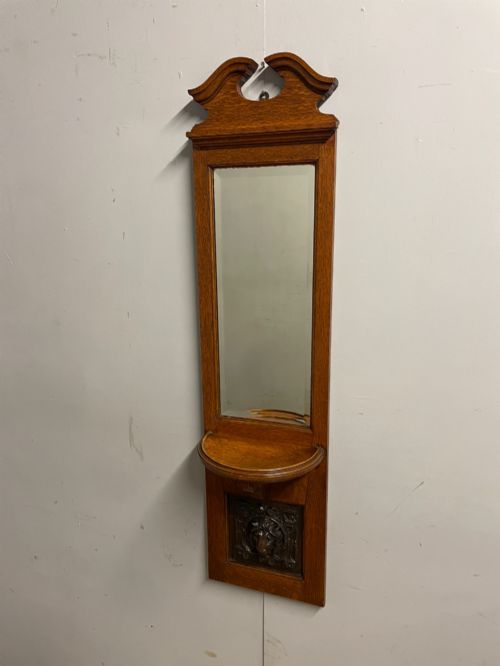
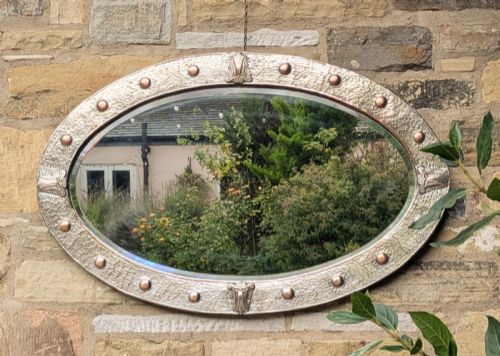
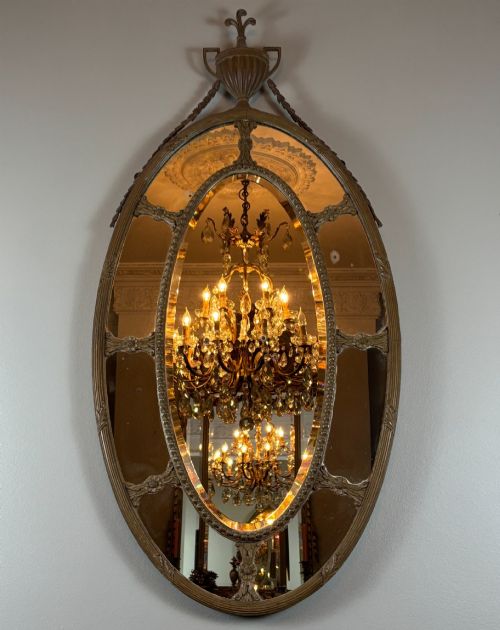
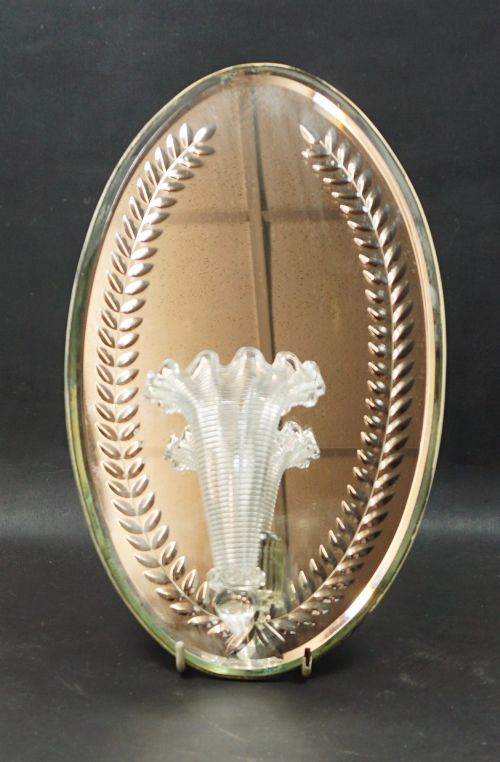
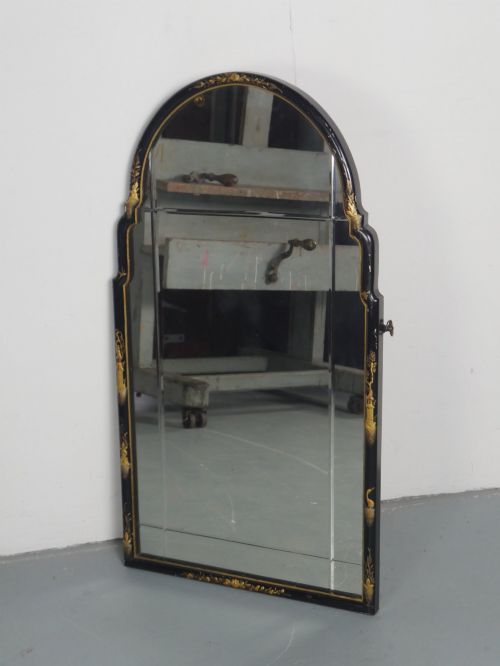
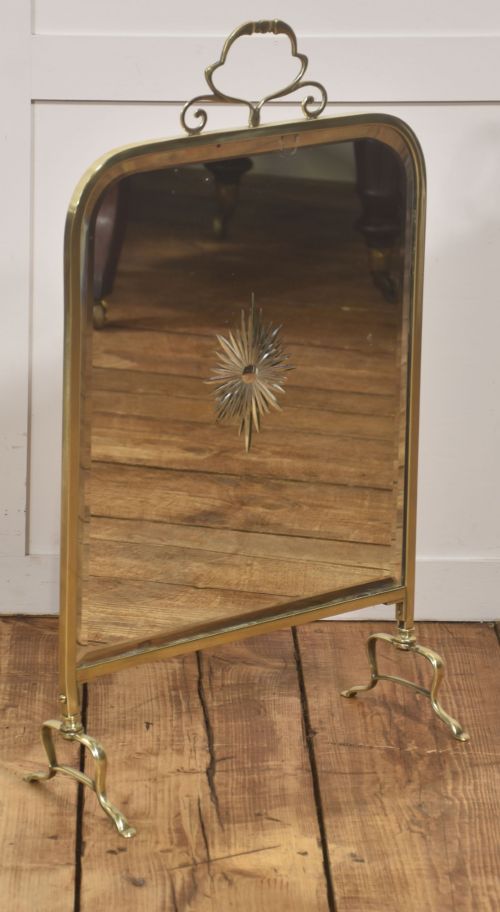
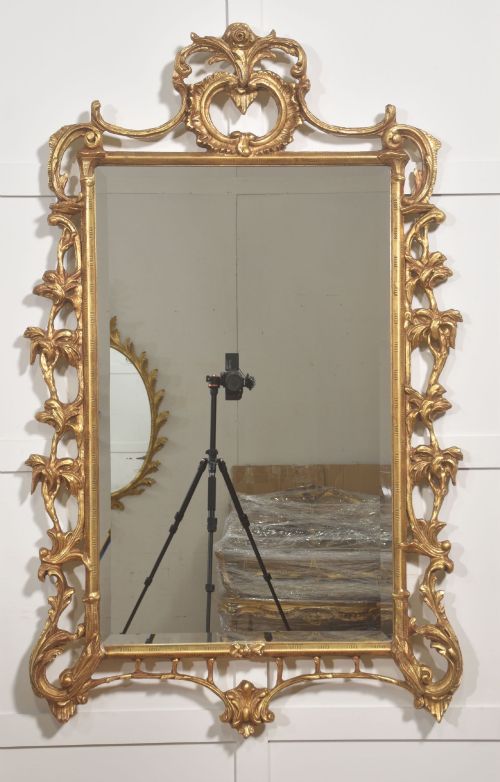
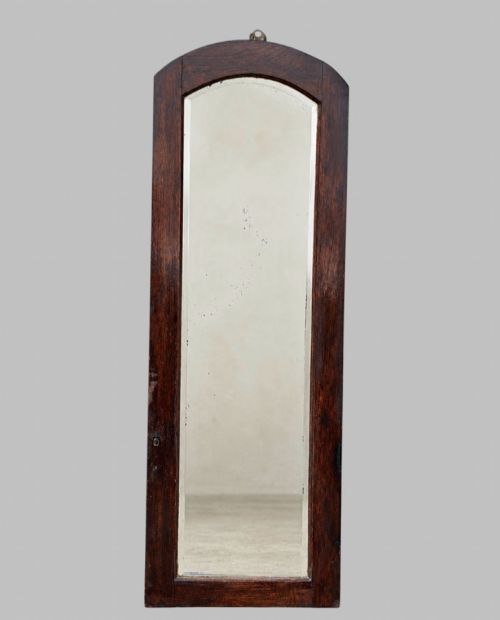
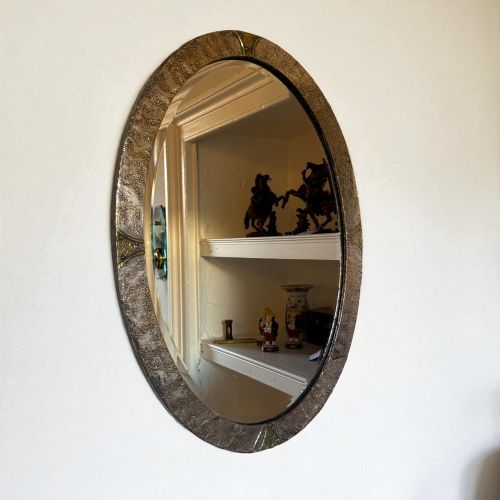
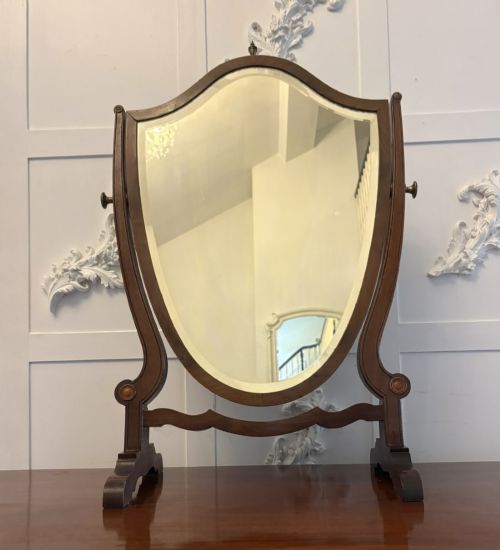
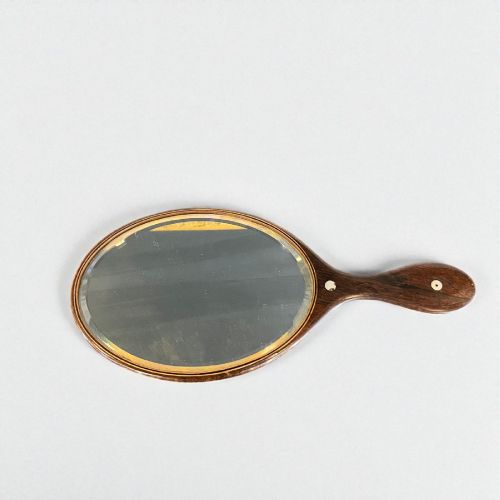
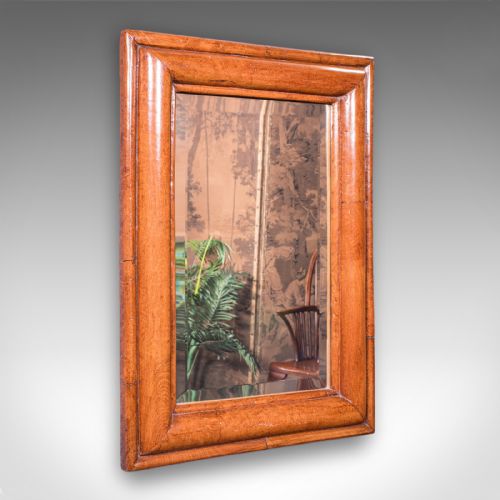
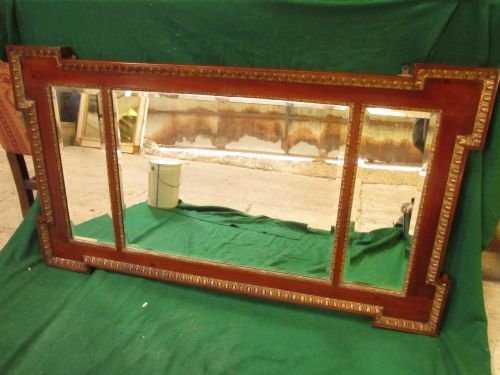
An edwardian bevelled mirror brings together early twentieth-century domestic utility and decorative craftsmanship. These pieces take many forms, appearing as wall hangings, overmantels, dressing table accessories, and full-length floor mirrors.
The selections on this page span the Edwardian era alongside adjacent periods, showing how makers adapted forms from Victorian and Arts and Crafts traditions. You will encounter rectangular, oval, and arched silhouettes designed to suit hallways, reception rooms, and bedrooms.
How they were made
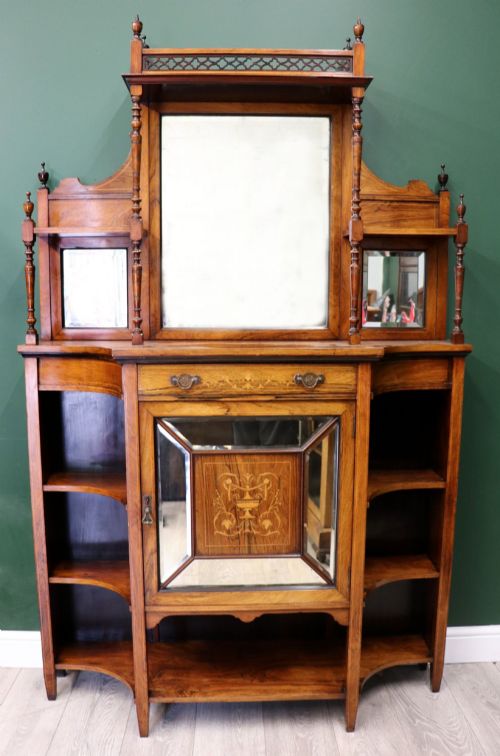
Frames are constructed from timbers such as oak, walnut, mahogany, and rosewood, often enhanced with marquetry, inlay, or giltwood details. Brass, copper, gesso, and sterling silver also feature prominently as framing and decorative mediums.
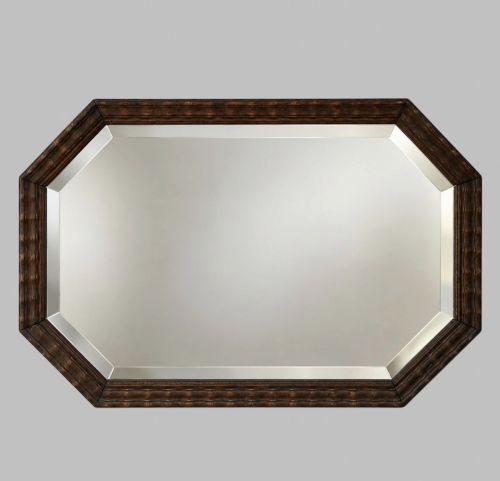
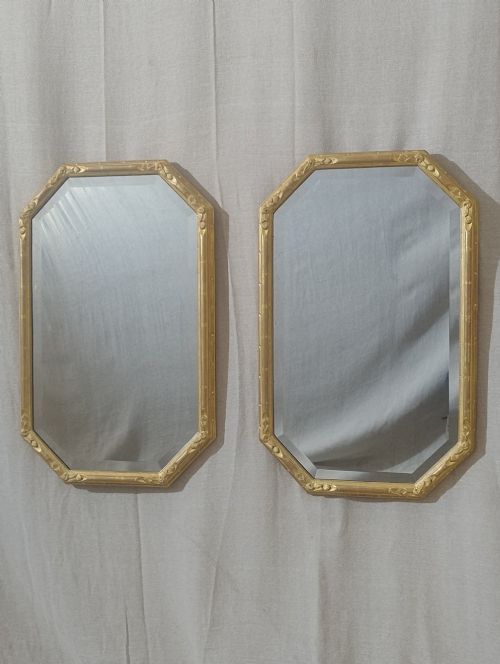
Glass plates are shaped with hand-ground bevels along their perimeter, creating a slanted edge that refracts light inwards. Carpenters and joiners secured these heavy plates within solid wood rebates, backing them with protective wooden panels.
Edwardian Bevelled Mirror Retail Price Guide 2026
Typical asking prices for edwardian bevelled mirror among the pieces listed under this phrase on Sellingantiques today, from the lower quarter to the upper quarter. They describe what is for sale here now, not the wider market.
Some dressing mirrors include a small designated tray known as a last look shelf for final adjustments before leaving the house.
What varies in quality
The calibre of a piece rests upon the selection of timber and the precision of the frame's joinery. Finely figured walnut or mahogany, paired with crisp marquetry and substantial brass hardware, distinguishes superior examples from standard utility items.
Depth and clarity in the mirror plate itself set the tier of craftsmanship. Thick glass with a clean, hand-ground bevel and original silvering demonstrates a higher standard of production than thin replacement plates.
Waring & Gillow·Maple & Co
The Edwardian Bevelled Mirror Glossary
- Bevelled glass
- A mirror plate with edges ground and polished to an angled slope. This technique adds depth and catches light distinctively.
- Overmantel mirror
- A wide looking glass designed specifically to hang on the wall above a fireplace mantelpiece. These often feature elaborate frames matching the room's architecture.
- Cheval mirror
- A freestanding full-length mirror suspended in a frame on pivots, allowing the glass to tilt. They typically stand on four splayed legs or a sturdy platform.
- Gesso
- A plaster-like mixture applied to wooden frames and carved or moulded into decorative reliefs before gilding. It provides a smooth base for gold leaf.
- Marquetry
- Decorative veneer patterns formed by fitting together thin pieces of wood, shell, or ivory. Craftsmen used this technique to create intricate floral or geometric surface designs.
Edwardian Bevelled Mirror: Frequently Asked Questions
Where should I hang an edwardian bevelled mirror?
These mirrors suit entrance halls, living rooms above mantelpieces, and bedrooms as dressing accessories. Their reflective plates bounce natural light around darker corners.
Ensure your wall fixings can support the substantial weight of solid wood frames and thick glass plates.
How do I identify an Edwardian mirror?
Look for specific stylistic cues such as satinwood inlay, mahogany frames, and distinct Arts and Crafts or Art Nouveau brasswork. The construction often uses a combination of solid timbers and early machine-cut screws.
Many pieces also retain original backing boards and old paper labels from the period.
Are the mirror plates original?
Many pieces retain their original glass, which often exhibits light age spots or foxing across the surface. These natural imperfections confirm the age of the glass plate.
Replacements are sometimes fitted when old glass has degraded beyond repair, though original plates remain the preference for collectors.
How do I care for the wood and glass?
Dust the wooden frame gently with a dry cloth and apply a quality beeswax periodically to nourish the grain. Avoid using modern chemical sprays on antique finishes.
Clean the glass plate with a mild vinegar solution applied to a cloth rather than sprayed directly, preventing moisture seeping behind the bevel.