


Edwardian Bedroom Vanity Unit
An Edwardian bedroom vanity unit brings practical timber framing, tilting glass mirrors and stone surfaces together to organise the morning routine.
Edwardian Bedroom Vanity Unit
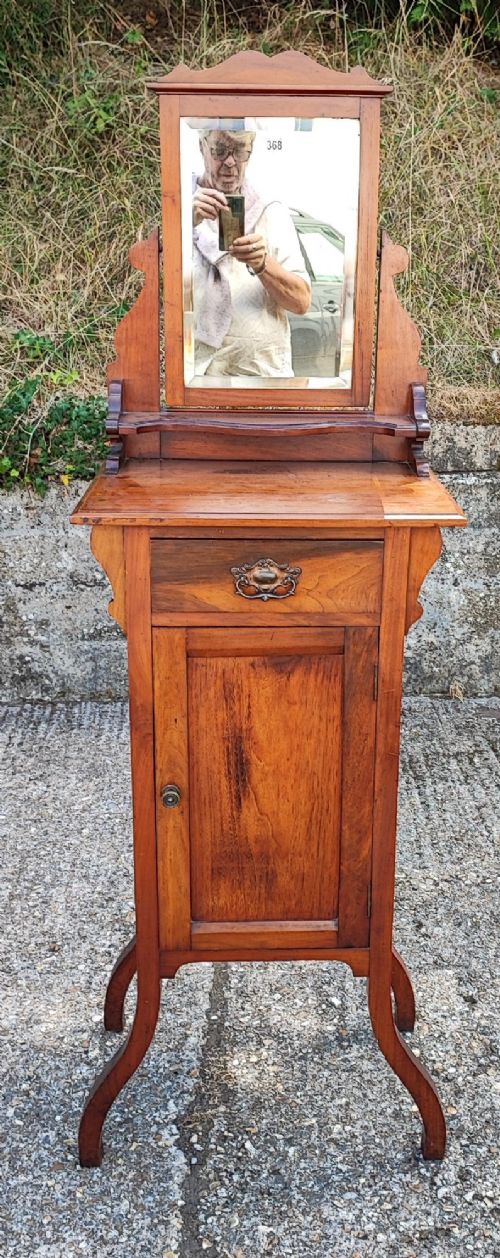
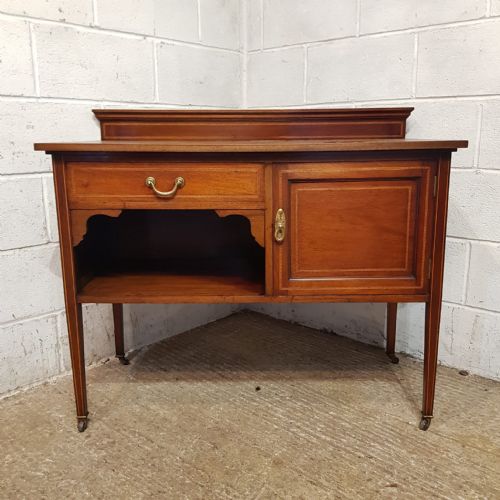
When you search for an edwardian bedroom vanity unit, you encounter dressing tables, washstands and dressing chests created across the late nineteenth and early twentieth centuries. The selection spans straightforward pine and oak furniture alongside polished mahogany and walnut examples finished with marquetry or crossbanding.
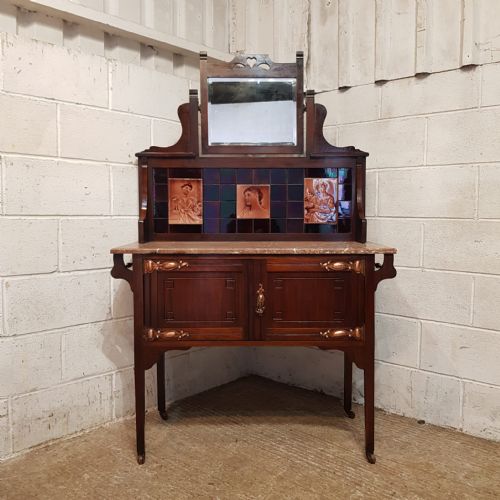
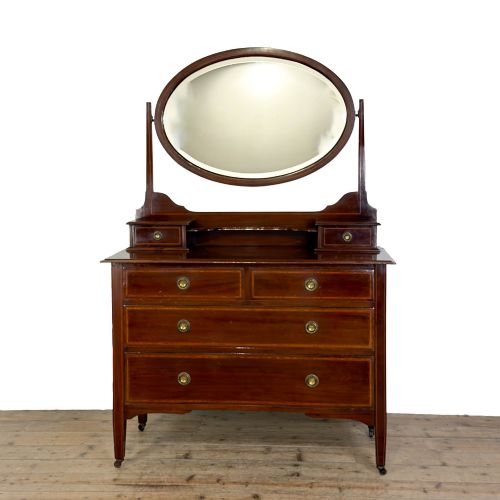
You meet Edwardian pieces alongside Victorian precursors and later variations reaching into the nineteen twenties. Dressing tables frequently feature pivoting mirrors supported by small trinket drawers, while washstands incorporate marble tops and ceramic tiles designed to withstand daily washing routines.
Materials and construction
Cabinet makers utilised dense hardwoods such as mahogany, walnut and satinwood, alongside sturdy oak and pine for everyday domestic use. Finer pieces display intricate marquetry inlay, contrasting crossbanding and applied brass handles that complement the timber grain.
Washstands incorporate functional materials including heavy marble slabs and glazed ceramic tiles to protect the wooden structures from water splashes. Mirrors utilise bevelled glass held within adjustable wooden frames supported by upright arms.
Listings feature mahogany, oak, walnut, satinwood, pine, marble, glass, brass and ceramic across multiple periods.
Assessing quality and craftsmanship
The distinction between standard utility furniture and superior pieces lies in the selection of timber veneers and the precision of the joinery. Cabinet makers who employed burr walnut or figured mahogany achieved striking visual depth on drawer fronts and mirror surrounds.
Proportion and decorative restraint separate refined examples from plainer domestic items. Pieces featuring crisp satinwood inlay, well-executed marquetry, or specialist ceramic tiles demonstrate greater workshop investment than unadorned pine or oak counterparts.
Harrods·Shapland and Petter·Maurice Adams·Edwards and Roberts·Harris Lebus·Maples
The Edwardian Bedroom Vanity Unit Glossary
- Crossbanding
- A narrow strip of veneer laid across the grain of the primary timber to form a decorative border around drawer fronts or table tops.
- Marquetry
- Elaborate patterns created by fitting different coloured wood veneers into a prepared background veneer.
- Duchess dressing table
- A grand nineteenth century dressing table style featuring a large central mirror flanked by small drawers and supported on curving legs.
- Pedestal dressing table
- A form where banks of small drawers support the main writing or grooming surface on either side of a central kneehole space.
- Sheraton Revival
- A late nineteenth and early twentieth century style drawing inspiration from eighteenth century neoclassical furniture designs with delicate legs and classical stringing.
Edwardian Bedroom Vanity Unit: Frequently Asked Questions
How do I identify an Edwardian piece?
Edwardian furniture typically displays lighter timbers, simpler proportions, and influences from Sheraton revival or Arts and Crafts styles. Makers frequently utilised mahogany, satinwood, and oak alongside inlaid stringing rather than heavy Victorian mouldings.
The presence of original bevelled glass mirrors and Edwardian registration marks or retailer labels helps confirm the manufacturing era.
Are marble tops original to these washstands?
Marble tops on washstands were fitted during production to provide a durable, waterproof surface for everyday washing tasks. They sit loosely or are secured with mortar directly onto the timber framing beneath.
Matching the marble thickness and stone colour to the specific period timber carcass indicates an undisturbed original assembly.
How should I care for polished mahogany and walnut surfaces?
Maintain polished hardwood surfaces by dusting with a dry, soft cloth and applying a quality beeswax periodically to nourish the timber grain. Avoid placing furniture in direct sunlight or near heat sources to prevent veneer lifting and timber splitting.
Keep marble tops clean using mild, non acidic soap and water to protect the polished stone from staining.