

Edwardian Bedroom Desk
An edwardian bedroom desk brings compact refinement to a dressing room or study, offering a neat writing surface shaped by the era's taste for satinwood, mahogany, and inlaid detail.
Edwardian Bedroom Desk
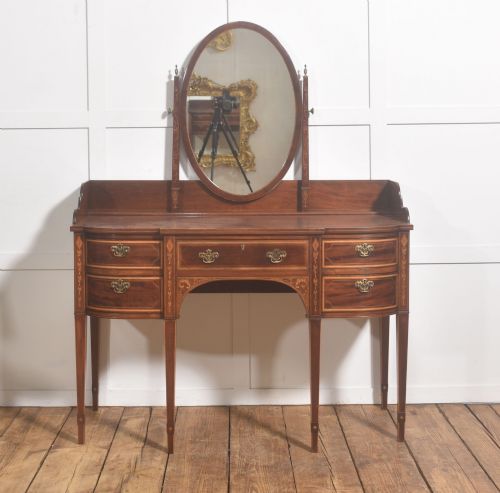
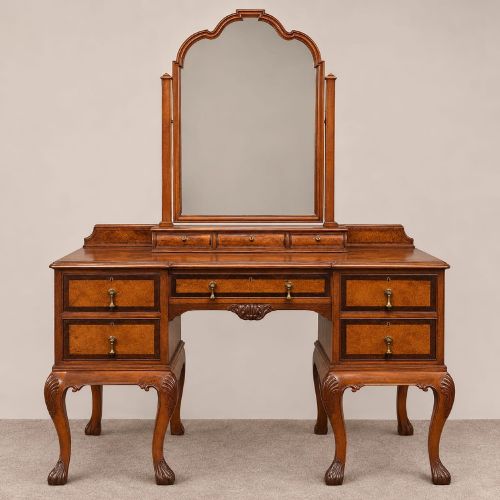
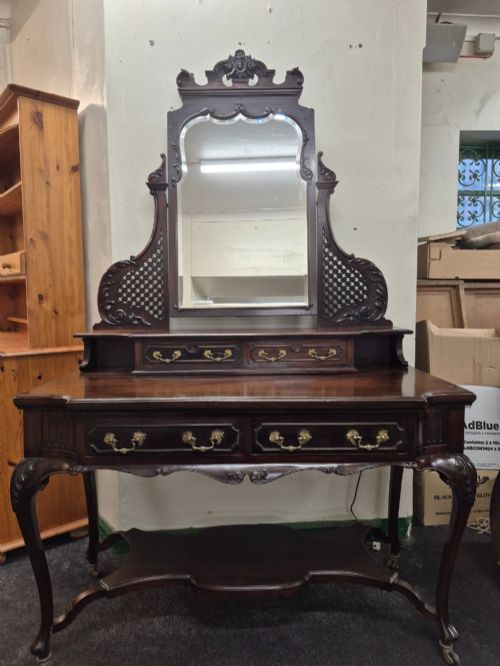
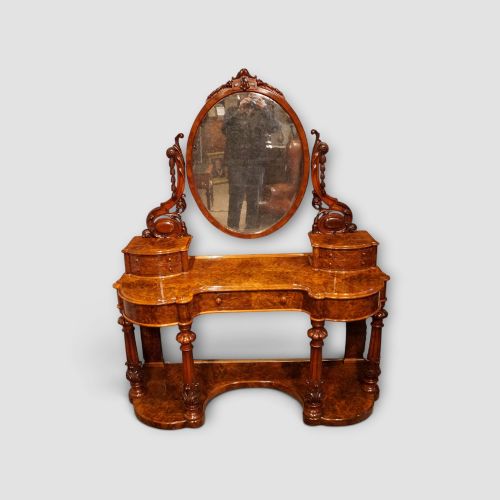
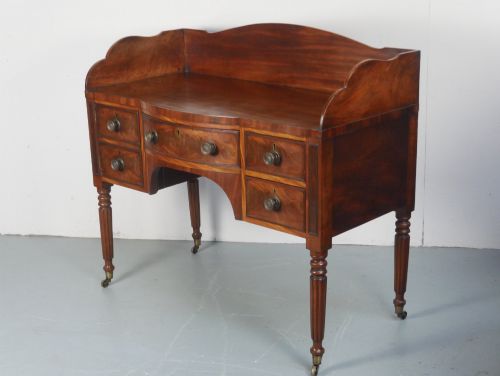
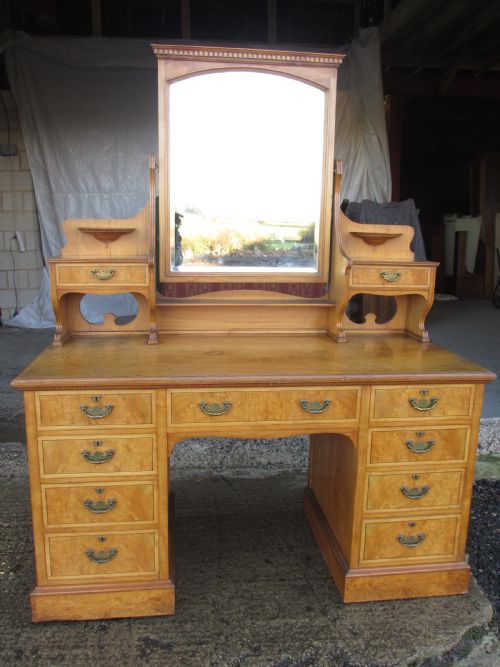
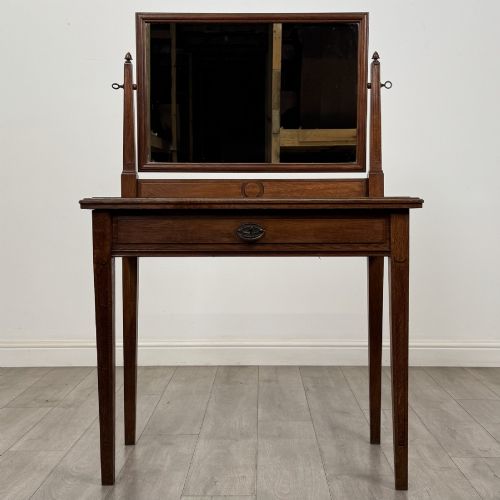
When you search for an edwardian bedroom desk, you encounter compact writing tables, serpentine writing desks, and bureau chest of drawers combinations designed for personal correspondence in the bedchamber. These pieces frequently share floor space with dressing tables, swing mirrors, and occasional chairs from the same period.
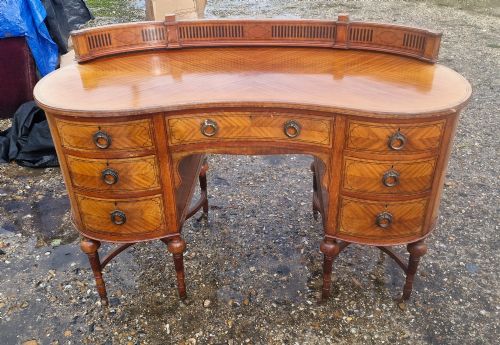
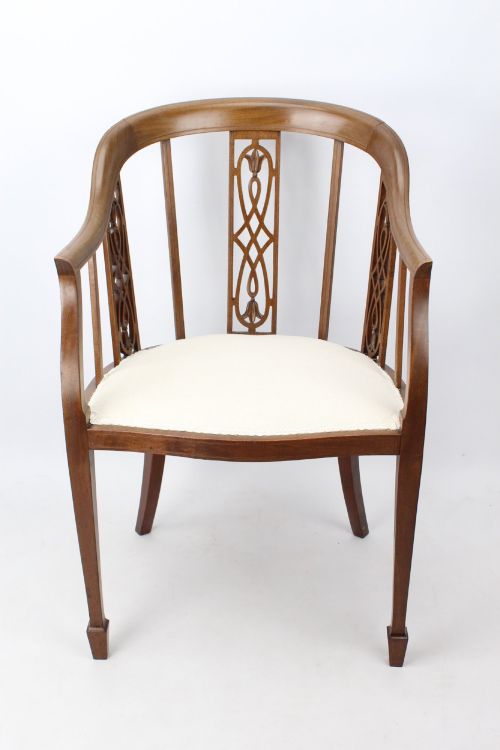
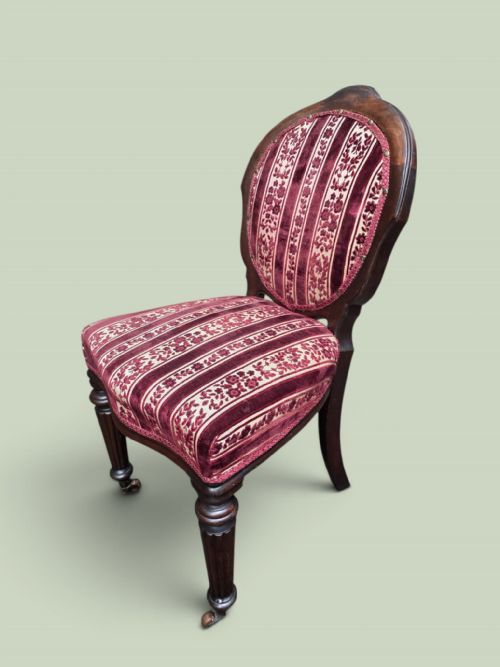
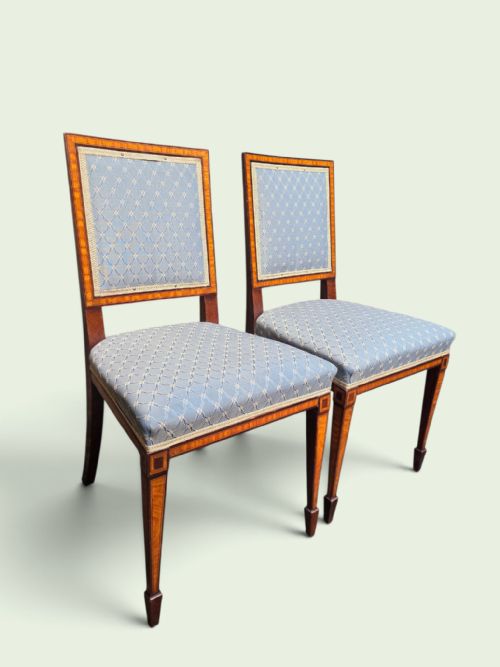
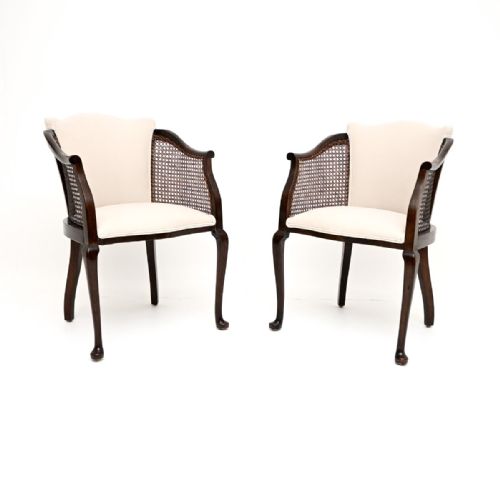
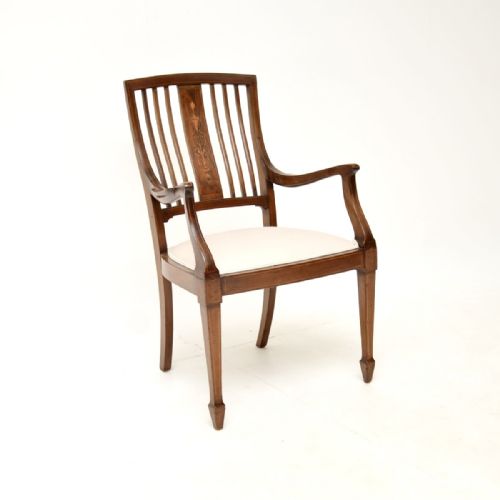
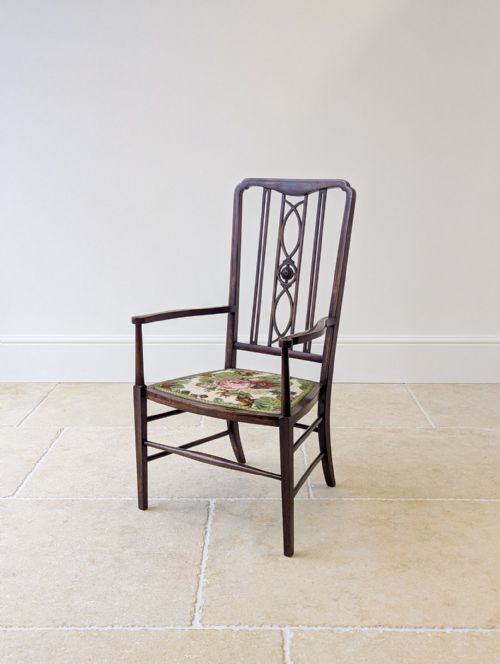
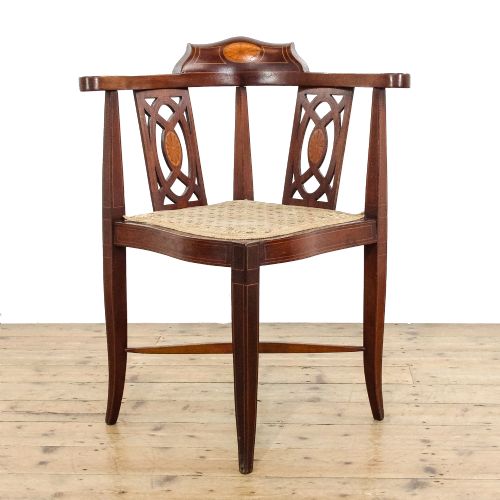
The most common forms seen here span kidney-shaped writing tables and inlaid mahogany desks alongside satinwood painted examples. Makers of the period often paired these desks with cane seat chairs, tub chairs, or upholstered elbow chairs to create a cohesive bedroom suite.
Materials and construction
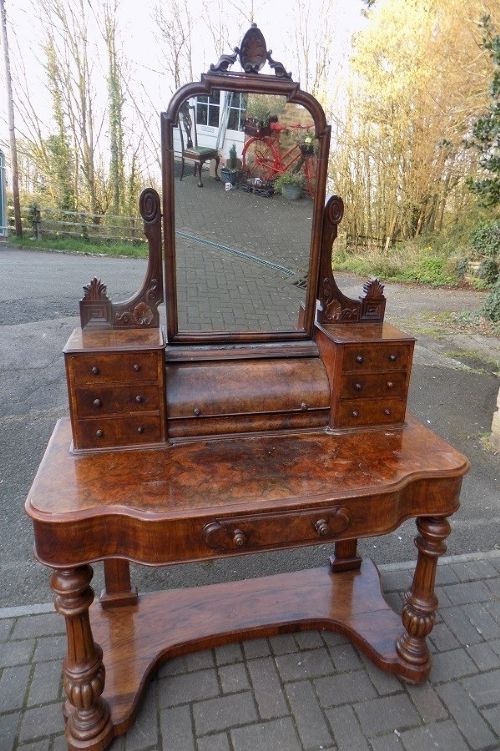
Cabinet makers relied primarily on solid mahogany and satinwood, frequently embellishing surfaces with delicate stringing, crossbanding, and marquetry inlays. Burr walnut also appears on larger dressing pieces, while secondary woods like oak and beech form the internal carcases and framing.
Edwardian Bedroom Desk Retail Price Guide 2026
Typical asking prices for edwardian bedroom desk among the pieces listed under this phrase on Sellingantiques today, from the lower quarter to the upper quarter. They describe what is for sale here now, not the wider market.
Materials span mahogany, satinwood, burr walnut, oak, brass, glass, fabric, and cane across desks, chairs, and dressing tables.
Judging quality and finish
The distinction between standard commercial items and finer work rests in the crispness of the inlay and the selection of timber veneers. Hand-painted satinwood panels and subtle serpentine shaping indicate higher workshop standards than plain rectilinear pine or beech alternatives.
Original hardware, intact mirror glass, and undamaged cane work elevate a piece significantly. Superior examples maintain crisp carving on chair backs and precise dovetailing in drawer construction without relying on modern replacement timbers.
maple and co·maples of London and Paris·Heals
The Edwardian Bedroom Desk Glossary
- Inlay
- A technique where contrasting woods or other materials are set into recesses flush with the surface to create decorative patterns. This method defines much of the ornamentation on Edwardian case furniture.
- Satinwood
- A durable, lustrous timber with a natural golden sheen utilised extensively for fine Edwardian and Sheraton revival furniture. It accepts painted decoration exceptionally well.
- Kidney-shaped
- Describing a curved, kidney contour favoured for writing desks and dressing tables of the period to fit comfortably against the user.
- Serpentine
- A curved front edge featuring a convex centre flanked by concave wings. This graceful contour requires advanced carpentry to execute cleanly on drawer fronts.
- Bureau
- A slant-front desk enclosing small pigeonholes and drawers above a chest of drawers. Edwardian versions combine storage with a dedicated writing flap.
Edwardian Bedroom Desk: Frequently Asked Questions
What is an edwardian bedroom desk?
An edwardian bedroom desk is a compact writing table designed specifically for domestic use in a private chamber rather than a formal library. These pieces prioritise modest proportions and decorative inlays over heavy architectural presence.
They serve as practical writing surfaces for letters and journals, frequently accompanied by matching dressing chests, swing mirrors, and occasional chairs.
How do I style one at home?
Position your desk near a natural light source, such as a bedroom window, to make the most of the satinwood or mahogany grain. Pair it with a period cane-back chair or a low upholstered armchair to maintain correct proportions.
Keep surface accessories minimal to showcase the wood veneers and delicate stringing characteristic of the Edwardian era.
Are these desks suitable for daily work?
These pieces were originally built for correspondence and light administrative tasks rather than heavy modern office equipment. Their shallower depth and smaller drawer capacity mean they suit laptops and notebooks better than bulky desktop computer setups.
Ensure you check the kneehole height and overall dimensions against your seating requirements before committing to daily workspace use.
How do I distinguish Edwardian from Victorian furniture?
Edwardian pieces generally exhibit lighter proportions, brighter wood tones like satinwood, and restrained neoclassical inlays compared to the heavier, darker mahogany and walnut typical of high Victorian design. Stylistic revivals in the Edwardian era favoured airier, more delicate forms.
While late Victorian furniture shares some transitional overlaps, Edwardian examples lean toward painted finishes, satinwood highlights, and simplified Sheraton revival shapes.