




Edwardian Bathroom Furniture
Edwardian bathroom furniture brings domestic utility into fine focus, offering solid timber frames, cool marble surfaces and polished brass fittings that suit a period interior.
Edwardian Bathroom Furniture
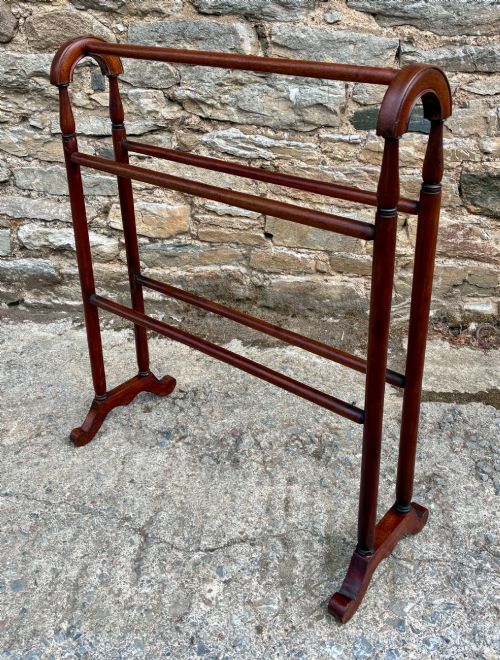
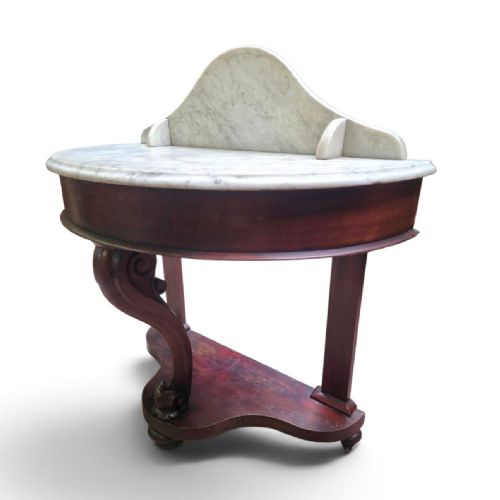
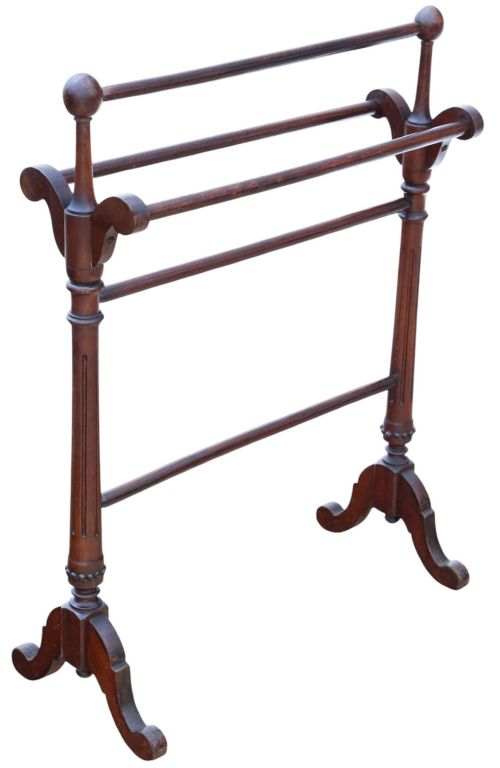
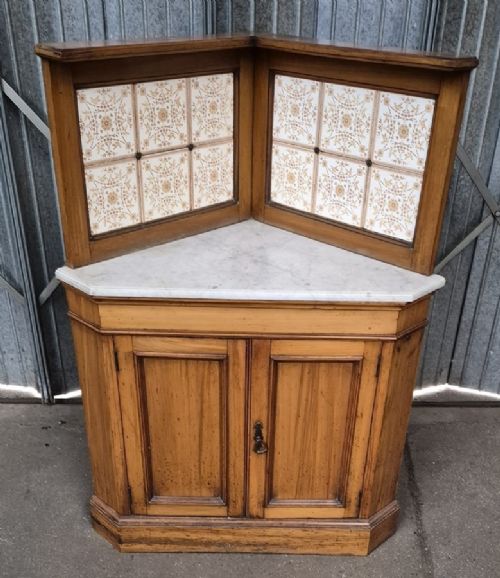
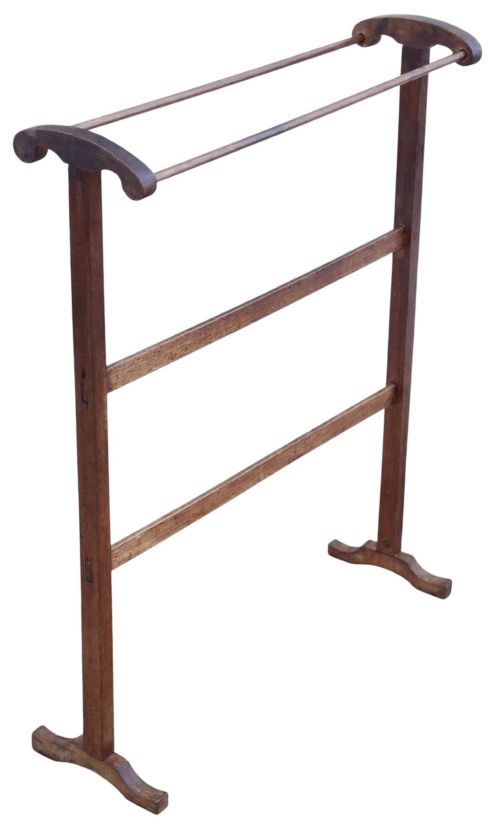
When you search for Edwardian bathroom furniture, you are looking at utilitarian bedroom and washing pieces that served personal hygiene before plumbing became standard inside every sleeping chamber. The selection here leans heavily towards washstands, standing towel rails and wall cabinets designed to withstand daily use.
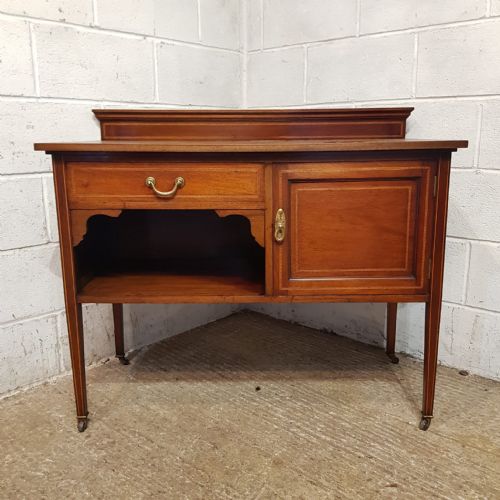
The versions you will most frequently encounter combine marble tops with mahogany, walnut, oak or painted pine frames. These items bridge late nineteenth-century practicality and early twentieth-century domestic refinement.
Materials and construction
Makers utilised dense hardwoods like mahogany and walnut alongside robust structural timbers such as oak, pine and satinwood. Many pieces feature turned supports, panelled doors and inlaid details reflecting Sheraton Revival or Arts and Crafts tastes.
Marble slabs provide water-resistant surfaces for washing units, paired with ceramic basins and brass hardware. Glass also appears in smaller hanging cabinets and shaving mirrors.
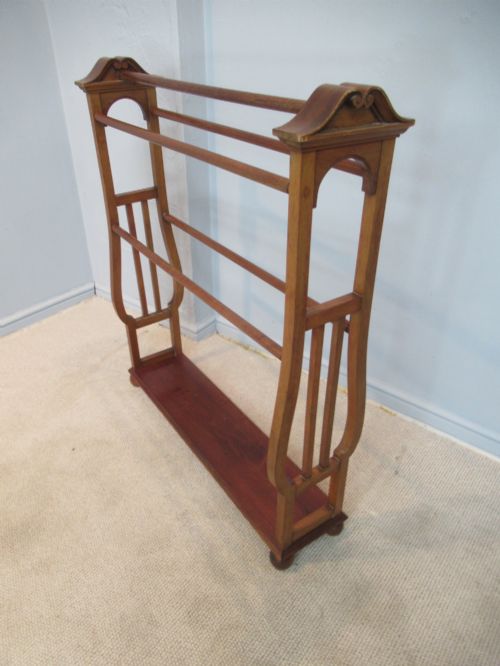
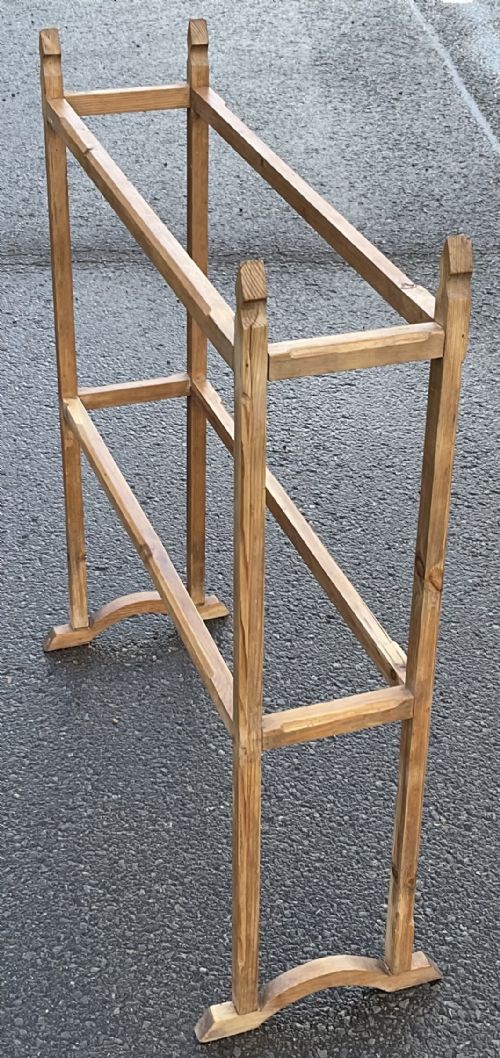
Several towel rails offer five distinct bars, proving that Victorian and Edwardian laundry logistics were surprisingly serious business.
Judging quality and proportion
The distinction between standard utility items and finer pieces rests on timber selection and decorative restraint. Finer examples incorporate matched mahogany veneers, satinwood inlay and thick, figured marble tops rather than plain pine or unadorned surfaces.
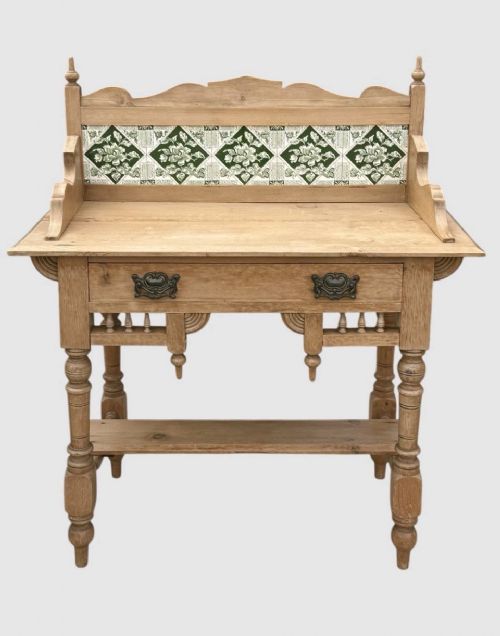
Joinery execution and original hardware preservation dictate the standing of a piece. Well-turned rails, integrated tile backs and intact ceramic fittings elevate simple washing furniture into accomplished cabinetwork.
Walker & Sons·Gillows
The Edwardian Bathroom Furniture Glossary
- Washstand
- A freestanding piece of furniture designed to hold a basin, pitcher and washing accessories. They frequently incorporate marble tops and tile splashbacks.
- Towel rail
- A wooden frame with horizontal bars for drying and airing linens. These range from simple freestanding pine stands to multi-bar mahogany designs.
- Aesthetic Movement
- A late nineteenth-century design style focusing on visual beauty rather than narrative or moral function. It appears in furniture through simplified forms and artistic detailing.
- Arts and Crafts
- A design movement valuing traditional craftsmanship and honest construction. Pieces in this style often display simple lines and visible joinery.
- Sheraton Revival
- A late nineteenth-century revival of eighteenth-century neoclassical furniture styles. It often includes satinwood inlay and slender proportions.
Edwardian Bathroom Furniture: Frequently Asked Questions
Can I use an antique washstand as a modern basin vanity?
Many buyers adapt these wooden frames to house modern plumbing by cutting discrete channels through the interior shelving and backboards. The sturdy timber construction accommodates contemporary fixtures.
Ensure that any marble top is properly sealed around the basin cutout to prevent moisture damage to the underlying wood.
How do I distinguish Edwardian from Victorian bathroom furniture?
Edwardian pieces generally exhibit lighter proportions, simplified lines and a preference for inlaid satinwood or cleaner mahogany frames. Victorian items tend to be heavier, with darker finishes and more ornate carving.
Both periods overlap in practical forms like marble-topped washstands, making timber treatment and decorative style the main indicators.
Were towel rails used only in bathrooms?
These freestanding wooden frames originated in bedrooms and dressing rooms before dedicated bathrooms became common. They stood near washing stands or hearths to warm linens.
Today, they adapt easily to modern bathrooms or utility rooms for hanging towels and textiles.