



Edwardian Art Print
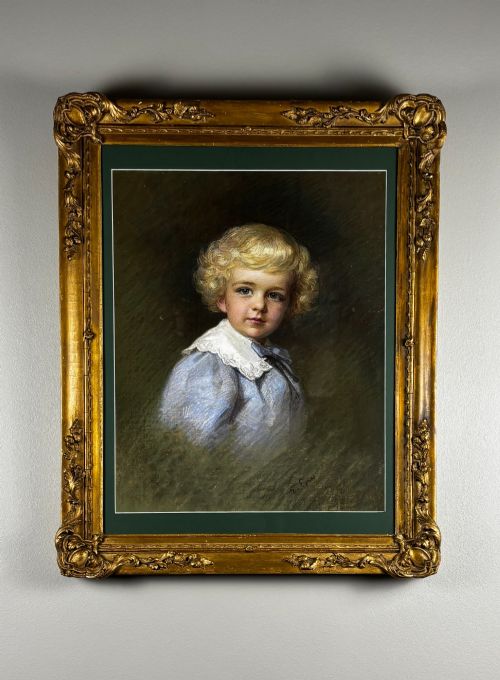
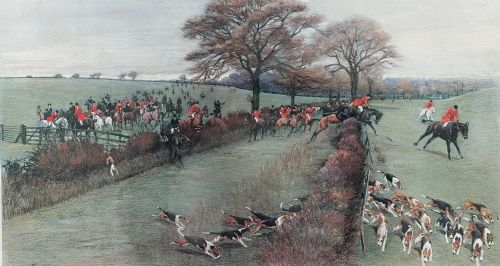
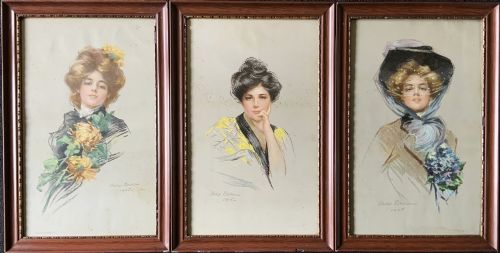
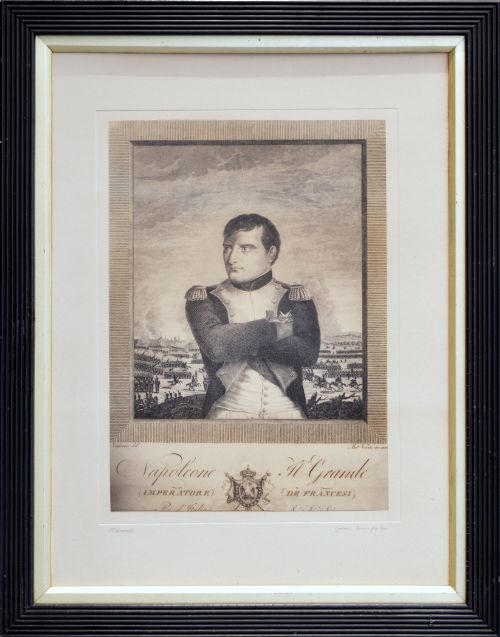
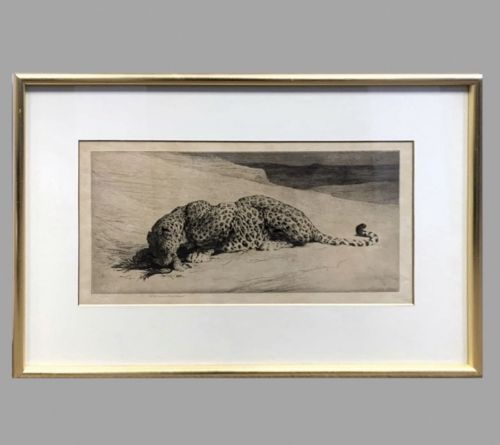
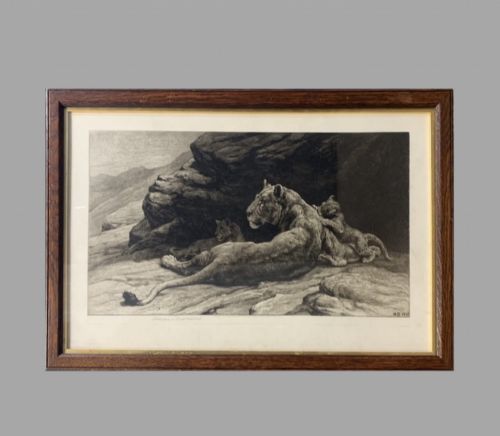
When you search for an edwardian art print, you encounter framed portraits, animal etchings, and delicate illustrations from the early twentieth century.
Edwardian Art Print
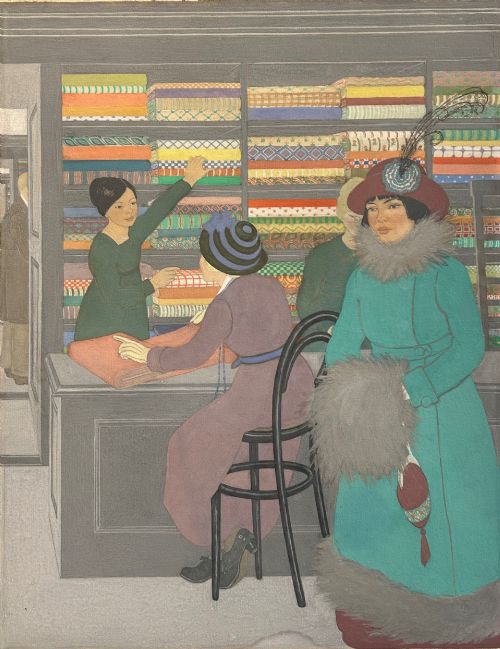
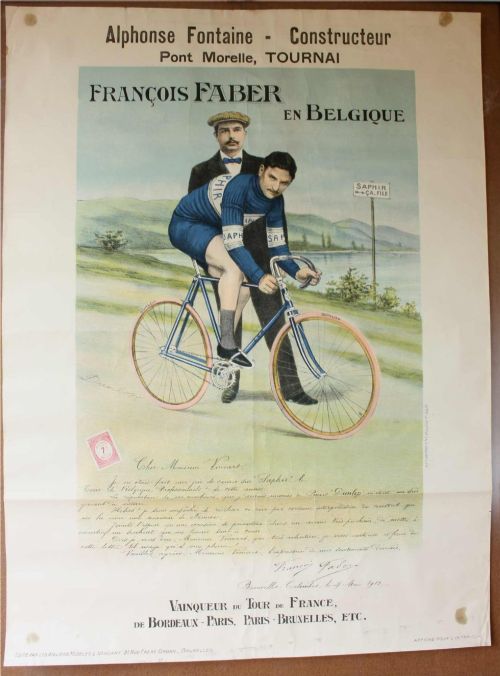
An edwardian art print encompasses framed illustrations, portrait plates, and signed artist proof etchings originating from the early decades of the twentieth century. These works capture the illustrative tastes of the period, ranging from decorative wall prints to fairy tale book illustrations.
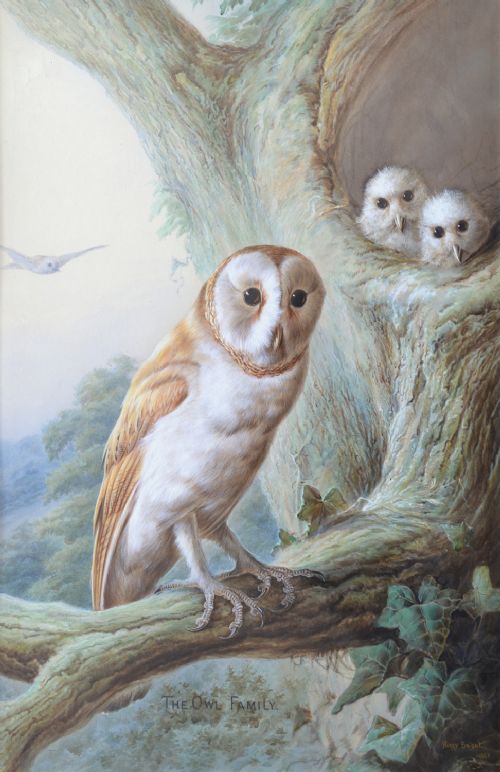
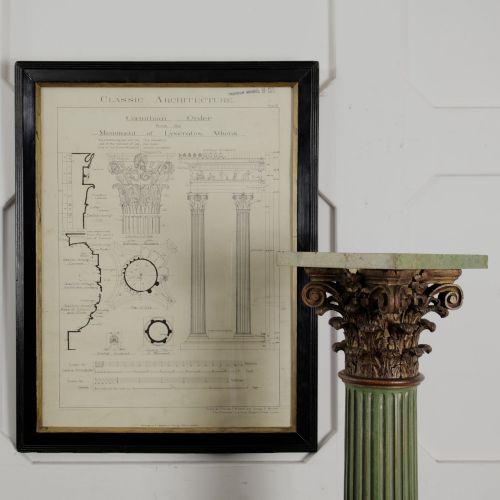
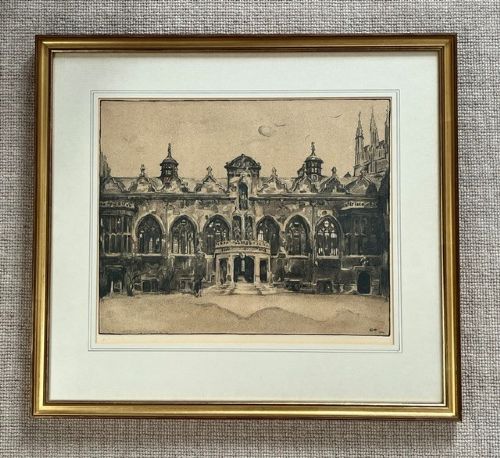
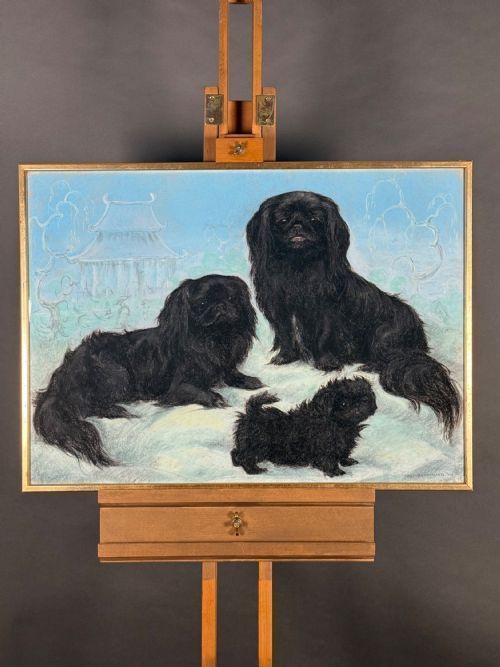
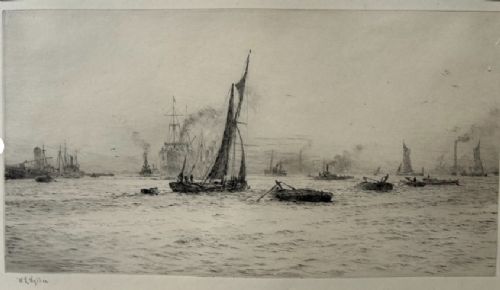
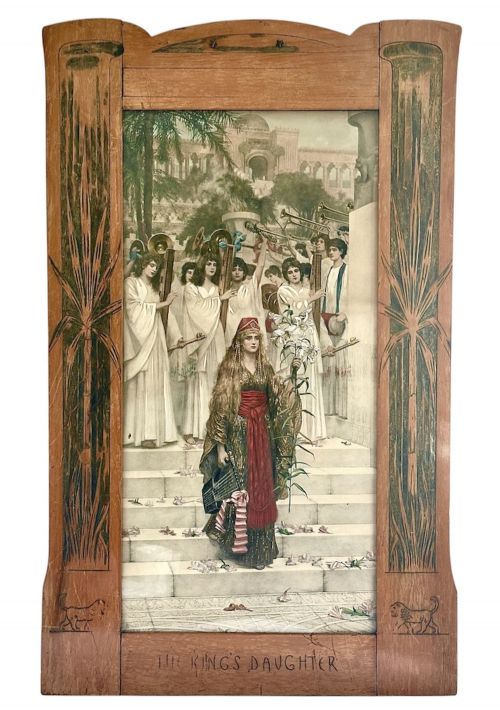
You are most likely to meet prints featuring portraits of ladies, animal studies, and architectural plates housed within their original wooden frames. The selection includes works produced by established printmakers utilising various reproductive methods of the era.
How they were made
The pieces rely on traditional paper, ink, and card substrates, often enhanced with hand-applied watercolours or presented as etchings on vellum. Printmakers utilised techniques such as lithography, photogravure, and mezzotint engraving to transfer detailed imagery from original paintings.
Framing materials commonly consist of oak and giltwood, paired with protective glass to preserve the delicate surfaces of the paper beneath. These protective housings reflect the standard mounting methods used to display graphic works during the period.
Edwardian Art Print Retail Price Guide 2026
Typical asking prices for edwardian art print among the pieces listed under this phrase on Sellingantiques today, from the lower quarter to the upper quarter. They describe what is for sale here now, not the wider market.
The inventory includes natural history subjects, architectural plates, and portraiture housed in period oak and giltwood frames.
What varies in quality
Quality rests upon the clarity of the impression and the presence of original artist signatures or limited edition markings. Proof impressions pulled directly under the supervision of the artist typically display sharper contrasts and finer detail than commercial reproductions.
The integrity of the framing materials and the preservation of the paper support further differentiate the works. Examples retaining their period oak frames and clean, unmarked margins command greater attention from collectors.
Philip Boileau·Sir William Nicholson·William Lionel Wyllie·Herbert Dicksee·Herbert Gustave Schmaltz·George Rankin·John Alfred Wheeler·Sydney Wilson·Charles Edward Wilson·Warwick Goble
The Edwardian Art Print Glossary
- Etching
- A printmaking technique where lines are bitten into a metal plate with acid before ink is applied and transferred to paper. This method allows for fine, expressive detail.
- Artist proof
- A trial print pulled off the plate before the main edition is printed, usually signed by the artist. These carry special significance for collectors.
- Photogravure
- A photographic image printed from an etched copper plate, capable of rendering subtle tonal gradations. It was widely used for reproducing fine art in the early twentieth century.
- Lithography
- A planographic printing process based on the antipathy of oil and water, used extensively for illustrative posters and plates. It enables smooth colour transitions.
- Vellum
- A fine parchment made from calfskin, sometimes used as a durable and smooth surface for premium print editions. Etchings on vellum yield a distinct texture.
Edwardian Art Print: Frequently Asked Questions
How do I identify a true period print?
Examine the paper quality, printing technique, and framing methods to assess whether they match early twentieth-century standards. Look for plate marks and ink characteristics typical of historical reproduction processes.
Check for signatures or publisher stamps that confirm the era of production. Period mounts and framing often provide additional contextual clues.
How should I display these prints at home?
Hang them away from direct sunlight to prevent the ink and paper from fading over time. Maintain stable indoor humidity levels to protect both the artwork and its original wooden frame.
Ensure the glass does not press directly against the paper surface to allow the material to breathe. Proper placement preserves the delicate balance of the composition.
What is the difference between an etching and a lithograph?
An etching involves incised lines on a metal plate that hold ink to create textured, raised lines on paper. A lithograph relies on a flat chemical surface to transfer smooth illustrations and tonal areas.
Etchings often feature visible plate marks around the image edges. Lithographs generally display a more uniform integration of ink across the sheet.
Are these works always signed by the artist?
Many fine art prints from this period feature pencil signatures from the artist or engraver in the lower margin. These signed examples represent limited artist proofs intended for select distribution.
Other decorative wall prints were produced in commercial quantities without individual artist signatures. Both types reflect the diverse output of the era.