




Edwardian Art Piece
These pieces gathered under edwardian art piece span paintings in oil and watercolour alongside furniture and glass, offering a tangible connection to early twentieth-century design.
Edwardian Art Piece
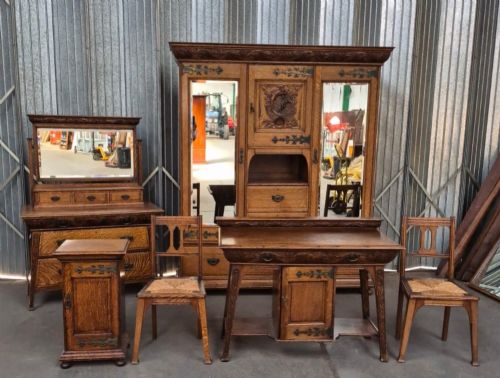
When searching for an edwardian art piece, buyers encounter a diverse selection of fine art paintings, decorative glass, and substantial oak bedroom and salon suites. The offerings range from maritime watercolours and sporting oils to Arts and Crafts furnishings produced around the turn of the twentieth century.
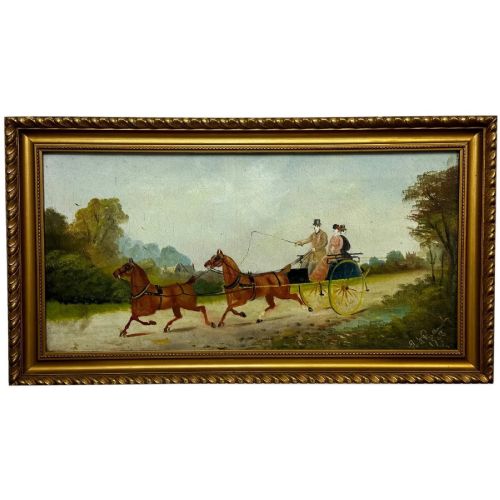
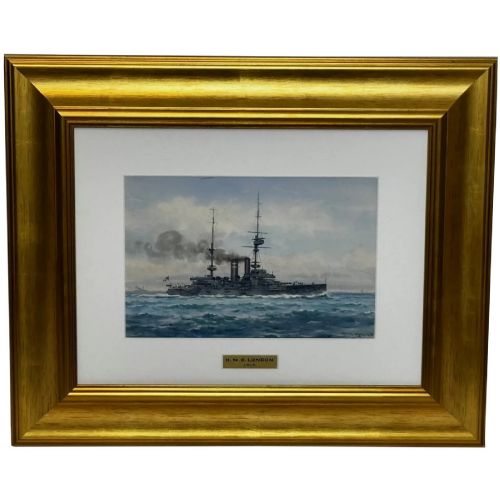
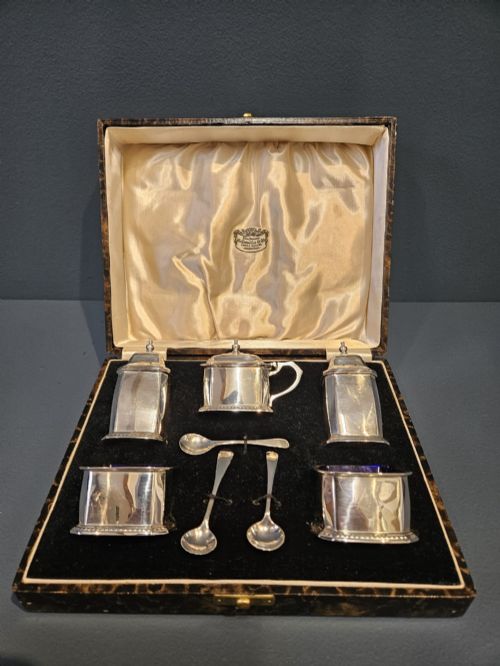
Framed watercolours and oil paintings on canvas form a significant portion of these works, depicting subjects from coastal scenes and pastoral landscapes to animal portraits. These visual pieces sit alongside functional wooden furniture suites and household silver, representing the broader aesthetic output of the period.
The selection frequently highlights Arts and Crafts ideals through golden oak furniture, alongside maritime and sporting subjects rooted in Edwardian tastes. Buyers will also find items stretching from nineteenth-century origins into later twentieth-century interpretations.
How they were made
Paintings utilise oil and watercolour pigments applied to canvas or paper, often housed within gilt wood frames. These pigment works capture fine detail in canine portraits, harbour views, and historical maritime scenes.
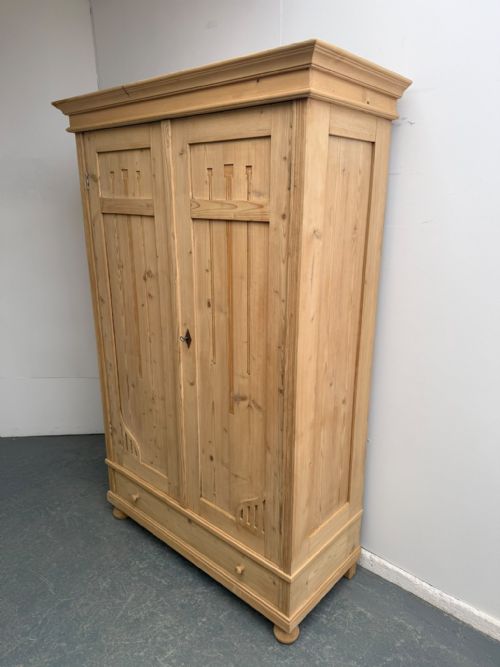
Wooden items, particularly oak and ash, are constructed as large bedroom suites, towel rail stands, and apprentice pieces. These wooden forms demonstrate period cabinet-making techniques through substantial construction and grain preservation.
Edwardian Art Piece Retail Price Guide 2026
Typical asking prices for edwardian art piece among the pieces listed under this phrase on Sellingantiques today, from the lower quarter to the upper quarter. They describe what is for sale here now, not the wider market.
Materials represented in the current selection include oil on canvas, watercolour pigment, oak, glass, and iron.
What varies in quality
The standard of fine art paintings depends upon the handling of pigment, the expressiveness of the subject matter, and the condition of the original canvas or paper support. Works by documented artists carry distinct execution that separates them from standard decorative examples.
Furniture quality rests upon the choice of timber, such as golden oak or ash, and the integrity of the joinery across large suites and smaller stands. The presence of original hardware and the preservation of the wood surface define the standing of each piece.
Philip H Rideout·Frank Watson Wood·Philip Richard Morris·Raoul Millais·Frederick Stuart Richardson·Lester Sutcliffe
The Edwardian Art Piece Glossary
- Watercolour Pigment
- A colourant suspended in a water-soluble vehicle, applied to paper to create translucent washes and fine illustrative detail. This medium was widely utilised by period artists for maritime and landscape scenes.
- Arts and Crafts
- A design movement valuing handcraftsmanship, simple forms, and traditional materials over mass production. This style is frequently represented in the listed oak furniture and architectural elements.
- Oil on Canvas
- Pigment bound in an oil medium and painted upon a stretched canvas support. This technique provides rich colour depth and durability for portraits and expansive landscapes.
- Carnival Glass
- Moulded or pressed glass treated with a metallic salt spray to give an iridescent sheen. This decorative material appears in domestic groupings from the early decades of the twentieth century.
Edwardian Art Piece: Frequently Asked Questions
What defines an edwardian art piece?
These items encompass oil and watercolour paintings, decorative glass, and wooden furniture created around the early twentieth century. They reflect the prevalent artistic movements and domestic crafts of the era.
The selection bridges fine art works depicting animals and coastal views with substantial oak furniture suites designed for domestic interiors.
How should I care for these paintings?
Paintings on canvas and paper require protection from direct sunlight and stable indoor humidity levels to preserve the pigments and supports. Keeping framed works away from moisture prevents degradation of the paper and gilt wood frames.
Regular gentle dusting with a soft, dry cloth helps maintain the surface without disturbing the original medium.
How do I identify Arts and Crafts pieces?
Arts and Crafts items are distinguished by their use of solid oak, visible construction methods, and a focus on utility combined with honest design. These pieces often feature minimal ornamentation that lets the natural grain of the timber take prominence.
Wardrobes, towel rails, and window seats from this movement show sturdy joinery typical of the late nineteenth and early twentieth centuries.