

Edwardian Art Pair
When searching for an edwardian art pair, buyers find matching pairs of decorative objects and furniture spanning the turn of the twentieth century.
Edwardian Art Pair
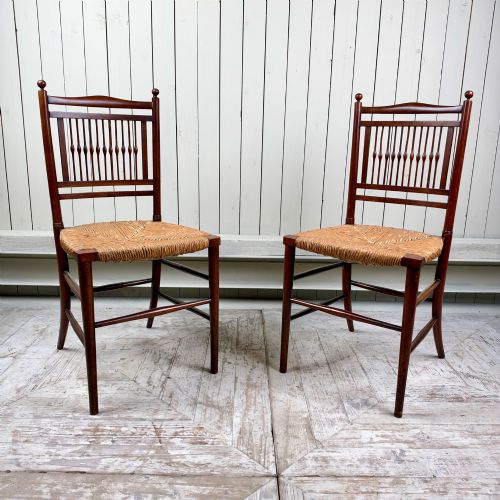
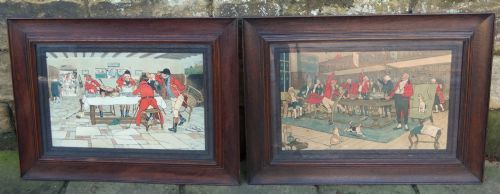
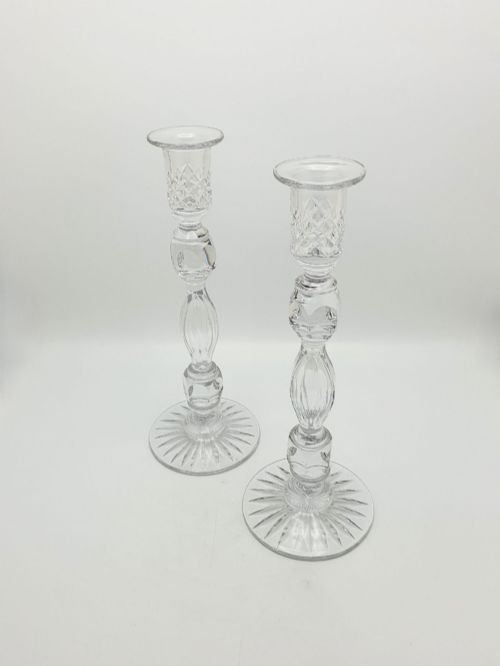
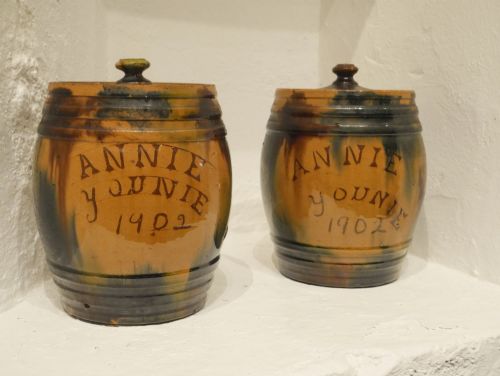
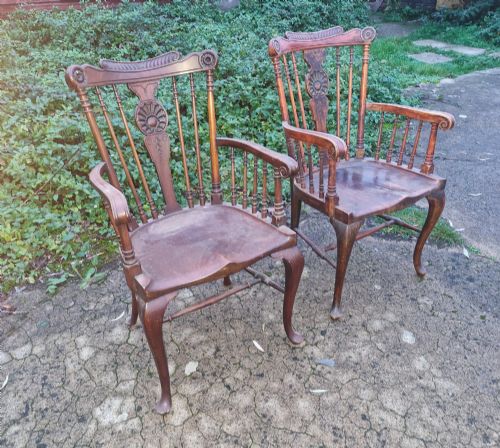
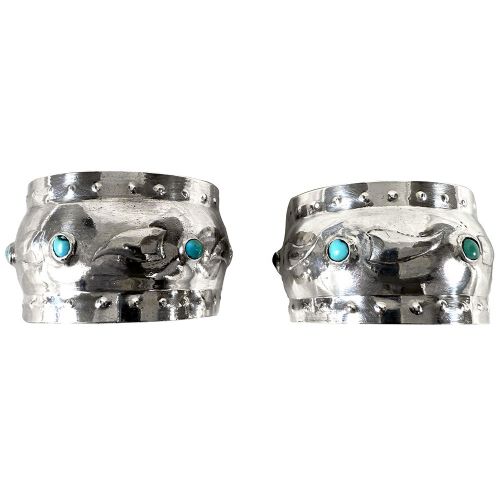
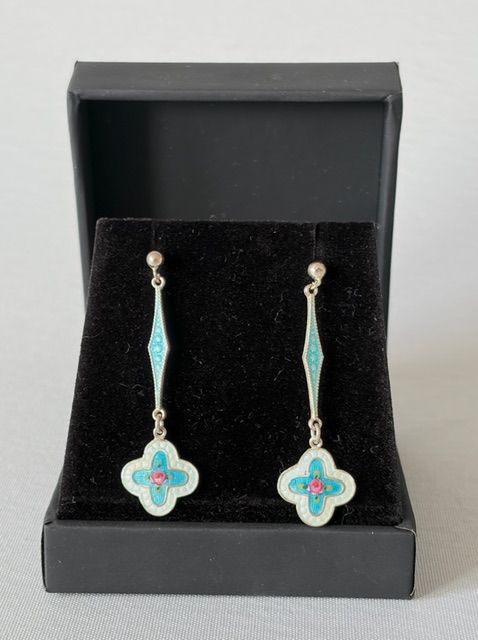
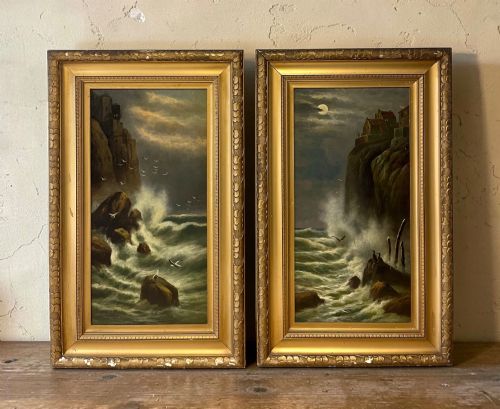
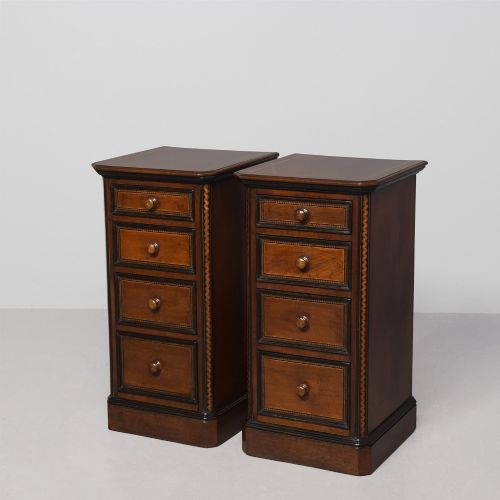
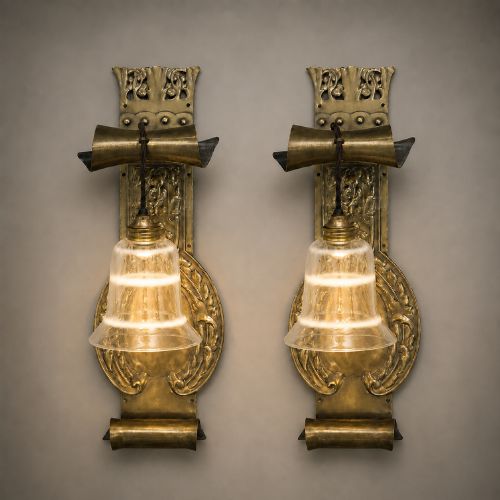
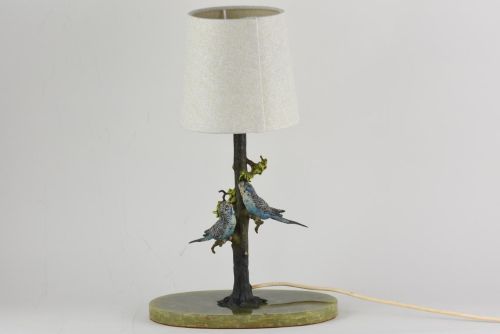
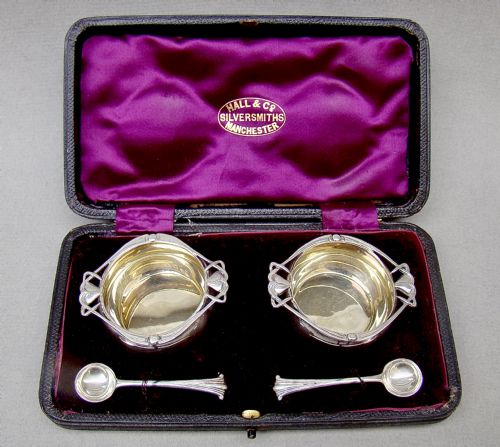
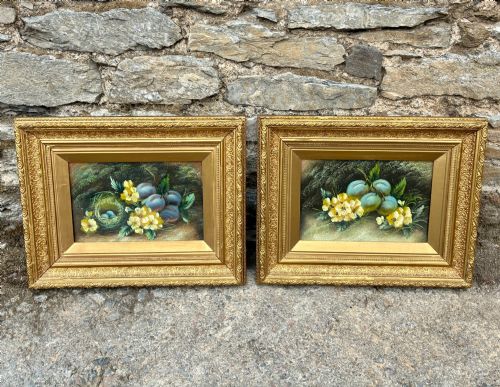
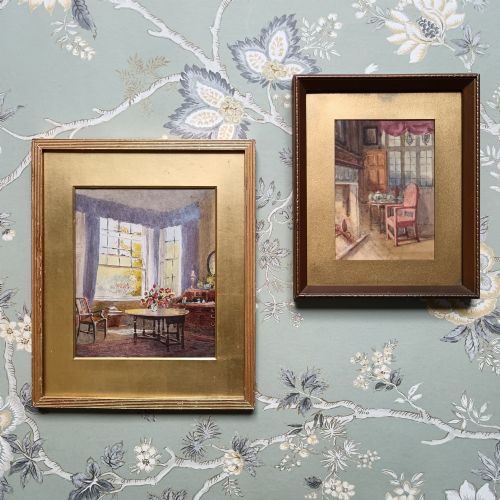
An edwardian art pair brings together matching decorative items, furniture, and paintings created during the early twentieth century and surrounding decades. These matching sets range from functional bedside cabinets and armchairs to decorative stoneware vases, brass candlesticks, and watercolor paintings.
Buyers most frequently encounter dual items influenced by the Arts and Crafts and Art Nouveau movements, alongside practical household furniture from the Edwardian period. The selection includes paired lighting, seating, and ceramics designed to be displayed together in domestic spaces.
Materials and construction
Makers utilised traditional timbers such as oak, ash, and pine alongside durable metals including brass, copper, pewter, and wrought iron. Wood pieces often feature waxed or limed finishes, while metal items utilise casting, hammering, and plating techniques.
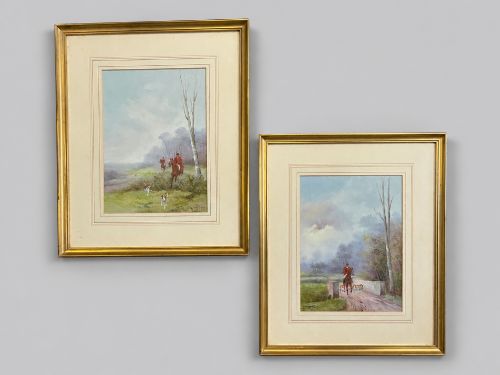
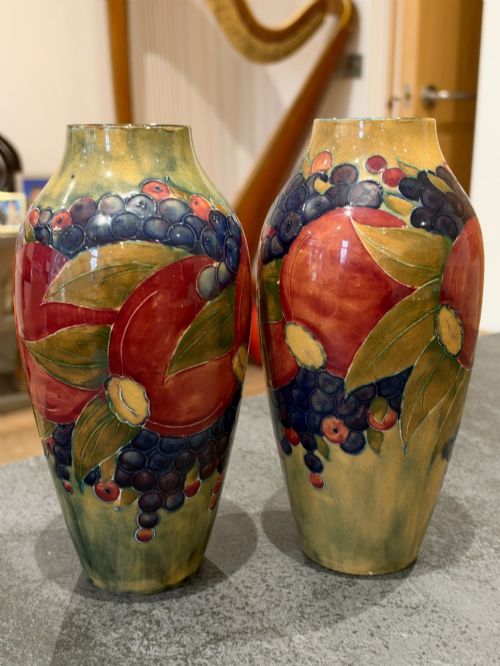
Ceramic items and vases employ stoneware, glazed earthenware, and pottery techniques decorated with floral or leaf patterns. Paper and canvas serve as the mediums for paired watercolours, oil paintings, and pastel portraits framed in wood or leather.
Edwardian Art Pair Retail Price Guide 2026
Typical asking prices for edwardian art pair among the pieces listed under this phrase on Sellingantiques today, from the lower quarter to the upper quarter. They describe what is for sale here now, not the wider market.
Materials represented across the inventory include wood, brass, oak, glaze, paper, glass, stoneware, and ceramic.
What determines quality
Quality rests in the precision of the craftsmanship, the integrity of the materials, and the distinctiveness of the artistic design. Hand-wrought metalwork, marked studio pottery, and signed paintings demonstrate higher levels of execution.
The degree of matching between the two items determines the cohesion of the set. Original finishes, maker marks, and well-preserved surfaces elevate the standing of the pieces.
Thonet·Josiah Williams and Co·Archibald Knox for Liberty and Co·Royal Doulton·Emily Eyres·W.A.S. Benson·R Lalique·George Rankin·Walter Slater
The Edwardian Art Pair Glossary
- Arts and Crafts
- A design movement prioritising traditional craftsmanship, simple forms, and visible construction methods. It heavily influenced furniture and metalwork around the turn of the twentieth century.
- Art Nouveau
- An international style characterised by organic lines, flowing plant motifs, and stylised natural forms. It appears frequently on metal candlesticks, glass, and ceramics from this era.
- Stoneware
- A robust, dense type of pottery fired at high temperatures until vitrified. Royal Doulton utilised this material extensively for decorated vases and lamps.
- Andirons
- Supporting metal bars placed in a fireplace to hold logs. Wrought iron examples from the early twentieth century often match in pairs.
- Watercolour
- A painting method where fine pigment is suspended in water-based solution. Paired examples from the Edwardian period frequently depict landscapes or seascapes.
Edwardian Art Pair: Frequently Asked Questions
What defines an edwardian art pair?
An edwardian art pair consists of two matching objects made around the early twentieth century, sharing design styles like Art Nouveau or Arts and Crafts.
These paired items include furniture, paintings, and decorative ceramics intended to match within a room.
How were these pairs used originally?
Many pairs served functional domestic roles, such as bedside cabinets, armchairs, candlesticks, or wall lights placed symmetrically in a home.
Others functioned purely as decorative art, including paired vases, oil paintings, and watercolours hung or displayed together.
How should I live with these pieces?
Displaying matching pairs together on mantelpieces, walls, or flanking furniture preserves their original visual balance and symmetry.
Regular care suited to the specific material, such as waxing wood or dusting metalwork, helps maintain their condition.
How do I tell periods apart?
Victorian pieces often display heavier ornamentation and darker finishes, whereas Edwardian and early twentieth-century designs frequently lean towards lighter woods or cleaner Arts and Crafts lines.
Art Nouveau and Art Deco markers, material choices, and maker signatures help confirm the specific era of production.