

Edwardian Art Painting
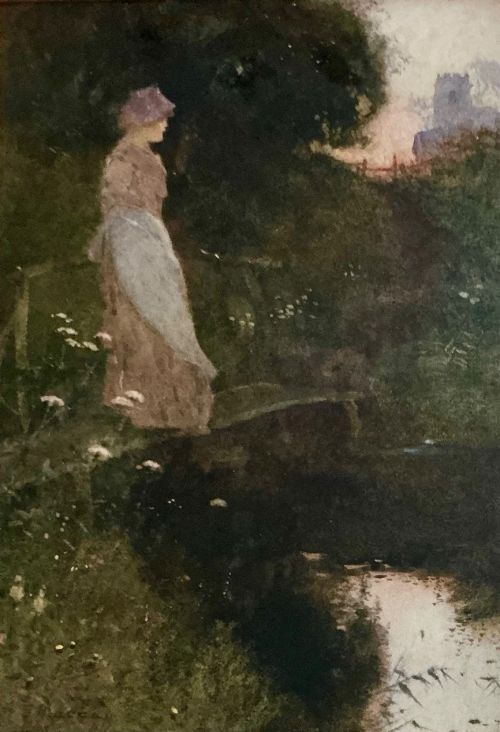
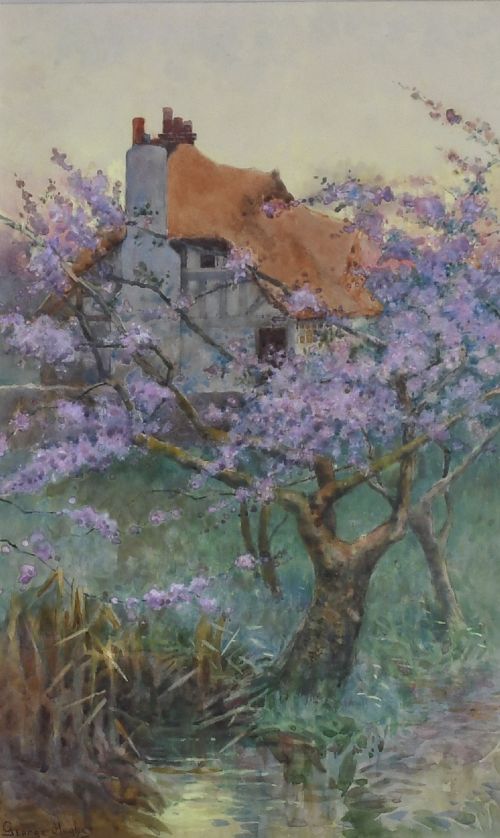
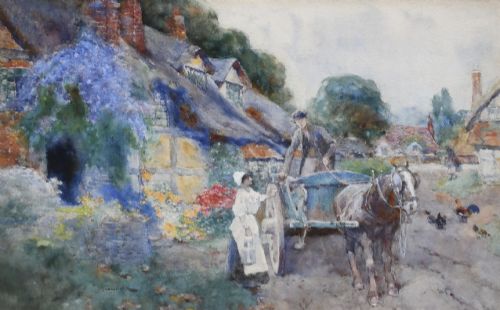
When you search for edwardian art painting, you step into an era defined by accomplished portraiture, delicate watercolours, and pastoral oils.
Edwardian Art Painting
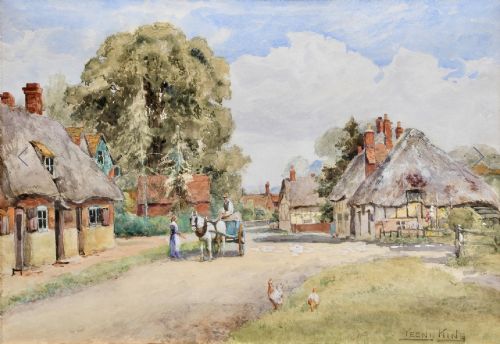
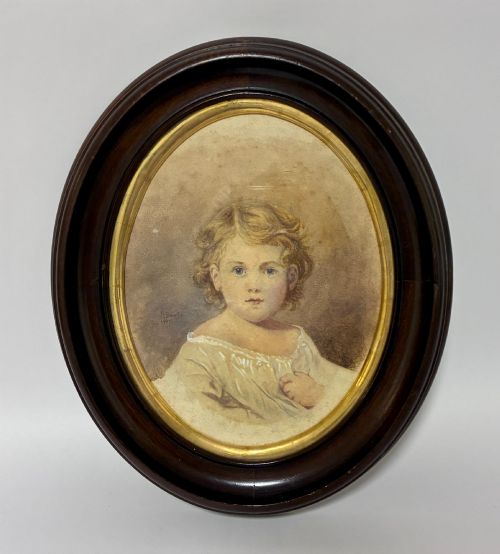
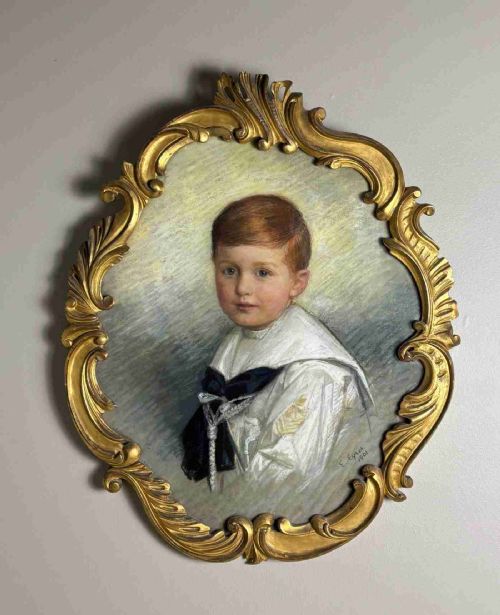
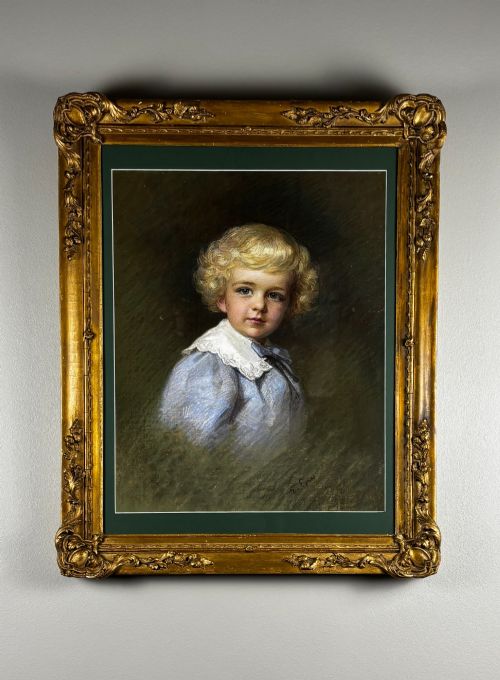
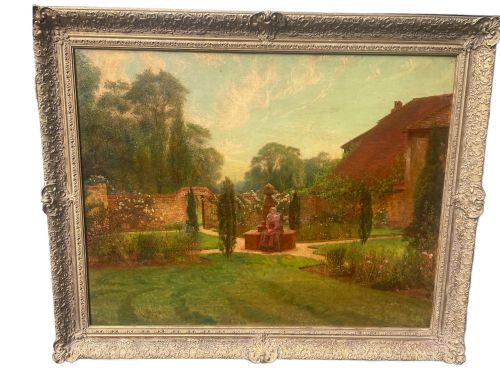
When searching for an edwardian art painting, buyers encounter works spanning portrait miniatures, landscapes, and rural scenes created during the early twentieth century. The period embraces both formal academic traditions and the lighter, atmospheric touches of British Impressionism and the Arts and Crafts movement.
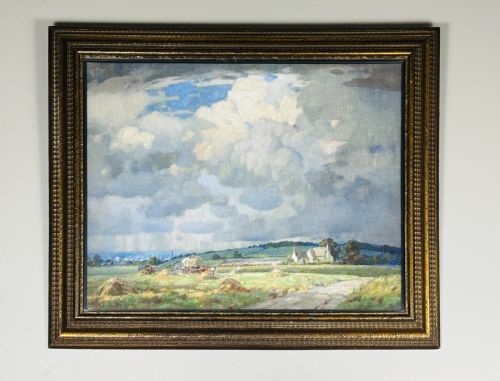
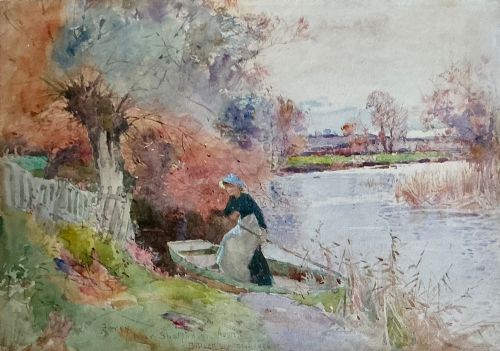
Most examples found on this page take the form of framed watercolours on paper or oil paintings on canvas and board. Subjects range from tranquil village fêtes and coastal views to detailed studies of animals and figures, reflecting the varied tastes of collectors from the era.
Materials and execution
Artists of this period relied upon traditional supports such as prepared canvas, wood panels, and heavy watercolour paper. Pigments were bound in oil or mixed for watercolour washes, often paired with contemporary giltwood frames that complete the presentation.
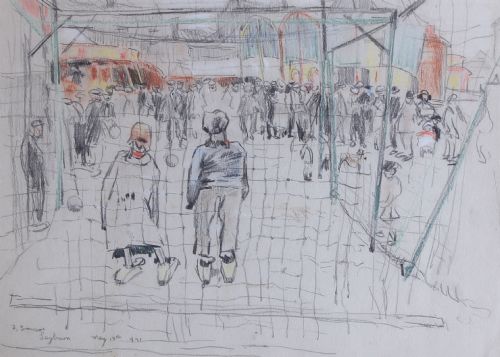
Techniques vary from tight, realistic brushwork in portraits to looser, more expressive handling in landscapes. Charcoal and pastel also appear, demonstrating the breadth of graphic methods utilised by painters working in the opening decades of the twentieth century.
Edwardian Art Painting Retail Price Guide 2026
Typical asking prices for edwardian art painting among the pieces listed under this phrase on Sellingantiques today, from the lower quarter to the upper quarter. They describe what is for sale here now, not the wider market.
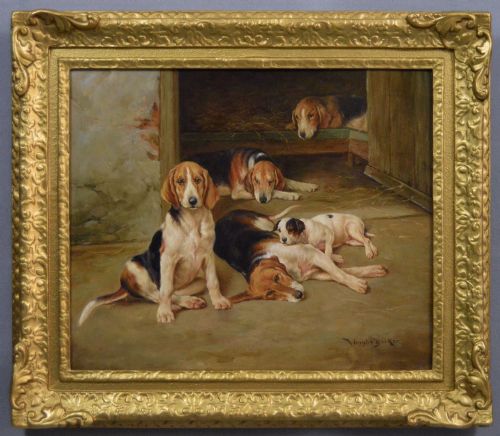
Several canvases capture the solemn dignity of Edwardian horses and racing pigeons, proving that pets and livestock held star billing too.
Judging quality and hand
Quality rests upon the sureness of the draftsmanship and the control of the medium, whether handling oil paint or watercolour washes. Strong compositions with balanced lighting and confident brushwork distinguish accomplished works from routine commercial output.
The preservation of the surface matters greatly, particularly the stability of oil paint on canvas or the absence of foxing on antique paper. Original framing and clear signatures or documentation by known period hands add significantly to the integrity of a piece.
Agnes Augusta Talboys·Herbert Menzies Marshall·John Maler Collier·William Manners·Robert George Talbot Kelly
The Edwardian Art Painting Glossary
- Oil on Canvas
- Pigment mixed with drying oil applied to a stretched woven fabric support. This method allows for rich colour blending and textured impasto application.
- Watercolour Painting
- Pigments suspended in a water-soluble vehicle applied to paper. It relies on the white of the paper shining through translucent washes to create light.
- Giltwood
- Wood carved and coated with a thin layer of gold leaf or metallic powder. It provides a decorative and protective border for paintings of the period.
- Arts and Crafts
- A design movement valuing handcraftsmanship and traditional materials over mass production. Works in this style often incorporate natural motifs and honest construction.
Edwardian Art Painting: Frequently Asked Questions
How do I date an Edwardian painting?
Dating relies on stylistic clues, framing methods, and any signatures or dates inscribed by the artist. Costumes and hairstyles depicted in portraits also offer clear chronological markers.
Paper watercolours often feature watermarks or stamps from period stationers that help narrow down the year of creation.
Where should I hang these watercolours?
Watercolours are sensitive to bright natural light and require placement away from direct sunbeams to prevent fading. Hanging them on interior walls with stable ambient temperatures protects the paper.
Pairing them with traditional wooden furniture or period decor enhances their aesthetic presence in a room.
What subjects are most common?
Landscapes, rural pastoral scenes, and domestic animal studies dominate the output of this era. Portraiture also remains prominent, ranging from miniature likenesses to large oil canvases.
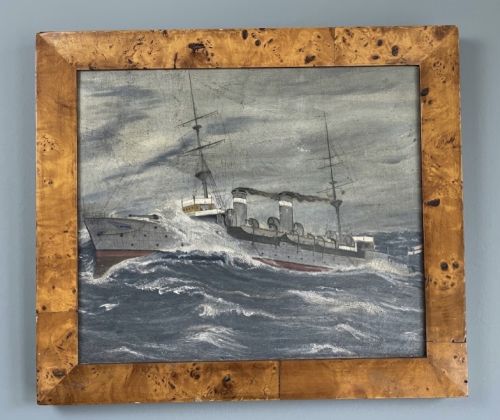
Artists frequently captured British countryside views, coastal shipping, and architectural landmarks.
How do I care for antique canvas?
Keep oil paintings away from damp environments to prevent mould growth on the canvas and stretcher bars. Dust the surface very gently with a soft, dry brush without applying pressure.
Avoid using commercial cleaning sprays or water on aged paint surfaces.