



Edwardian Art Deco Pendant
These pieces unite Edwardian lightness with Art Deco geometry, offering wearable history through platinum, gold, diamonds, and coloured stones.
Edwardian Art Deco Pendant
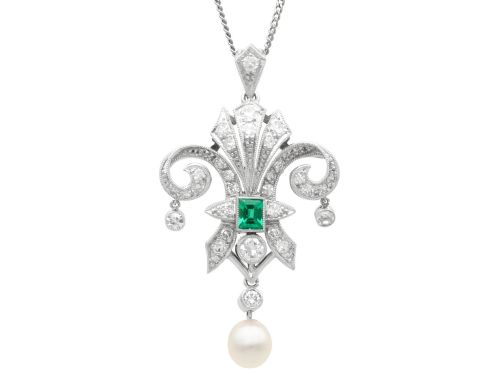
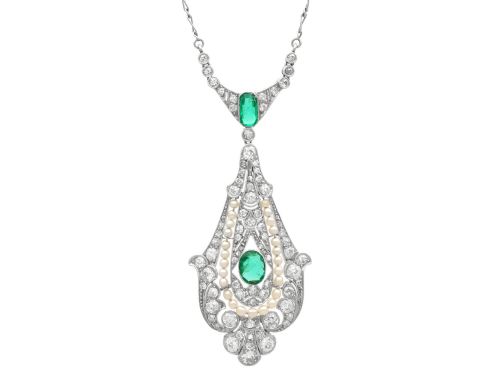
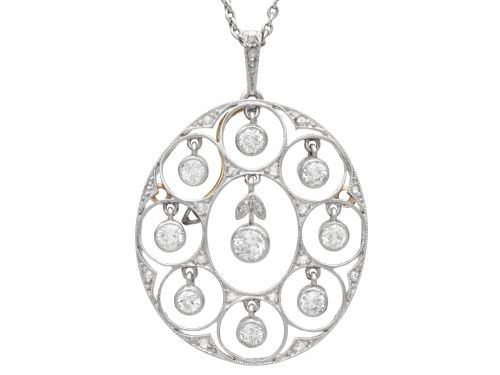
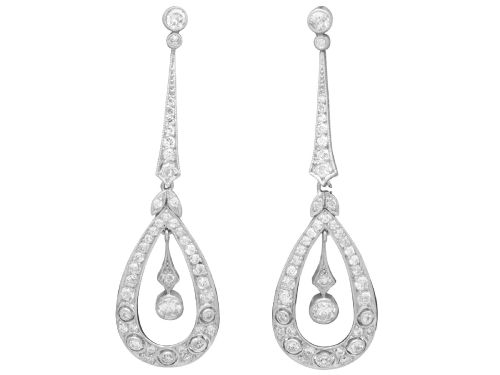
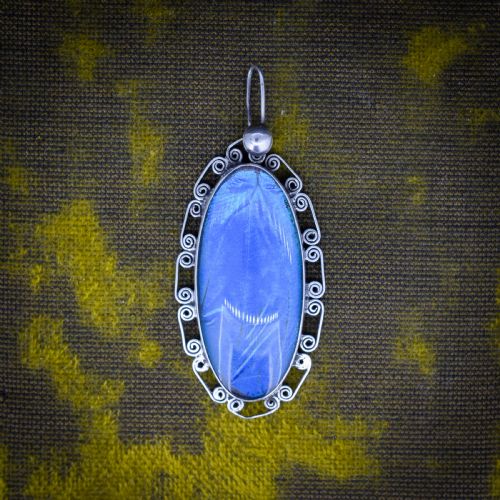
When you search for an edwardian art deco pendant, you encounter delicate neckwear, drop necklaces, and convertible brooches spanning the transition from the Edwardian era into the 1920s and 1930s. The selection on this page relies heavily on platinum and gold settings housing diamonds, opals, pearls, and aquamarines.
You are most likely to meet geometric platinum drops from around 1920 or earlier gold bar pendants set with seed pearls and turquoise. The form shifts from delicate garland swags to clean, linear geometry as the decades progress.
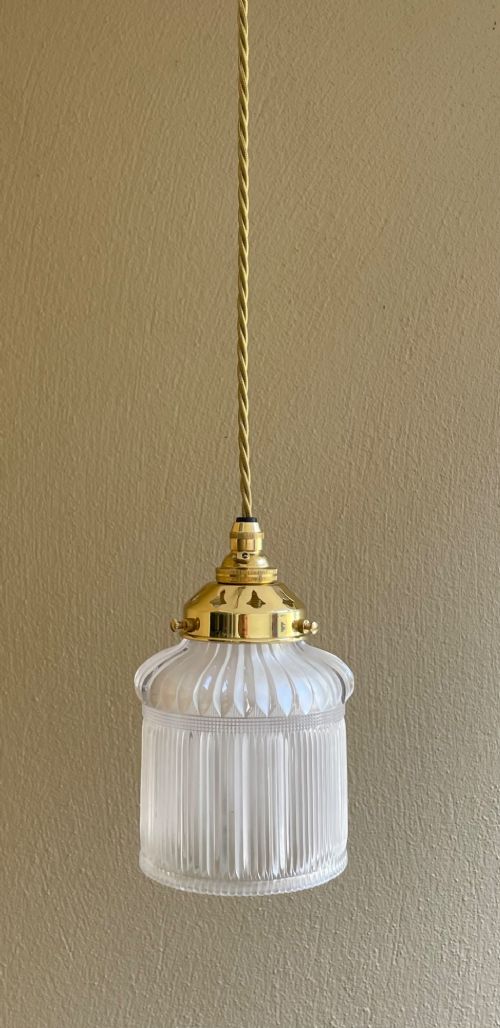
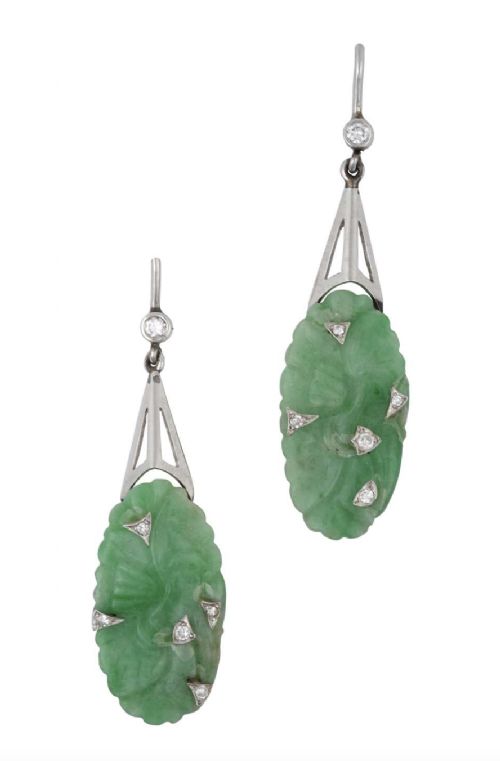
Alongside dedicated neckwear, you will find occasional related pieces like earrings, compacts, and lighting fixtures reflecting the same periods and materials.
Materials and construction
Makers utilised platinum to achieve ultra-fine, strong settings that could hold numerous small diamonds without heavy metal borders. This white metal paired frequently with yellow or white gold in multi-tone compositions.
Gemstones were cut into precise baguettes, rounds, and drops to build symmetrical motifs, while softer materials like opal, turquoise, and blister pearls provided colourful focal points.
Enamelling and delicate wirework added texture, binding the stones into cohesive pendants, necklaces, and drop earrings.
Listings feature platinum, gold, brass, and silver combined with diamonds, aquamarines, opals, pearls, and glass across the 1890 to 1940 periods.
Distinguishing quality in these jewels
The standard of a piece rests on the precision of the metalwork and the integration of the stones. Superior examples display seamless platinum piercing and stone cutting that serves the overall design rather than mere carat weight.
Proportion and balance dictate the elegance of the drop, separating finely rendered workshop output from heavier commercial production. Original matching chains and intact enamel or delicate pearl settings further elevate a piece.
Henry Matthews
The Edwardian Art Deco Pendant Glossary
- Platinum
- A dense, durable white metal favoured for fine jewellery because its strength allowed delicate wirework and secure prong settings. It defined the high-end look of the period.
- Guilloche enamel
- A decorative technique where transparent enamel is layered over machine-turned metalwork to create shimmering, patterned surfaces. It frequently appears on compacts and pendants.
- Blister pearl
- An organic gem formed when a pearl grows attached to the inside shell of an oyster, creating a domed, hollow-backed shape. These were popular in Edwardian and early twentieth-century pendants.
- Baguette
- A rectangular cut used for diamonds and coloured stones that contributed clean, linear geometry to geometric designs. This cut became a staple of the 1920s aesthetic.
- Paste
- Hand-cut glass used as a substitute for gemstones, offering high brilliance in period pieces. It allows for vibrant colour without relying exclusively on precious stones.
Edwardian Art Deco Pendant: Frequently Asked Questions
How do I date an edwardian art deco pendant?
Dating relies on the transition from organic Edwardian garland motifs to strict Art Deco geometry. Platinum settings and delicate millegrain tend to point towards the earlier end, while bolder linear forms indicate the 1920s.
Assay marks, maker's stamps, and accompanying chain types also help narrow down the decade of manufacture.
Are these pendants suitable for daily wear?
Most pieces handle regular wear if treated with care, particularly platinum and gold diamond-set examples. Softer organic materials like opals, pearls, and turquoise require greater mindfulness to avoid impacts and moisture.
Storing them individually prevents scratching against other items in your collection.
What is the difference between Edwardian and Art Deco styles?
Edwardian jewellery focuses on lace-like platinumwork, floral motifs, and flowing curves inspired by eighteenth-century aesthetics. Art Deco shifts towards symmetry, bold geometry, and streamlined industrial influences.
Pieces bridging these eras often combine light platinum settings with emerging geometric stone arrangements.
How should I care for antique pearls and opals?
Pearls and opals are softer than diamonds and sensitive to chemicals, cosmetics, and sudden temperature changes. Wipe them gently with a soft, dry cloth after wearing and keep them away from ultrasonic cleaners.
Storing them in breathable fabric pouches preserves their natural moisture.