
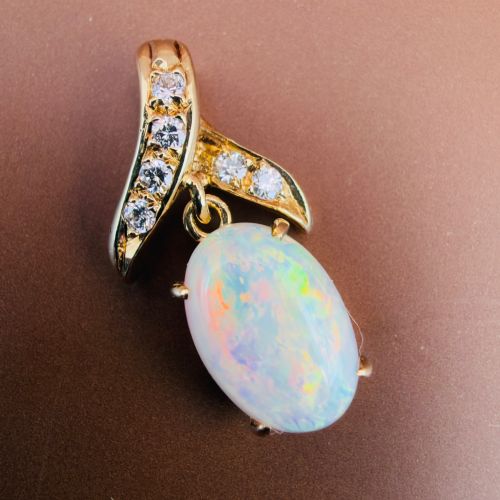


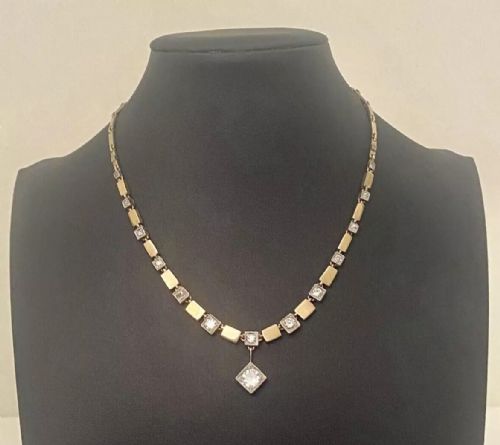


14ct Gold Diamond Pendant
These 14ct gold diamond pendant designs range from Victorian clusters to mid-century creations, bringing enduring brilliance and gold work to the neck.
14ct Gold Diamond Pendant
A 14ct gold diamond pendant brings together precious metal and gemstones in formats spanning Victorian necklaces, Edwardian drops, Art Deco geometry, and mid-century clusters. These pieces function primarily as neck adornments, sometimes combining pendant and brooch capabilities within a single antique frame.
Buyers meet varied iterations on this page, from simple yellow gold diamond drops to complex combinations involving aquamarines, pearls, opals, rubies, and sapphires. The presence of 14ct yellow, white, and rose gold provides distinct colour profiles across nineteenth-century and twentieth-century eras.
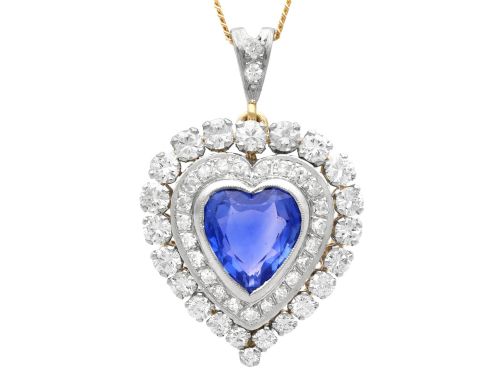
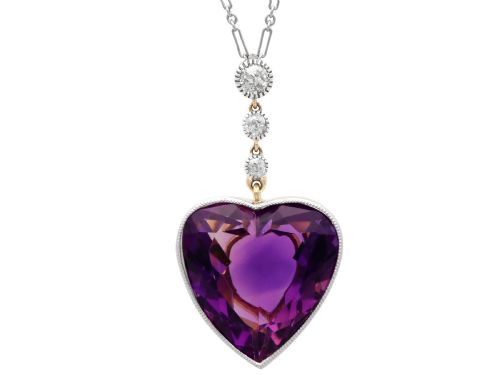
Forms include heart clusters, oval cut arrangements, and crescent moon motifs set with diamonds alongside coloured stones like peridot and demantoid garnet. The overarching category centres on precious metals housing diamonds, whether as solitary focal points or surrounding larger central gems.
Materials and Construction Methods
Goldsmiths utilise 14ct gold in yellow, white, and rose hues to form the foundational structure and chains of these pendants. This alloy balances durability with a rich metallic lustre suitable for supporting intricate gem settings.
Diamonds pair with coloured stones such as aquamarines, opals, pearls, rubies, sapphires, emeralds, and peridot. Artisans secure these gems using traditional cluster, drop, and bezel configurations across Victorian, Art Deco, and mid-century workshops.
Current listings feature 14ct yellow gold, white gold, and rose gold alongside materials like aquamarine, pearl, and opal.
Distinctions in Execution and Material
The standard of a 14ct gold diamond pendant rests on the integration of its components, where well-matched diamond cuts and secure stone settings elevate the piece. The visual balance between the 14ct gold mount and the central gemstones dictates the overall refinement.
Artisanal execution in period styles, such as geometric Art Deco lines or delicate Victorian wirework, separates standard items from exceptional examples. The clarity and carat weight of accompanying stones like aquamarines or opals further define the tier of the jewellery.
C'est Laudier·Merrin
The 14ct Gold Diamond Pendant Glossary
- 14ct Gold
- An alloy containing 58.5 percent pure gold mixed with other metals for strength. This composition appears frequently across vintage and antique settings.
- Cluster Pendant
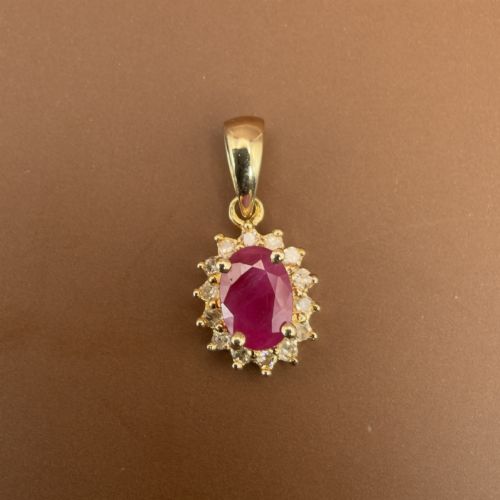
- A central gemstone surrounded by a border of smaller stones, typically diamonds. This arrangement maximises visual impact on the chest.
- Art Deco
- A design style spanning the 1920s and 1930s characterised by geometric symmetry and clean lines. Pieces from this period utilise precise gemstone arrangements.
- Cabochon
- A gemstone shaped and polished with a smooth convex surface rather than faceted. Opals and other stones often appear in this form within mid-century designs.
14ct Gold Diamond Pendant: Frequently Asked Questions
What periods do these pendants span?
The selection includes pieces from the Victorian, Edwardian, Art Nouveau, Art Deco, and mid-century eras, reflecting changing aesthetic preferences across generations.
These diverse timeframes ensure a range of manufacturing techniques and stylistic motifs are represented within the gold and diamond medium.
How do yellow and white gold differ?
Yellow 14ct gold offers a traditional warm metallic tone, whereas white 14ct gold provides a cooler silvery appearance that complements colourless diamonds.
Both variants share the same gold purity content while offering distinct visual backdrops for the mounted gemstones.
What gemstones accompany the diamonds?
Listings feature a variety of accompanying stones including aquamarines, pearls, opals, rubies, sapphires, emeralds, peridot, and demantoid garnets.
These coloured gems often serve as the central focal point with diamonds framing them in cluster or drop configurations.
Can these pendants double as brooches?
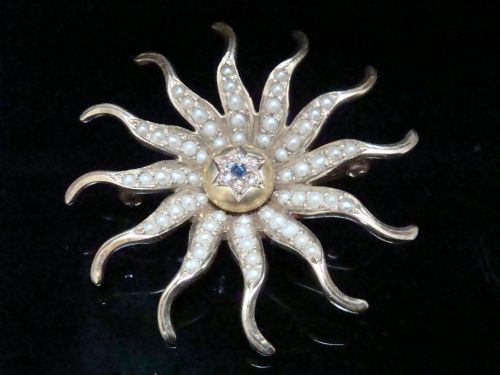
Certain antique examples incorporate dual fittings that allow the piece to function as both a pendant and a brooch. This versatility was common in nineteenth-century and early twentieth-century jewellery design.
Examining the reverse side reveals the pin mechanism alongside the suspension loop for the chain.