


Edwardian Art Deco Necklace
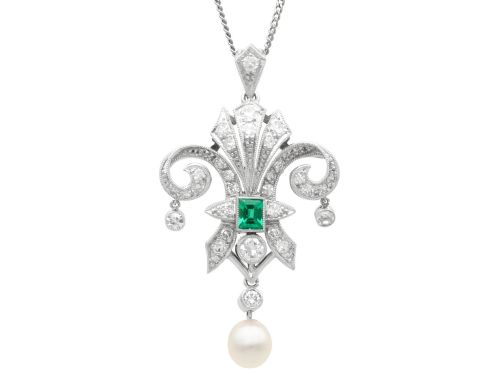
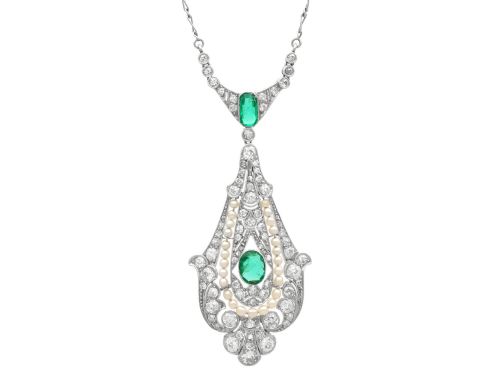
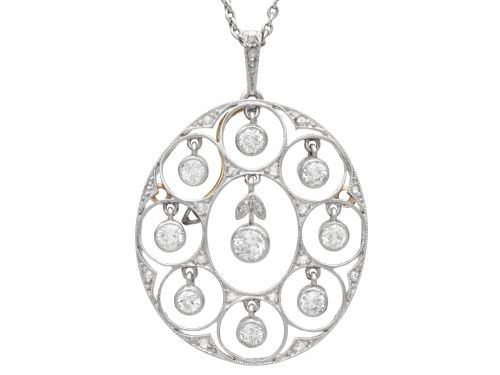
These edwardian art deco necklace pieces combine period elegance with geometric lines, offering collectors distinctive platinum, gold and pearl craftsmanship.
Edwardian Art Deco Necklace
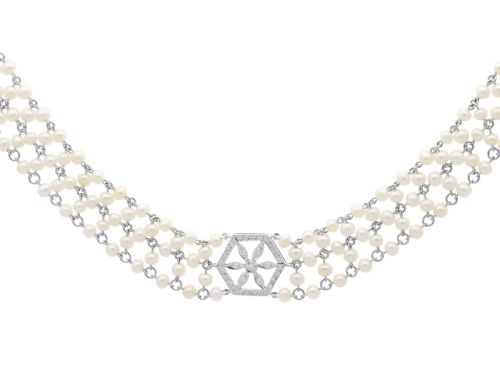
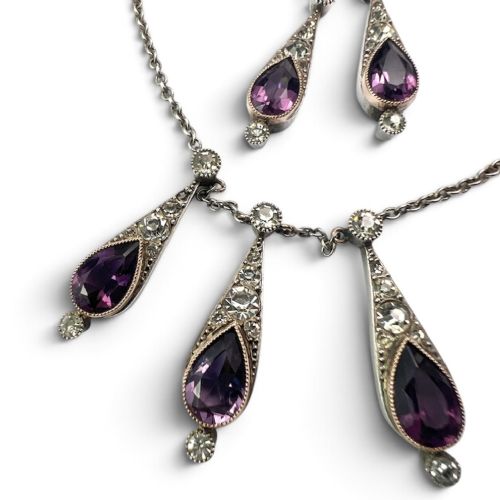
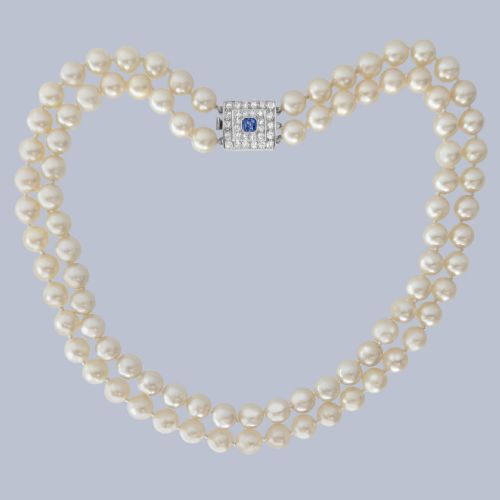
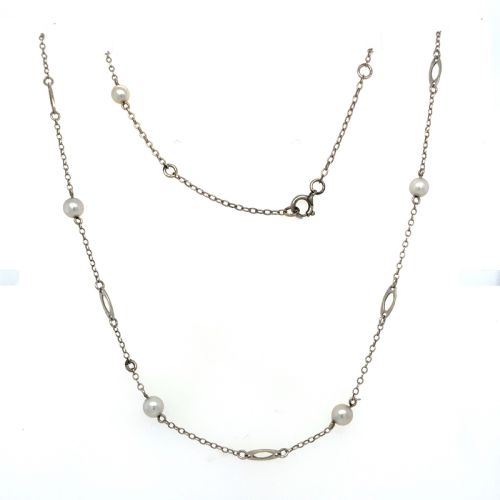
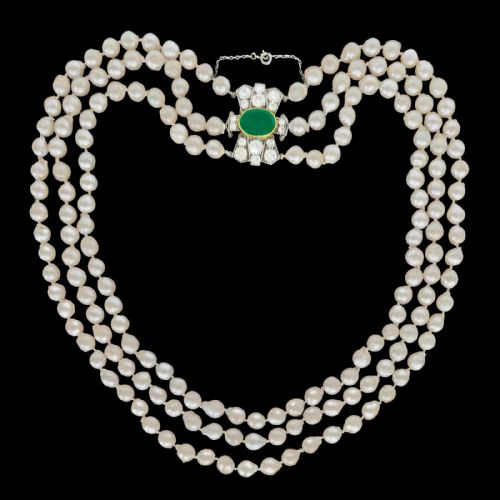
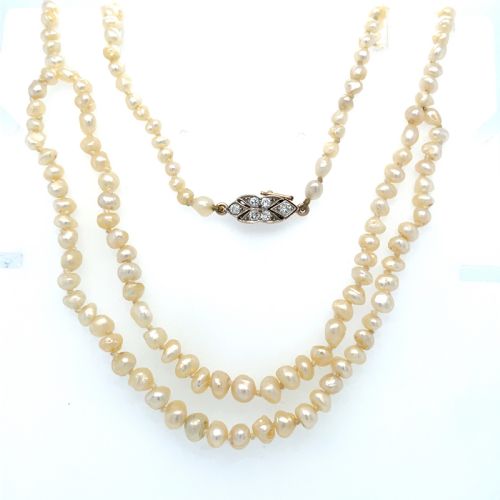
When browsing an edwardian art deco necklace selection, buyers encounter refined pendant necklaces, delicate drop designs, and multi-strand pearl pieces secured by gem-set clasps. These items bridge the transition from delicate Edwardian garlands to the structured geometry of the 1920s.
The most common versions on this page pair saltwater pearls with platinum mountings or centre a diamond, aquamarine, opal, or sapphire within an openwork geometric frame. Such pieces reflect the stylistic shifts occurring between the Edwardian era and the 1930s.
Materials and Construction
Goldsmiths utilised durable platinum alongside 18ct white gold, yellow gold, and 9ct gold to fabricate delicate wirework and secure heavy stone settings without excessive weight. Platinum provided the strength needed for intricate, lace-like openwork and precise claw settings.
Gemstones including diamonds, aquamarines, sapphires, opals, and pearls were hand-set into these precious metals, often complemented by seed pearls, rock crystal, or paste in specialised arrangements.
Quality and Distinction
Quality rests upon the harmony of the design and the integration of the stones within the precious metal framework. Superior examples demonstrate meticulous piercing in platinum and balanced proportions between the central pendant and its supporting chain.
The selection of uniform pearls, well-matched sapphires, or finely cut old European diamonds elevates a piece, distinguishing standard commercial production from masterwork jewellery of the period.
The Edwardian Art Deco Necklace Glossary
- Platinum
- A dense, white precious metal utilised during the Edwardian and Art Deco periods for its exceptional strength in fine jewellery settings. It allows for ultra-thin claws and delicate filigree work.
- Old European Cut
- A diamond cutting style prevalent from the late nineteenth century through the Art Deco era, characterised by a small table, high crown, and large open culet. These stones display a distinctive soft, warm brilliance under candlelight.
- Fringe Necklace
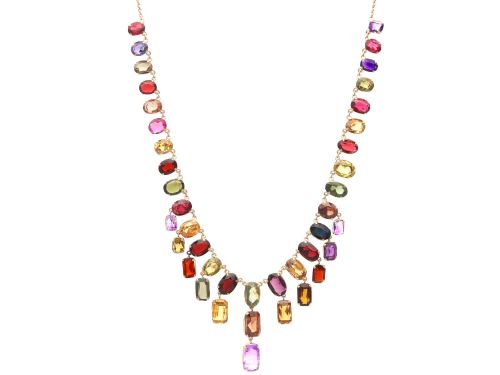
- A necklace design featuring hanging drops or tassels suspended at regular intervals along the front neckline. This form was particularly favoured in high-status platinum and diamond configurations.
- Saltwater Pearl
- Organic gems formed naturally in marine oysters, highly prized in antique necklaces for their deep lustre and orient. Certified examples carry distinct provenance from natural aquatic environments.
- Lorgnette
- A pair of opera glasses or spectacles held with a short handle, frequently integrated into Art Deco jewellery as a decorative pendant. They combine utilitarian optics with gem-set platinum mounting.
Edwardian Art Deco Necklace: Frequently Asked Questions
What is an edwardian art deco necklace?
An edwardian art deco necklace is a piece of antique jewellery that bridges the ornate floral garlands of the early twentieth century and the geometric symmetry of the 1920s and 1930s.
These items typically incorporate platinum, white gold, diamonds, pearls, and coloured gemstones arranged in delicate drops, pendants, or multi-strand pearl configurations.
How do I care for antique pearl necklaces?
Pearl necklaces from the Edwardian and Art Deco periods require gentle handling because organic nacre is sensitive to cosmetics, perfumes, and prolonged moisture. Many historical pieces are restrung periodically on silk threads to ensure the security of the pearls.
Store these necklaces flat in a lined jewellery box away from harder gems to prevent scratching the surface of the pearls or soft stones like opals.
How can I tell Edwardian and Art Deco styles apart?
Edwardian jewellery generally leans towards organic motifs, soft floral garlands, bows, and lace-like platinum filigree work that mimics Edwardian lace. The aesthetic is light, airy, and feminine.
Art Deco design shifts towards strict geometric lines, symmetry, stark contrasts, and stylised motifs influenced by modern industrial forms and ancient civilisations.
Were these necklaces worn daily?
In their original eras, fine platinum and diamond necklaces were typically reserved for evening wear, opera visits, and formal social gatherings. Lighter gold and seed pearl variations might have seen more frequent daytime use.
Today, collectors wear these historic pieces for special occasions, adapting formal Edwardian and Art Deco aesthetics to modern wardrobes.