
Edwardian Art Artwork
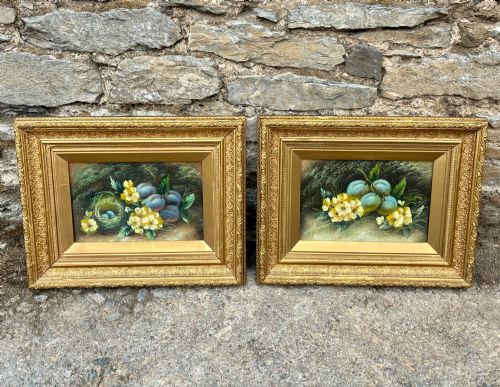
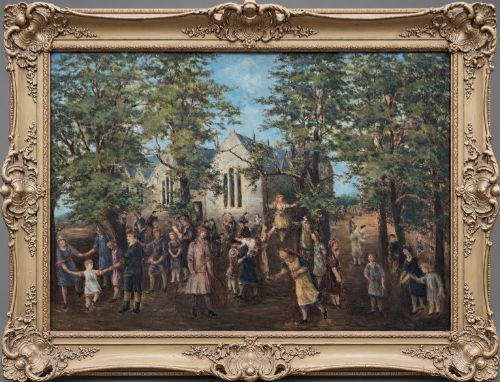
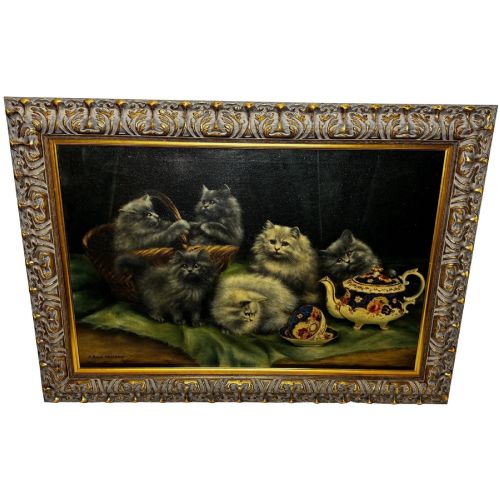
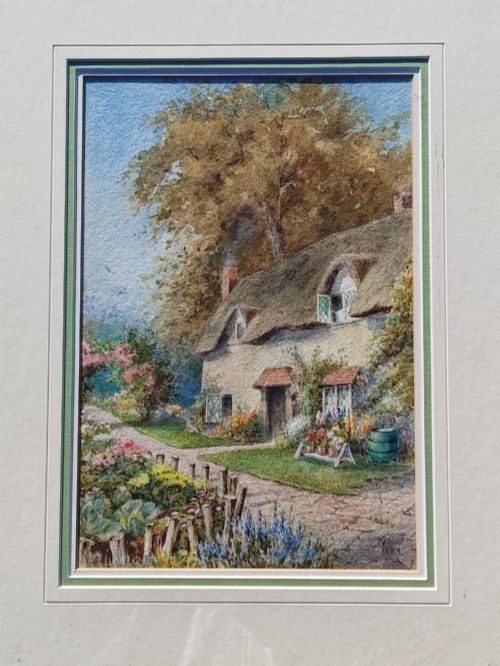
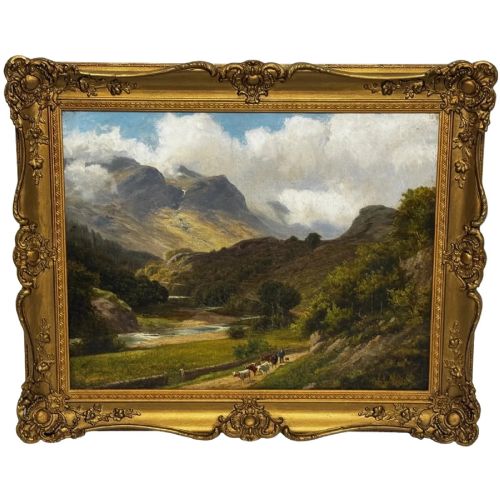
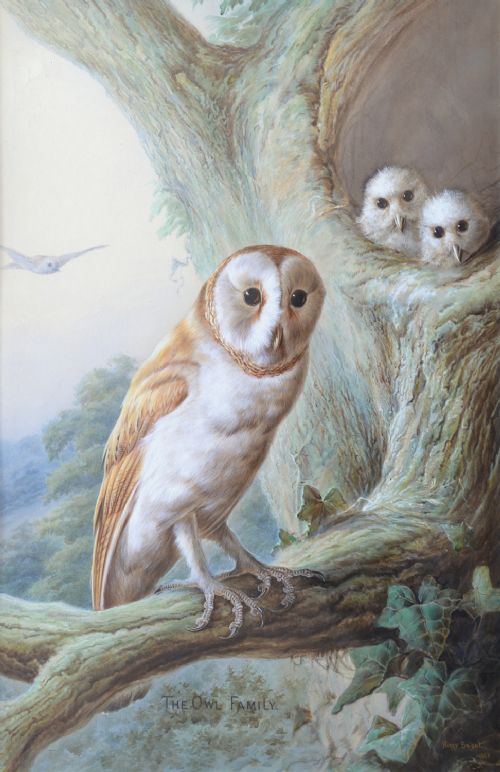
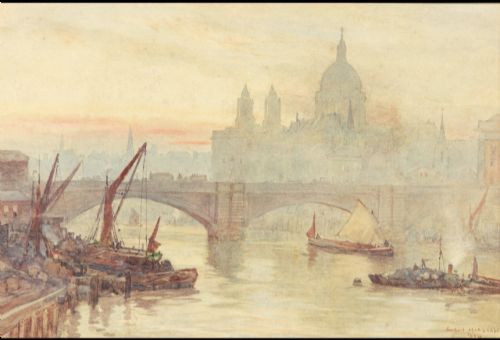
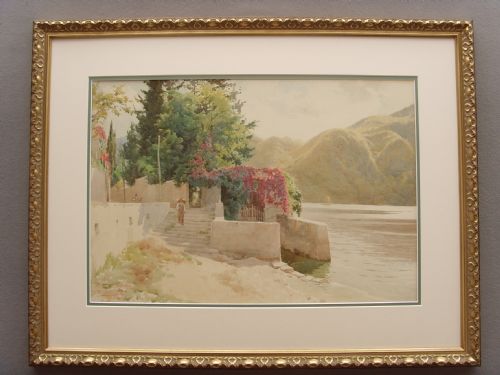
Edwardian art artwork comprises framed watercolours, oil paintings on canvas, and etchings from the late nineteenth and early twentieth centuries.
Edwardian Art Artwork
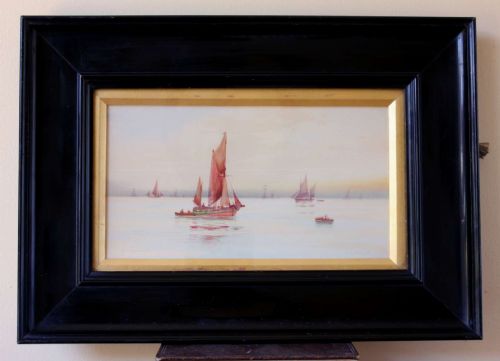
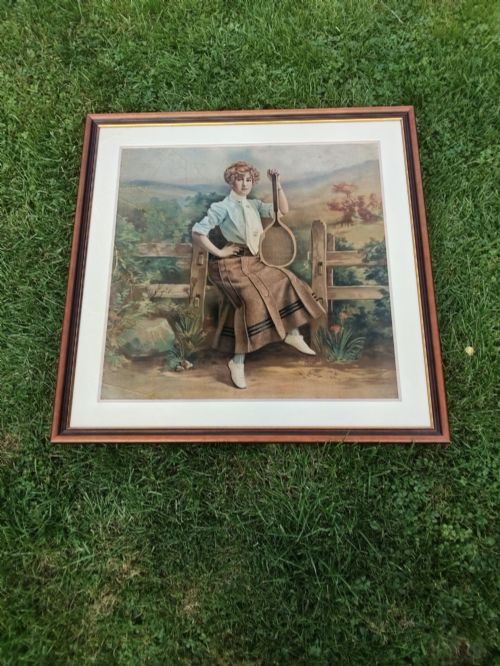
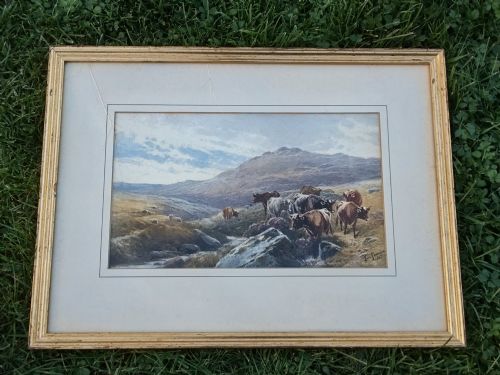
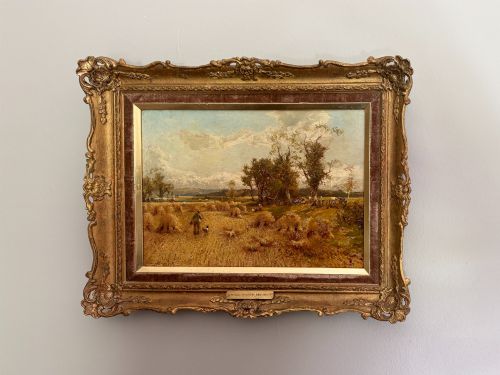
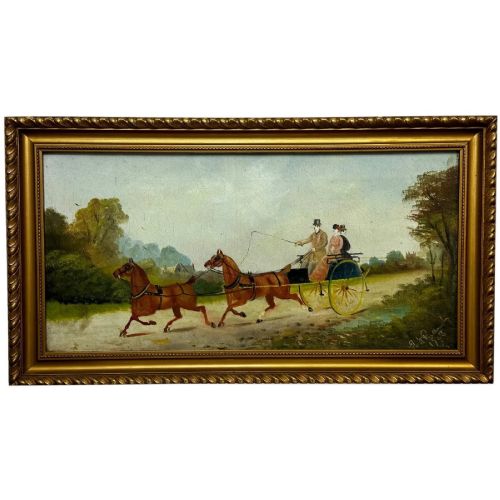
When buyers search for edwardian art artwork, they encounter oil paintings, watercolours, and pencil drawings dating across the late nineteenth and early twentieth centuries. These works record domestic interiors, maritime scenes, and landscape views.
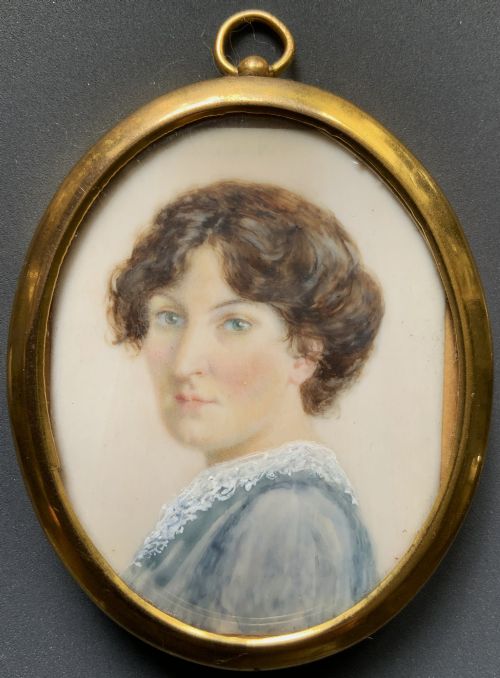
The pieces on this page span several decades, including Victorian and early twentieth-century examples alongside Edwardian items. Common forms range from framed wall art and fine art prints to pastel portraits.
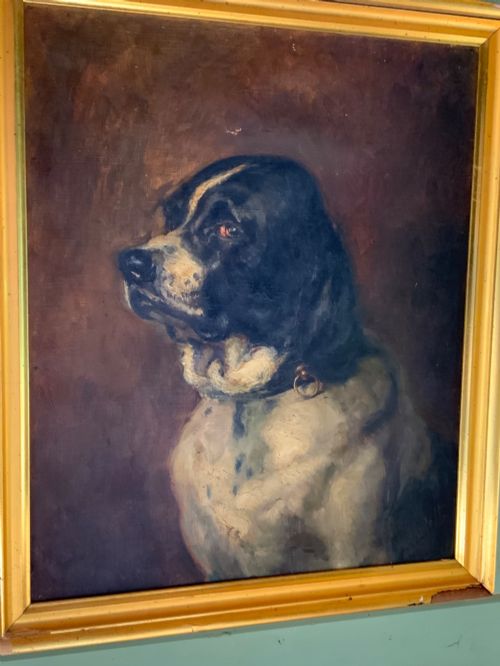
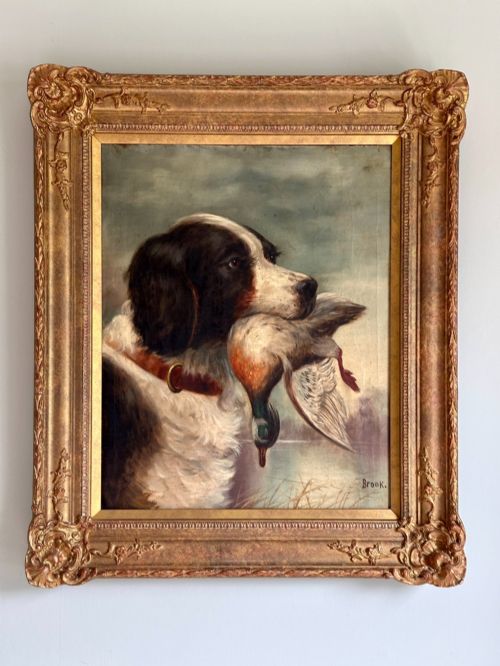
Portraits and animal studies appear frequently, capturing subjects like working dogs and military figures. Many items retain their original framing materials such as oak or burr maple.
How they were made
Artists worked primarily on paper, canvas, or wood panels using oil paint, watercolour, ink, and pastel. Etchings and lithographs represent the printed works recorded in the evidence.
Framing often utilised giltwood or wood mouldings to protect the paper and canvas supports. Signed pieces frequently combine pencil or ink inscriptions with the primary painted medium.
Several sharp-eyed King Charles spaniels and racing pigeons gaze out from the nineteenth-century canvas and needlework portraits.
What varies in quality
The strength of the composition and the definition of the brushwork differentiate the pieces. Works by named artists with clear signatures demonstrate greater artistic execution.
The preservation of the paper or canvas and the originality of the frame influence the character of each piece. Detailed portraiture and well-documented provenance elevate individual works.
George Lorain Stampa·Henry Percy Huggill·Felix Stone Moscheles·Herbert Dicksee·William H Myers·Emily Eyres·Thomas Ellison·John Hassall·Sir William Nicholson·A Marie Parsons·Frank Watson Wood·Henry Silkstone Hopwood·Robert John Hammond·William Lionel Wyllie
The Edwardian Art Artwork Glossary
- Watercolour
- A painting method where fine pigment is suspended in water-based solution on paper. This medium produces translucent washes of colour.
- Etching
- A printmaking process where acid cuts lines into a metal plate to hold ink. Artists then transfer these lines onto paper.
- Giltwood
- Wood carved and coated with gold leaf or a gold-coloured finish. This material is common in traditional picture frames.
- Canvas
- Heavy woven fabric stretched across a wooden frame to serve as a painting surface. Oil paints adhere strongly to this textured material.
- Pastel
- A dry drawing medium made of powdered pigment and a binder. Artists use these coloured sticks to build up soft tones on paper.
Edwardian Art Artwork: Frequently Asked Questions
What periods do these artworks cover?
The inventory encompasses items from the nineteenth century through the early twentieth century. Pieces reflect Victorian, Edwardian, and later modernist influences.
Dates on individual works span from the 1840s up to the 1930s, offering a broad historical sweep of British art styles.
How should I display these pieces?
Framed works on paper require placement away from direct sunlight to prevent fading of watercolours and pastels. Oil paintings on canvas benefit from stable indoor humidity.
Original frames should be handled with care to preserve their historical finishes, such as burr maple or giltwood.
Are most of these works signed?
Many pieces feature artist signatures, inscriptions, or contemporary attribution notes on the front or reverse. Some items include pencil signatures on etchings.
Unsigned works are attributed based on style, technique, and subject matter matching known historical schools.
What subjects are most common?
Landscapes, marine scenes, and animal portraits form a large portion of the available subjects. Rural views, domestic interiors, and military portraits also appear regularly.
Artists frequently recorded local British and European topography, including coastal ports and street markets.