




Edwardian Area Rug
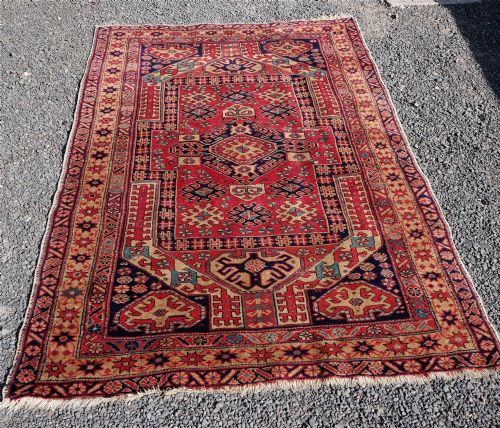
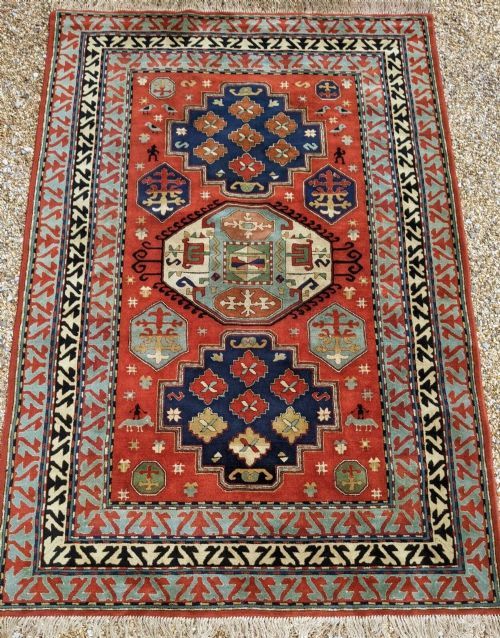
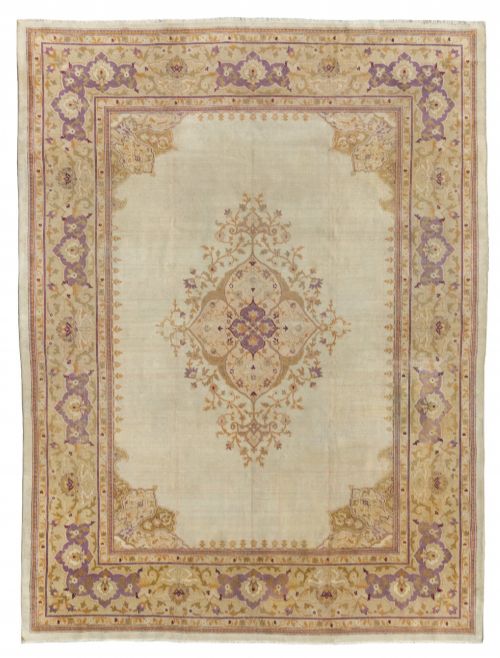
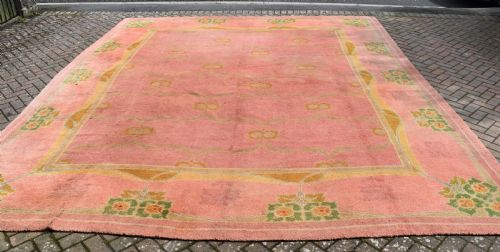
These pieces are an edwardian area rug, woven carpets from around the turn of the twentieth century that anchor a room with traditional motifs.
Edwardian Area Rug
When someone searches for an edwardian area rug, they find floor coverings originating from roughly 1880 to 1930. The selection spans village and city workshops across Persia, alongside notable British Arts and Crafts productions.
Most examples meet on this page as Persian room-sized carpets or smaller tribal rugs. These floor coverings utilise traditional regional layouts, including medallion, all-over boteh, and prayer designs.
Makers and weavers ranged from nomadic Kurdish and Baluch tribes to major commercial houses in Tabriz and Sultanabad. Their output reflects the interior tastes of country houses and urban drawing rooms alike during the period.
How They Were Made
The construction relies predominantly on natural wool, supplemented by occasional cotton foundations and fine silk highlights. Weavers knotted these fibres by hand onto vertical looms, creating dense piles designed to withstand daily foot traffic.
Dyeing methods combined traditional vegetable dyes with early synthetic colours, yielding rich palettes of soft pastels, ivories, and deep reds. Village weavers often used locally sourced fleece, while workshop productions maintained strict control over yarn preparation and spinning.
One particular Malayer rug abandons strict symmetry to hide cheerful butterflies fluttering across an ivory ground.
What Varies in Quality
Knot density and the precision of the cartoon dictate the structural integrity of the weave. Tighter knots allow for sharper floral or geometric definition, whereas looser village weaving yields a softer, more rustic handle.
The harmony and stability of the dyestuff separate standard utility items from superior artistic achievements. Subtle tonal shifts within a single wool colour demonstrate mastery in the dye vat, enhancing the visual depth of the pile.
Benlian·Gavin Morton·Tetex
The Edwardian Area Rug Glossary
- Boteh
- A stylised almond or pear-shaped motif representing a cypress tree or flame. It appears frequently across Persian field designs.
- Mihrab
- A niche design symbolising the prayer focal point, defining specific types of devotional rugs. It dictates the directional layout of the piece.
- Medallion
- A central ornamental design element placed in the middle of the carpet field. It usually anchors the surrounding floral or geometric motifs.
- Pile
- The cut surface of knotted yarn forming the upper texture of the rug. Its height varies between fine city workshop pieces and thicker tribal examples.
Edwardian Area Rug: Frequently Asked Questions
How do I date an edwardian area rug?
Dating relies on stylistic markers, dye analysis, and structural characteristics recorded in the weave. Pieces from this era often bridge traditional tribal patterns with the muted palette favoured in early twentieth-century interiors.
Examining the wool quality and the integration of natural versus early synthetic dyes helps narrow the decade of production between 1880 and 1930.
Where were these rugs originally placed?
These floor coverings served as heavy-duty furnishings for country house libraries, formal drawing rooms, and urban reception spaces. Their dense wool construction provided essential insulation over wooden floorboards.
Larger formats anchored entire room layouts, while smaller village and tribal formats functioned as accent pieces in secondary rooms.
How do I care for wool carpets?
Maintenance requires regular, gentle vacuuming without a rotating power brush to protect the hand-knotted pile. Keeping the rug out of direct, harsh sunlight preserves the stability of the natural dyes.
Professional cleaning by a specialist familiar with antique textiles ensures the wool and cotton foundations remain undamaged over time.
What defines Persian village designs?
Village rugs display geometric interpretations of classical patterns, woven from memory or local tradition rather than strict paper cartoons. This results in charming irregularities and spontaneous shifts in motif placement.
Artisans in locations such as Malayer, Heriz, and Senneh utilised distinct local colour combinations and structural traits that identify their geographical origins.