


Decorative Oriental Rug
A decorative oriental rug brings pattern, texture and history to a floor, drawing on traditions of weaving from the nineteenth and early twentieth centuries.
Decorative Oriental Rug
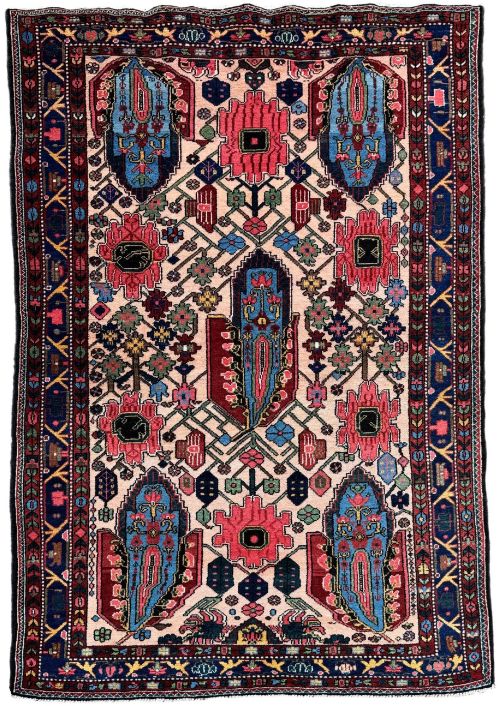
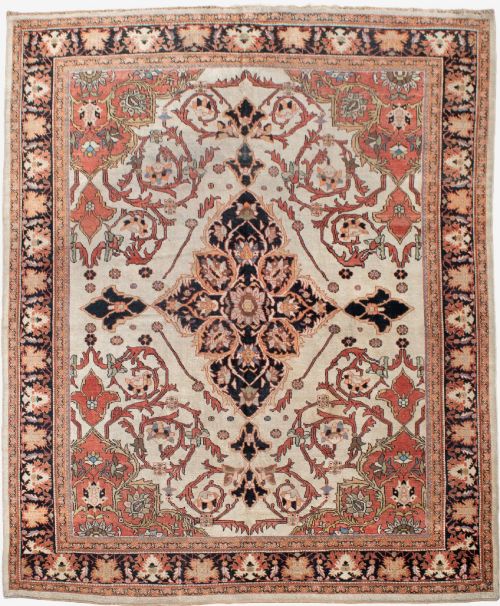
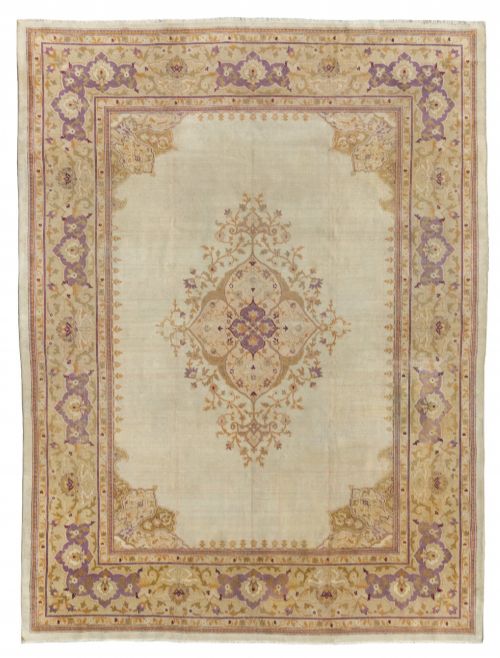
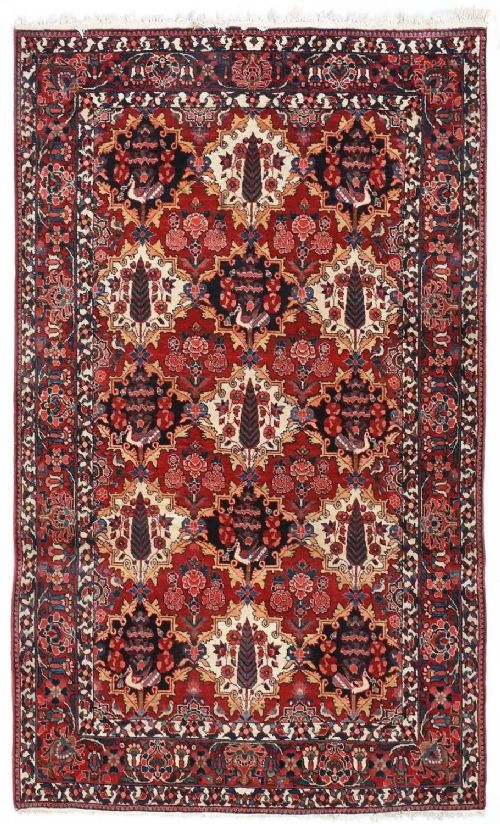
A decorative oriental rug encompasses hand-woven carpets and smaller floor coverings originating from various regional traditions across Asia and the Middle East. These textiles include room-sized carpets, smaller rugs, tribal pieces and fragments dating from the nineteenth and early twentieth centuries. Buyers seeking these items will find regional types such as Heriz, Mahal, Ushak and Bakhtiari represented.
The most common forms on this page are room-sized carpets and area rugs woven in wool, often featuring traditional Persian or tribal designs. Pieces range from large formats suited to principal reception rooms down to smaller formats like prayer rugs and bag faces. Production dates span the nineteenth century through to the interwar decades of the twentieth century.
Materials and construction
Construction relies primarily on wool piles knotted or woven onto cotton or wool foundations, utilising silk thread for specific highlights in select pieces. The interplay of natural foundation threads and dyed wool creates the structural integrity that allows these antique textiles to survive over a century of use. Weavers employed hand-knotting and flatweaving techniques traditional to their specific regions and nomadic or workshop settings.
Dyes and textiles reflect the resources of each origin, combining locally sourced wool with traditional dyeing methods to achieve distinct ground colours. The resulting fabrics vary from heavy, durable room-size carpets to finely detailed smaller mats and embroidered wall hangings or cushions.
Listings feature wool, cotton and silk thread across periods spanning the nineteenth century through the 1930s.
Assessing quality
Quality in these textiles rests upon the density of the weave, the clarity of the design implementation and the integrity of the materials. Tightly knotted piles and well-balanced compositions distinguish the upper tier of pieces from simpler or more utilitarian weaving. The precision of the drawing within medallion and floral formats indicates the skill of the original workshop or weavers.
Condition and scale also govern the hierarchy, with large room-size carpets maintaining structural stability holding particular distinction. The richness and preservation of the pile determine how successfully a textile retains its visual impact under foot or on a wall.
The Decorative Oriental Rug Glossary
- Pile
- The cut loop surface of a rug formed by individual knots tied around the warp threads. This layer provides the soft texture and absorbs the dyestuffs that create the pattern.
- Warp
- The vertical foundation threads stretched tightly on the loom before weaving begins. Weft threads are passed across them to secure the knots.
- Weft
- The horizontal threads passed alternately over and under warp threads to lock the knots in place. Together, warp and weft form the structural grid of the textile.
- Medallion
- A large central ornamental design motif placed in the middle of the field. Many classical Persian carpets use this focal arrangement.
- Prayer rug
- A small rug featuring a mihrab or arch design at one end, traditionally oriented toward Mecca during daily prayers. These formats often display intricate floral or geometric borders.
Decorative Oriental Rug: Frequently Asked Questions
Can I place these rugs in high traffic areas?
Thickly piled wool carpets tolerate moderate footfall in reception spaces when paired with a quality underlay. The underlying pad prevents slipping and cushions the weave against hard flooring.
Fragile fragments, silk highlights or delicate embroideries suit low-traffic locations or wall display instead. Assessing the density of the pile helps determine daily placement suitability.
How do I identify a Heriz carpet?
Heriz carpets typically feature bold, geometric central medallions supported by large-scale angular corner spandrels. The palette often incorporates strong terracotta, navy blue and ivory tones.
These rugs originate from the Northwest region of Iran and are known for exceptionally durable cotton foundations. Their robust construction separates them from finer, curvilinear workshop carpets.
What is a prayer rug used for?
Historically, prayer rugs provided a clean, portable surface for daily Islamic prayers in domestic or travel settings. The distinct arch design indicates the directional orientation required during worship.
Today, collectors value these smaller formats as decorative wall hangings or focal accent pieces in residential interiors. Their compact size suits entryways and intimate spaces.