


Edwardian Animal Picture
An edwardian animal picture brings the character of horses, dogs and farmyard fowl into a room through the skilled hands of period artists.
Edwardian Animal Picture
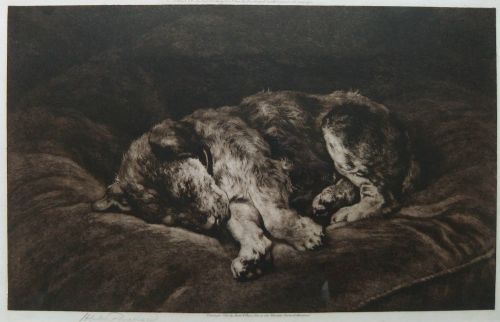
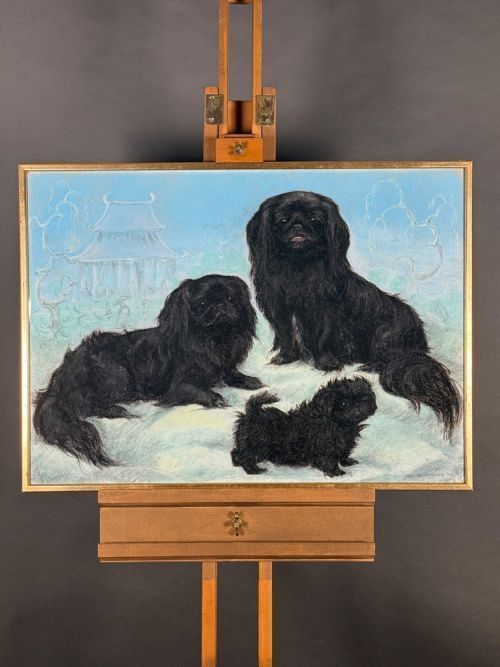
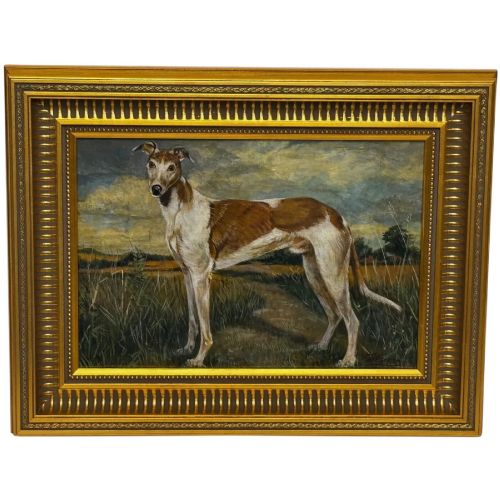
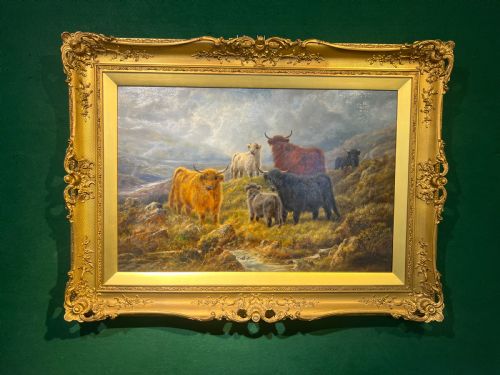
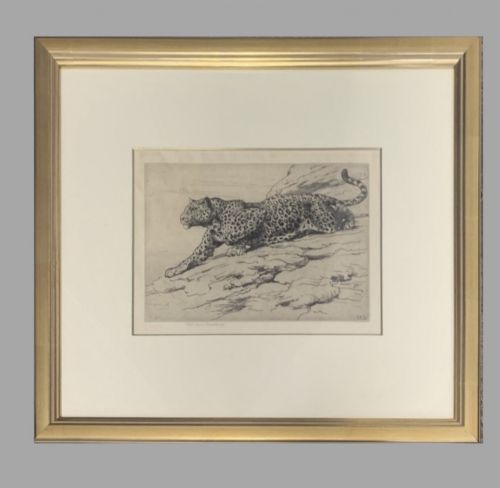
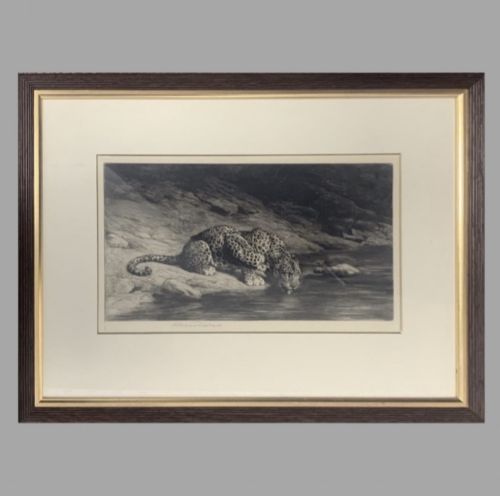
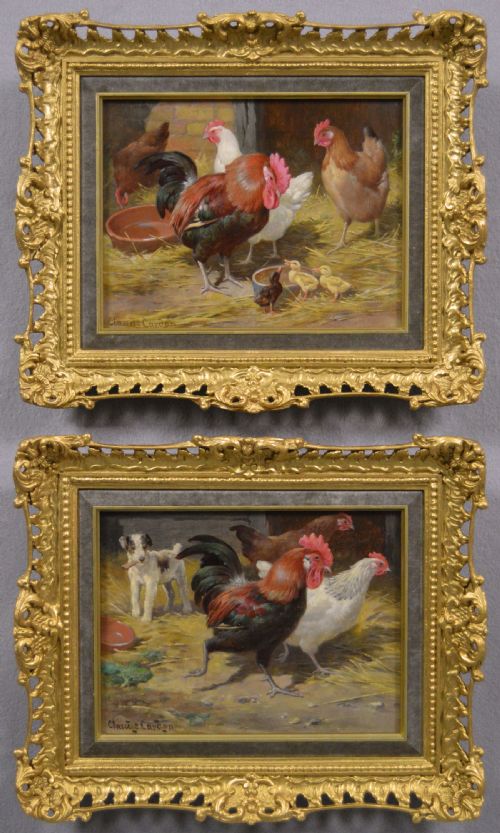
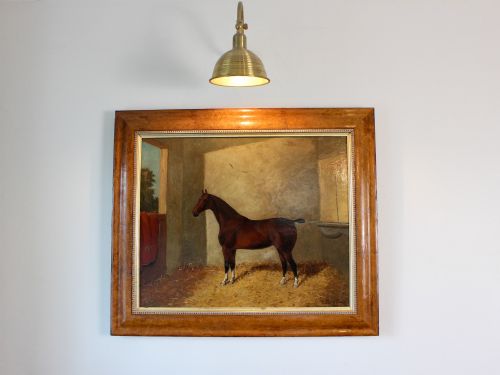
An edwardian animal picture encompasses framed prints, original etchings, and oil paintings depicting dogs, horses, farmyard fowl, and wild animals. These works capture the personality and presence of domestic and sporting subjects through the artistic conventions of the early twentieth century and the preceding decades.
The selections available range from detailed etching proofs and watercolour studies to large-scale oil paintings on canvas. Domestic dogs, lurchers, Pekingese, and terriers appear alongside farm livestock, sporting horses, and exotic felines.
These pieces connect modern interiors with historical depictions of beloved pets, working animals, and rural scenes. They serve as focal points in studies, hallways, and living spaces where traditional animal art sets a warm tone.
How they were made
Artists of this period applied oil paint to canvas or worked with pastel, watercolour, and ink on paper. Etchings were printed with precision, often producing signed artist proofs in limited editions on quality paper stock.
Many works retain their original framing components, including wood, glass, plaster, giltwood, and gold leaf enhancements. These materials protect the delicate surfaces of paper drawings and oil paintings while providing a finished historical boundary.
Materials documented across the selection include oil on canvas, paper, wood, glass, giltwood, gold leaf, plaster, and ink.
What varies in quality
The distinction between works rests upon the artist's ability to render the anatomy, expression, and texture of the animal with lifelike accuracy. Master painters capture the sheen of a horse coat or the attentive stance of a terrier with assured brushwork and nuanced colour mixing.
Framing and medium also define the standard of a piece, as original signed etchings and period oil paintings on canvas demand greater attention than standard reproduction prints. The preservation of the paper, canvas, and original giltwood frame directly influences the overall presence of the artwork.
Herbert Dicksee·Claude Cardon·John Emms·Louis Wain·Samuel Fulton
The Edwardian Animal Picture Glossary
- Etching
- A printmaking process where lines are bitten into a metal plate with acid before ink is applied and transferred to paper. This technique allows for fine, highly detailed lines.
- Artists proof
- An early trial impression of a print pulled for the artist to inspect, typically marked and signed by hand. These carry greater collectable value due to their direct association with the creator.
- Giltwood
- Wood carved and coated with gold leaf or metallic paint to create a decorative frame. It provides a bright, reflective border popular in traditional framing.
- Sporting art
- Artwork depicting fieldsports, hunting, horses, and hounds. This genre reflects the British tradition of documenting prized animals and rural pursuits.
Edwardian Animal Picture: Frequently Asked Questions
How do I care for an oil painting?
Keep oil paintings away from direct sunlight and dramatic temperature fluctuations to protect the canvas and pigment. Dust the surface gently with a dry, soft cloth without applying pressure.
Avoid using liquid cleaners or water on the paint or giltwood frame. Consult a professional conservator if the canvas requires cleaning or structural repair.
What is an original etching?
An original etching is a print created from a metal plate that the artist worked by hand, rather than a modern photographic reproduction. Each impression pulls ink from the etched grooves onto paper.
Artists often sign these prints in pencil beneath the image area. Signed proofs indicate a direct involvement in the printing process by the creator.
How do I date these artworks?
Dates often appear written on the back of the frame, inscribed on the canvas, or recorded within the artist's known working years. Stylistic clues in the framing and clothing of any human figures also help narrow the period.
Comparative study of an artist's documented exhibition dates provides a reliable window of creation. Signatures and inscriptions offer the most direct evidence of age.
Where should I hang these pictures?
These pieces suit traditional living rooms, libraries, and hallways where their subject matter complements classic interior decor. Wall spaces with stable humidity levels away from heat sources are ideal.
Pair smaller watercolours and etchings together to create a gallery wall effect. Larger oil paintings work best displayed individually as a primary focal point.