
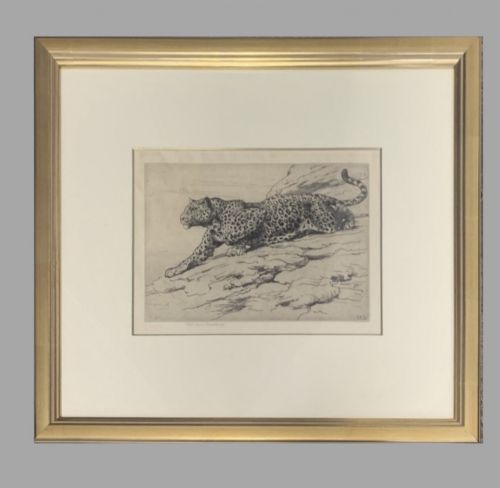
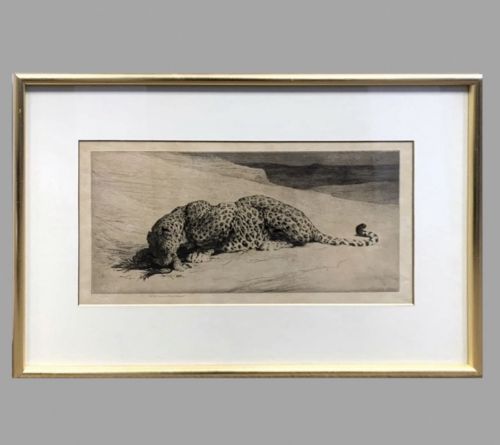
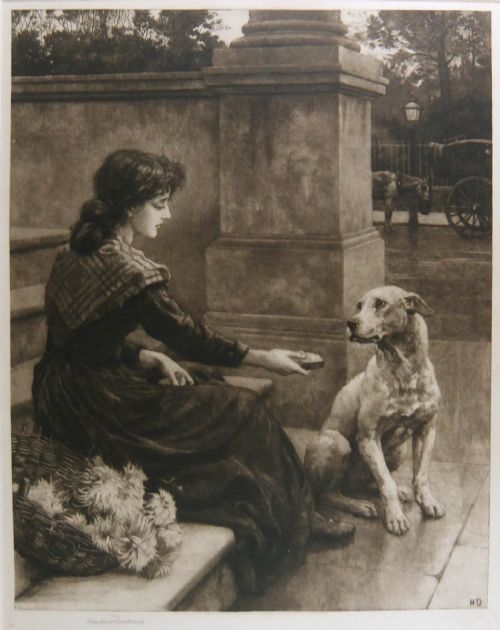
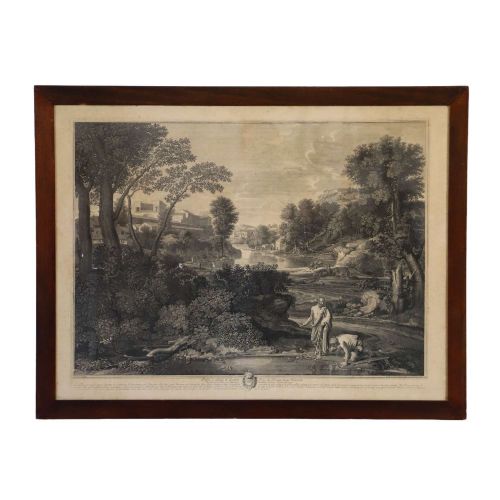


Original Paper Etching
An original paper etching brings centuries of ink and line onto the wall, offering tactile depth that modern reproductions simply lack.
Original Paper Etching
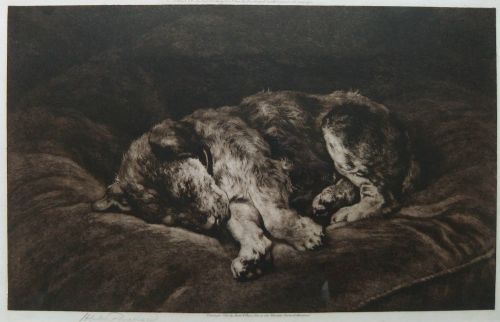
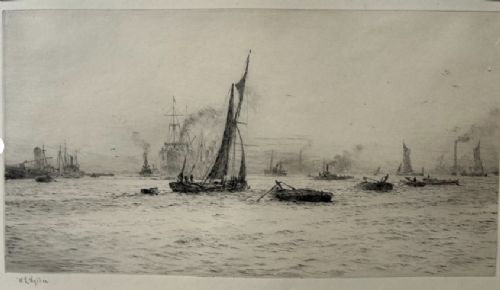
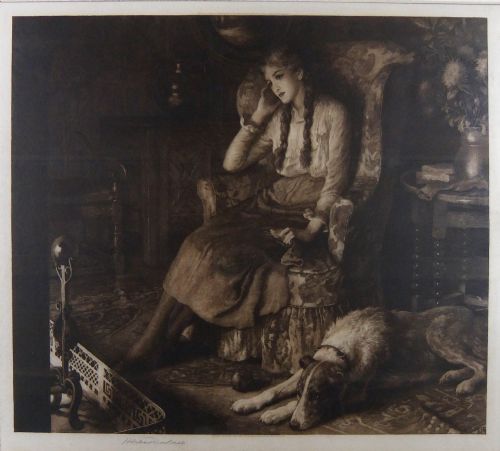
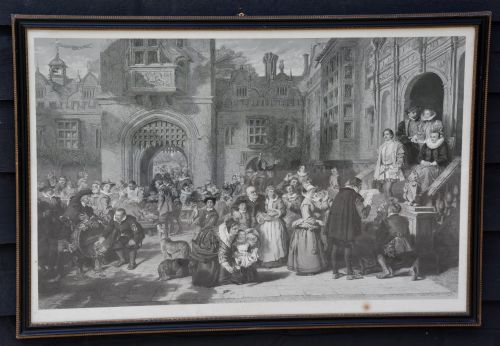
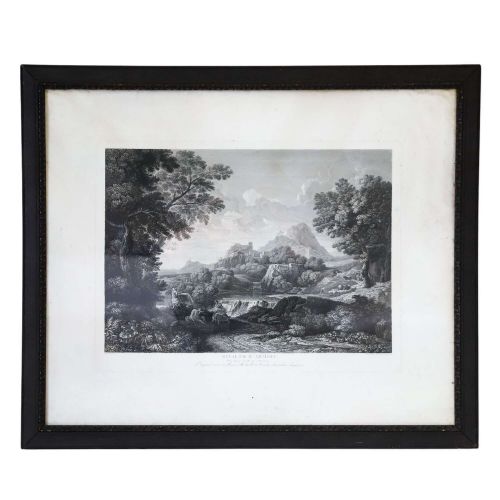
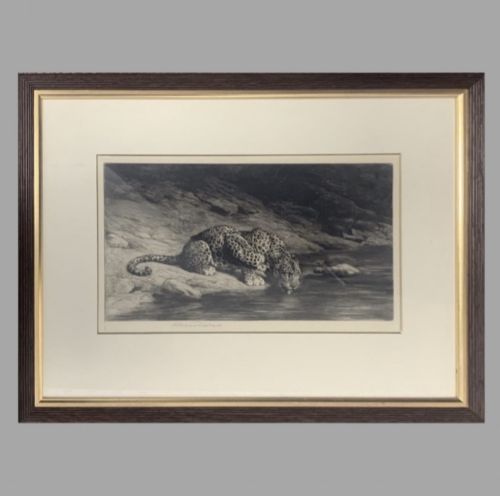
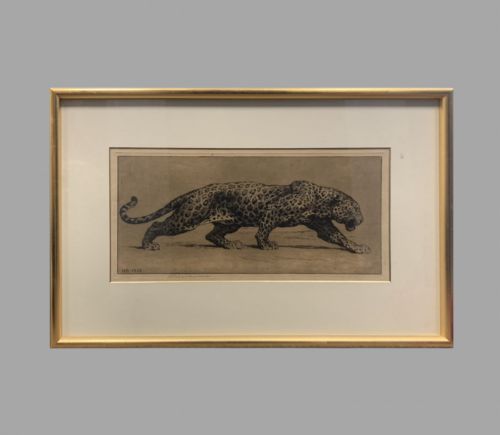
An original paper etching on this page spans periods from the eighteenth century through the Victorian era into the early twentieth century and the 1960s, capturing subjects from maritime scenes to animal studies. These works take the form of framed prints, fine art prints, and wall art produced by pressing inked plates onto paper.
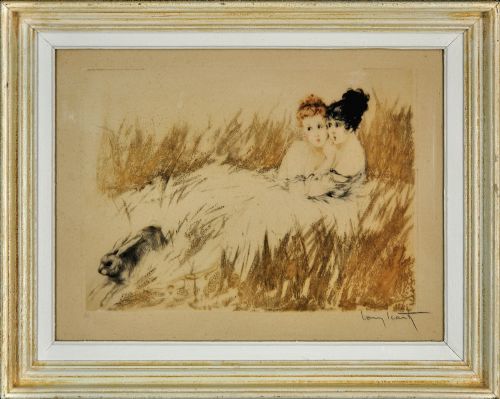
Makers and artists represented include Herbert Dicksee, William Lionel Wyllie, Louis Icart, and Frank Brangwyn, alongside pieces by Étienne Baudet, Anne Goldthwaite, John Merrifield, James Dobie, Edgar J. Maybery, Albert Terry, Norman Janes, Frank Greenwood, and Mariette Lydis. Buyers encounter pencil-signed artist proofs, limited editions, and hand-coloured plates alongside period engravings.
The aesthetic of an original paper etching draws on styles such as Edwardian, Victorian, Art Deco, Neoclassical, and American Modernism. Whether depicting landscapes, architectural views of London bridges, or intimate portraits, these pieces demonstrate the diverse output of printmakers across multiple centuries.
Assessing quality
Quality in an original paper etching rests upon the crispness of the plate mark and the clarity of the line work transferred to the paper. Strong impressions reveal the delicate burr of drypoint or the deep bite of the acid without blurring or flattening in the mid-tones.
The presence of pencil signatures, artist proof designations, and original period frames elevates an example, as do notable exhibition provenances. Preservation of the paper ground, free from heavy staining or fading, distinguishes the finest surviving plates from lesser impressions.
Listings feature works spanning the eighteenth century through the Victorian period, Edwardian era, and Art Deco years up to the 1960s.
Herbert Dicksee·William Lionel Wyllie·Louis Icart·Anne Goldthwaite·John Merrifield·James Dobie·Edgar J. Maybery·Albert Terry·Norman Janes·Frank Greenwood·Mariette Lydis·Frank Brangwyn
The Original Paper Etching Glossary
- Etching
- A printmaking method where lines are bitten into a metal plate using acid before ink is applied and pressed onto paper. This technique allows for fine, flowing illustrative lines.
- Drypoint
- A printmaking process where the artist scratches directly into a metal plate with a sharp needle, creating a raised ridge called a burr that holds extra ink. This produces velvety, rich lines unique to the method.
- Aquatint
- A companion intaglio technique used to create tonal areas of grey and shadow rather than mere lines, often combined with standard etching. It relies on powdered resin melted to the plate.
- Artist proof
- An impression printed for the artist's own use, separate from the numbered edition, frequently carrying pencil signatures and annotations. Collectors prize these for their direct connection to the creator.
- Engraving
- A technique where design lines are cut straight into a metal plate using a sharp tool called a burin, distinct from acid biting. It yields crisp, precise architectural forms.
Original Paper Etching: Frequently Asked Questions
What is an original paper etching?
An original paper etching is a work of fine art printed directly from a metal plate that was engraved, etched, or worked by hand in the studio. Unlike modern mechanical reproductions, these sheets carry the physical impression of the plate into the paper fibres.
They represent traditional printmaking processes practiced across the eighteenth, nineteenth, and twentieth centuries by skilled artists and printmakers.
How do I care for framed etchings?
Paper and ink demand protection from direct sunlight and excessive humidity to prevent fading and paper degradation. Hanging them away from heat sources preserves both the backing material and the wooden or gilt frames.
Ensure the glazing remains intact and the backing board is stable to shield the delicate surface from airborne pollutants and moisture.
How can I tell a drypoint from an etching?
Drypoint lines possess a rich, velvety texture caused by the metal burr pushed up alongside the scratched groove, which catches extra ink during printing. Standard etched lines appear smoother and more uniform because acid creates the recessed channel rather than physical force.
Examining the printed surface under magnification often reveals these distinct structural characteristics.
What does a pencil signature mean?
A pencil signature beneath the image indicates that the artist personally inspected and approved that specific impression pulled from the plate. Signed examples and artist proofs carry higher collector interest than unsigned commercial editions.
These inscriptions frequently include the title of the work alongside the artist's hand.