

Edwardian Albert Necklace
An edwardian albert necklace brings the sturdy practicality of a gentleman's pocket watch chain directly into contemporary neckwear.
Edwardian Albert Necklace
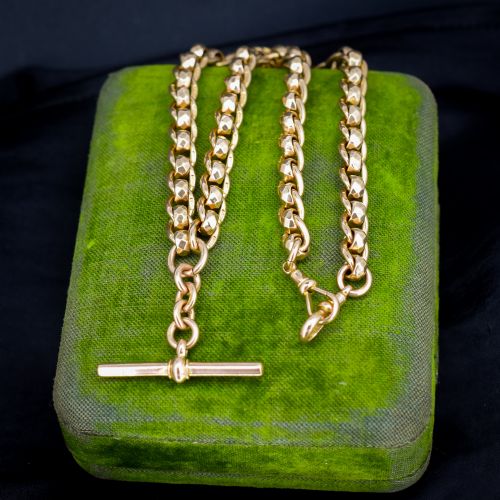
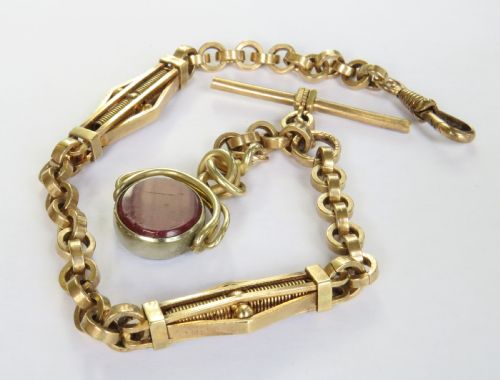
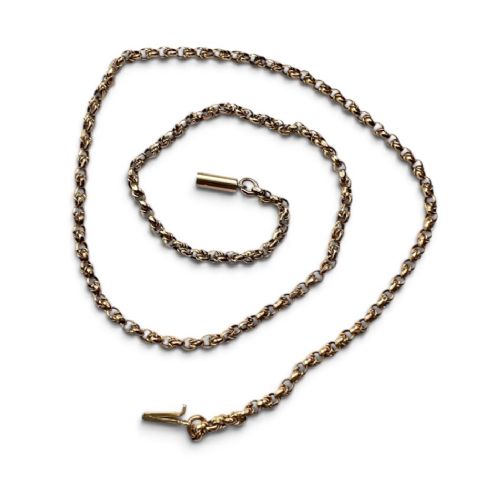
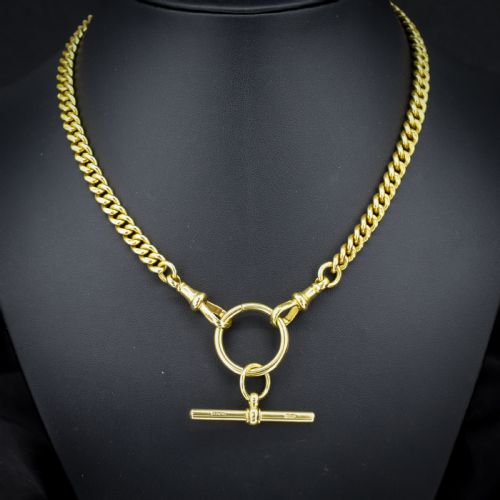
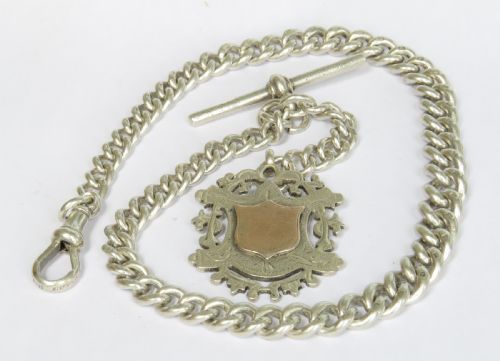
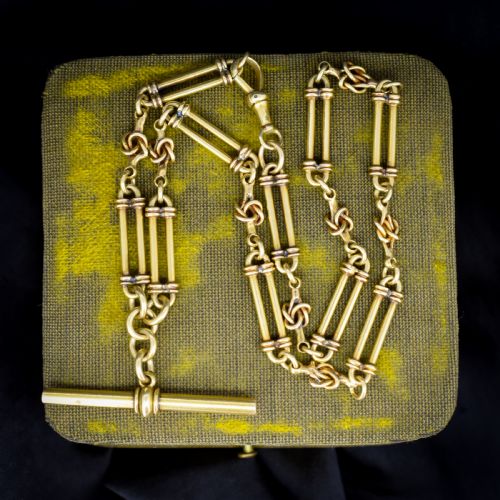
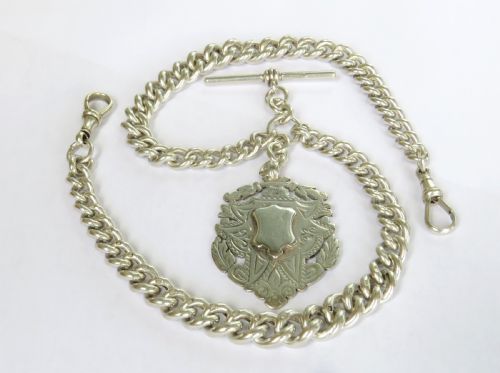
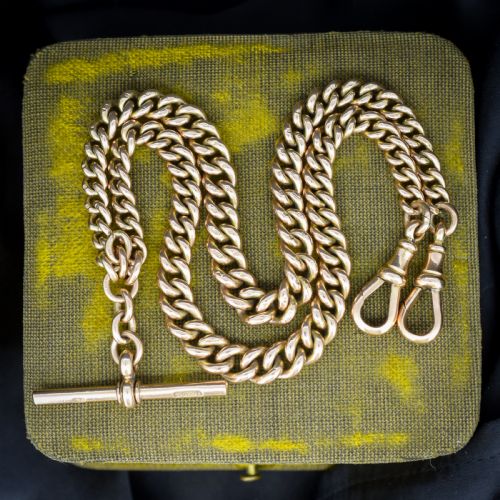
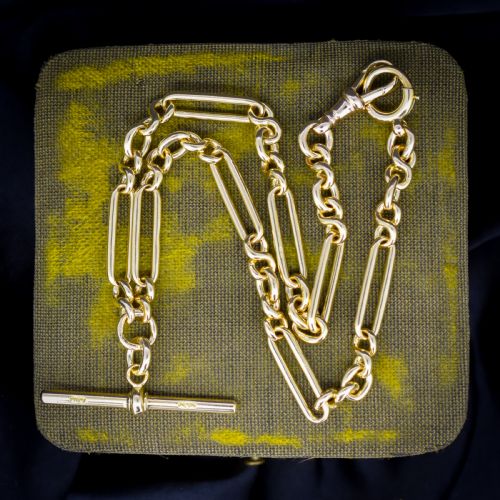
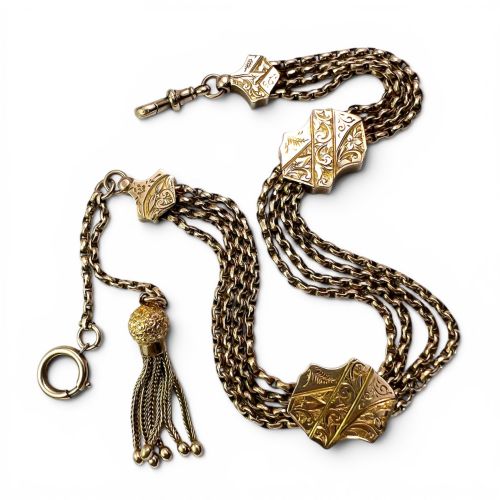
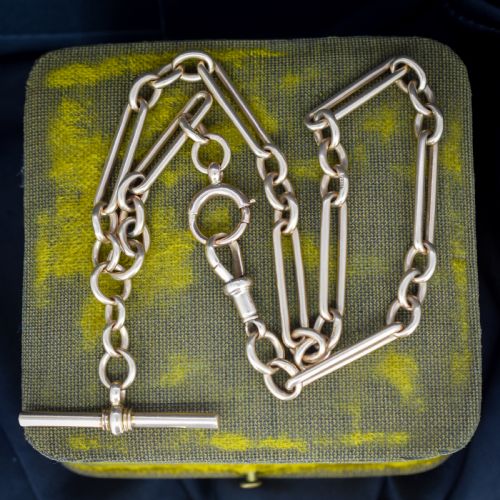
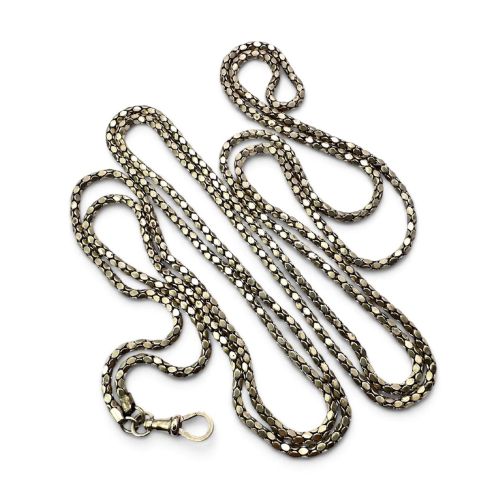
An edwardian albert necklace repurposes traditional pocket watch chains designed during the late nineteenth and early twentieth centuries into wearable neck chains. These pieces typically retain their original functional components, including swivel dog clips, t-bars, and spring rings.
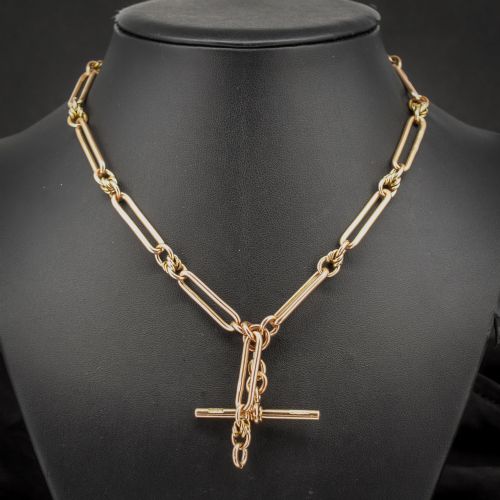
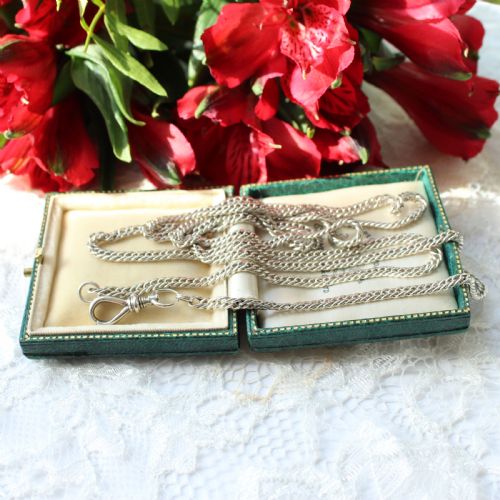
The selections span periods from the Victorian era through the Edwardian years and into the nineteen-twenties, incorporating styles like Art Deco alongside classic curb and trombone links. Most pieces operate as substantial necklaces or shorter chokers utilising solid gold or sterling silver.
Makers adapted utility watch chains into personal ornaments, maintaining the heavy link construction intended to secure timepieces to waistcoats. Buyers encounter both single and double strand configurations designed for versatile daily wear.
What Varies in Quality
Quality rests upon the weight of the metal and the completeness of the original components, where solid gold constructions and fully hallmarked links command greater substance. Pieces retaining both their original dog clips and t-bars maintain higher historical integrity than altered chains.
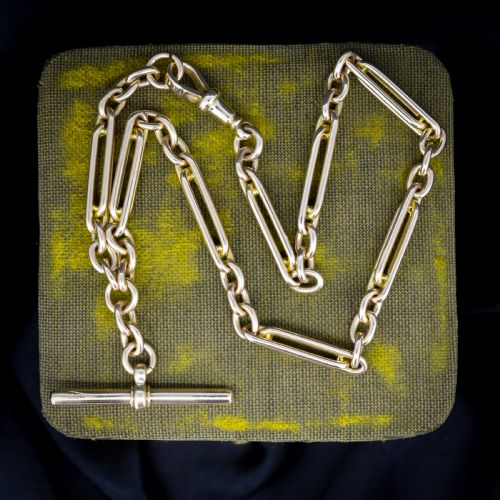
The intricacy of the link pattern - ranging from simple uniform curb links to complex fancy trombone and love knot assemblies - distinguishes standard utility chains from finer decorative examples.
Edwardian Albert Necklace Retail Price Guide 2026
Typical asking prices for edwardian albert necklace among the pieces listed under this phrase on Sellingantiques today, from the lower quarter to the upper quarter. They describe what is for sale here now, not the wider market.
Many chains still carry the miniature dog clips originally tasked with rescuing falling pocket watches from cobblestone streets.
The Edwardian Albert Necklace Glossary
- Albert chain
- A heavy watch chain designed to secure a pocket watch to a garment, featuring a t-bar at one end and a swivel clip at the other. These chains are now widely worn as necklaces.
- Dog clip
- A spring-loaded swivel clasp attached to the end of a watch chain, originally used to secure a pocket watch or fob. It remains the primary fastening mechanism on converted necklaces.
- T-bar
- A short transverse bar attached to the centre of an albert chain, originally slotted through a waistcoat buttonhole to anchor the watch. On necklaces, it hangs as a decorative pendant feature.
- Trombone link
- A distinct watch chain link pattern composed of elongated rectangular links alternating with smaller circular or oval connecting links. This style provides significant visual length and flexibility.
- Hallmark
- An official stamp struck into precious metals indicating purity, origin assay office, and date of manufacture. These small marks provide verifiable evidence of a piece's age.
Edwardian Albert Necklace: Frequently Asked Questions
How do I wear an albert necklace?
These necklaces fasten around the neck using the integrated dog clip and jump ring or bolt ring. The decorative t-bar typically hangs down the front as a focal point.
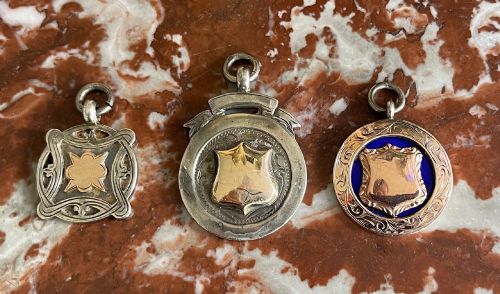
You can also loop the chain or attach additional antique fobs and pendants to the swivel clips for a more personalised arrangement.
Were these originally made for men?
Pocket watch chains served as standard accessories for gentlemen during the Victorian and Edwardian periods, secured across waistcoats. Today, their generous weight and secure fixings make them popular as substantial gold and silver necklaces.
The original utility design translates seamlessly into modern neckwear while preserving nineteenth and twentieth century metalwork.
How do I tell Edwardian chains apart from Victorian ones?
Dating relies heavily on the official hallmarks stamped onto the individual links, which denote specific assay offices and production years. Edwardian examples often feature lighter rose gold tones or refined trombone and love knot configurations compared to earlier heavy Victorian curb chains.
Looking at the date letters stamped on the metal provides the most accurate method for distinguishing between eras.