
Edwardian 9ct Gold
Edwardian 9ct gold brings together delicate chains, gemstone pendants and sturdy bracelets shaped by the tastes of the early twentieth century.
Edwardian 9ct Gold
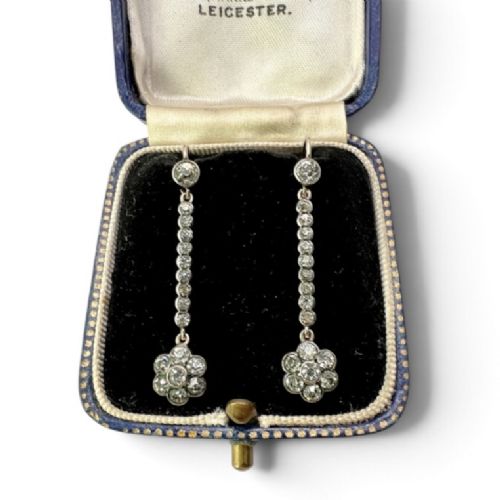
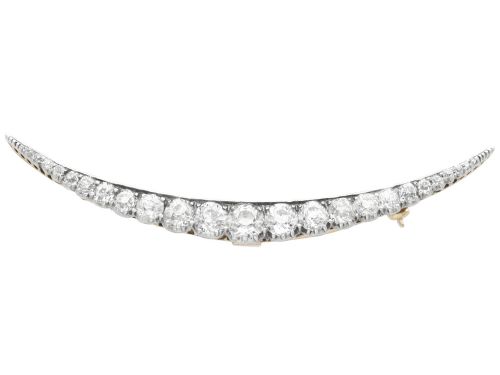
Edwardian 9ct gold pieces span the years around the turn of the twentieth century, taking the form of rings, brooches, necklaces, bracelets and earrings. A buyer searching for edwardian 9ct gold encounters items cast, stamped and forged in yellow, rose and white gold.
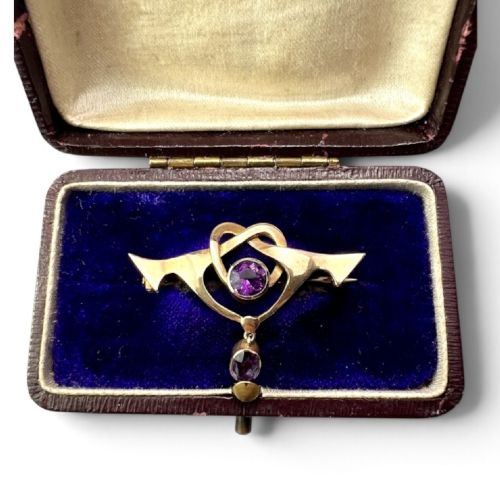
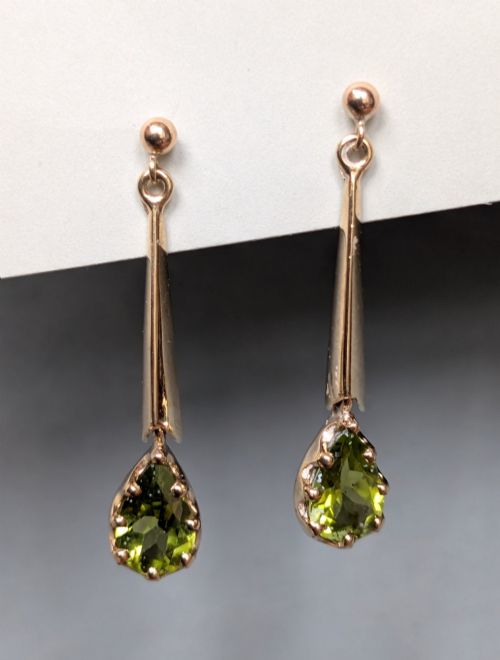
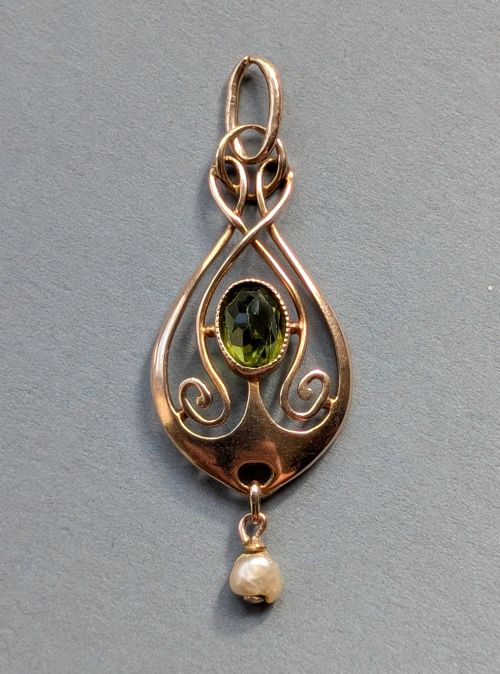
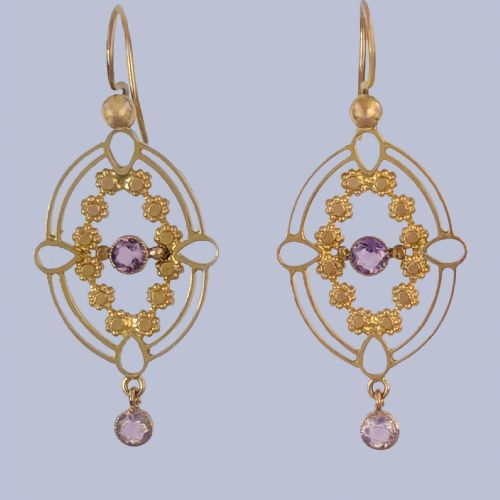
The objects frequently incorporate gemstones such as amethyst, peridot, turquoise, aquamarine and seed pearl, often set within openwork floral or geometric designs. Many surviving examples reflect Art Nouveau and Arts & Crafts sensibilities alongside classical Edwardian aesthetics.
Materials and construction
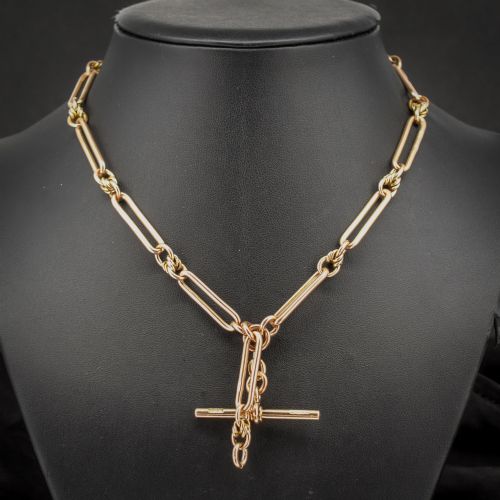
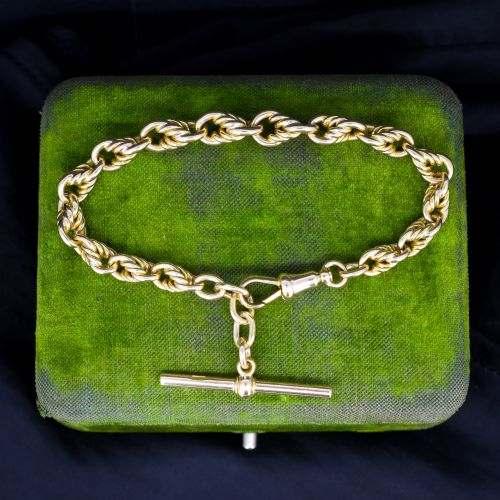
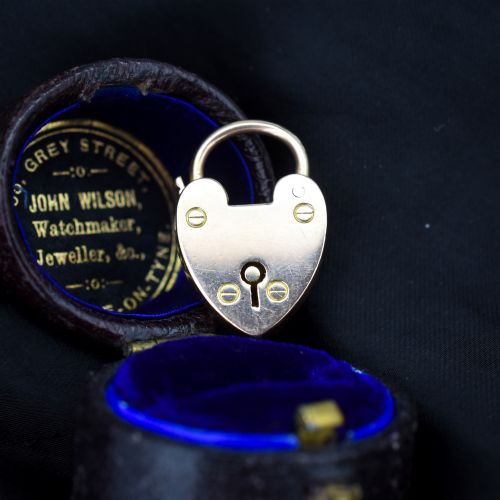
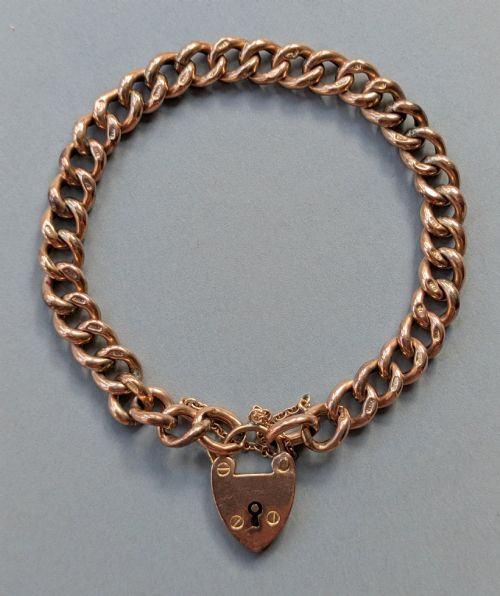
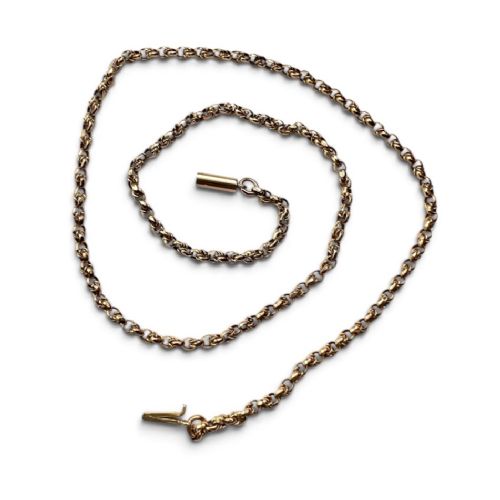
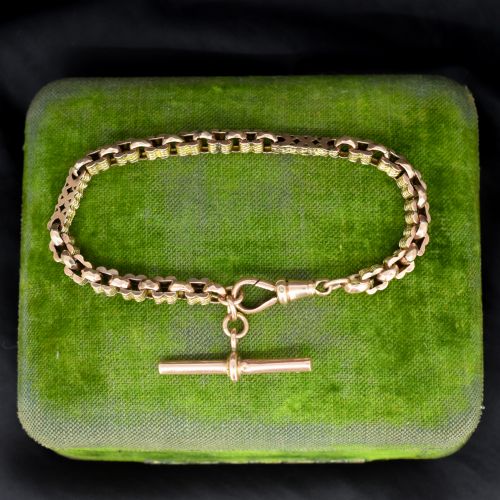
Makers utilised 9ct gold in yellow, rose and white tones to form links, settings and wirework, sometimes pairing the metal with silver mounts or engraving the surfaces. Chains and bracelets rely on heavy curb links, padlocks, dog clips and t-bars.
Gemstones including peridot, amethyst, turquoise and seed pearls are mounted in collet settings or woven into negligee necklaces and fringe necklaces. Pierced openwork and engraved detail define the decorative approach across pendants and brooches.
Listings feature 9ct rose gold and 9ct yellow gold alongside seed pearls, peridots, amethysts and turquoises.
Judging quality in edwardian 9ct gold
The standard of a piece depends upon the weight of the metal, the crispness of the chased or engraved detail and the integrity of the stone settings. Substantial curb link bracelets with secure dog clips or padlocks demonstrate higher structural durability.
Refined openwork metal assembly and well-matched natural gemstones elevate individual pieces above simpler mass-produced counterparts. Original boxes and fully legible hallmarks further distinguish finer examples.
Deakin & Francis·Murrle Bennett
The Edwardian 9ct Gold Glossary
- Curb link
- A type of chain formed of interlinked, slightly flattened uniform links that lie flat against the skin.
- Negligee necklace
- A pendant style featuring asymmetrical drops suspended from a central chain.
- Seed pearl
- Very small, naturally occurring pearls often used in clusters to accent floral and ribbon motifs.
- Vesta
- A small pocket container originally used for holding matches.
- Dog clip
- A spring-loaded clasp commonly attached to watch chains and heavy bracelets.
Edwardian 9ct Gold: Frequently Asked Questions
What periods do these pieces date from?
The items originate primarily from the Edwardian era, spanning the late nineteenth century through to the nineteen thirties. Pieces reflect stylistic influences from Art Nouveau and Arts & Crafts movements alongside traditional Victorian designs.
Assay office marks and stylistic cues help determine the specific decade of manufacture for each individual item.
How were these chains and bracelets worn?
Heavy curb link chains and watch chains were traditionally secured across waistcoats using dog clips and t-bars, while thinner chains held pendants close to the collar. Today, these chains and bracelets adapt easily for contemporary wear.
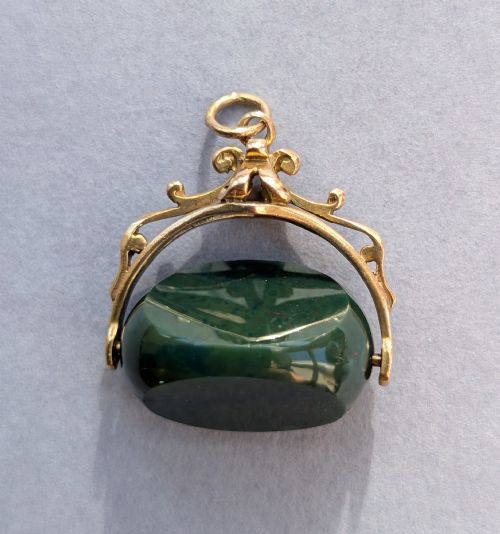
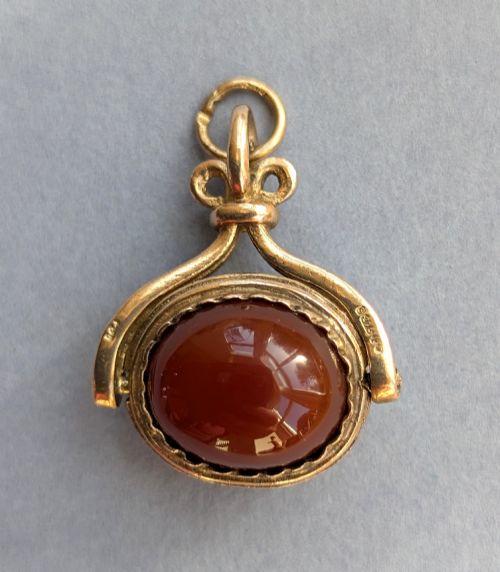
Padlocks and spinning fobs served both functional and decorative purposes on the original watch chains.
Are the gemstones natural?
The listings feature natural stones such as peridot, amethyst, turquoise, aquamarine and seed pearls set into the gold mountings. Paste and glass accents appear in select pieces alongside genuine gems.
Setting styles reflect the hand-working techniques typical of the period workshops.
How do I care for edwardian 9ct gold jewellery?
Gentle cleaning with a soft cloth preserves the engraved surfaces and polished metal without wearing down delicate openwork. Seed pearls and turquoise require particular care to avoid moisture damage.
Store pieces separately to prevent scratching between chains and gemstone settings.