
Edwardian 9ct Gold Bracelet
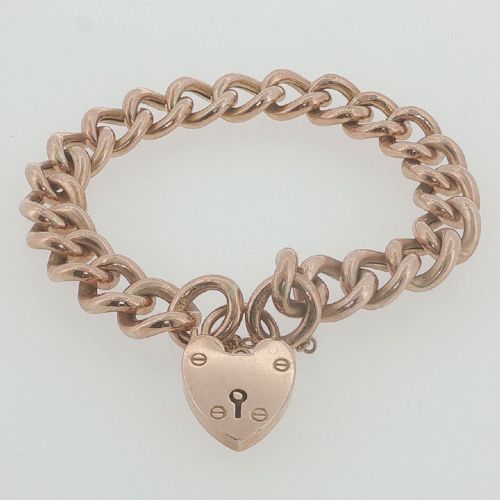
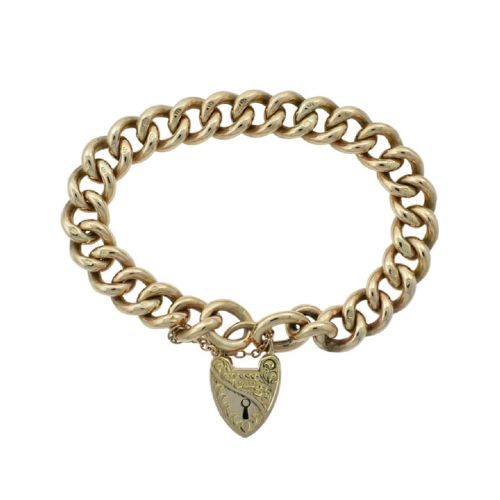
Discover an edwardian 9ct gold bracelet, crafted with rich rose or yellow gold and often finished with a secure heart padlock clasp.
Edwardian 9ct Gold Bracelet
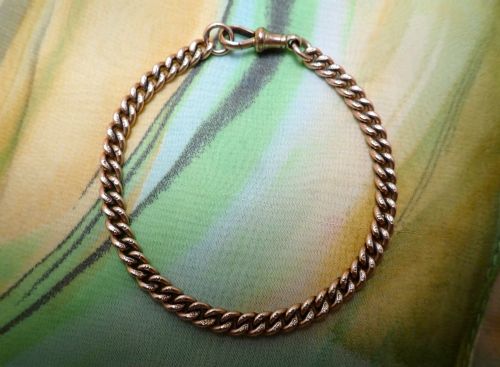
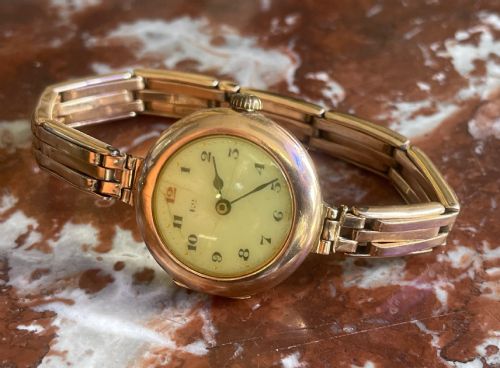
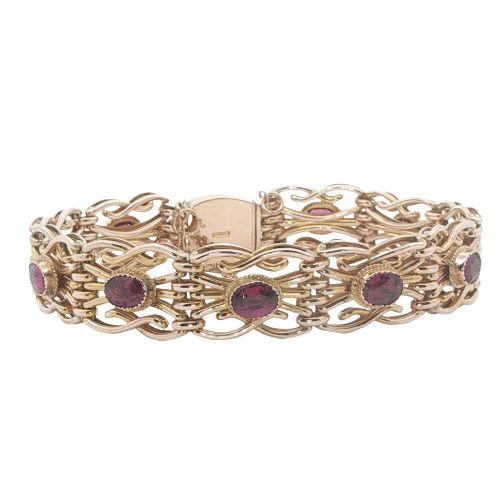
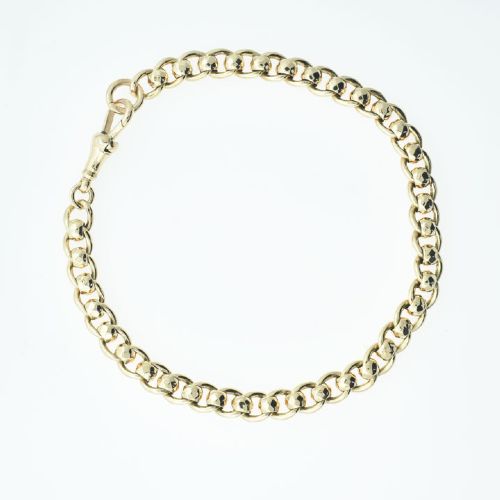
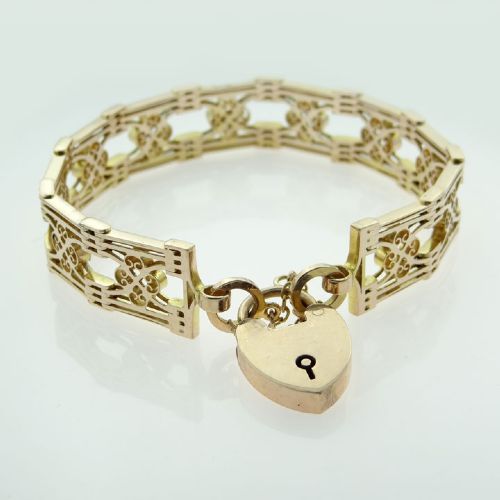
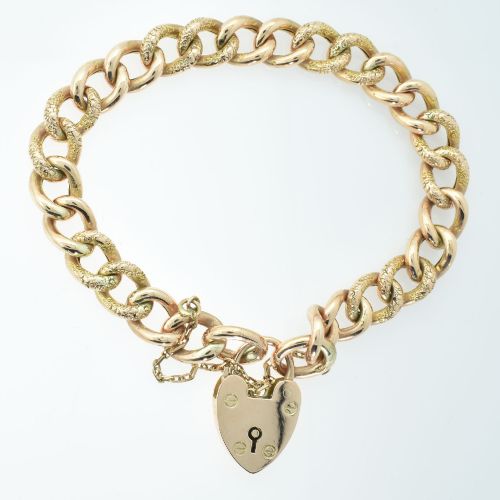
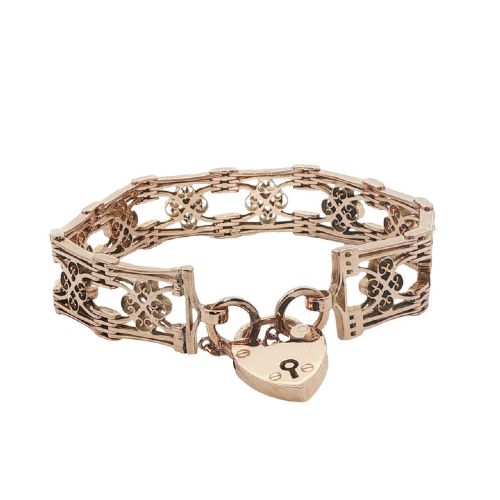
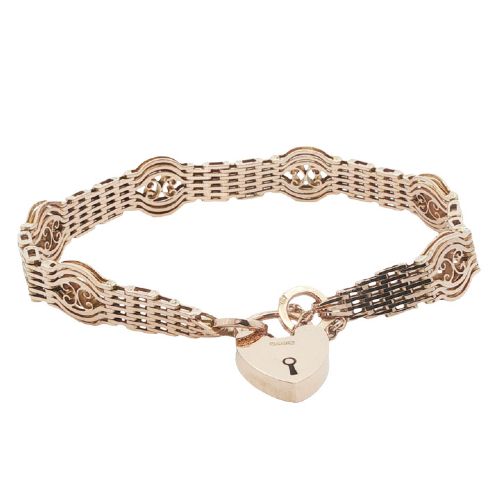
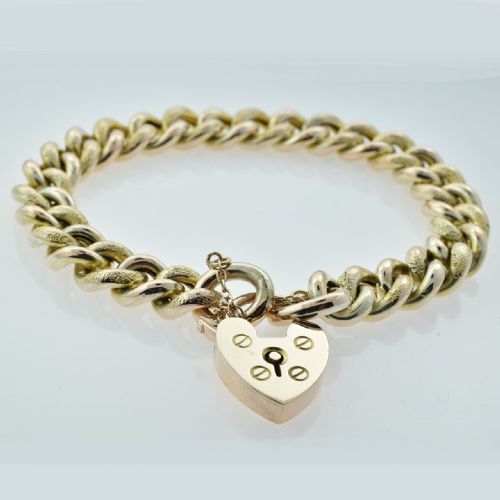
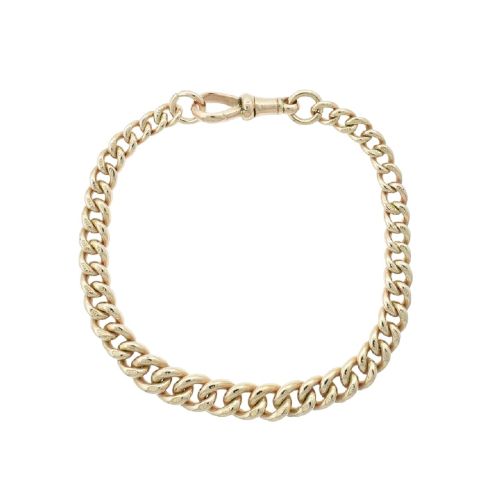
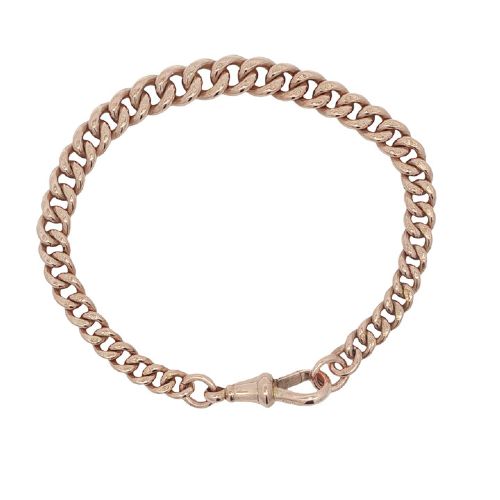
The edwardian 9ct gold bracelet category encompasses a variety of antique forms originating around the early twentieth century, including robust curb chains, flexible gate links, and hinged bangles.
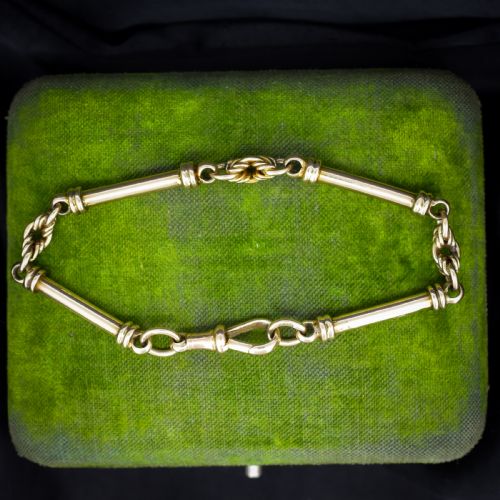
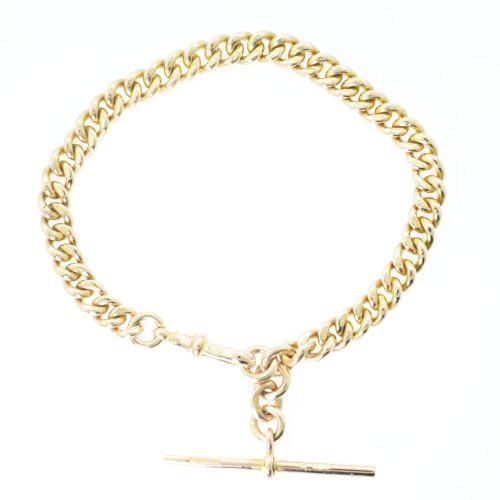
Many examples incorporate secure heart padlocks, dog clips, or T-bars, reflecting their origins as watch chains or dedicated keepsake jewellery.
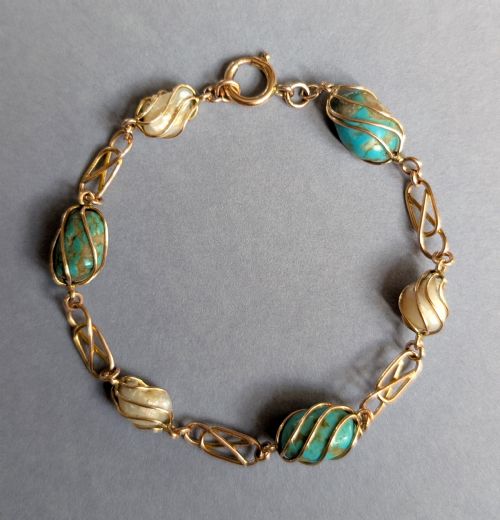
Makers frequently set these pieces with gemstones such as amethyst, turquoise, garnet, sapphire, opal, and seed pearls, often arranged in floral or celestial motifs.
Materials and manufacturing techniques
Items are constructed predominantly from nine-carat gold, appearing in distinct rose, yellow, and occasionally heavier red tones.
Links are shaped by hand or machine into hollow and solid curb chains, tubular bars, and multi-bar gate designs, then joined securely together.
Surface ornamentation relies on hand engraving, half-engraved floral patterns, and collet settings to hold gemstones like diamonds, rubies, and almandine garnets.
Listings feature gemstone varieties including amethyst, turquoise, garnet, opal, and sapphire set into nine-carat rose and yellow gold.
Evaluating construction and weight
Quality diverges between hollow, lightweight chains and substantial solid gold pieces with higher gram weights and minimal wear to the links.
The presence of crisp, deep hallmarks, legible maker marks, and original safety chains or functional heart padlocks elevates a piece.
Stone selection and secure setting work differentiate standard examples from those mounted with matched natural gems, such as cushion-cut green zircons or fine sapphires.
Deakin and Francis·Smith and Pepper·Wilsdorf and Davis
The Edwardian 9ct Gold Bracelet Glossary
- Curb link
- A type of chain made from flattened, uniform links that lie flat against the wrist. This form provides a comfortable and durable foundation for heavy padlock clasps.
- Gate bracelet
- A linked design composed of parallel vertical bars connected by small links, mimicking a physical gate. This style became immensely popular during the Edwardian period.
- Heart padlock
- A clasp shaped like a padlock in the form of a heart, often fitted with a functional spring mechanism. These clasps frequently secure curb and gate link bracelets.
- Seed pearl
- A very small, natural or saltwater pearl used extensively in clusters and floral arrangements during the Edwardian era. They add delicate texture to gold settings.
- T-bar
- A short metal bar attached to a chain by a short length of link, originally designed to slot into a waistcoat buttonhole. They remain on many converted watch chain bracelets.
Edwardian 9ct Gold Bracelet: Frequently Asked Questions
How do I wear a gate bracelet?
Gate links wrap securely around the wrist, typically fastened with an integral spring heart padlock.
These sturdy bracelets suit daily wear, though catches and safety chains should be checked regularly.
What is an Albert bracelet?
Albert chains were originally designed to suspend pocket watches from waistcoats or lapels.
Today, collectors wear these graduated gold chains directly around the wrist as substantial charm or padlock bracelets.
How are 9ct gold items hallmarked?
British hallmarking laws required items to bear stamps indicating the nine-carat gold standard along with assay office symbols.
Date letters stamped inside the links or padlocks help pinpoint the exact year of manufacture.
Are these bracelets solid or hollow?
Makers produced both solid gold variations and hollow tube constructions to cater to different budgets and weight preferences.
Solid links feel noticeably heavier in the hand and resist denting much better than hollow versions.