


Edo Period Box
These pieces designated as an edo period box offer an encounter with Japanese craftsmanship, prized by collectors for their intricate materials and historic utility.
Edo Period Box
When you search for an edo period box, you explore an array of containers spanning chests, tobacciana, storage cabinets, and decorative receptacles originating from Japan. The selection combines traditional objects from the nineteenth century alongside pieces associated with the Edo and Meiji periods.
The objects frequently encountered on this page include lacquer boxes, money boxes known as zenibako, table cabinets, and specialised storage such as helmet boxes. These items reflect the domestic and functional arts of historical Japan, rendered in wood, lacquer, iron, and porcelain.
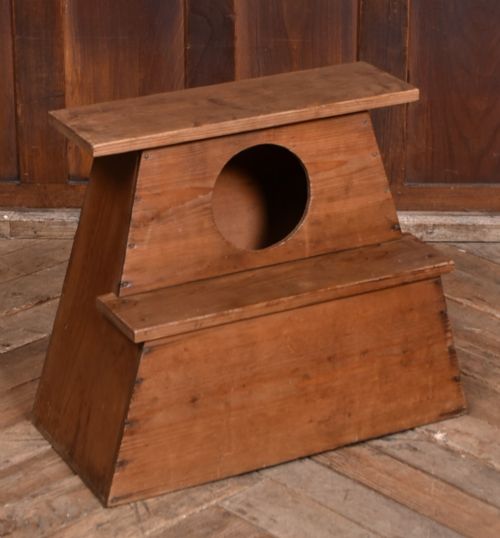
Collectors encounter diverse forms ranging from small lidded bowls to substantial tansu chests and ship's tansu chests. Each item carries the utilitarian purpose of its era, adapted for holding valuables, documents, tobacco, or household goods.
How They Were Made
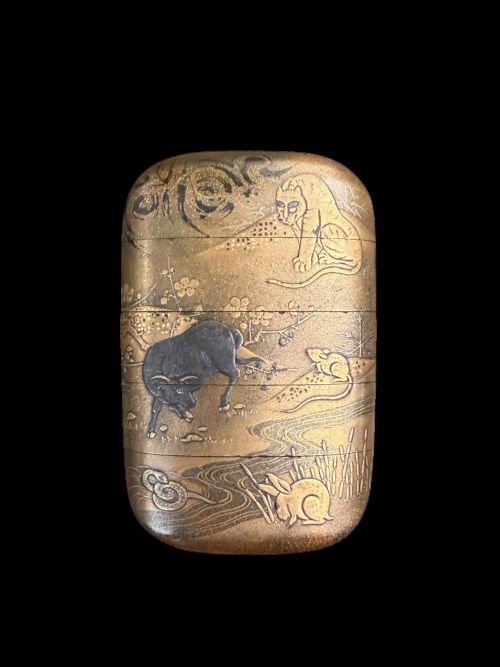
Makers utilised organic materials predominantly, shaping pieces from cedar, boxwood, and general wood structures combined with iron fittings and brass accents. Lacquer work forms a prominent technique, providing durable and lustrous surfaces often enhanced with gold leaf.
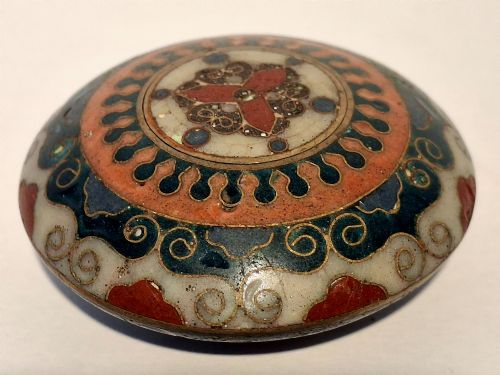
Metalwork appears in iron tinder boxes and structural hardware, whilst porcelain and cloisonne enamel enrich the decorative repertoire. Artisans carved intricate netsuke and figural elements from boxwood, demonstrating precise miniature sculpture alongside larger cabinetry.
What Varies in Quality
Quality rests upon the execution of surface decoration, such as the depth and stability of black lacquer finishes and the precision of gold leaf application. Finer pieces demonstrate superior control in carving, whether rendering figural details on boxwood netsuke or structural joinery on tansu chests.
The integrity of materials and hardware also defines the hierarchy, distinguishing standard utility items from works bearing signatures or complex cloisonne enamel work. The balance between preserved original condition and functional wear dictates the standing of each piece.
The Edo Period Box Glossary
- Tansu
- A traditional Japanese mobile chest or cabinetry used for storage, featuring iron or brass hardware. These pieces served various domestic functions, from general storage to securing valuables aboard ships.
- Inro
- A small traditional Japanese case for holding small objects, suspended from a sash. They comprise stacked tiers and typically demonstrate intricate lacquer or carved wooden craftsmanship.
- Zenibako
- A traditional Japanese money box utilised by merchants and households. These wooden strongboxes often feature coin slots and secure locking mechanisms.
- Cloisonne
- An enamelwork technique where decorative compartments are created on a metal base using soldered wire. Enamel paste is applied to these cellular spaces before firing.
- Netsuke
- A small carved toggle fastened to the end of a cord hanging from a kimono sash. Boxwood served as a primary material for these miniature sculptures depicting figures, animals, and mythological subjects.
Edo Period Box: Frequently Asked Questions
How were these boxes used?
Historical users employed them to store documents, currency, tobacco, samurai equipment, and personal valuables within the household or business.
Many designs served specialised purposes, including portable money handling and holding specific ceremonial or utility items.
How do I care for lacquer?
Maintain lacquer surfaces by keeping them away from direct sunlight and extreme humidity fluctuations to prevent cracking. Dust gently with a soft cloth without applying harsh chemical polishes.
Stable indoor environments help preserve the delicate finishes and gold leaf details found on these historic containers.
How do I identify periods?
Period identification relies on examining the materials, construction methods, and stylistic motifs characteristic of nineteenth-century manufacturing and traditional Japanese arts.
Signatures, specific hardware types, and regional woodworking techniques provide further clues regarding the date of origin.