







Edo Imari Plate
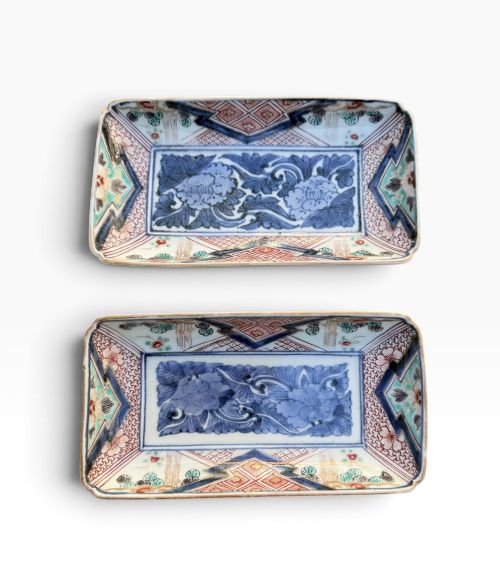
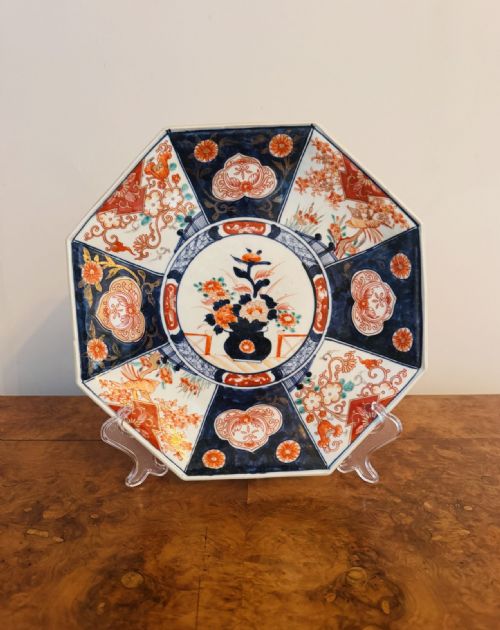
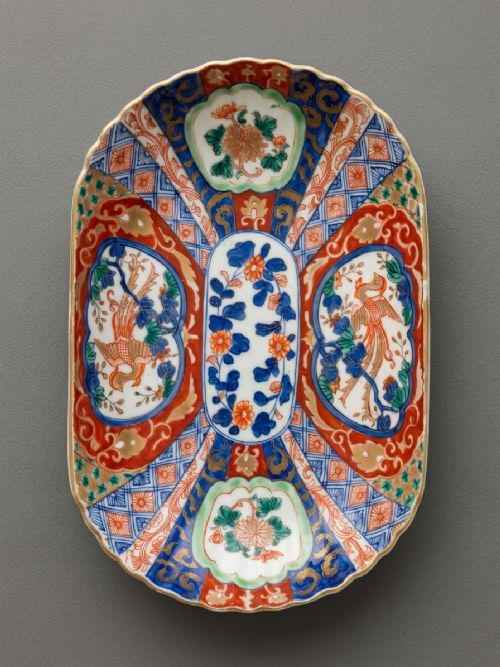
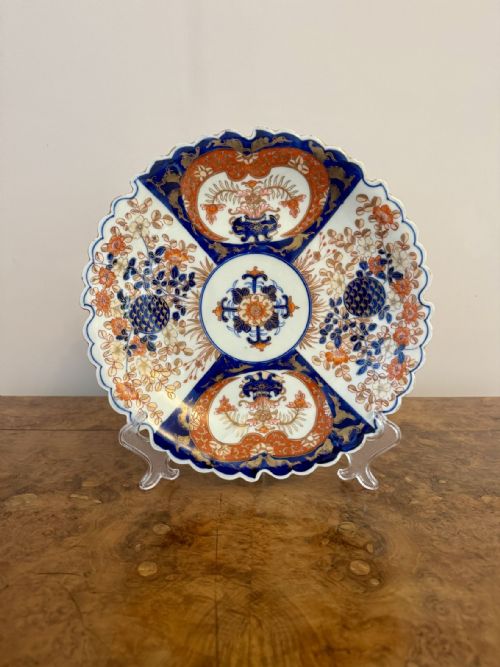
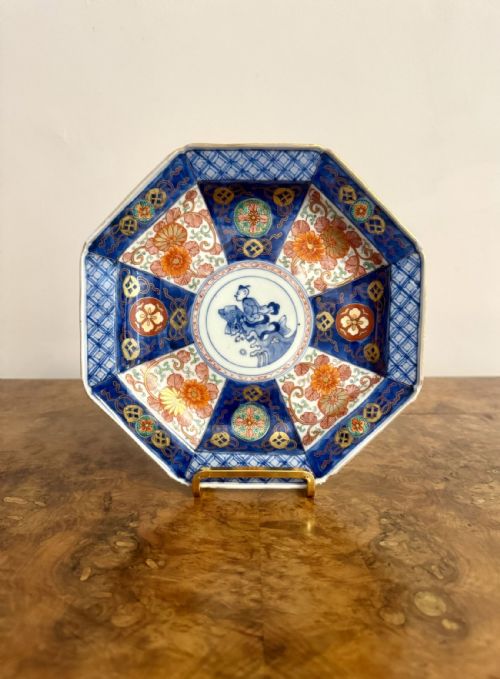
These pieces of edo imari plate offer traditional Japanese porcelain crafted for both display and daily dining.
Edo Imari Plate
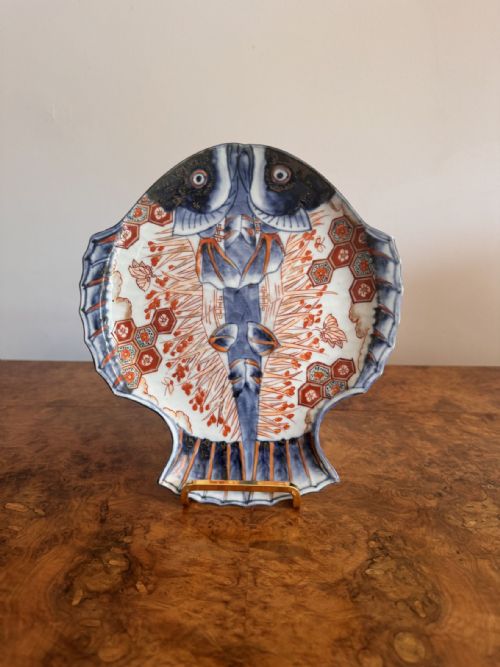
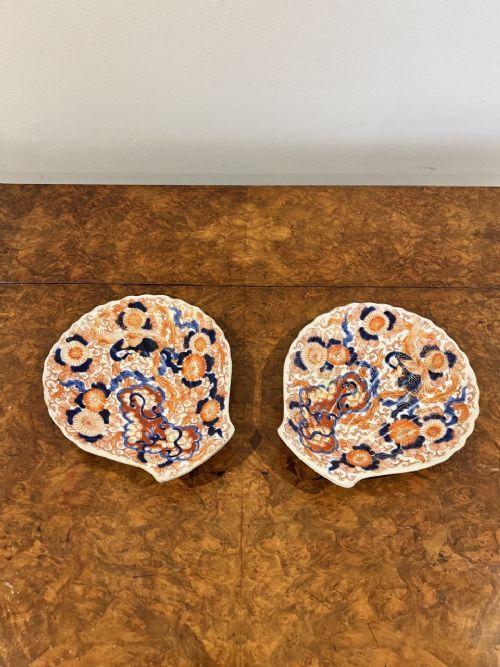
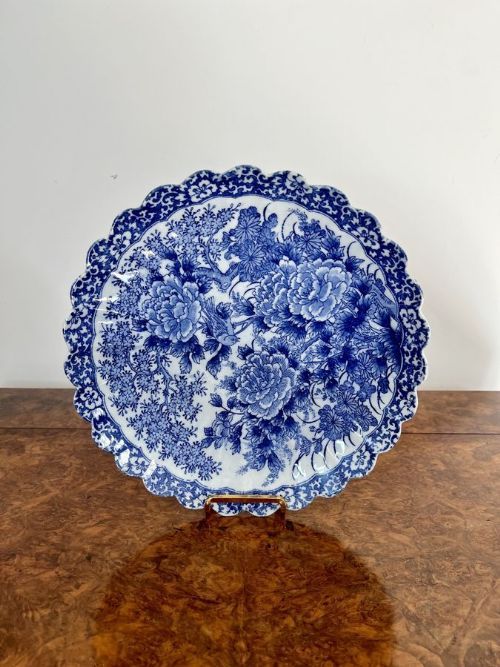
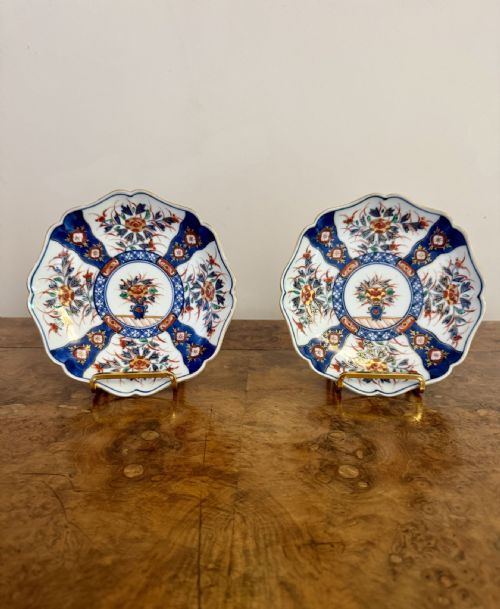
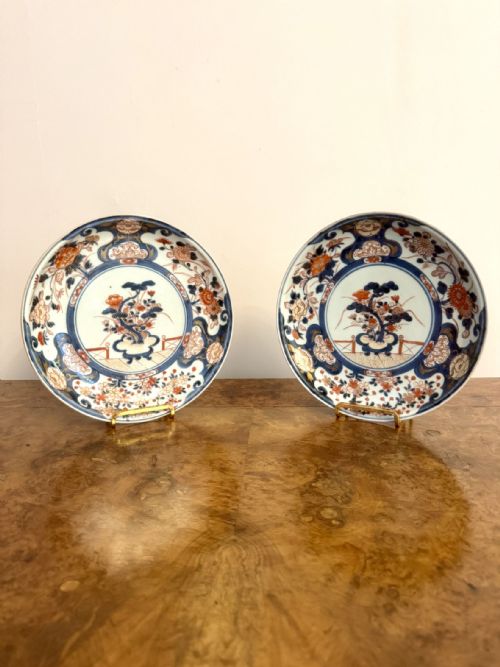
When you search for an edo imari plate, you encounter decorative porcelain items originating from Japan across several centuries. The selections include round chargers, scalloped dishes, and geometric plates shaped like leaves, fish, shells, fans, and squares.
You are most likely to meet pieces dated to the nineteenth century alongside examples spanning from the seventeenth century through the early twentieth century. These wares reflect the historic production methods of Japanese kilns, particularly within the Arita region.
Materials and construction
Potters formed these items using ceramic porcelain fired with cobalt underglaze, cobalt glaze, and traditional enamel pigments. Many examples incorporate hand-painted details supplemented by gold leaf and gilt highlights.
The physical construction varies from standard circular plates to moulded forms imitating natural objects such as clam shells and fan folds. Artisans applied glazes directly to the ceramic body before high-temperature kiln firing.
Edo Imari Plate Retail Price Guide 2026
Typical asking prices for edo imari plate among the pieces listed under this phrase on Sellingantiques today, from the lower quarter to the upper quarter. They describe what is for sale here now, not the wider market.
Some plates take the exact shape of a swimming fish or a fan, proving potters enjoyed playing with their food's presentation.
Distinctions in quality
The standard of execution depends upon the precision of the hand-painted brushwork and the vibrancy of the enamel colours. Superior examples display clear cobalt blue tones combined with carefully balanced gilt and iron-red accents.
Unusual structural forms, such as fish or shell silhouettes, demand greater skill from the potter than simple round dishes. The crispness of the moulded edges and the uniformity of the glaze surface separate standard items from finer works.
The Edo Imari Plate Glossary
- Imari
- A style of Japanese porcelain named after the port from which the wares were shipped, typically decorated in cobalt blue, iron red, and gold.
- Charger
- A large decorative plate or dish intended primarily for display on a wall or sideboard rather than for serving food.
- Arita
- The Japanese town and surrounding region in Hizen province where the production of Japanese porcelain historically centered.
- Scalloped
- A curved, wavy edge design often applied to the rim of plates and dishes to mimic organic shapes.
- Cobalt underglaze
- A blue pigment applied to the raw ceramic body prior to glazing and firing, creating durable surface patterns.
Edo Imari Plate: Frequently Asked Questions
How were edo imari plates used?
These pieces served both practical dining functions and decorative display roles within traditional Japanese households. Larger chargers were often mounted on walls or placed on heavy furniture.
Smaller dishes saw use during formal meals for serving food items. Their durable porcelain construction allowed for regular handling over generations.
How do I live with antique porcelain?
Display these items away from direct sunlight to protect the integrity of the enamel pigments. Use padded plate hangers or stable stands if mounting them on walls or shelves.
Wash them by hand using lukewarm water and mild soap when cleaning is required. Avoid placing them in dishwashers or exposing them to sudden thermal shocks.
How are different periods identified?
Distinguishing between seventeenth-century and nineteenth-century items relies on observing the weight of the porcelain and the style of the brushwork. Earlier pieces often feature thinner bodies and specific cobalt tones associated with the Genroku period.
Later nineteenth-century productions frequently display denser ceramic bodies and heavier enamelling. Comparing the footrim construction also helps determine the manufacturing era.
What shapes are available?
The inventory includes standard round plates alongside geometric hexagons and squares. Sculptural forms moulded into fans, leaves, fish, and clam shells also appear frequently.
These varied shapes reflect the preference for nature-inspired designs in Japanese craft traditions. Each silhouette requires specific moulding techniques during the initial clay shaping process.