
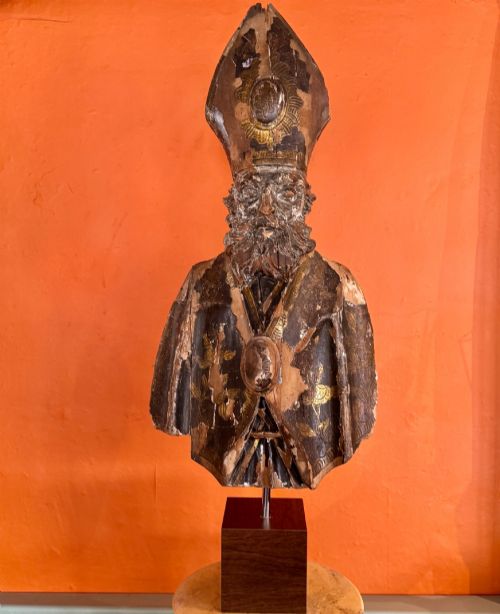
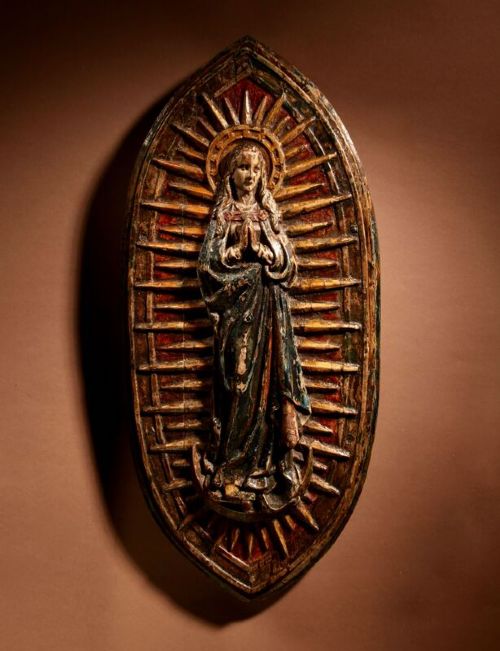
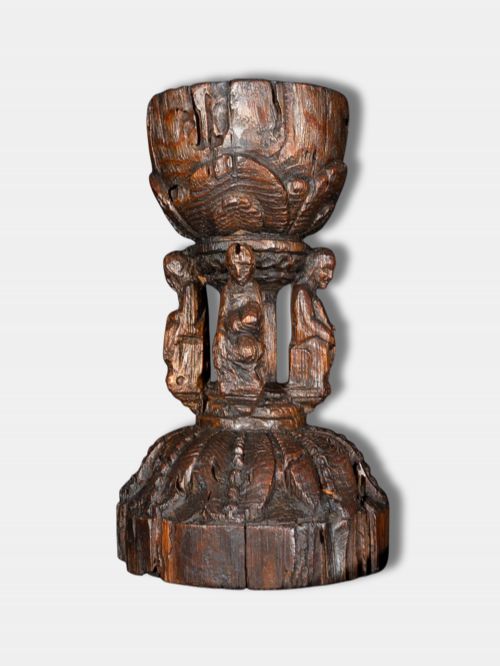
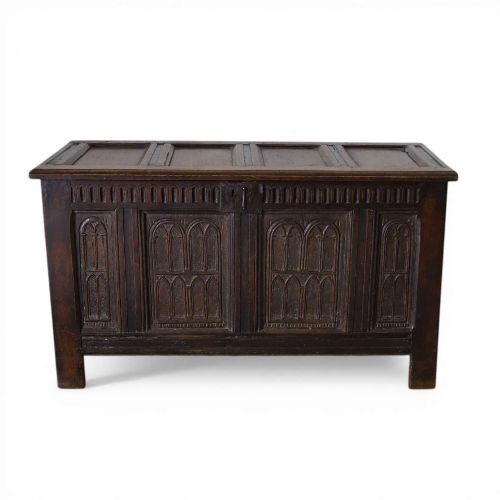
Ecclesiastical Wooden Carvings
Ecclesiastical wooden carvings bring sacred history indoors through centuries of devotional craftsmanship.
Ecclesiastical Wooden Carvings
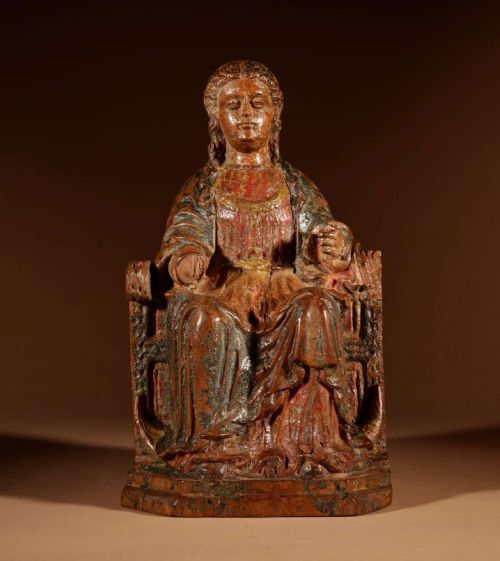
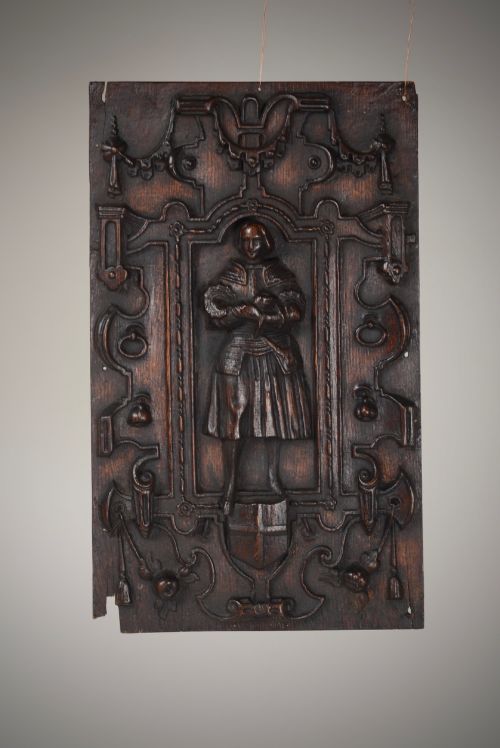
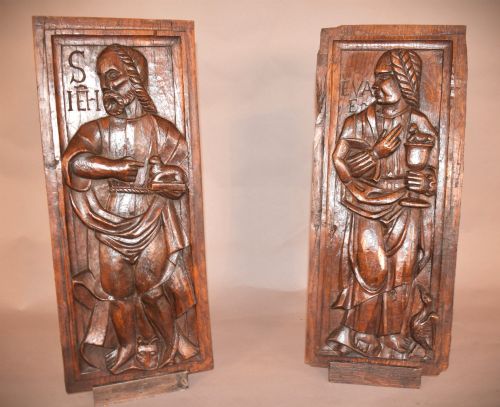
Ecclesiastical wooden carvings comprise devotional sculptures, architectural fragments, panels, and figures originating from churches and monastic settings. These artefacts span centuries of religious expression, ranging from pre-sixteenth-century medieval pieces to nineteenth-century Gothic Revival works.
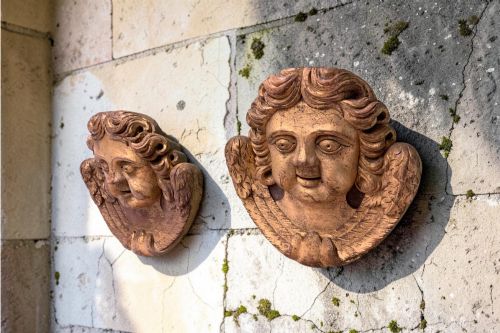
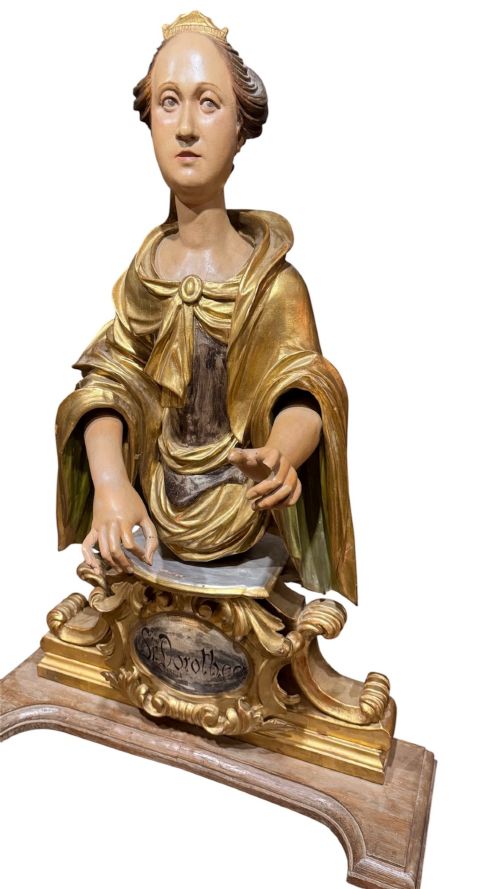
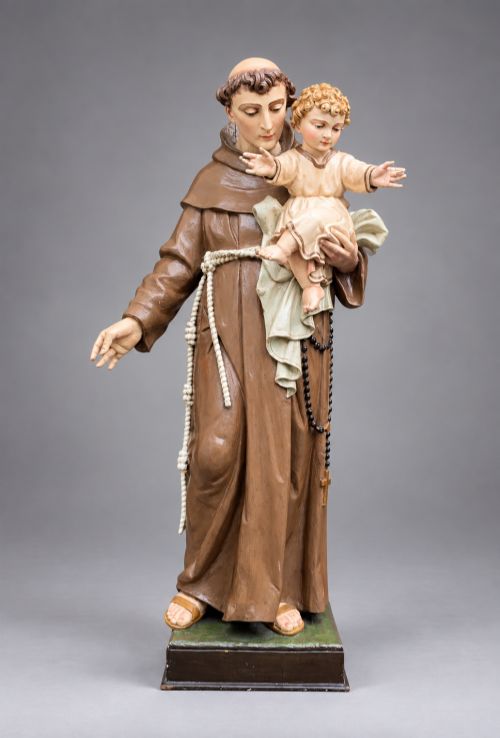
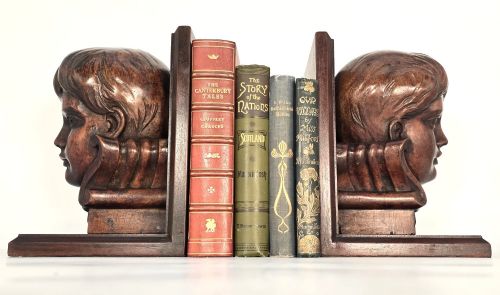
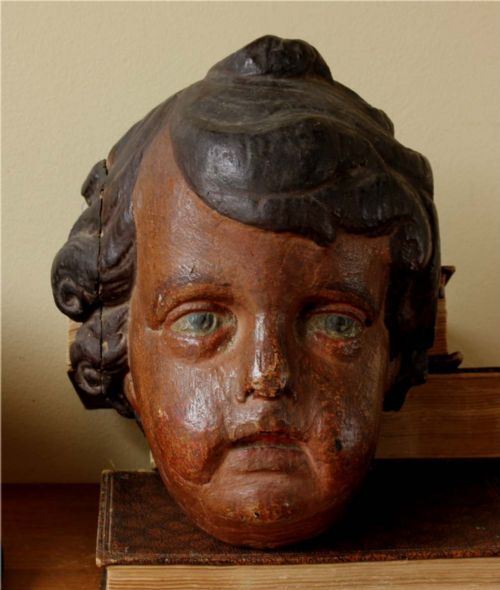
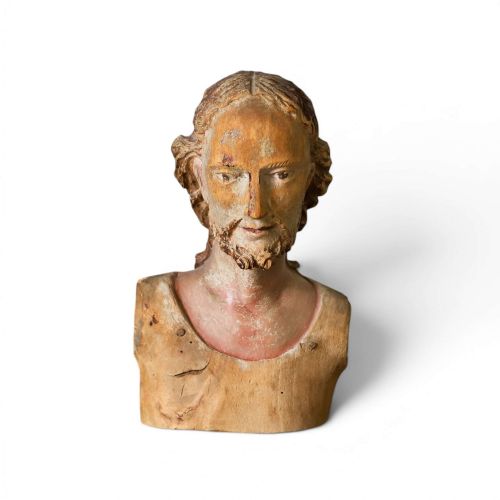
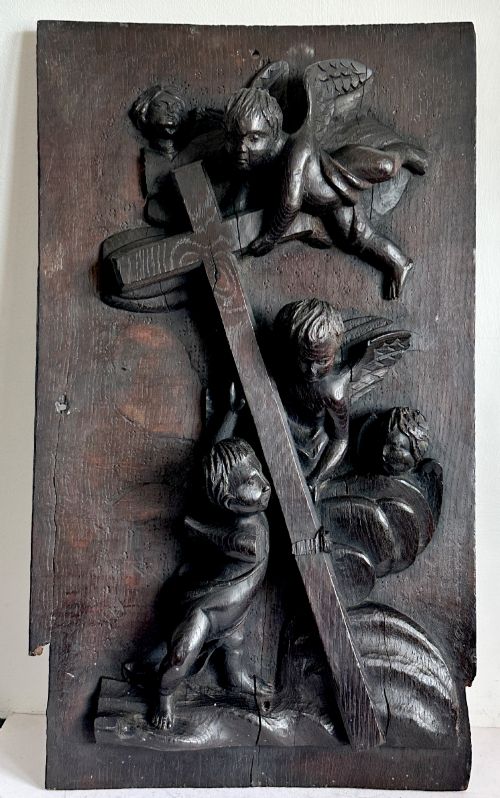
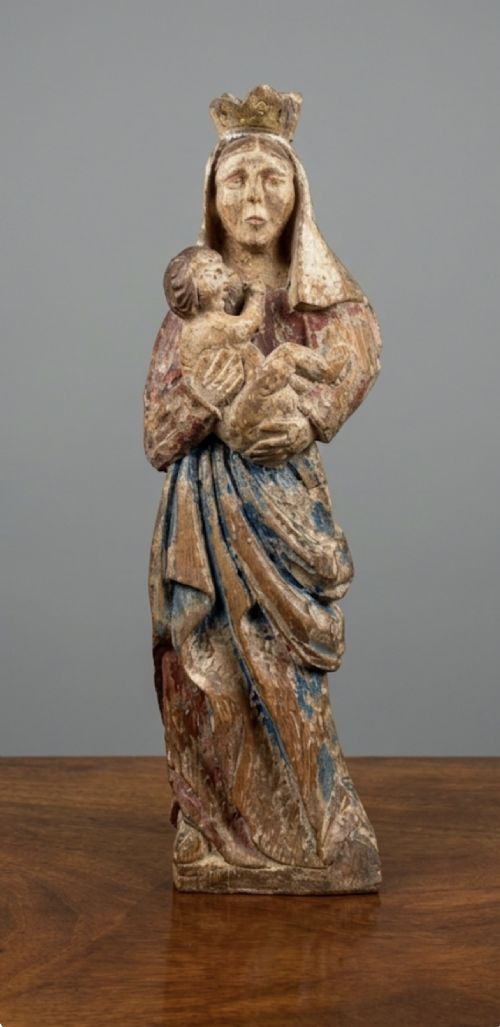
Oak and walnut form the predominant foundation for these sculptural works, alongside olive wood and limewood. The pieces take many forms, including statues of saints, corpus Christi figures, structural panels, and decorative heads.
Continental European workshops supply a significant portion of these items, with Italian, French, and German origins appearing frequently. Buyers encounter both monumental life-size figures and intimate architectural fragments salvaged from larger altarpieces.
Judging quality
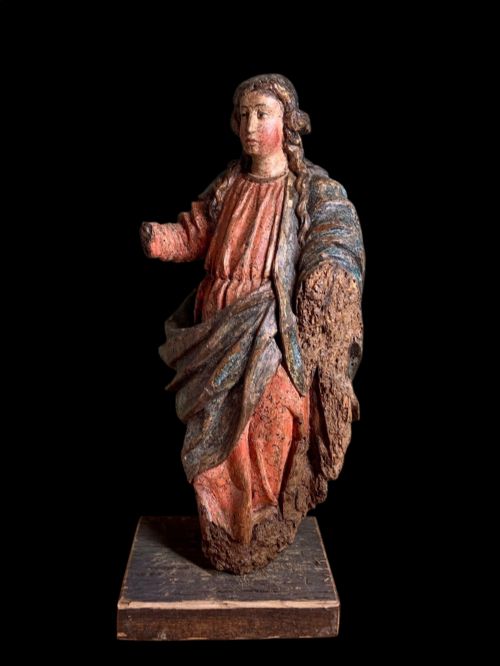
The survival of original surface treatments, such as polychrome paint or gold leaf, dictates much of the visual character. Pieces retaining authentic early pigment layers offer greater historical integrity than later repainted examples.
Several figures carry hidden symbols, with saints clutching miniature hearts and cherubs peering down from Baroque cornices.
The Ecclesiastical Wooden Carvings Glossary
- Polychrome
- Painted in several colours. This surface treatment brings medieval and baroque wooden sculptures to life with realistic skin tones and tinted garments.
- Gesso
- A plaster mixture applied to wood as a base for paint or gold leaf. It creates a smooth surface for detailed decoration.
- Corpus Christi
- The body of Jesus depicted on a cross. These figures form the focal point of crucifixes and altars.
- Putti
- Depictions of chubby male infants, often winged. They appear frequently in baroque church decoration and architectural carvings.
- Altarpiece
- A structural artwork placed behind an altar. Central panels often feature high-relief carvings of saints or biblical scenes.
Ecclesiastical Wooden Carvings: Frequently Asked Questions
How were these carvings used originally?
Carvings served as focal points for prayer and contemplation within altarpieces, choir stalls, and church walls. Life-size figures stood on plinths or acted as reliquaries and candle bearers.
Smaller panels and reliefs adorned pulpits and screens, helping to communicate scripture to congregations through visual storytelling.
How do I care for antique wood carvings?
Keep wooden sculptures away from direct heat sources and dramatic humidity fluctuations to prevent the timber from splitting. Dust them gently with a soft, dry cloth without applying modern polishes.
Surface treatments like gesso and polychrome paint are delicate and benefit from stable indoor environments protected from direct sunlight.
How can I tell the period of a carving?
Stylistic markers such as the heavy drapery folds of Gothic figures or the dynamic movement of baroque art provide initial clues to dating. Tool marks, wood species, and the presence of original gesso or polychrome layers further help determine age.
Comparing construction methods and joinery with documented examples from specific centuries confirms the likely origin.