


Victorian Library Accessories
These Victorian library accessories are practical desk furnishings and reading aids built to last, offering both function and period character for any study.
Victorian Library Accessories
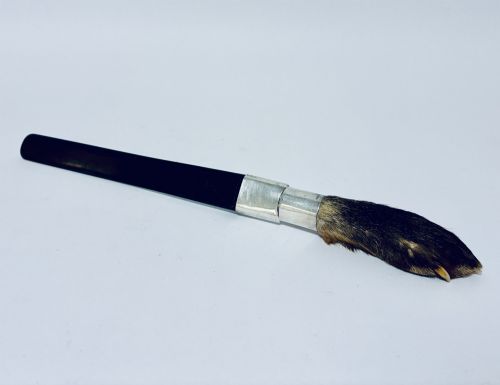
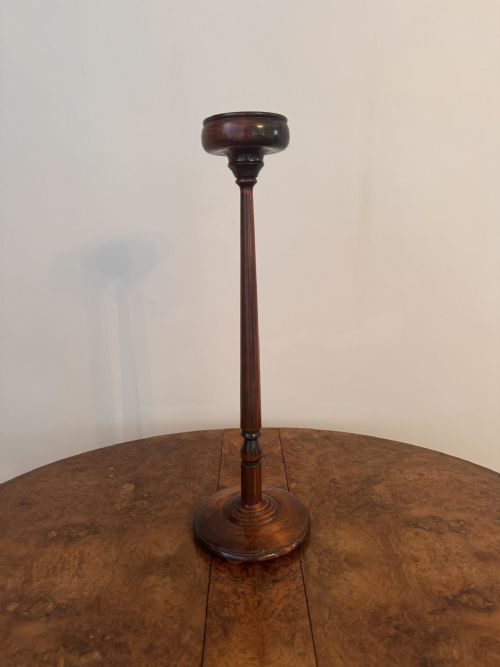
Victorian library accessories encompass a diverse range of functional objects designed for the study, writing desk, and home library. Buyers searching for victorian library accessories will encounter items built to organise reading materials, illuminate texts, and assist with correspondence.
Materials span sturdy hardwoods like mahogany, oak, and burr walnut, alongside tactile additions of brass, leather, and horn. Pieces range from plain utility items to decorative Gothic Revival designs.
How they were made
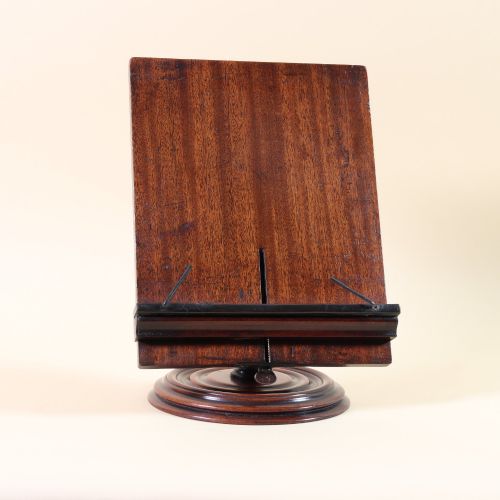
Cabinet makers utilised dense timbers such as mahogany, oak, and burr walnut to construct book rests, stands, and cabinets. These woods were chosen for their durability and finished to highlight natural grain patterns.
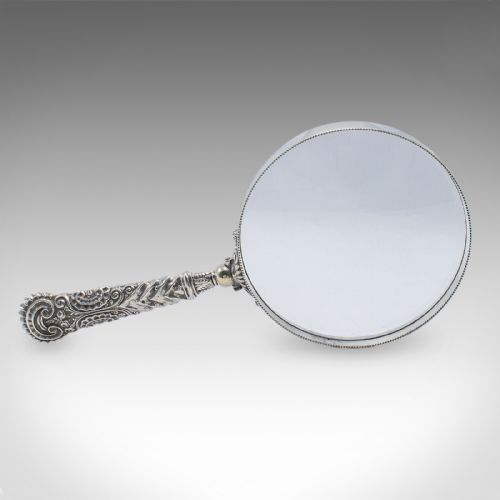
Functional hardware in brass and silver plate provided structural reinforcement and mechanical action, notably in extending book slides and magnifying glass mounts. Leather and glass were integrated for writing surfaces and optical aids.
Listings feature items spanning the Victorian era, Edwardian period, and early twentieth century, utilising mahogany, oak, brass, and leather.
What varies in quality
Quality in these pieces depends upon the choice of timber and the precision of the joinery and metalwork. Superior examples display carefully selected burr veneers, robust brass mountings, and hand-carved details.
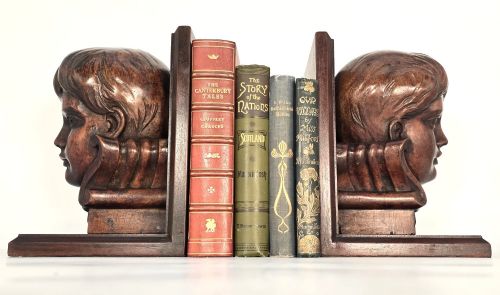
Decorative embellishments, such as painted plaques or ecclesiastical carvings, separate standard utility items from finer objects intended for display in prominent reception rooms.
The Victorian Library Accessories Glossary
- Book slide
- An adjustable stand designed to hold a row of books upright on a desk or shelf, often featuring extending wooden ends with brass mechanism actions.
- Desk tidy
- A compartmented stand or standish used to hold writing implements, blotting paper, and inkwells in an orderly fashion.
- Gothic Revival
- A nineteenth-century design style drawing inspiration from medieval architecture, characterised by pointed arches, ecclesiastical carving, and heavy proportions.
- Standish
- A small tray or desk stand equipped to hold ink, sand, and pens for writing correspondence.
- Burr walnut
- A prized timber harvested from the wart-like growths on walnut trees, yielding complex, swirling grain patterns highly valued in veneer work.
Victorian Library Accessories: Frequently Asked Questions
What is an extending book slide?
An extending book slide is a wooden or metal desk accessory with movable sections that expand or contract to hold a varying number of volumes securely between them.
These pieces were common fixtures on nineteenth-century writing desks and library tables to keep working volumes close at hand.
How were desk tidies used?
Desk tidies served as central organisation points for stationery, holding items like pens, stamps, sealing wax, and ink.
They kept the writing surface clear and ensured necessary correspondence tools remained grouped together.
What materials are typical for these pieces?
Common materials include hardwoods such as mahogany, oak, and burr walnut, paired with functional hardware made of brass and silver plate.
Leather, glass, and horn also appear frequently in items like blotters, magnifying glasses, and candle sticks.
How do I spot Gothic Revival style?
Gothic Revival pieces often display architectural motifs inspired by medieval buildings, including pointed arches and ecclesiastical carvings.
They are typically constructed from heavy timbers like oak or mahogany and frequently incorporate brass mounts.