


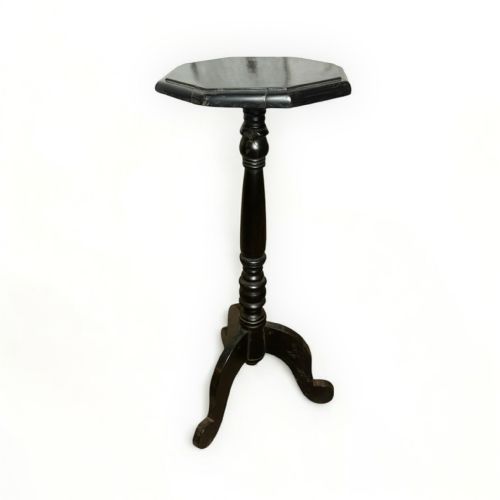


Ebony Pedestal Table
An ebony pedestal table brings rich, dark timber and sculptural support into a room, offering both practical surface area and striking visual weight.
Ebony Pedestal Table
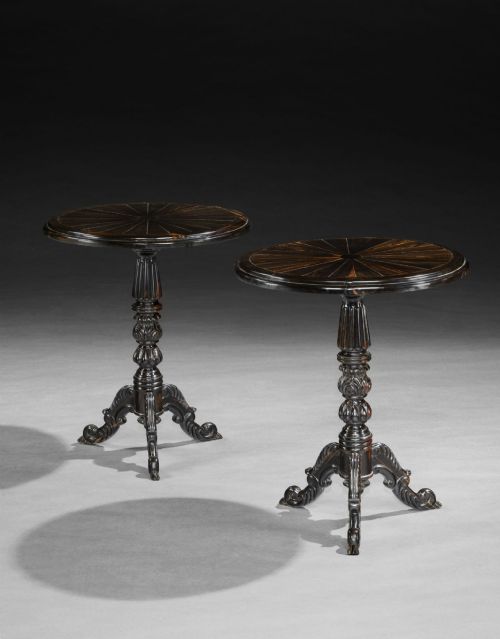
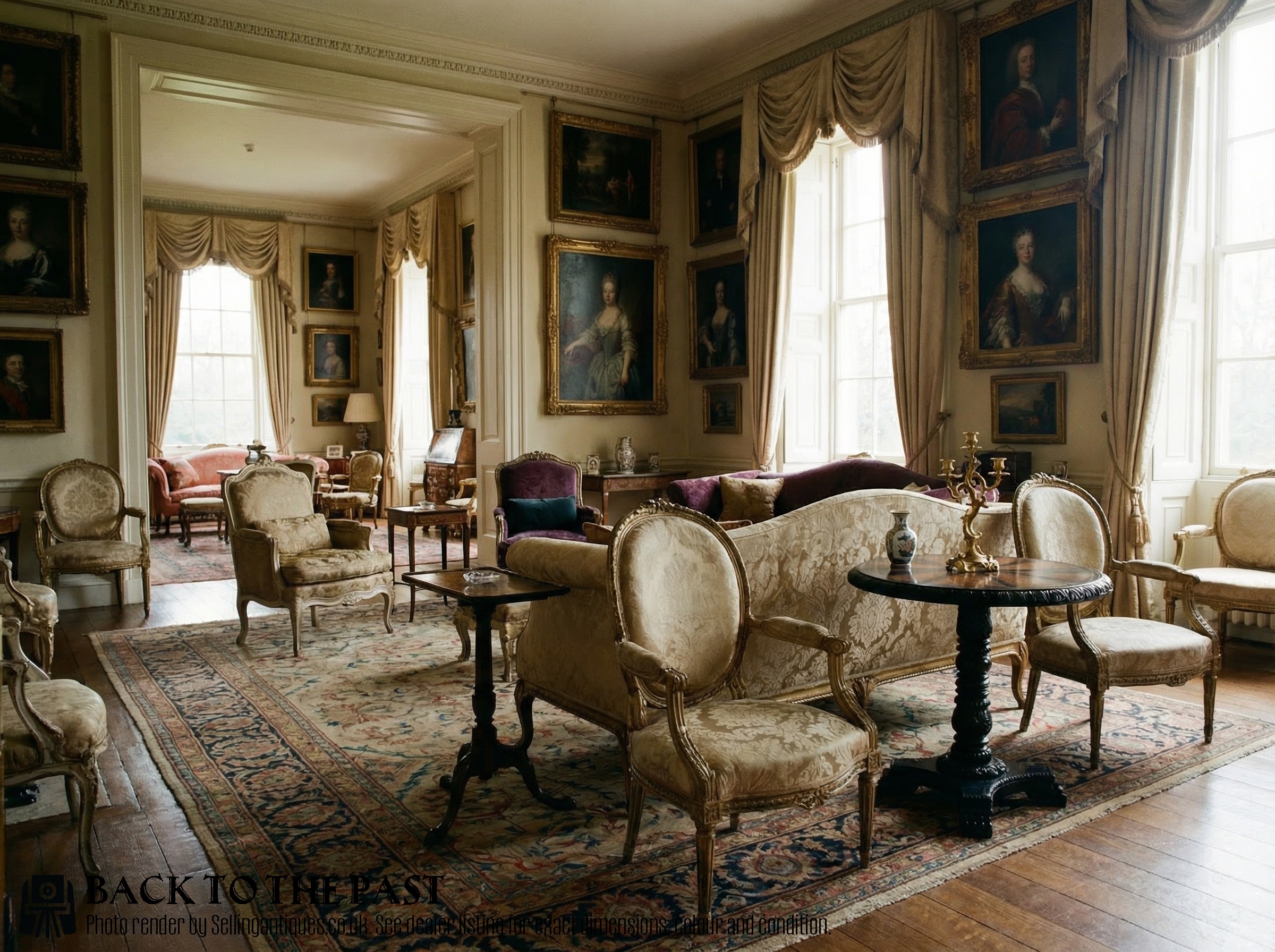
When buyers search for an ebony pedestal table, they encounter a range of forms from the Georgian, Regency, and Victorian eras alongside later 1930s modernist pieces. These items serve primarily as occasional tables, centre tables, and games tables, relying on a central column for support rather than four corner legs.
The version most commonly met on this page is the nineteenth-century occasional or centre table, often incorporating contrasting timbers like amboyna, mahogany, or satinwood alongside solid or ebonised wood. Examples span diverse origins including English workshops, Anglo-Indian colonial makers, and Chinese export studios.
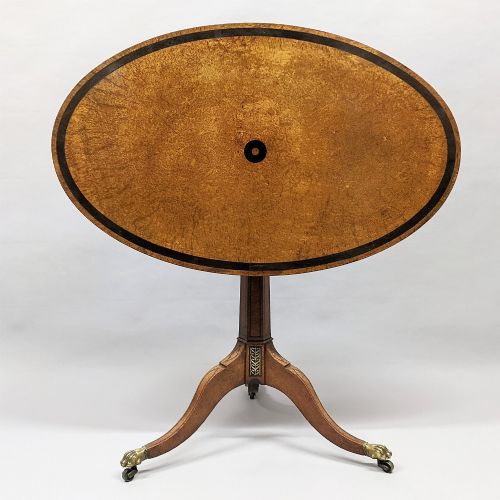
Makers utilised the dense, dark grain of ebony and Macassar ebony both for structural impact and delicate stringing details. Whether taking a tripod form, an octagonal side table, or a tilt-top breakfast table, each piece centres on the visual interplay between the dark central support and the wider top.
How they were made
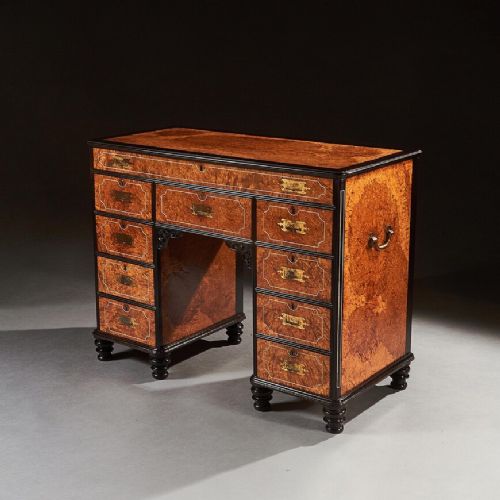
Craftsmen built these tables using dense hardwoods such as solid ebony, Macassar ebony, and ebonised wood, frequently pairing them with contrasting veneers like amboyna, satinwood, and burr walnut. Brass mounts, intricate parquetry, and fine ebony stringing provide decorative contrast to the dark primary surfaces.
Construction techniques combine sturdy central pedestals with balanced tripod or platform bases to support heavy stone, marble, or solid wood tops. Tilt-top mechanisms and complex joinery allowed makers to combine practical utility with refined cabinetmaking standards.
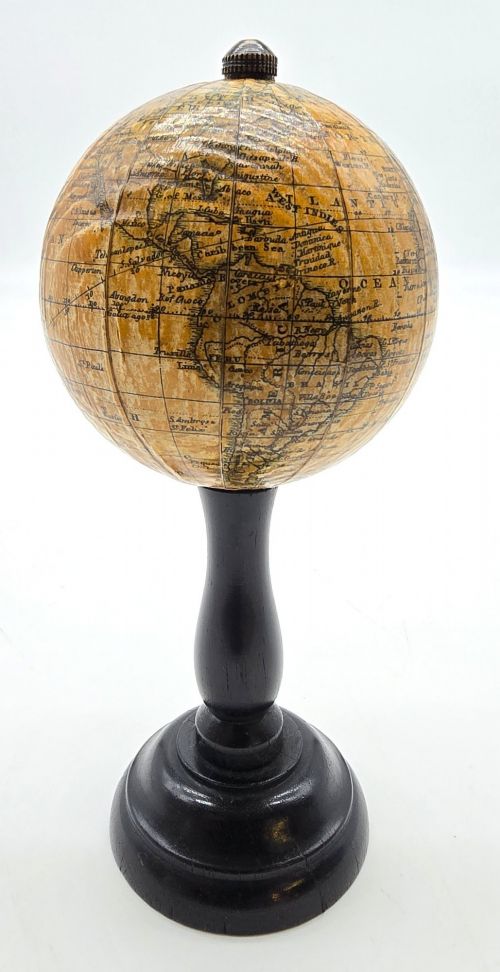
Miniature desk globes on solid ebony stands demonstrate that nineteenth-century artisans took just as much care furnishing miniature rooms as full-sized libraries.
What varies in quality
Quality in these tables rests upon the selection of timber and the precision of the contrasting veneers, where figured amboyna, satinwood, or Macassar ebony meets the dark primary wood. Superior examples demonstrate meticulous inlay work, stable pedestal construction, and balanced proportions that maintain structural integrity without heavy-handed repairs.
The refinement of the carving - particularly on Anglo-Indian or Ceylonese tripod bases and nineteenth-century pillars - distinguishes standard production from exceptional studio output. Original mechanisms, such as functional tilt-top catches and well-preserved brass elements, elevate the standing of a piece.
The Ebony Pedestal Table Glossary
- Pedestal table
- A table supported by a single central pillar or column rather than traditional corner legs. This design maximises legroom and allows circular or octagonal tops to pivot or tilt.
- Ebonised wood
- Timber treated with a dark stain or finish to imitate the appearance of true ebony. It was widely used across various periods to achieve high-contrast inlay and stringing.
- Ebony stringing
- Thin lines of dark wood inlaid into the lighter surface of a table top or border. This technique creates geometric outlines and frames the primary timber.
- Tilt-top table
- A table featuring a mechanism that allows the top to rotate to a vertical position when not in use. This saved space in historic domestic interiors.
- Macassar ebony
- A distinct species of ebony featuring rich brown and golden streaks alongside deep black grain. It gained particular favour during the Regency and Art Deco periods.
- Anglo-Indian colonial
- Furniture produced in India during the British colonial period, often combining traditional European forms with native exotic timbers and intricate carving.
Ebony Pedestal Table: Frequently Asked Questions
What is an ebony pedestal table?
An ebony pedestal table is a piece of furniture featuring a central column support and surfaces made from or accented with dense black ebony wood.
These tables appear in forms such as occasional, centre, and games tables across the Georgian, Regency, and Victorian periods.
How do I identify a Regency pedestal table?
Regency pedestal tables typically feature classical proportions, bold mahogany or exotic wood veneers, and brass stringing or mounts.
They often rely on sturdy central pillars rising from tripartite or quadrupartite platform bases with carved or reeded details.
Where were nineteenth century ebony tables made?
Nineteenth-century tables originated in British workshops as well as international centres like Ceylon and China for the export market.
Colonial pieces frequently incorporate native exotic specimen woods alongside carved ebony details.
How should I care for an antique ebony table?
Antique ebony and ebonised tables require protection from direct sunlight and dramatic humidity changes to prevent timber splitting.
Regular dusting with a dry lint-free cloth preserves the polished surface without the need for heavy chemical polishes.