




Ebonised Wooden Desk
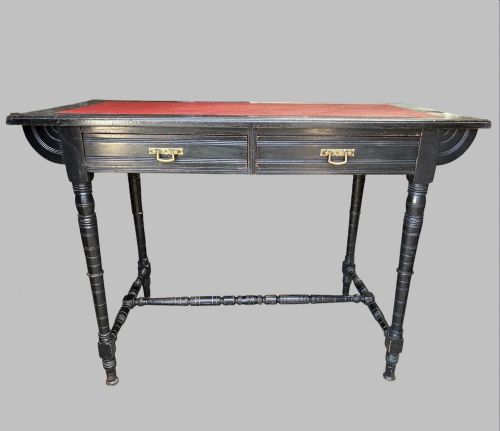
An ebonised wooden desk is a dark, striking writing surface finished to mimic ebony, offering a dramatic centrepiece for any study.
Ebonised Wooden Desk
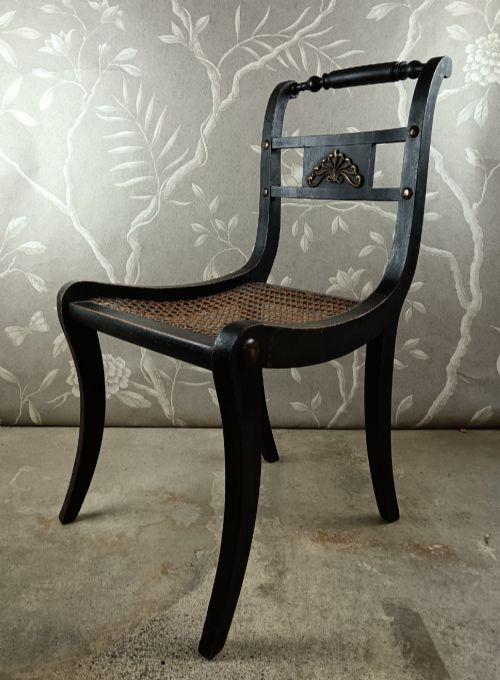
When you search for an ebonised wooden desk, you encounter pieces primarily from the Victorian and Edwardian periods, alongside earlier Regency influences. These items range from compact writing tables and side tables to kneehole configurations designed for practical study use.
The most common examples on this page date from the nineteenth century, reflecting the Victorian taste for dark, dramatic furniture finishes. Makers of this era utilised ebonisation to transform more common timbers into something resembling costly exotic hardwoods.
Materials and construction methods
The primary material visible in these listings is ebonised wood, often paired with contrasting elements such as burr walnut or marquetry inlay. Artisans treated timber with stain, paint or polish to achieve a deep black, glossy or satin surface finish.
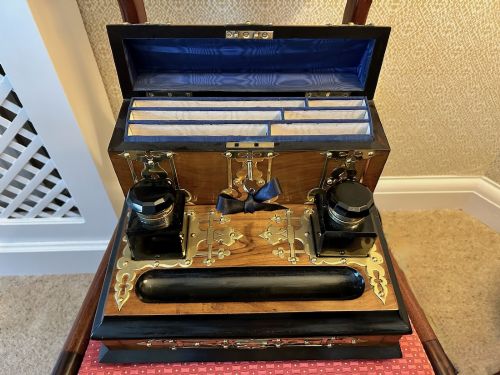
Structural integrity relies on traditional joinery techniques appropriate to the nineteenth and early twentieth centuries. Surface decoration frequently incorporates applied brass details or delicate inlay work to break up the dark expanse of the ebonised finish.
Ebonised Wooden Desk Retail Price Guide 2026
Typical asking prices for ebonised wooden desk among the pieces listed under this phrase on Sellingantiques today, from the lower quarter to the upper quarter. They describe what is for sale here now, not the wider market.
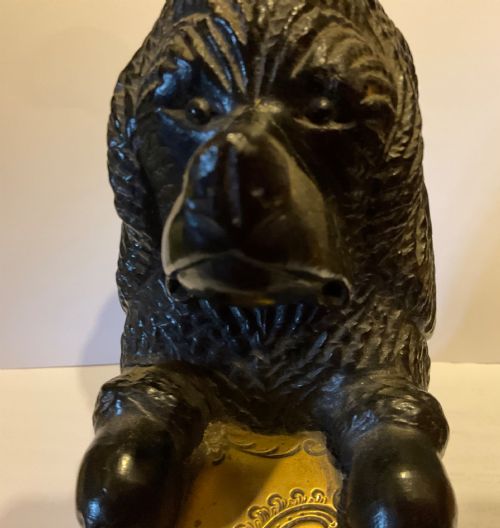
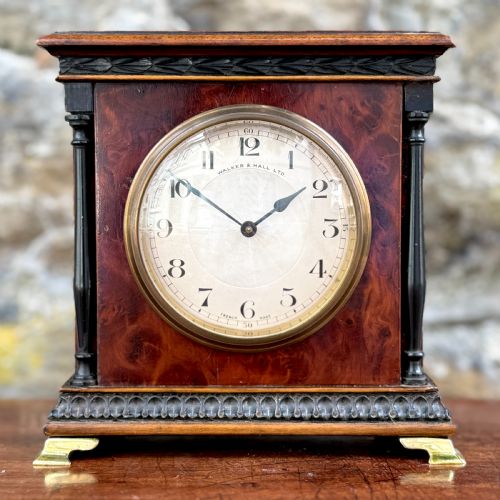
A solitary carved wood begging dog match dispenser waits patiently among the scholarly desks and library clocks.
Markers of distinction in ebonised furniture
Quality rests heavily on the depth and durability of the ebonised finish, as well as the underlying selection of timber. Superior pieces exhibit careful preparation where the blackened surface remains even and intact, rather than masking poor-quality or damaged wood beneath.
Attention to detail in secondary materials also defines the better examples. The inclusion of genuine burr walnut panels, crisp marquetry inlay or well-cast brass mounts elevates a standard writing table into a work of finer cabinet making.
Collier and Plucknett·Pillischer London·Walker and Hall·Tiffany and Co·J. Forest
The Ebonised Wooden Desk Glossary
- Ebonised
- Wood treated to imitate ebony, usually by applying a dark stain or black finish to a lighter timber. This technique gained immense popularity during the Victorian period for creating dramatic furniture.
- Aesthetic Movement
- A nineteenth-century design style focusing on art for art's sake, often featuring ebonised surfaces and Japanese-inspired motifs. Pieces from this movement prioritize visual harmony and refined simplicity.
- Kneehole desk
- A form of writing furniture featuring a central recess for the user's legs, flanked by pedestals of drawers or cupboards. It provides a structured space for correspondence and administrative tasks.
- Marquetry
- The art of applying pieces of veneer to a structure to form decorative patterns and pictures. Craftsmen use contrasting woods to create intricate visual designs on the desktop or drawer fronts.
Ebonised Wooden Desk: Frequently Asked Questions
What is an ebonised wooden desk?
An ebonised wooden desk is a writing table finished with a black stain or coating to resemble expensive ebony timber. These pieces typically date from the nineteenth century and reflect historical tastes for dark, dramatic furniture.
They serve as functional writing surfaces while providing a strong visual statement in a room. The dark finish allows other decorative elements, such as brass fittings or inlaid wood, to stand out clearly.
Are these desks suitable for daily use?
These historical writing surfaces can accommodate daily tasks like laptop work or writing letters, provided they are treated with care. Their compact proportions make them adaptable to modern study spaces and home offices.
Protecting the desktop with a blotter or leather pad prevents accidental scratches to the historic finish. Regular, gentle maintenance ensures the structure remains stable during everyday use.
How can I date an ebonised desk?
Dating relies on examining construction methods, hardware types, and stylistic cues such as Victorian or Aesthetic Movement design traits. Secondary woods used in drawer construction also offer clues regarding the period of manufacture.
Comparing the piece to documented examples from specific decades helps narrow down its origin. Wear patterns and finishing techniques further support accurate period identification.