




Ebonised Wood Rack
An ebonised wood rack brings dark, disciplined elegance to a hallway or study.
Ebonised Wood Rack
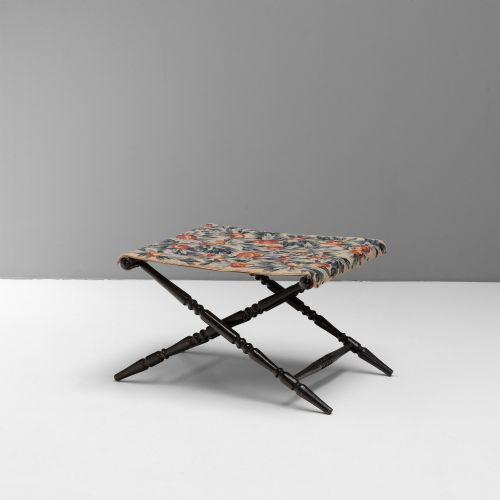
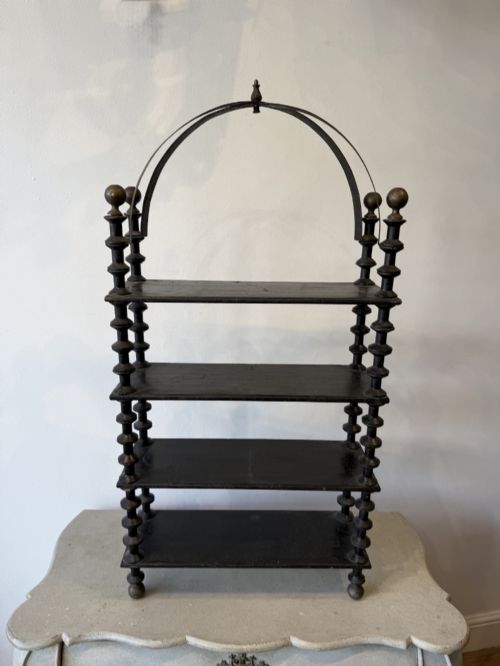
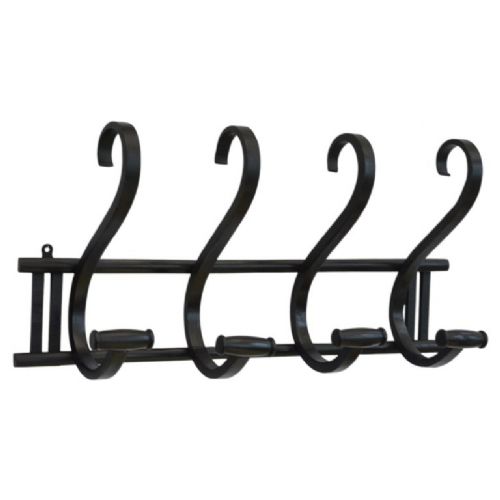
An ebonised wood rack appears in forms such as coat racks, wall shelves, book slides, luggage stands, hall stands, and canterburys. You will most frequently meet Victorian pieces or items dating from around eighteen-eighty to nineteen-twenty.
The aesthetic is grounded in nineteenth-century and Victorian sensibilities, including French chateau influences and Victorian aesthetic movement designs. These items served functional domestic roles in the hall, library, and bedroom.
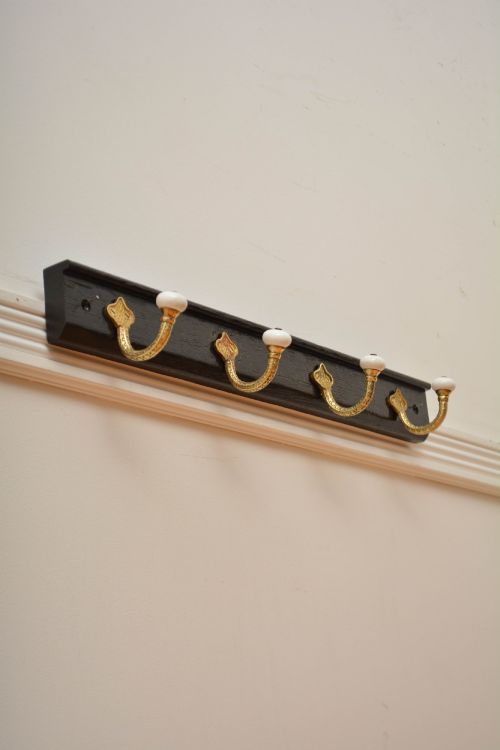
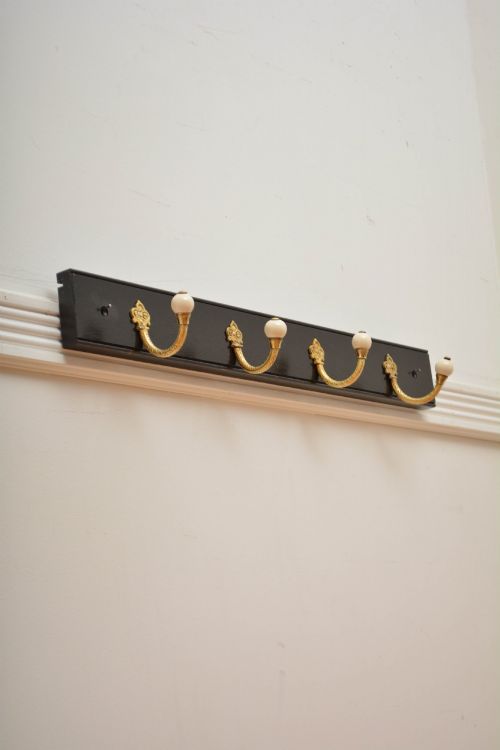
Makers utilised dark finishes to imitate more costly ebony, creating striking contrasts with brass fittings and ceramic elements. They range from simple folding luggage stands to substantial hall stands by Gillows.
How they were made
Artisans applied ebonising treatments to common timbers such as oak, beech, cherry, mahogany, and bentwood to achieve a deep black surface. This technique allowed standard woods to mimic the dense, dark grain of exotic ebony.
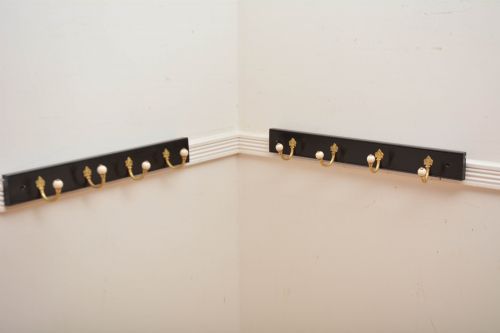
Metalwork played a vital structural and decorative role, incorporating brass for hooks, hinges, and extending mechanisms. Ceramic bosses and inserts were frequently added to coat racks and wall fixtures to provide colourful contrast against the dark wood.
Materials paired with the dark wood include polished brass, ceramic inserts, and woven tapestry.
What varies in quality
Quality rests upon the integrity of the ebonised finish and the choice of underlying timber, with solid oak and mahogany outlasting softer woods. The crispness of turning on bobbin shelves and the retention of original brass and ceramic components distinguish finer examples.
Maker attribution elevates certain pieces, particularly when associated with established workshops like Gillows. The complexity of the object, such as an extending book slide or a combined canterbury what-not, dictates the level of joinery skill evident in the construction.
Gillows·Tiffany and Co
The Ebonised Wood Rack Glossary
- Ebonised
- Wood treated with stain or paint to imitate ebony. This dark finish gained immense popularity during the Victorian era for furniture and decorative accessories.
- Canterbury
- A low stand fitted with partitions for sheet music or books. It often includes a drawer below and rests on castors.
- Bentwood
- Wood shaped by steaming and bending into curved forms. This technique created sturdy and graceful frames for hooks and stands.
- What-not
- An open set of tiered shelves used for displaying ornaments and books. Victorian examples frequently combined this form with a canterbury or cabinet base.
Ebonised Wood Rack: Frequently Asked Questions
How do I mount an old coat rack?
Check the original fixing points on the wooden backplate to ensure they align with modern wall studs. Use appropriate screws that match the patina of existing brass hardware.
Ensure the wall can take the weight, particularly when heavy coats are hung on Victorian brass hooks.
What is a book slide used for?
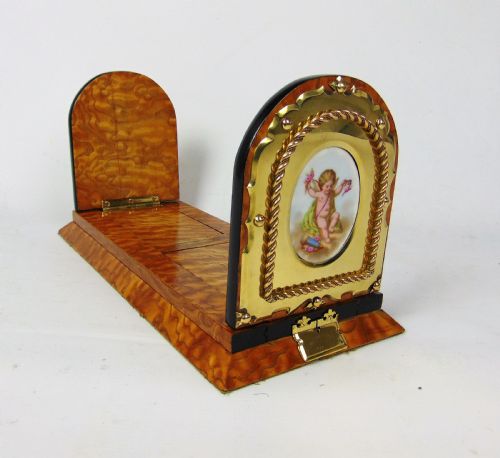
A book slide expands or contracts on a mechanism to hold a row of volumes upright on a desk or table. They often feature decorative ends inlaid with brass or ceramic.
Victorian studies utilised these items to keep working reference books close at hand.
Can I use a luggage stand daily?
Folding luggage stands constructed from ebonised wood handle suitcases and guest bags reliably. Their folding X-frame design allows for easy storage when not in use.
Inspect the textile or tapestry webbing across the top to ensure it remains taut and secure.
How do I care for ebonised wood?
Dust the surface regularly with a soft, dry cloth to prevent a buildup of grime in carved details or bobbin turnings. Avoid harsh modern cleaning sprays that can strip the historic black finish.
Apply a microcrystalline wax sparingly if the wood appears dry, buffing gently to maintain a soft sheen.