




Ebonised Wood Framed Portrait
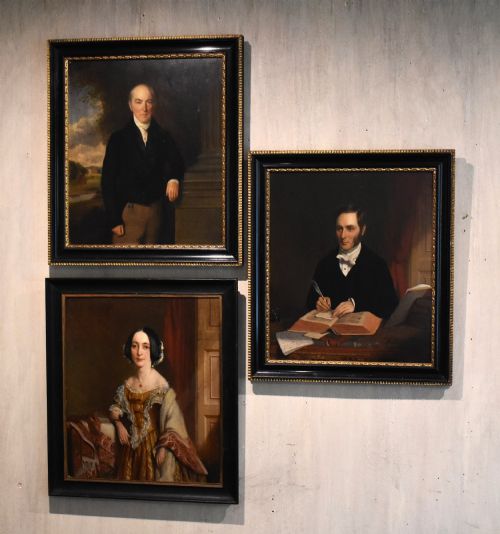
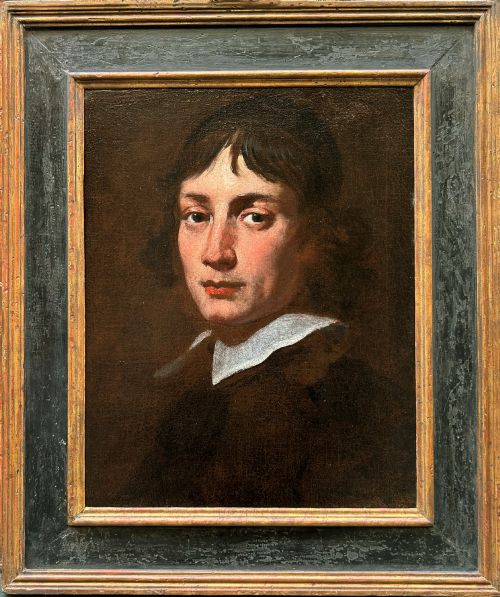
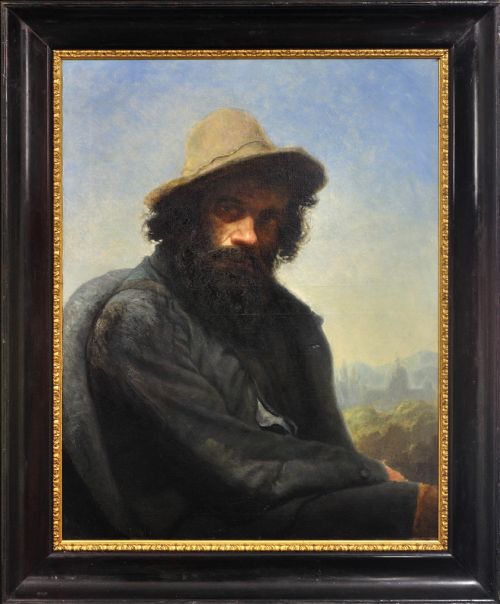
An ebonised wood framed portrait brings dark, striking contrast to a wall, holding likenesses painted in oil, drawn on paper, or pressed behind glass across several centuries.
Ebonised Wood Framed Portrait
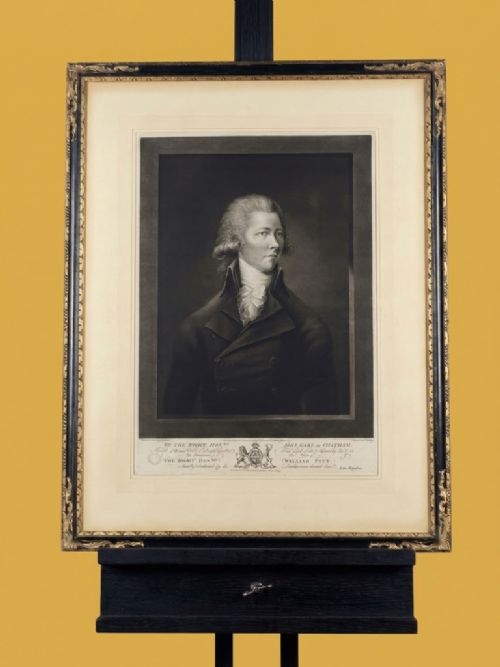
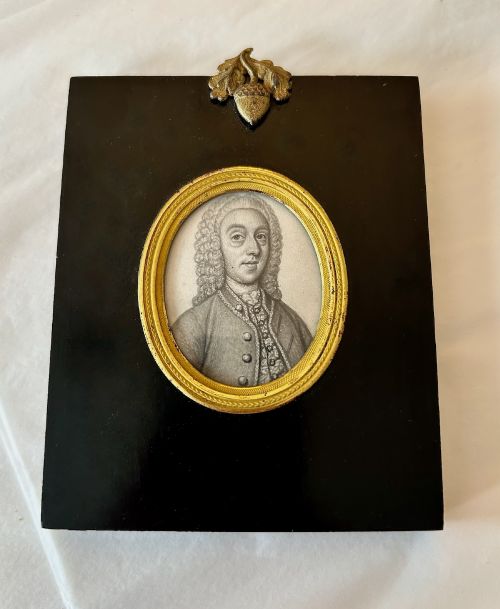
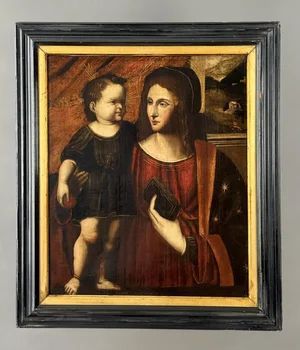
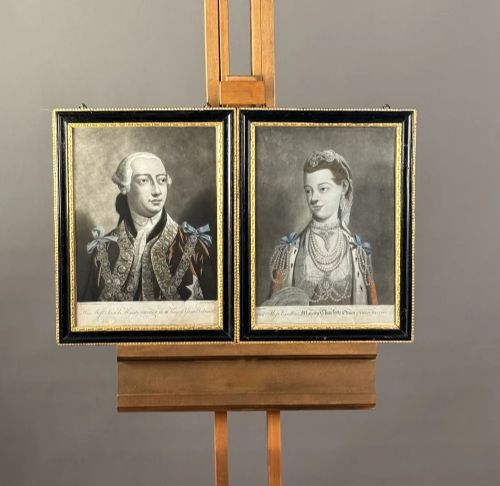
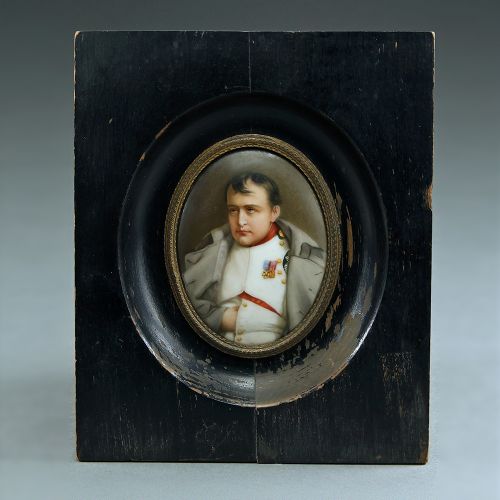
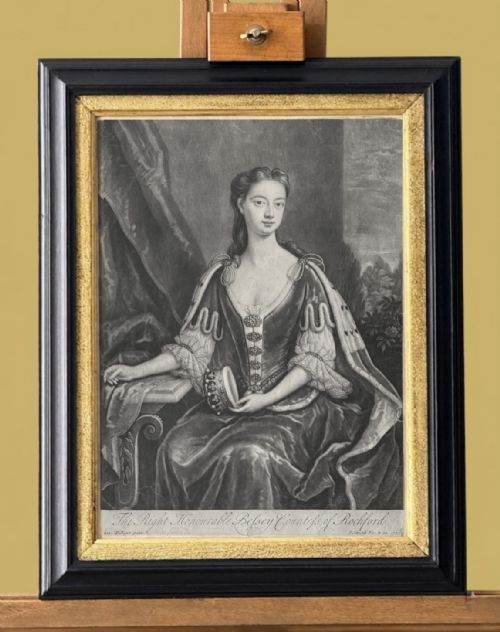
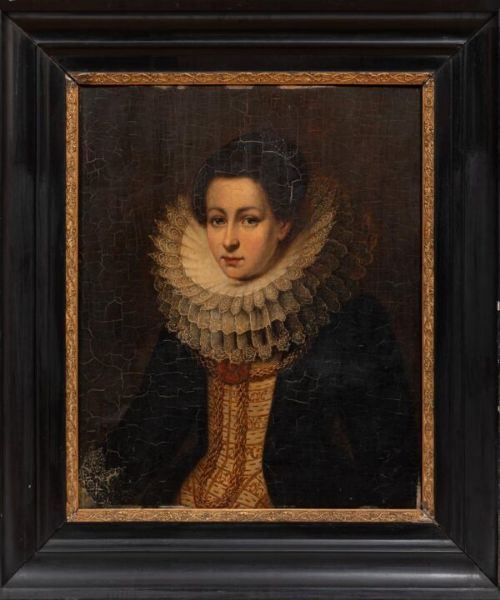
An ebonised wood framed portrait groups works depicting human subjects housed in dark, treated wooden surrounds. You encounter pieces spanning from the sixteenth century through to the nineteenth century, taking the form of oil paintings, portrait miniatures, prints, engravings, and silhouettes.
The selections on this page draw from British, Dutch, French, Italian, and American schools. You will find subjects ranging from nobility and artists to everyday figures, framed to isolate and draw the eye directly to the painted or drawn face within.
Materials and Techniques
Makers achieved the distinct dark finish of the frames by staining or painting wood to imitate expensive ebony. These surrounds frequently house canvas, wood panels, paper, or glass, supporting media such as oil paint, plumbago, and mezzotint engraving.
Artisans applied delicate gold leaf accents or gilt touches to highlight interior bevels and catch the light against the sombre ebonised moulding. Glazing protects works on paper and miniatures, while oil paintings on canvas or panel remain exposed within their profile frames.
Ebonised Wood Framed Portrait Retail Price Guide 2026
Typical asking prices for ebonised wood framed portrait among the pieces listed under this phrase on Sellingantiques today, from the lower quarter to the upper quarter. They describe what is for sale here now, not the wider market.
Listings feature works spanning from the 16th century to the 19th century, utilising oil paint, paper, and gold leaf.
Distinctions in Quality
The harmony between the artwork and its ebonised frame dictates the visual success of the object. Original frames that complement the exact period and scale of the portrait elevate the piece above later, mismatched pairings.
James Ferguson·George Keating·Thomas Frye·John Smith·Albin Mattenheimer·John Taylor·Hans Temple·Nicolaes Maes
The Ebonised Wood Framed Portrait Glossary
- Ebonised
- Wood treated with a dark stain or finish to resemble dense, expensive ebony wood. This technique creates a stark, uniform border that focuses attention entirely on the artwork.
- Mezzotint
- A printmaking process where the copper plate is roughened to achieve rich tonal gradations in portraits. It allows for subtle shifts in shadow and light across the subject's face.
- Plumbago
- A delicate drawing executed in graphite, taking its name from the Latin word for lead ore. These finely rendered works display incredible precision in miniature.
- Portrait Miniature
- A small, highly detailed painting on ivory, vellum, or paper designed for intimate viewing. They were frequently carried as personal mementos or housed in protective cases.
- Reverse Engraving on Glass
- An image etched onto the reverse side of a glass panel and subsequently filled with pigments or metal foils. The finished work is viewed through the unblemished front of the glass.
Ebonised Wood Framed Portrait: Frequently Asked Questions
What periods do these portraits cover?
The pieces span from the sixteenth century through the seventeenth, eighteenth, and nineteenth centuries. You will find examples from the Renaissance and Dutch Golden Age up to the Victorian era.
Each period brings distinct clothing, hairstyles, and painting techniques that help anchor the portrait in its specific decade or century.
How should I hang these framed portraits?
Hang them at eye level where adequate light can catch the surface without creating heavy glare on the glass or varnish. The dark frames work effectively against lighter walls to create strong focal points.
Keep them away from direct sunlight and damp environments to protect the wood frames, paper elements, and oil paints.
How do I tell an oil painting from a print?
Examine the surface under a magnifying glass to look for raised brushstrokes and the weave of the canvas or texture of the wood panel. Prints and mezzotints will show uniform dot patterns or fine engraved lines rather than layered pigment.
Oil paintings possess a physical depth to the paint surface that catches light differently than flat paper under glass.
What subjects appear in these portraits?
The subjects range from titled nobility and artists to unknown sitters, children, and literary figures. Some depict historical or religious figures like the Virgin and Child or political leaders.
Pairings of husbands and wives or companion pieces also appear, reflecting domestic portrait traditions from Britain and the continent.