



Ebonised Wood Cane
An ebonised wood cane is a striking accessory bringing dark contrast and nineteenth-century elegance to any collection.
Ebonised Wood Cane
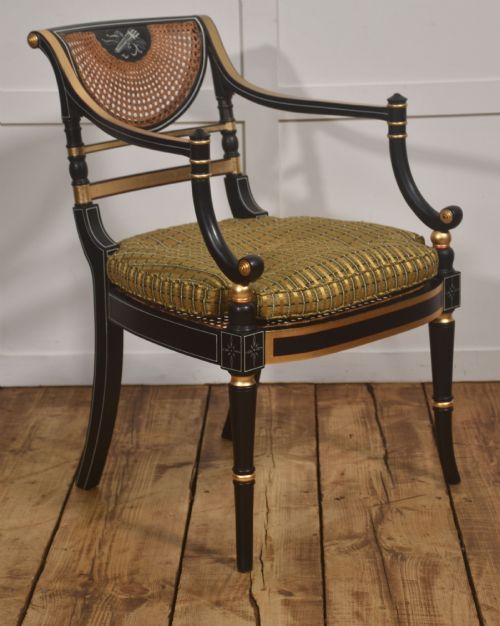
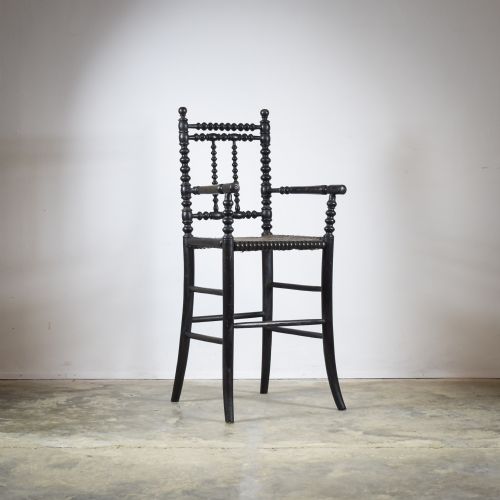
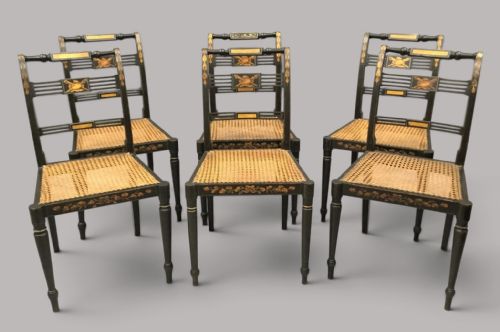
Beyond walking sticks and canes, the evidence reveals that ebonised wood and cane also describe seating forms such as daybeds, rocking chairs, and side chairs. Buyers searching this phrase will encounter both functional walking aids and seating with woven cane panels.
Origins span English, French, and Chinese export pieces, alongside specific styles like the Aesthetic Movement. The core characteristic linking these diverse objects is the dark ebonised finish applied to wood.
Materials and construction
The primary material is wood, specifically ebonised timber, sometimes paired with beech or general timber frames. This dark finish is achieved through staining or chemical treatment to mimic more costly exotic hardwoods.
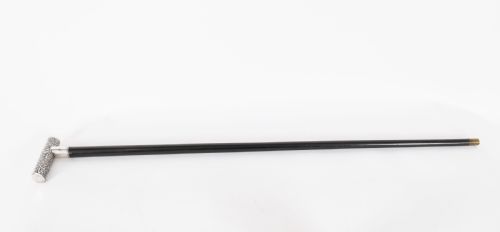
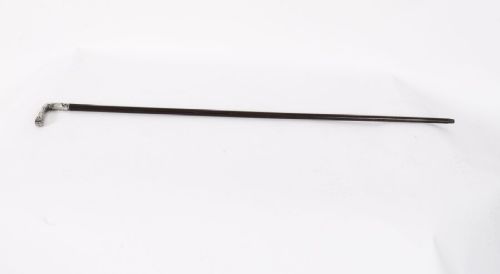
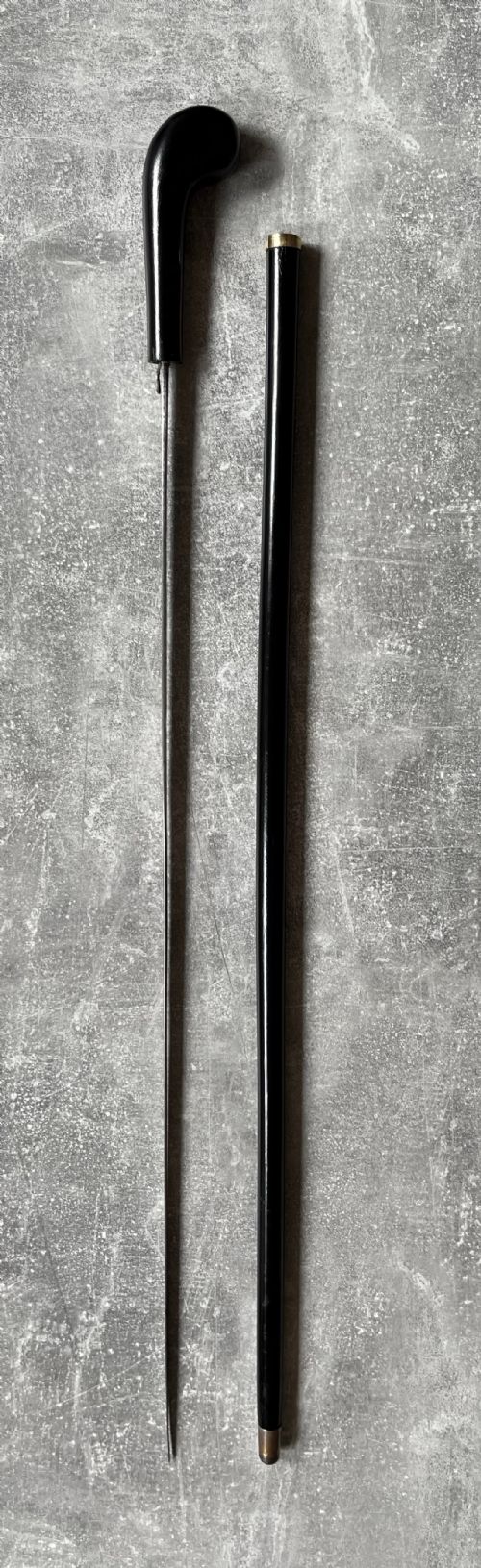
Metal components frequently integrate into the design, with silver and brass mounts, collars, and handles appearing alongside steel blades in sword sticks. Horn and woven cane also supplement the primary wooden structure.
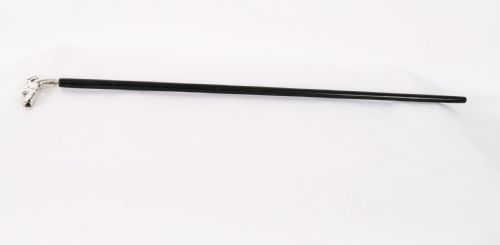
Manufacturing techniques range from bentwood processing seen in Thonet designs to bobbin turning and metal-working for novelty animal head handles.
Ebonised Wood Cane Retail Price Guide 2026
Typical asking prices for ebonised wood cane among the pieces listed under this phrase on Sellingantiques today, from the lower quarter to the upper quarter. They describe what is for sale here now, not the wider market.
Materials appearing across these objects include ebonised wood, silver, brass, steel, horn, and beech.
Judging quality and execution
Quality rests in the precision of the ebonising and the integrity of the underlying timber. Finer examples display a deep, uniform dark finish that withstands handling, while lesser pieces show surface wear exposing the lighter wood beneath.
The execution of decorative elements distinguishes the tier of a piece. Metalwork handles shaped as horse heads or greyhounds, and intricate silver mounts with hallmarks, elevate the standard above plain utility sticks.
For seating incorporating cane alongside ebonised wood, the tightness and regularity of the woven panels determine the grade of craftsmanship.
E W Godwin·Thonet
The Ebonised Wood Cane Glossary
- Ebonised
- Wood treated with stain, dye, or polish to imitate the deep black appearance of ebony. This finish gained popularity during the Victorian era for furniture and walking sticks.
- Cane
- Strips of rattan or similar plant material woven into open patterns for seats, or alternatively used to describe a walking stick. The context in the listing determines the meaning.
- Sword stick
- A walking cane concealing a metal blade within its shaft. These incorporate locking mechanisms to secure the blade safely during transport.
- Aesthetic Movement
- A late nineteenth-century design style emphasising visual beauty over narrative subject matter. Pieces from this movement often feature clean ebonised surfaces.
- Bentwood
- Wood steamed and bent into curved shapes, notably utilised by makers such as Thonet. This technique allows for flowing structural frames in chairs.
Ebonised Wood Cane: Frequently Asked Questions
How were sword sticks used?
A sword stick served as both a walking aid and a concealed personal defence weapon for Victorian gentlemen navigating unfamiliar or dimly lit streets. The hidden blade remained securely locked inside the wooden shaft until needed.
These combination items required precise carpentry and metalwork to ensure the blade sat flush and secure within the ebonised housing.
How do I date a walking cane?
Dating relies on examining the style of the handle, the metal hallmarks if present, and the manufacturing technique of the wooden shaft. Nineteenth-century pieces often display specific aesthetic traits linked to French or English workshops.
Documented examples from eighteen eighty or the Victorian period provide comparative benchmarks for assessing material wear and construction methods.
Are all ebonised canes antique?
The pieces recorded in the evidence date primarily from the nineteenth century and early twentieth century. These items reflect historical periods including the Victorian era and the year nineteen hundred.
Examining the patina of the wood and the wear on the tip helps distinguish nineteenth-century production from later reproductions.