




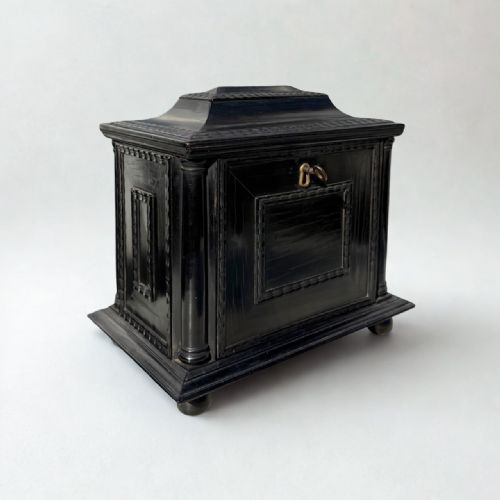

Ebonised Wood Box
An ebonised wood box brings dramatic dark surfaces and crisp classical detail to any room.
Ebonised Wood Box
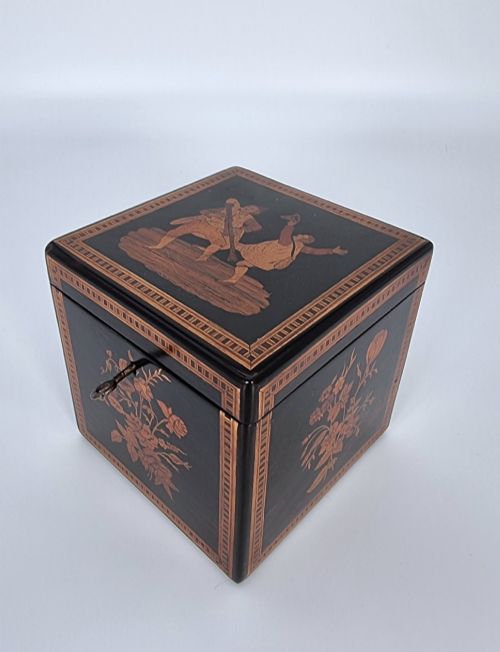
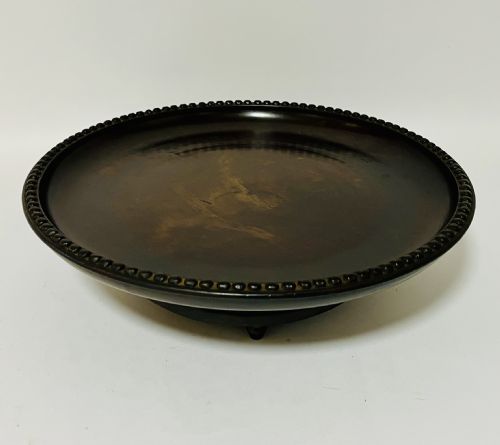
An ebonised wood box is a container treated to imitate solid ebony, offering a striking dark finish that highlights surface ornamentation. When you search for an ebonised wood box, you encounter pieces spanning from the seventeenth century through to the Edwardian period, with Victorian examples appearing frequently.
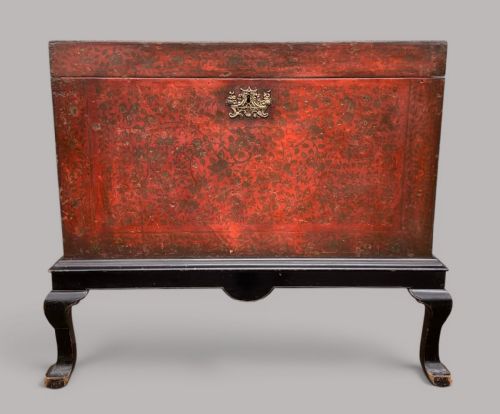
The selection ranges from small pocket snuff boxes and jewellery caskets to substantial table cabinets and decorative chests. Many feature contrasting inlays or mounted panels, combining the dark stained foundation with lighter materials to create distinct visual depth.
How they were made
Craftsmen built these pieces using fruitwoods, pine, or walnut, which were then stained or painted black and polished to achieve a dense, light-absorbing finish that mimics true ebony. Some works utilise solid ebony rather than a stained surface, demonstrating greater material weight and depth.
Surface decoration often involves parquetry, marquetry, and intricate inlays of bone, mother of pearl, or contrasting boxwood. Metal mounts in brass frequently secure the corners, hinges, and locking plates, adding structural rigidity alongside decorative contrast.
Ebonised Wood Box Retail Price Guide 2026
Typical asking prices for ebonised wood box among the pieces listed under this phrase on Sellingantiques today, from the lower quarter to the upper quarter. They describe what is for sale here now, not the wider market.
Materials paired with ebonisation across the inventory include brass, boxwood, mother of pearl, and Baccarat crystal.
What varies in quality
The standard of an ebonised wood box depends heavily on the precision of the underlying carpentry and the depth of the dark finish. Superior examples maintain a smooth, uniform surface without masking the natural grain of the wood beneath.
Quality also rests on the execution of decorative elements, such as fitted interior trays, precise parquetry patterns, and the integration of specialised mounts like pietra dura panels or crystal inserts. Original working locks and matching keys elevate the desirability of surviving pieces.
Langdorff & Fils
The Ebonised Wood Box Glossary
- Ebonisation
- The chemical or mechanical process of treating light timber to turn it black, mimicking high-value ebony. This technique gained popularity during various periods to achieve a formal, dramatic aesthetic.
- Parquetry
- A geometric mosaic of wood pieces used for decorative veneer on furniture and boxes. Craftsmen arrange contrasting timbers to create repeating patterns across the lid or sides.
- Pietra dura
- An inlay technique using cut and fitted polished coloured stones to create pictorial images. These panels frequently appear mounted into the tops of nineteenth-century decorative caskets.
- Marquetry
- The art of applying pieces of veneer to a structure to form decorative designs. Sorrento workshops specialised in floral and architectural scenes using this method.
- Engine-turned
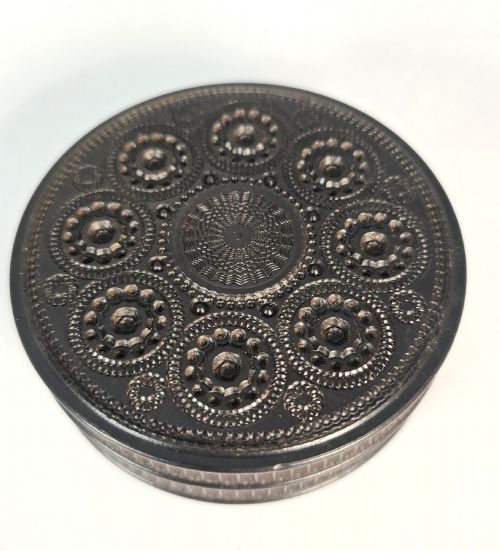
- A fine geometric pattern mechanically engraved onto a surface using a lathe. This technique provides texture and grip on small personal items like snuff boxes.
Ebonised Wood Box: Frequently Asked Questions
How do I care for an ebonised finish?
Keep the dark surface clean using a soft, dry cloth to remove dust without abrasive cleaners. Avoid placing the piece in direct sunlight or near heat sources to prevent the wood from drying and cracking.
Apply a microcrystalline wax occasionally to nourish the dark polish and protect the timber from moisture. Handle brass mounts gently during maintenance to preserve their original patination.
What were these boxes used for?
These containers served multiple domestic purposes, from securing precious jewellery and personal letters to housing writing implements and small valuables. Table cabinets and caskets sat prominently in reception rooms to display wealth and taste.
Smaller variants, such as snuff boxes, were designed for pocket use during social gatherings. Fitted interiors often accommodated specific items like glass bottles or gaming pieces.
How can I tell the period?
Examine the construction methods, hinges, and interior linings for clues to the manufacturing era. Seventeenth and eighteenth-century examples often display heavier timber construction and Flemish parquetry work.
Victorian and Edwardian versions frequently incorporate machine-cut veneers, specific brass hardware styles, or distinct floral marquetry. Comparing the secondary woods inside the box helps confirm the age.
Are original keys common?
Original working keys are uncommon because locks often jammed or keys were easily misplaced over centuries of domestic use. Many surviving pieces retain their decorative escutcheons even if the mechanism no longer functions.
When a matching key does accompany the box, it enhances the completeness of the piece. Replacements can be sourced if functionality is required, though collectors often value original hardware above working order.