

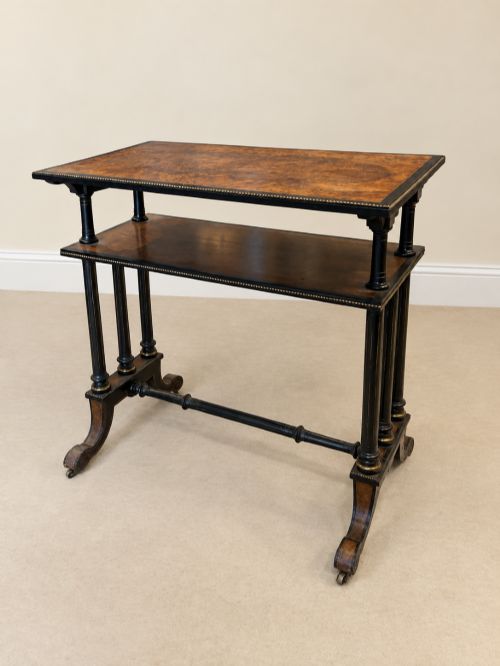
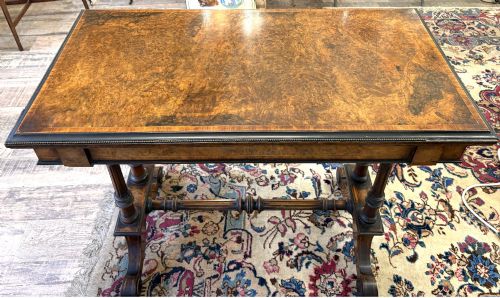
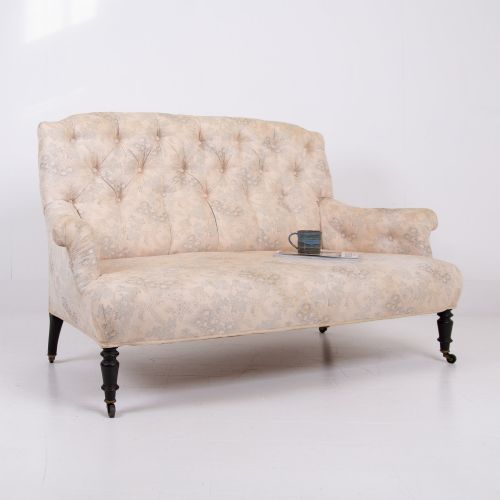
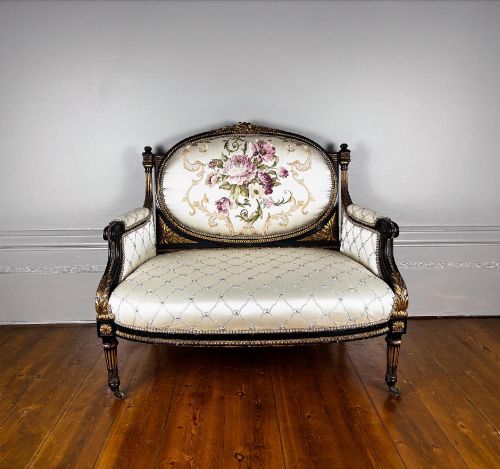

Ebonised Sofa
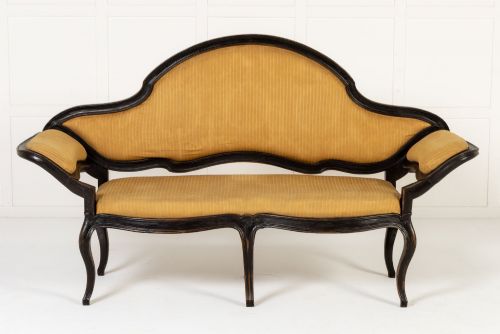
An ebonised sofa brings dark, dramatic wood finishes and period upholstery together to anchor a room with striking contrast.
Ebonised Sofa
When you search for an ebonised sofa, you encounter seating finished to mimic dark ebony, spanning periods from the eighteenth century through the nineteenth century and into later revival movements.
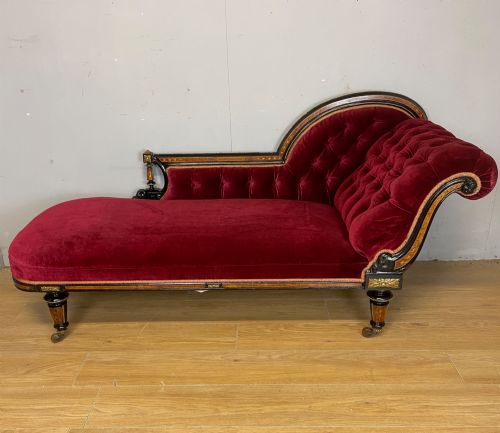
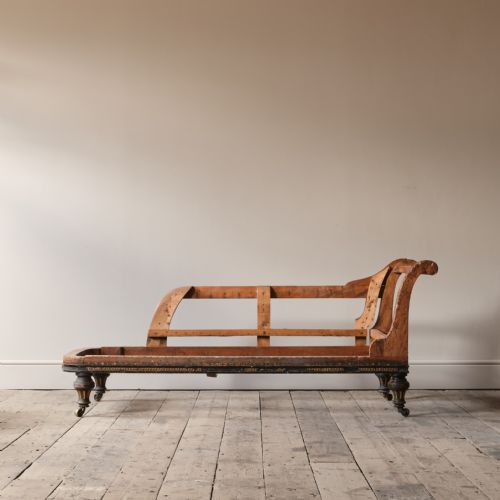
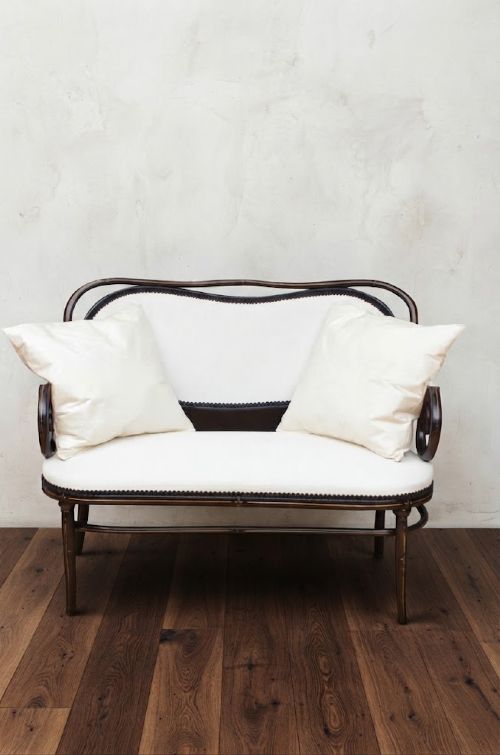
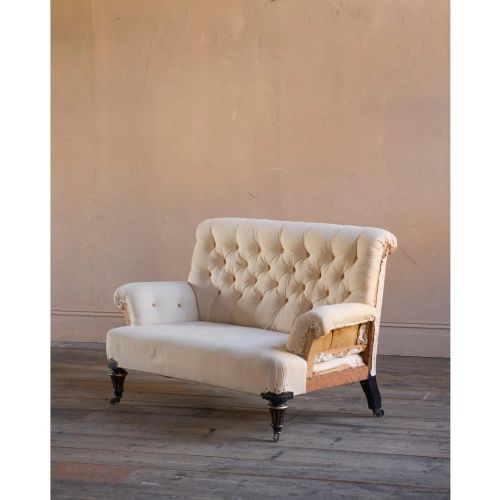
The selections here frequently draw upon Victorian, Aesthetic Movement, and Regency design, presenting varied silhouettes from buttoned-back settees to scroll-end day beds.
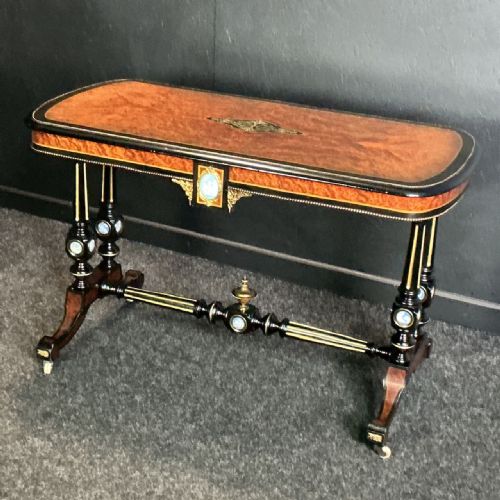
Makers and workshops of the nineteenth century utilised this dark wood finish to highlight carved details, parcel gilding, and contrasting inlay.
Materials and Construction Methods
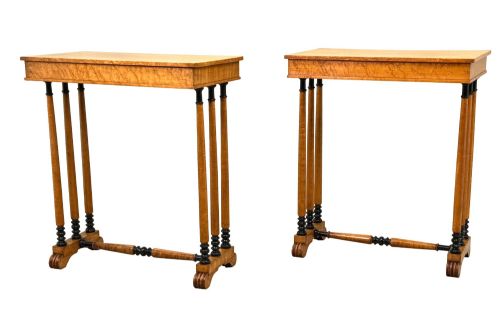
The foundational timber is commonly treated with a dark stain or pigment to achieve the signature ebonised surface, occasionally paired with contrasting inlays of walnut, burr birch, or brass.
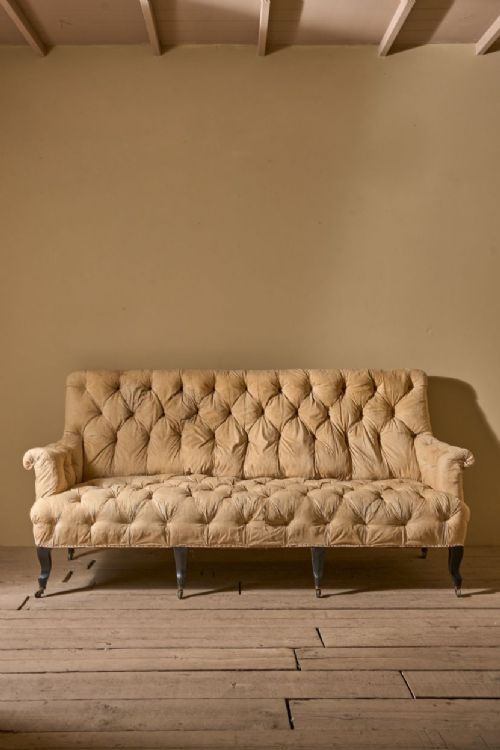
Upholstery relies on traditional textiles such as velvet, often finished with decorative details like tassels, buttoning, or elaborate carved wooden frames.
Ebonised Sofa Retail Price Guide 2026
Typical asking prices for ebonised sofa among the pieces listed under this phrase on Sellingantiques today, from the lower quarter to the upper quarter. They describe what is for sale here now, not the wider market.
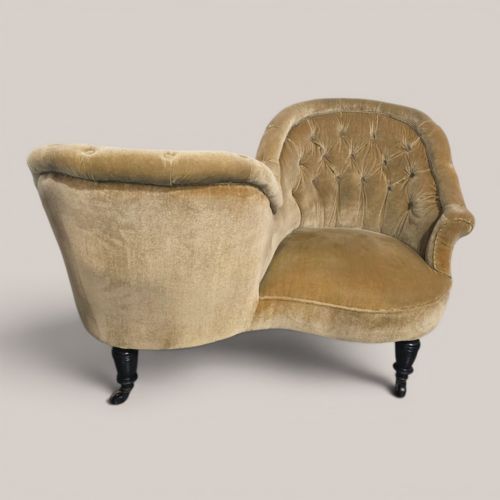
A miniature chaise lounge proves that nineteenth-century artisans enjoyed crafting tiny resting places.
Evaluating Finish and Craftsmanship
The depth and preservation of the ebonised finish set apart pieces, alongside the crispness of any carved ornamentation or parcel gilding applied to the frame.
Structural integrity of the timber frame and the authenticity of the period upholstery materials dictate the standing of an individual piece within its respective style.
Holland and Sons·Thonet·Jackson and Graham·Jas James Shoolbred·Willian Trotter
The Ebonised Sofa Glossary
- Ebonised
- Wood treated with a dark stain or finish to imitate ebony. This process became widely popular during the nineteenth century to achieve a formal, dramatic appearance.
- Aesthetic Movement
- A late nineteenth-century design style focusing on art for art's sake. Pieces from this period often display ebonised surfaces combined with stylistic floral motifs or Japanese-inspired details.
- Chaise Longue
- An upholstered long chair intended for reclining. Many nineteenth-century examples combine an ebonised wooden frame with buttoned fabric seats.
- Ormolu
- Gilt bronze applied as decorative mounts on furniture. It provides a bright metallic contrast against dark ebonised wood.
- Parcel Gilt
- Woodwork partially decorated with gold leaf. This technique highlights specific carved elements on an ebonised frame.
Ebonised Sofa: Frequently Asked Questions
What periods do ebonised sofas come from?
The pieces span multiple eras, with a strong representation from the nineteenth century, including Regency and Victorian periods.
Specific examples extend into Aesthetic Movement designs and later twentieth-century interpretations.
How do I care for ebonised wood?
Maintain the dark surface by dusting gently with a soft, dry cloth and avoiding direct sunlight.
Keep humidity stable to protect both the timber finish and any underlying joinery.
Are these sofas suitable for daily use?
Many historical settees and day beds remain structurally sound for regular seating.
Consider the condition of the internal webbing and upholstery when planning everyday placement.
How do I identify an Aesthetic Movement sofa?
Look for ebonised frames paired with distinct decorative elements such as sunflower motifs or simpler, geometric lines.
These pieces often date from the late nineteenth century and reflect a shift toward artistic craftsmanship.