

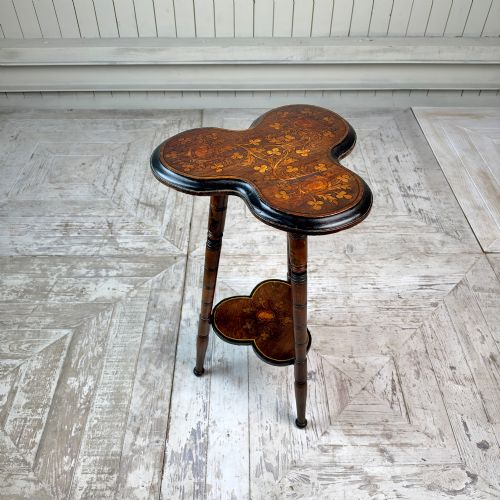
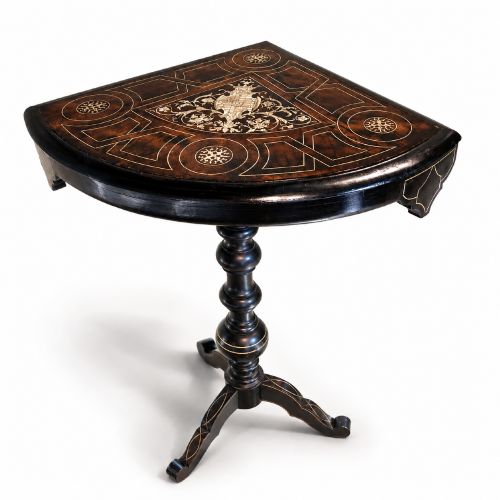
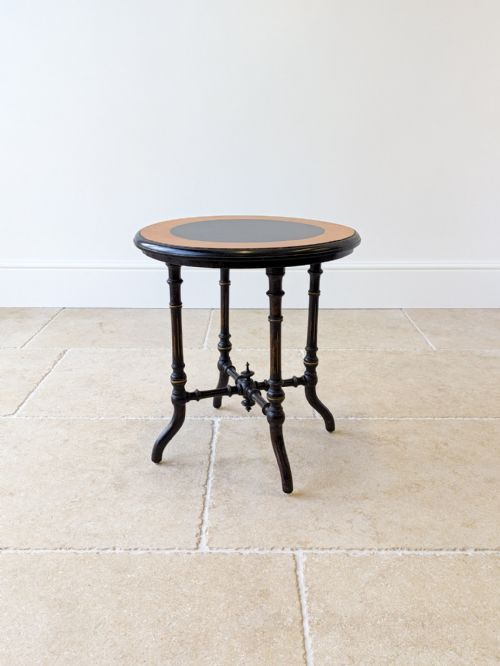
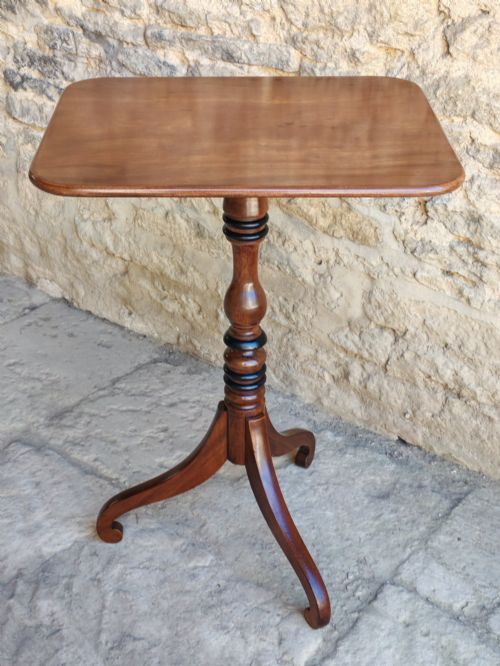
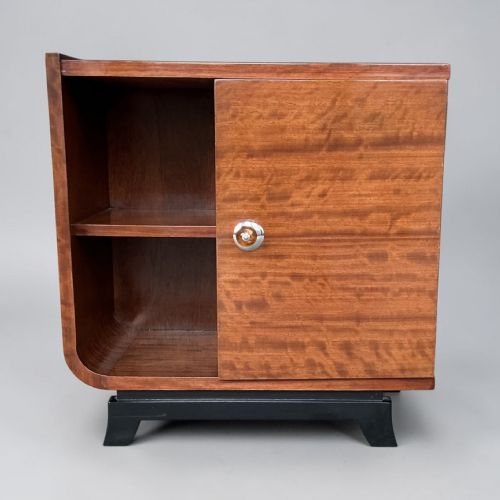
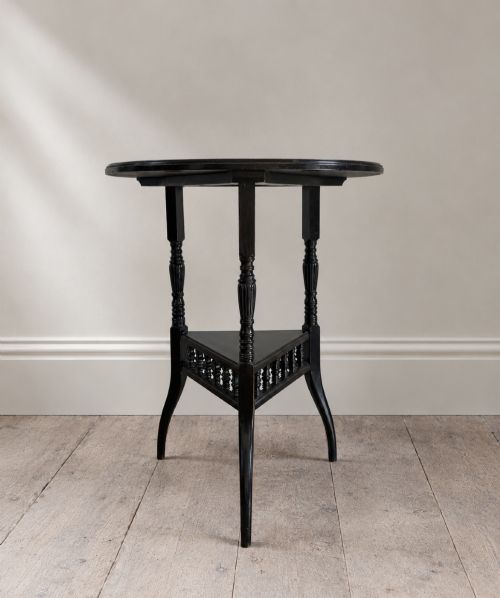
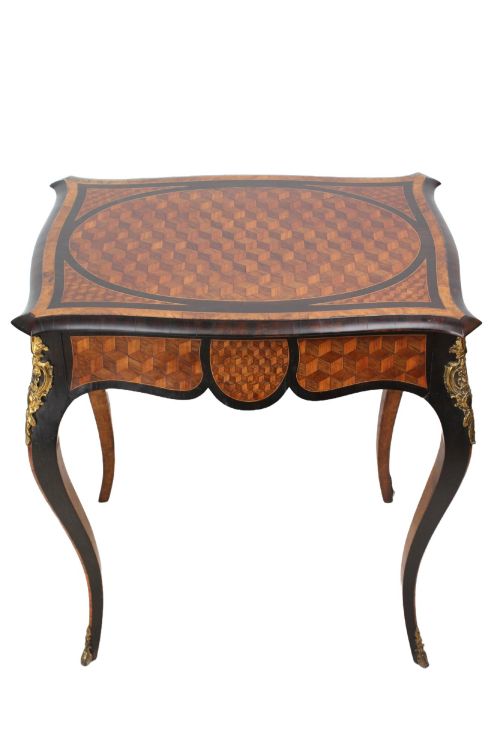
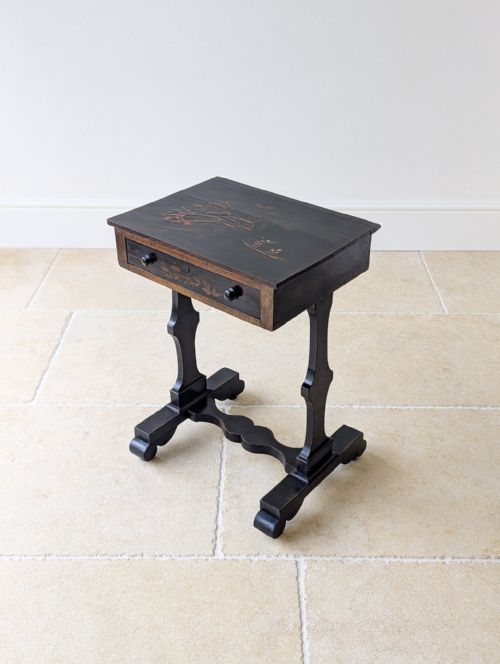
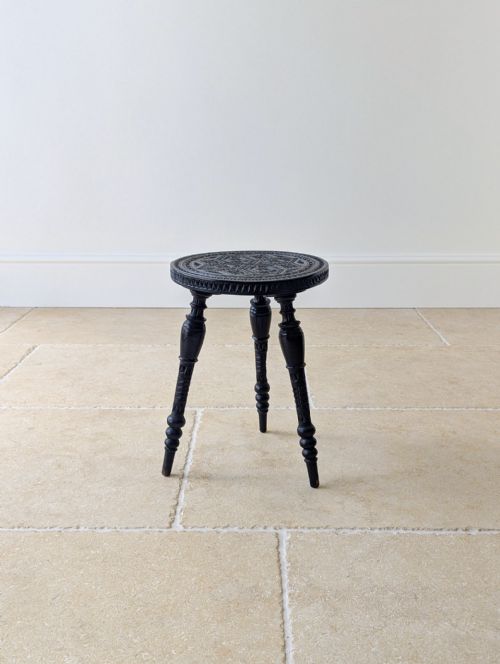
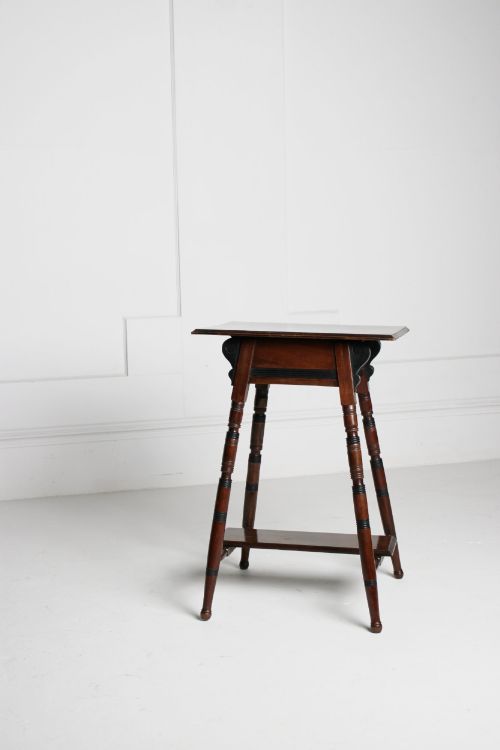
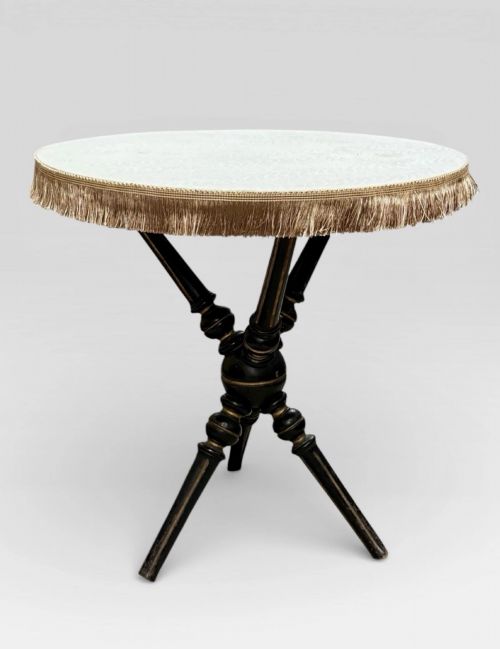
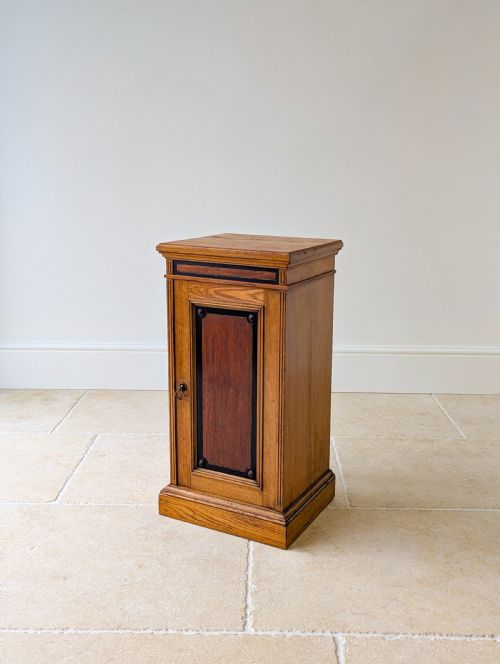


Ebonised Small Table
An ebonised small table brings dark, striking form to a room, offering a surface that carries centuries of polished design.
Ebonised Small Table
An ebonised small table is a compact item of furniture designed for occasional use, displaying a dark finish that mimics costly ebony wood. These pieces span centuries of design, with Victorian and nineteenth-century examples appearing most frequently.
The selection ranges from circular occasional tables and wine tables to side tables and drop-leaf formats. Makers utilised diverse woods, applying blackened finishes to create contrasting surfaces for parlours and sitting rooms.
How they were made
Cabinet makers produced these pieces using hardwoods or softer timbers treated with dark stains or black paint to achieve an ebonised surface. Workshops often enhanced the dark timber with gold leaf, brass mounts, or marquetry inlay.
Constructors integrated secondary materials such as marble inserts, paper elements, or contrasting woods like walnut and satinwood. Finishing techniques relied heavily on polishes that yielded a deep sheen across the flat tops and turned supports.
Ebonised Small Table Retail Price Guide 2026
Typical asking prices for ebonised small table among the pieces listed under this phrase on Sellingantiques today, from the lower quarter to the upper quarter. They describe what is for sale here now, not the wider market.
Makers occasionally disguised humble woods beneath heavy black paint, letting a modest table masquerade as solid ebony for the Victorian parlour.
What varies in quality
The distinction between ordinary and superior pieces rests on the integrity of the timber preparation and the crispness of any carved or gilded detail. Finer examples display precise joinery and balanced proportions rather than rushed surface decoration.
The depth and durability of the ebonised finish indicate the skill of the original workshop. Pieces retaining subtle parcel gilt work or intricate marquetry demonstrate a higher standard of craftsmanship.
JAS Shoolbred·Druce & Co London·Jenks & Woods·Liberty & Co·Payne & Co London·Baldwin of Loughborough
The Ebonised Small Table Glossary
- Ebonised
- Wood treated with a dark stain, dye, or paint to imitate natural ebony. This finish became especially popular during the Victorian and Aesthetic Movement periods.
- Aesthetic Movement
- A late nineteenth-century design style that emphasised artistic visual values over narrative content. Pieces from this movement often feature ebonised surfaces and Japanese-inspired motifs.
- Parquetry
- Geometric wood mosaic work used for decorative tabletops. Makers arranged contrasting veneers to create patterned surfaces.
- Sutherland table
- A narrow drop-leaf table with hinged flaps supported by pivoting swing legs. This form allows the table to fold into a compact size when not in use.
- Parcel gilt
- Portions of an object highlighted with thin layers of gold leaf. This technique adds brightness against a dark ebonised background.
Ebonised Small Table: Frequently Asked Questions
Where should I place an ebonised small table?
These compact tables suit corners, bedside spaces, or beside seating where a small surface is needed without dominating the room.
Their dark finish allows them to anchor brighter interior schemes or complement traditional study spaces.
How do I care for ebonised wood?
Dust the surface regularly with a soft, dry cloth to prevent accumulation. Avoid harsh chemical cleaners that can degrade the dark finish.
Keep the timber away from direct heat sources and strong sunlight to prevent the blackened surface from fading or drying out over time.
What periods do these tables come from?
The pieces span multiple eras, with a heavy concentration originating from the Victorian period and the wider nineteenth century. Examples also appear from Georgian and later twentieth-century decades.
Design styles shift accordingly, ranging from Regency influences to Arts and Crafts simplicity.
Are these tables sturdy enough for daily use?
Most occasional and side tables were built for light domestic tasks such as holding lamps, drinks, or small decorative items. Their sturdy construction permits everyday placement in low-traffic areas.
Care should be taken with folding mechanisms on drop-leaf or Sutherland formats to maintain their structural integrity.