


Ebonised Parcel Gilt Table
An ebonised parcel gilt table brings dark polished timber and bright metallic highlights together, offering a striking centrepiece for a refined interior.
Ebonised Parcel Gilt Table
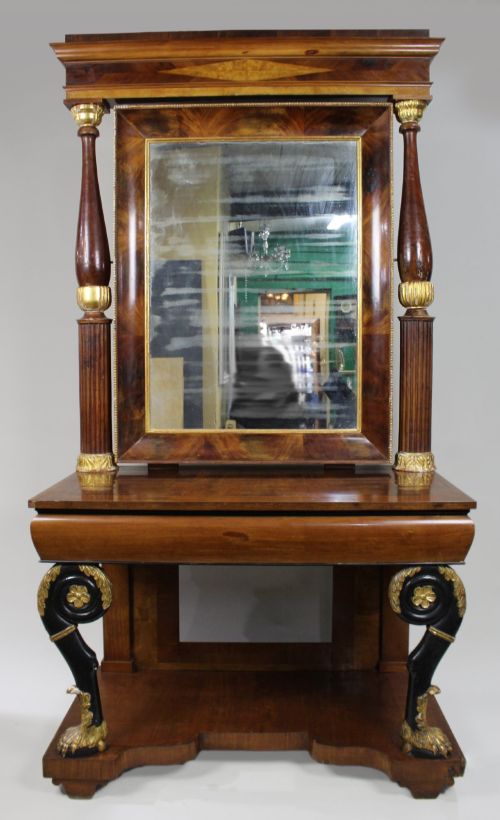
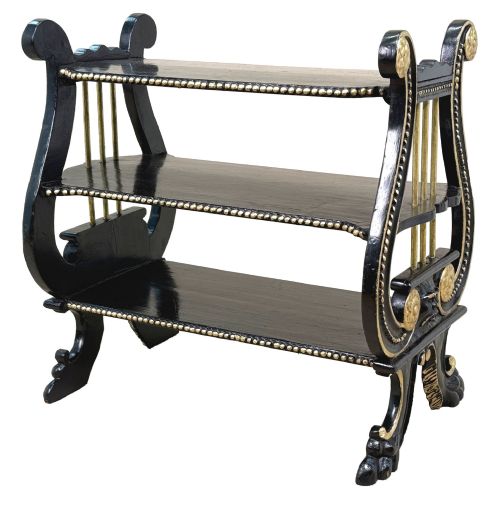
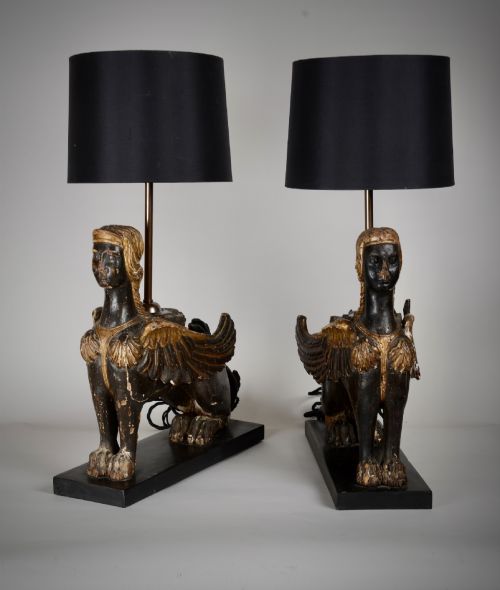
An ebonised parcel gilt table combines a blackened wood surface with selective gold leaf detailing, creating a sharp contrast that emerged strongly during the nineteenth century. Buyers seeking an ebonised parcel gilt table encounter a diverse selection of forms, ranging from occasional lamp tables and gypsy tables to larger writing tables, card tables, and console tables.
The aesthetic spans several distinct periods, with numerous examples originating from the Victorian era and the Aesthetic Movement around eighteen eighty, alongside earlier Regency and eighteenth-century pieces. These tables frequently incorporate secondary timbers such as mahogany, walnut, amboyna, or rosewood beneath the black finish, occasionally paired with brass or glass elements.
Smaller occasional, tripod, and dressing tables appear alongside larger console and centre tables, reflecting the varied domestic uses for these striking decorative objects. The surface treatments highlight architectural profiles and turned supports, allowing the gilt portions to catch the light in domestic spaces.
How they were made
The dark finish is achieved by ebonising timber, a chemical or staining process that darkens light woods like fruitwood or mahogany to resemble ebony. Carved details, mouldings, and raised elements are then highlighted with parcel gilt, applying thin sheets of gold leaf by hand to specific parts of the design.
Construction techniques involve traditional joinery suited to each period, utilising solid woods and fine veneers such as burr thuya, amboyna, or rosewood beneath the ebonised surface. Tables from the Aesthetic Movement often feature slender turned legs and tiered shelves, while earlier Regency and Victorian iterations display heavier proportions and classical motifs.
Some nineteenth-century tables served as gypsy tables, bringing a bohemian flair to Victorian parlours through spindly ebonised legs.
What varies in quality
Quality rests in the crispness of the carving and the depth of the ebonised finish, which should reveal the underlying grain rather than appearing as a flat, opaque coat. The precision of the parcel gilding also matters, with superior examples showing neat application that accentuates the structural lines without bleeding onto the black ground.
The choice of primary and secondary timbers influences the overall calibre of a piece, particularly when exotic veneers like amboyna or burr thuya are employed beneath the finish. Furthermore, documented designs or attributions to notable makers elevate an item above standard commercial production of the period.
Lamb of Manchester·E W Godwin·Marsh and Tatham
The Ebonised Parcel Gilt Table Glossary
- Ebonised
- Wood treated with a stain, dye, or chemical process to imitate true ebony, producing a dense black finish popular in nineteenth-century furniture design. This treatment provided a sleek, modern surface that made gilt highlights stand out sharply.
- Parcel Gilt
- Decoration where only specific parts of an object are gilded with gold leaf, leaving the rest of the surface in its primary finish. It is frequently used on ebonised furniture to draw attention to carved details, mouldings, and turned legs.
- Console Table
- A table designed to stand against a wall, traditionally fixed with brackets or supported by front legs. These tables often include matching pier mirrors in nineteenth-century interiors.
- Étagère
- A piece of furniture consisting of open shelves for displaying small objects, appearing in various tiered configurations during the Victorian era.
Ebonised Parcel Gilt Table: Frequently Asked Questions
What is an ebonised parcel gilt table?
An ebonised parcel gilt table is a piece of furniture finished with a dark, blackened surface and partial gold leaf detailing on the carved or raised portions.
These tables appear in various forms, including occasional tables, writing desks, card tables, and console tables, primarily dating from the nineteenth century.
How do I date an ebonised table?
Dating relies on examining the timber construction, secondary woods, joinery techniques, and stylistic markers such as Aesthetic Movement turned legs or Regency classical proportions.
Comparing the form and decorative motifs with documented examples helps narrow down the period of manufacture.
Where should I place a console table?
A console table works well placed flat against a wall in a hallway, reception room, or beneath a matching mirror to create a focal point.
Because many nineteenth-century versions feature finished backs or pier mirrors, they anchor larger spaces effectively.
How do I care for ebonised wood?
Ebonised and gilt surfaces require gentle dusting with a soft, dry cloth to prevent scratching the delicate black finish and gold leaf.
Avoid using harsh chemical polishes or placing the table in direct sunlight, which can fade the dark stain and timber over time.