

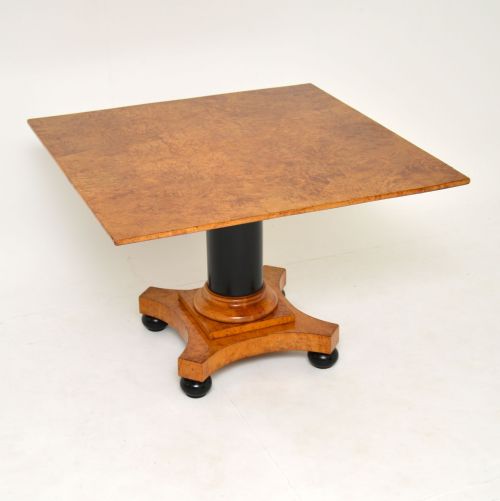
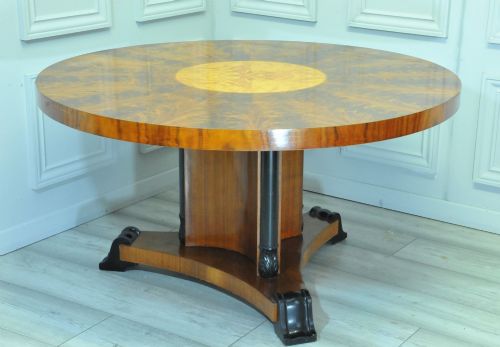
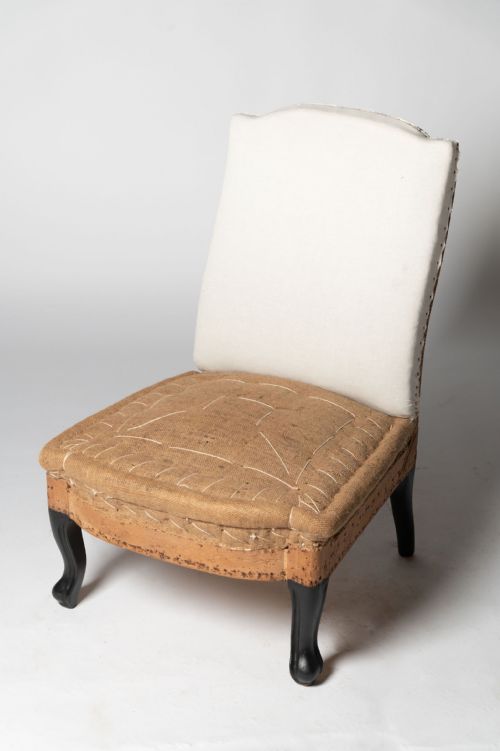

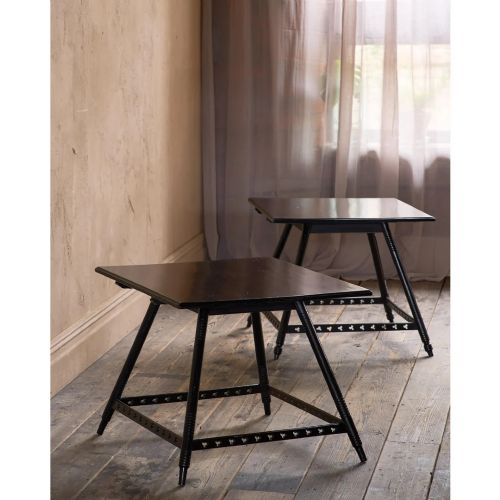
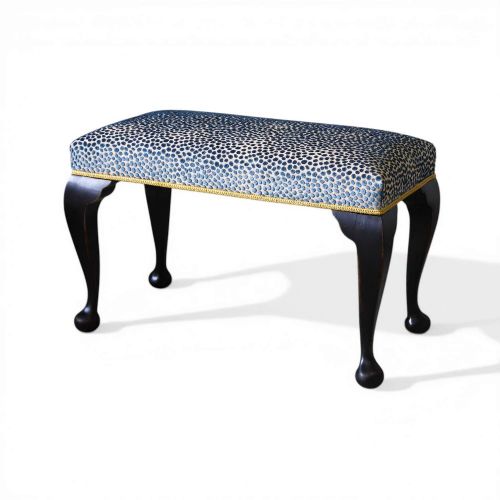
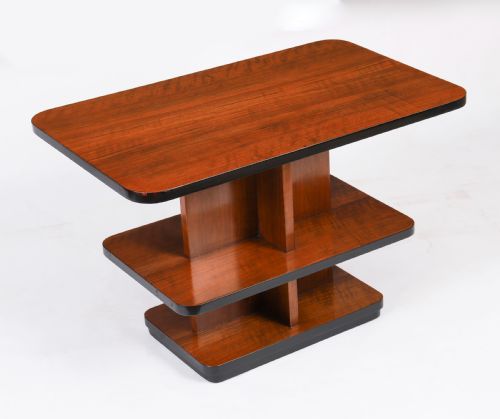


Ebonised Low Table
An ebonised low table brings dark, striking timber surfaces and low proportions to a room, offering both function and distinct period character.
Ebonised Low Table
An ebonised low table spans coffee tables, occasional tables, and adapted stools, bringing dark, dramatic surfaces to nineteenth and twentieth-century interiors. These pieces appear across Victorian, Edwardian, and Art Deco periods, drawing on diverse stylistic traditions including Empire Revival, Aesthetic Movement, and Chinoiserie.
You will frequently encounter coffee tables and occasional tables featuring blackened wood, alongside related forms like footstools and benches. Origins range across English, French, Swedish, Chinese, and Indian workshops, reflecting a truly international taste for dark polished timber.
How they were made
Timbers such as walnut, oak, and general hardwoods receive a dark ebonising treatment to imitate costly ebony, often combined with contrasting materials like brass, gilt, and malachite. Surface decoration includes hand-painted Chinoiserie motifs, intricate inlay work, and glossy black lacquer.
Structural forms rely on traditional joinery suited to the period, from Edwardian turned legs to sturdy nineteenth-century frames. Makers also integrated specialised elements like tray tops and tiered shelving to enhance utility.
Ebonised Low Table Retail Price Guide 2026
Typical asking prices for ebonised low table among the pieces listed under this phrase on Sellingantiques today, from the lower quarter to the upper quarter. They describe what is for sale here now, not the wider market.
One listed nineteenth-century ebonised low table or stool proudly admits to possessing an eccentric design.
What varies in quality
The standard of an ebonised low table depends on the depth and finish of the ebonising process, alongside the integrity of the underlying timber such as walnut or oak. Superior examples display crisp detail in applied brass, gilt, or inlay work rather than superficial surface decoration.
Proportion and structural balance distinguish finer pieces, particularly where stylistic revivals like Empire or Aesthetic Movement demand precise execution. The handling of secondary materials like malachite or hand-painted lacquer further separates standard production from exceptional craftsmanship.
Gillows·Gillow and Co
The Ebonised Low Table Glossary
- Ebonised
- Wood treated with stain, paint, or polish to imitate the dark, dense appearance of natural ebony. This finish gained immense popularity during the Victorian and Aesthetic periods.
- Aesthetic Movement
- A late nineteenth-century design current emphasising visual beauty over narrative content, often featuring ebonised surfaces and orientalizing details. It championed art for art's sake in domestic furnishings.
- Biedermeier
- A Central European style from the mid-nineteenth century prioritizing clean lines, utility, and domestic comfort over excessive ornamentation. Swedish interpretations frequently utilised native timbers with simple, elegant forms.
- Chinoiserie
- European decorative style reflecting Chinese artistic traditions, popular in Edwardian pieces featuring hand-painted motifs on dark grounds. It brings playful, narrative scenes to low tables and trays.
- Malachite
- A green copper carbonate mineral used in thin veneers or decorative panels on high-status furniture. Its distinctive banded patterns provide a striking contrast against ebonised timber.
Ebonised Low Table: Frequently Asked Questions
What periods do these low tables come from?
The available pieces span the nineteenth and twentieth centuries, encompassing Victorian, Edwardian, and Art Deco eras alongside specific revivals. You will find items dating from the mid-nineteenth century through to the nineteen-thirties.
Design influences range from Swedish Biedermeier and French Empire to Aesthetic Movement and Chinoiserie. Each period imparts distinct structural traits and decorative treatments to the ebonised surface.
How were these tables used originally?
Many began as occasional tables, card tables, or games tables before being adapted into low coffee tables for modern living spaces. Stools and benches were similarly repurposed to serve low seating or display functions.
Their versatile proportions made them suitable for drawing rooms, parlours, and smoking rooms. The addition of tray tops and tiered shelves allowed for serving drinks or displaying decorative objects.
How do I care for an ebonised finish?
Protect the dark surface from direct sunlight and excessive moisture by using coasters and mats. Dust gently with a soft, dry cloth to maintain the polished sheen without abrading the finish.
Avoid chemical polishes and abrasive cleaners that can damage the ebonised layer or underlying lacquer. Period timber responds best to stable indoor humidity and minimal intervention.
How do I distinguish between different revival styles?
Empire style pieces emphasise classical symmetry and monumental form, often incorporating gilt highlights. Aesthetic Movement examples lean towards refined simplicity with Japanese or geometric influences.
Edwardian Chinoiserie introduces pictorial painted scenes, while Art Deco pieces favour geometric tiers and blonde contrasts. Examining the primary timber, such as walnut or oak beneath the black finish, helps clarify the origin.