

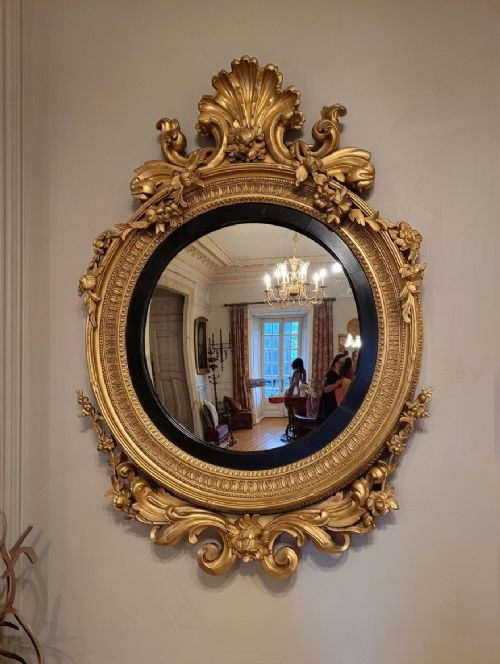
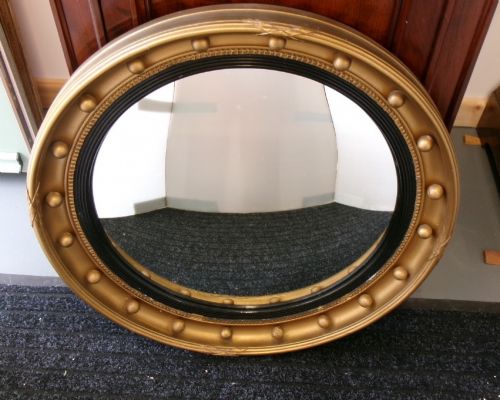
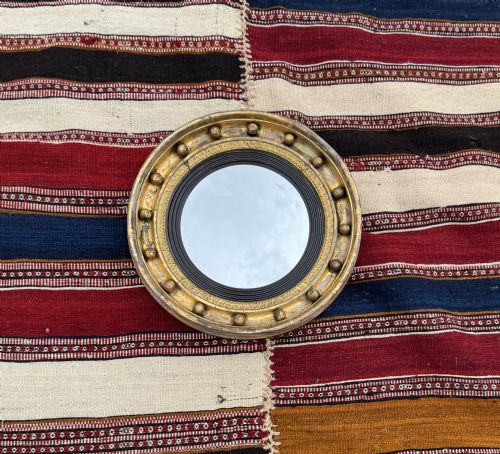


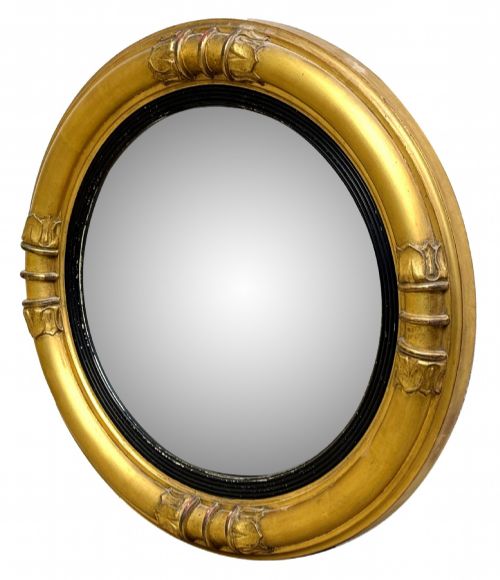

Ebonised Gold Mirror
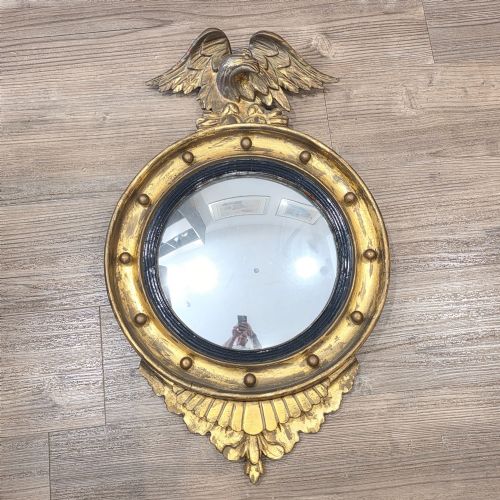
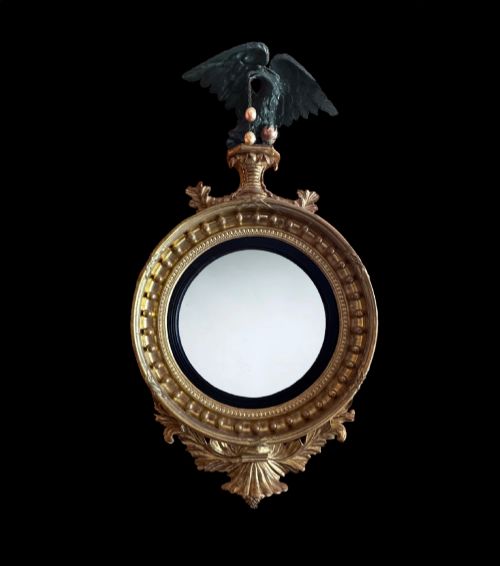
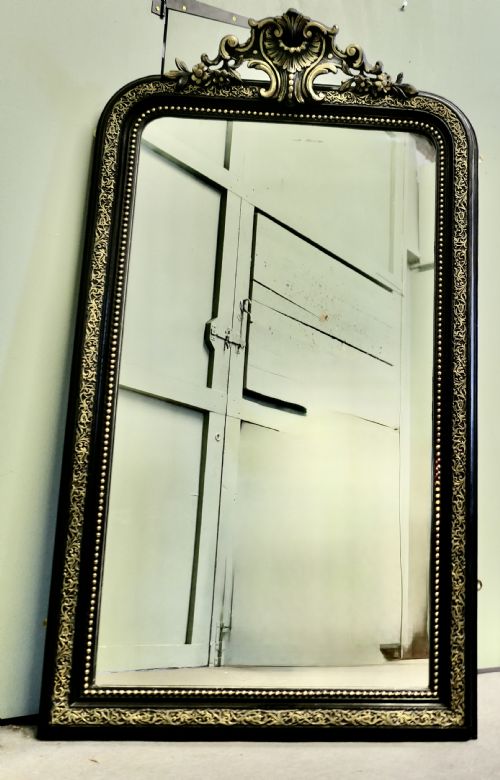
An ebonised gold mirror brings striking contrast into a room, pairing dark blackened wood with brilliant gilt highlights.
Ebonised Gold Mirror
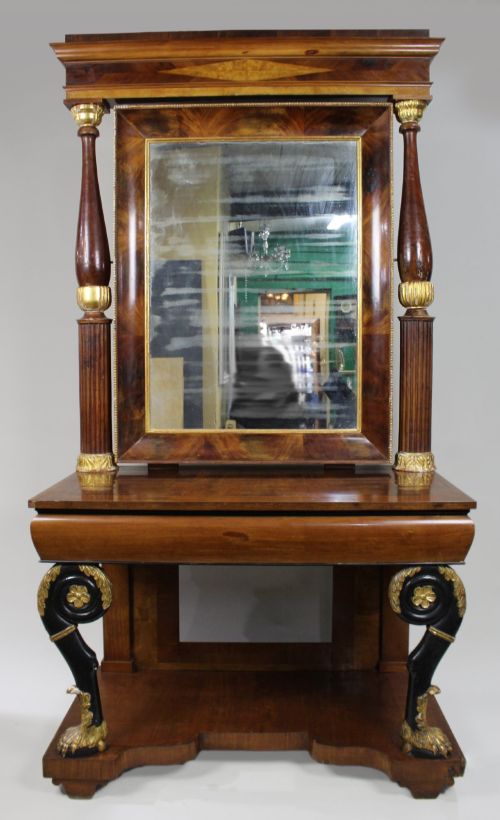
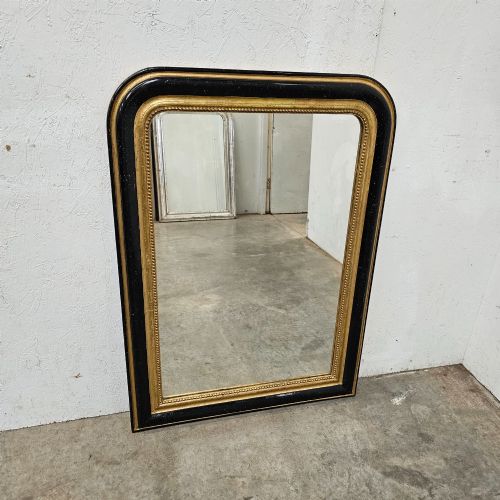
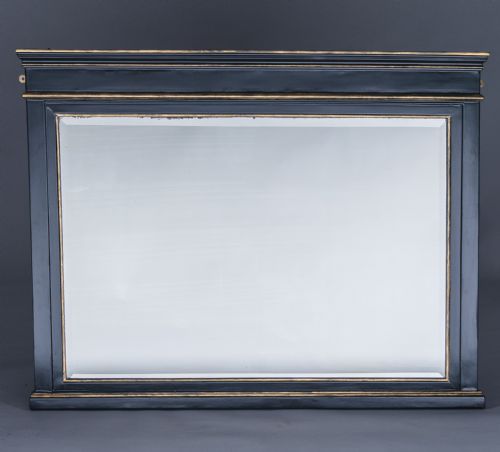
When you search for an ebonised gold mirror, you encounter striking wall hangings and overmantels that combine deep dark wood finishes with luminous metallic leaf. The selections span the nineteenth century, including Victorian and Regency periods, alongside later revivals.
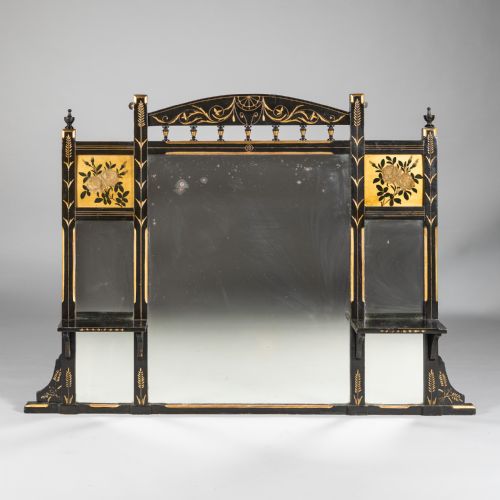
Most examples take the form of large overmantel frames or smaller wall-hung pieces, often incorporating parcel-gilt details where the underlying wood peeks through the dark surface. These objects served both practical reflective purposes and decorative architectural functions in period homes.
How they were made
Craftsmen built these frames using timber such as wood, applying a dark ebonised finish alongside gesso preparations before laying down gold leaf or parcel-gilt details. Mirror glass was then fitted securely into the rebated frames, often retaining original foxing or silvering characteristic of age.
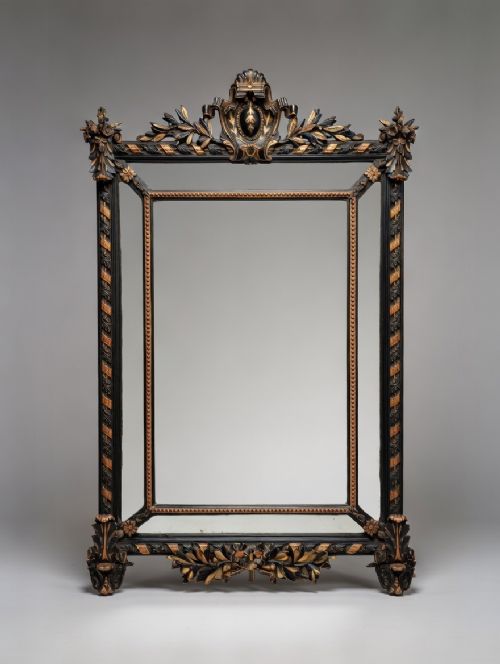
Surface ornamentation relied on hand-carved motifs, slip mouldings, and applied gilding techniques that created sharp visual contrasts between the blackened portions and the reflective gold areas.
What varies in quality
The distinction between ordinary and exceptional pieces lies in the crispness of the carved details and the depth of the ebonised finish. Superior examples display meticulous parcel-gilt work where the metallic leaf adheres smoothly to the contours of the wood.
Proportion and scale also dictate merit, particularly in larger overmantel formats where balance between the dark ebonised surfaces and the gilded highlights determines visual harmony.
The Ebonised Gold Mirror Glossary
- Ebonised
- Wood treated with a chemical stain or pigment to imitate the dark, dense appearance of ebony. This dark finish provides a dramatic base for contrasting gilding.
- Parcel-gilt
- Partially gilded woodwork where specific raised areas or motifs receive gold leaf while the remainder shows the dark ebonised or polished wood underneath.
- Gesso
- A plaster-like mixture applied to wood frames to create a smooth surface for receiving gilding or fine carving. It allows intricate decorative details to be moulded onto the frame.
- Overmantel
- A large mirror designed to hang directly above a fireplace mantelpiece. These substantial pieces often feature architectural elements like columns or decorative crestings.
Ebonised Gold Mirror: Frequently Asked Questions
Where should I hang an ebonised gold mirror?
These mirrors suit placement above a living room fireplace or a dining room sideboard where their dark frames and gold highlights catch the light. Their strong visual contrast commands attention in hallways or above console tables.
Ensure the wall fixings match the considerable weight of nineteenth-century timber frames and heavy glass plates. Positioning them opposite a window maximises natural light distribution across the room.
How do I clean an antique ebonised frame?
Dust the carved wooden surfaces gently with a soft, dry brush to prevent accumulation in the recesses of the ebonised moulding. Avoid commercial liquid polishes that might damage the delicate antique finish.
Keep moisture entirely away from the gilt areas and the mirror plate edges to protect the original gilding and silver backing. Professional restoration is best consulted if deeper cleaning becomes necessary.
How can I tell the period?
Dating relies on examining the construction methods of the wood frame, the backing boards, and the characteristics of the mirror glass. Regency and Victorian examples often feature distinct moulding profiles and specific joining techniques.
Wear patterns on the ebonised finish and the gold leaf offer further clues to age and authenticity. Original mirror plates frequently display subtle distortions or foxing consistent with nineteenth-century manufacturing methods.