

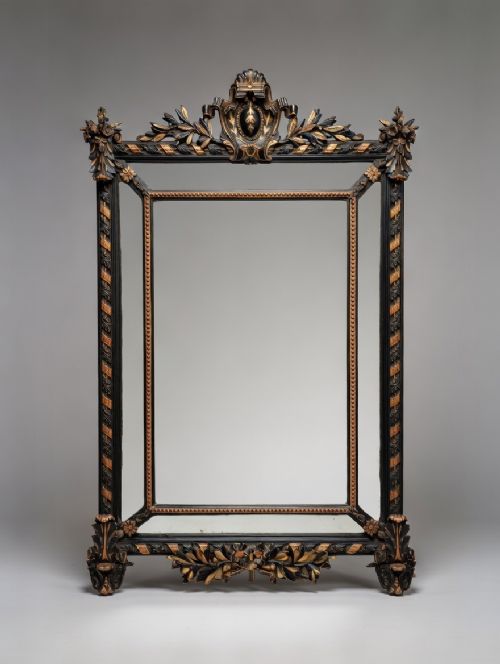
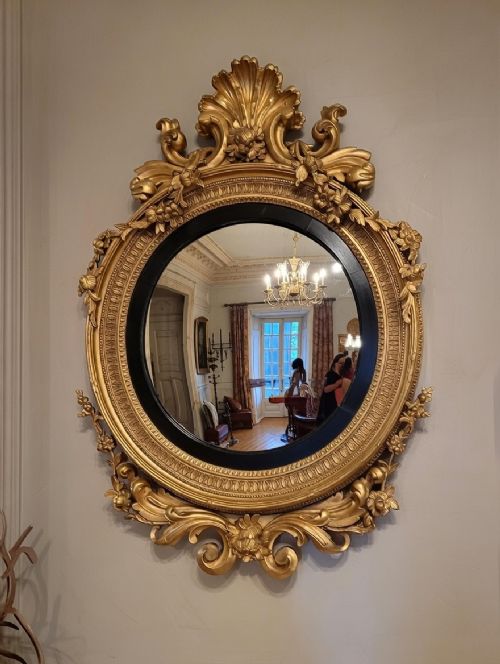


Ebonised Gilt Overmantel Mirror
An ebonised gilt overmantel mirror commands attention above a fireplace, combining dark wood finishes with reflective gold leaf highlights.
Ebonised Gilt Overmantel Mirror
An ebonised gilt overmantel mirror is a large decorative glass designed to sit directly above a mantelpiece or on a principal wall. These pieces primarily date from the nineteenth century, encompassing Regency, Victorian, Aesthetic Movement, and Napoleon III periods.
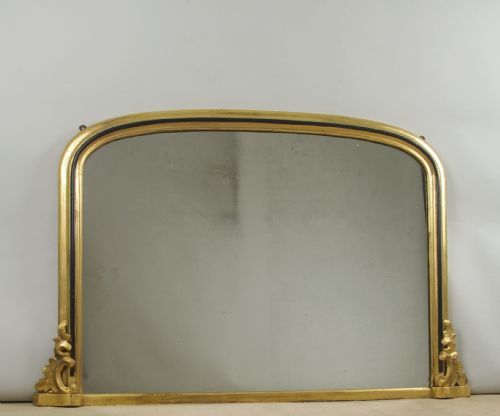
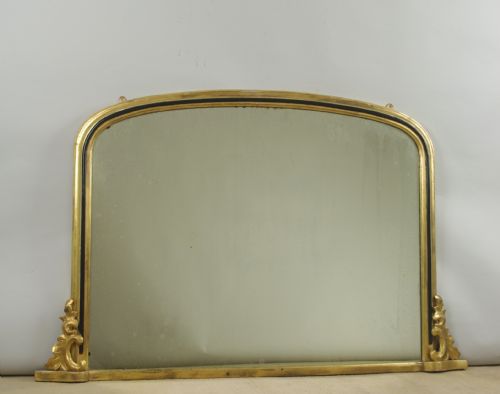
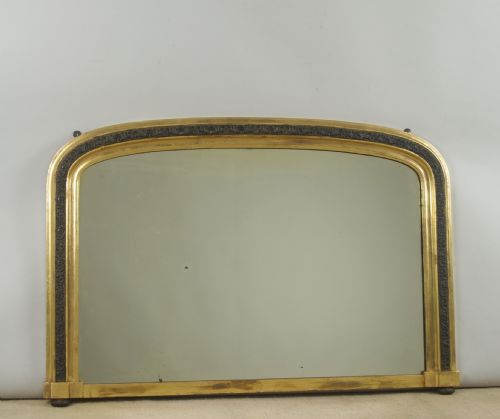
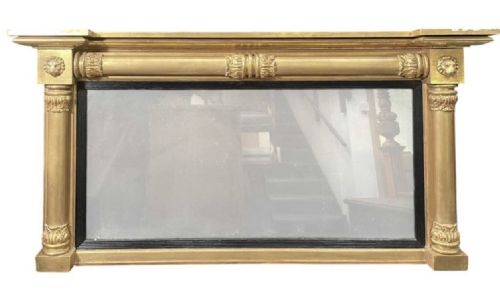
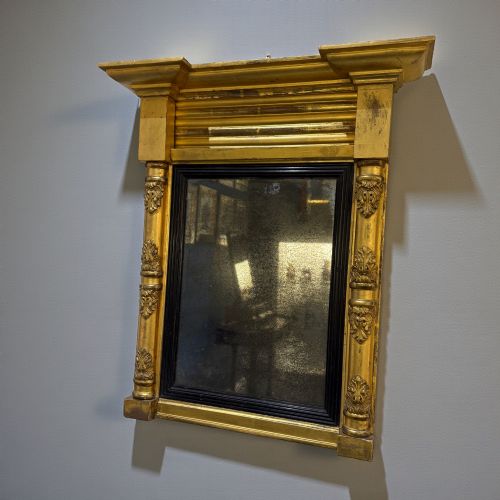
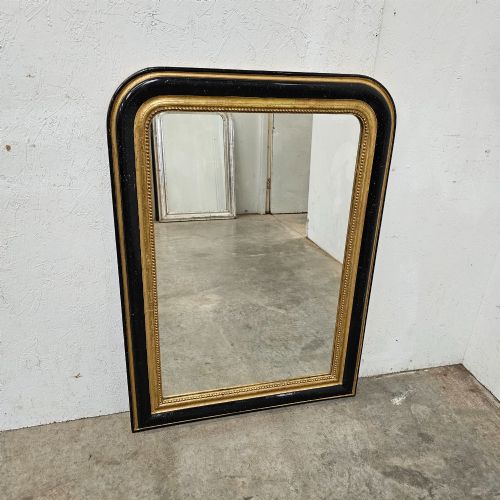
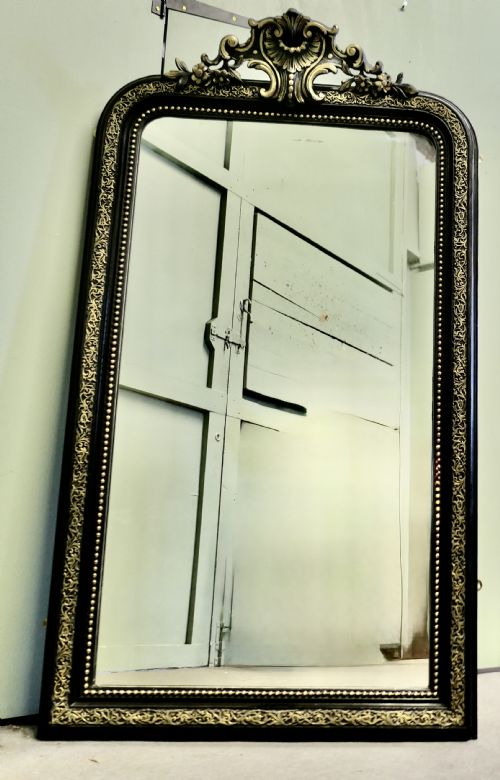
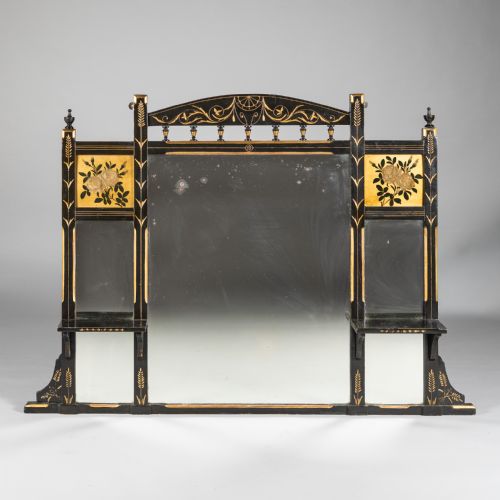
The most common form encountered on this page is the rectangular or arch top overmantel mirror, often incorporating parcel gilt details on an ebonised wooden ground. Triptych formats and pillared frames also appear regularly alongside simpler wall mirrors.
Originating in English and French workshops, these mirrors display stylistic influences ranging from classical revival to the later nineteenth century aesthetic taste. Buyers will find variations from restrained Regency lines to heavily carved Victorian designs.
Materials and construction methods
Frames are constructed from wood, including mahogany and various softwoods, finished with an ebonised coating to imitate ebony. Giltwork and parcel gilding are applied using gold leaf or metallic paint over prepared gesso surfaces.
Mirror glass is set within the wooden framework, occasionally divided into triptych sections by engaged columns or decorative mouldings. Composition ornamentation is frequently utilised for intricate details such as acanthus leaves and classical motifs.
Ebonised Gilt Overmantel Mirror Retail Price Guide 2026
Typical asking prices for ebonised gilt overmantel mirror among the pieces listed under this phrase on Sellingantiques today, from the lower quarter to the upper quarter. They describe what is for sale here now, not the wider market.
Listings feature periods from the Regency era through the late nineteenth century, predominantly utilising ebonised wood, gesso, and gold leaf.
Judging the quality of the finish
The standard of the ebonisation and the crispness of the carved or moulded gesso define the visual strength of the piece. Superior examples retain their original gold leaf without excessive overpainting, showing clean lines in architectural elements like columns and pediments.
The depth and clarity of the mirror glass contribute to overall integrity, alongside the joinery of the heavy wooden frames. Pieces with intact parcel gilt highlights and stable original plates command greater visual presence.
The Ebonised Gilt Overmantel Mirror Glossary
- Ebonised
- Wood treated with a dark stain or finish to simulate expensive ebony. This dark ground contrasts sharply with applied gilt details.
- Parcel Gilt
- A technique where only specific portions of an object are gilded with gold leaf, leaving the underlying ebonised wood visible elsewhere.
- Gesso
- A plaster-like mixture applied to wooden frames to create a smooth surface for carving and gilding. It allows for intricate moulded decoration.
- Overmantel
- A large mirror or painting specifically proportioned to hang on the wall above a fireplace mantel. They often feature horizontal rectangular formats to match the width of the hearth.
- Triptych
- A mirror divided into three distinct vertical sections, commonly separated by small columns or wooden dividers. This layout was popular during the Regency period.
- Aesthetic Movement
- A late nineteenth century design style emphasising visual beauty over narrative content, often featuring ebonised surfaces with gilt highlights.
Ebonised Gilt Overmantel Mirror: Frequently Asked Questions
How do I hang a heavy overmantel mirror safely?
These large nineteenth century frames require secure attachment directly into wall studs or solid masonry using rated hardware.
Professional mirror fixings or French cleats distribute the substantial weight of the wood and glass evenly across the structure.
Where should an overmantel mirror be placed?
Traditionally positioned directly above a fireplace mantelpiece, an overmantel mirror reflects light and anchors the surrounding interior scheme.
They also function effectively on large living room walls where their horizontal proportions create a sense of expanded space.
How do I clean the ebonised frame and glass?
Dust the ebonised wood and gilded details gently with a dry, soft cloth to avoid damaging the delicate metallic leaf. Glass cleaner applied to a cloth rather than sprayed directly prevents moisture from seeping behind the frame.
What is the difference between Regency and Victorian styles?
Regency pieces often display restrained classical lines, sometimes incorporating Egyptian revival motifs or neat triptych divisions with columns.
Victorian and Aesthetic Movement examples tend toward larger, heavier proportions with rich ebonised finishes and pronounced carved details.