

Ebonised Column
An ebonised column stands dark and architectural, bringing dramatic weight and classical proportion to an interior through its starkly stained timber form.
Ebonised Column
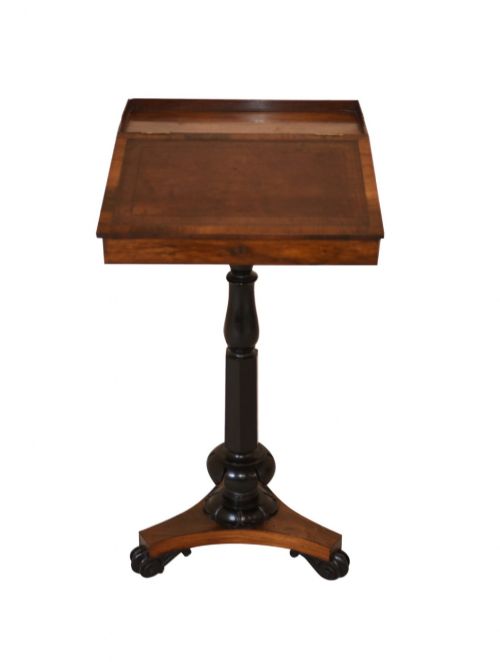
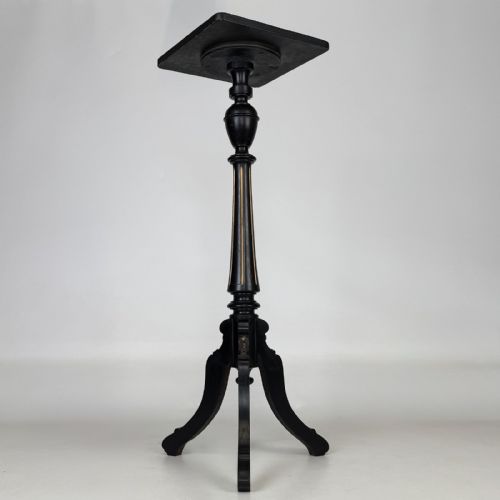
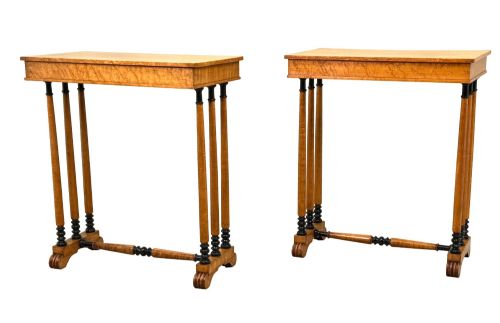
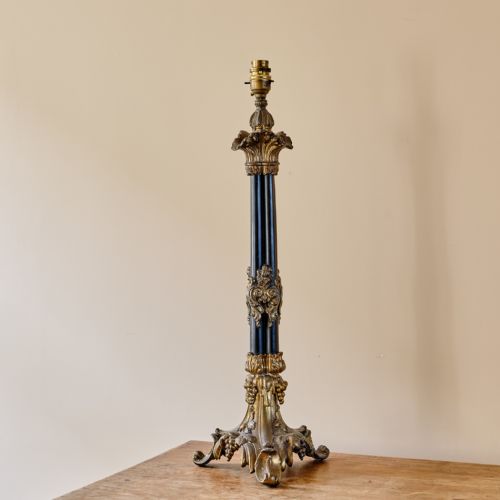
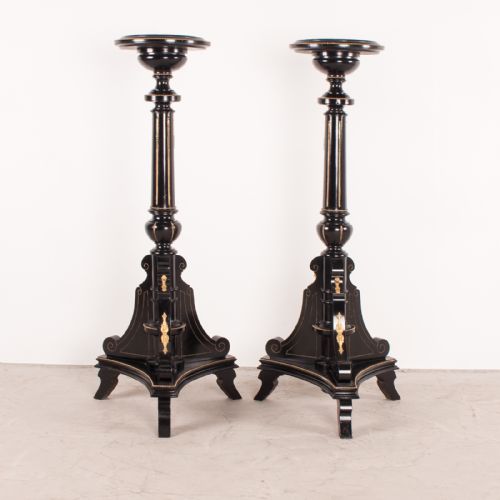
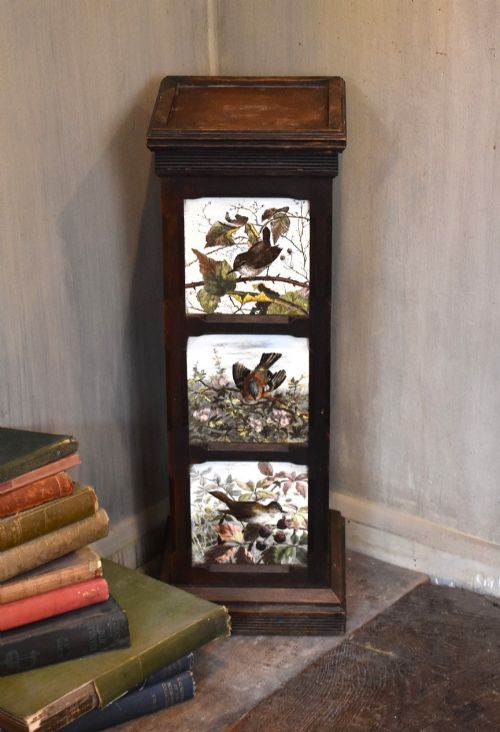
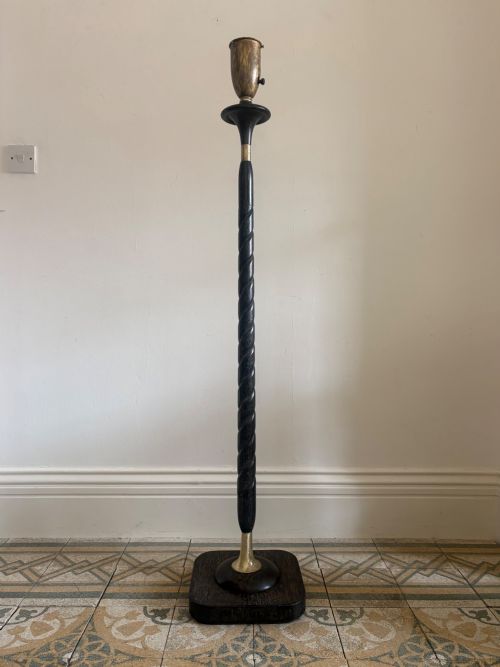
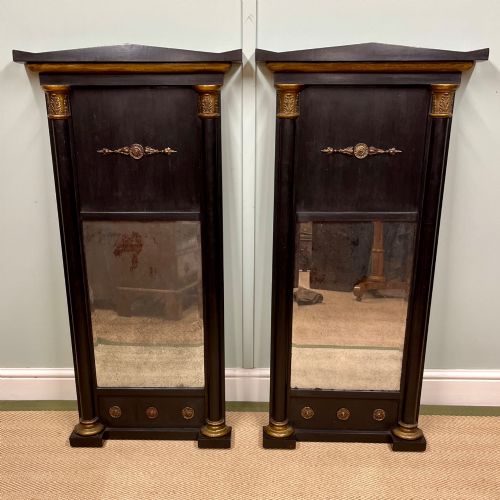
The ebonised column appears principally as a pedestal, torchere, or structural element within mantel clocks and mirrors across the nineteenth century. Makers adopted this dark finish during the Regency, Victorian, and Aesthetic Movement periods to emulate expensive ebony using more accessible native timbers. These vertical supports range from simple turned wooden plinths to elaborately carved stands designed to display sculpture or decorative objects.
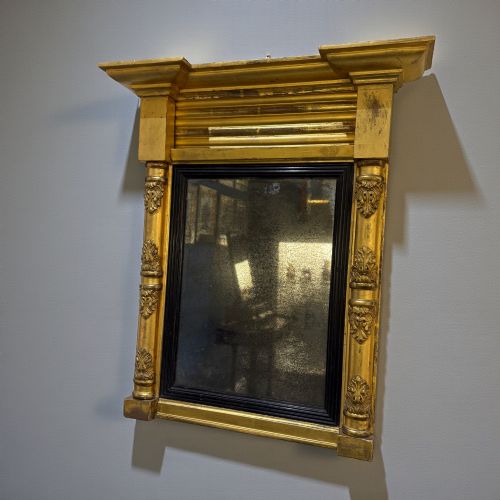
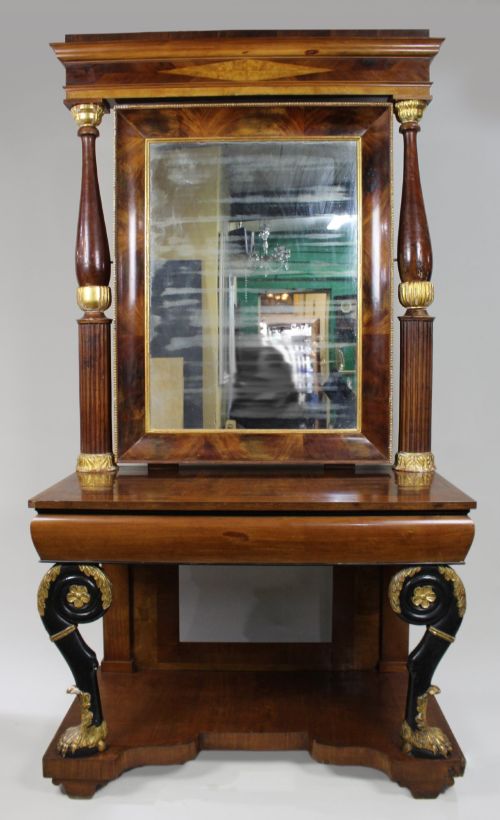
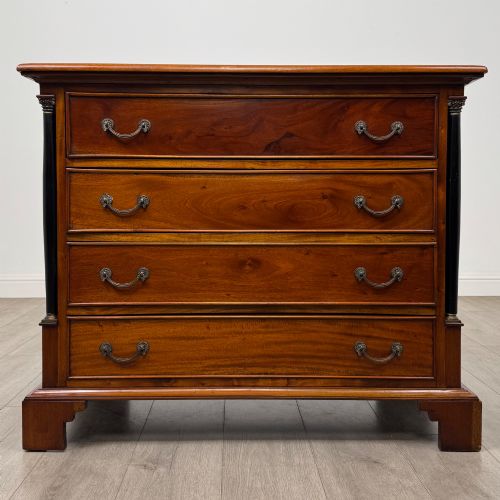
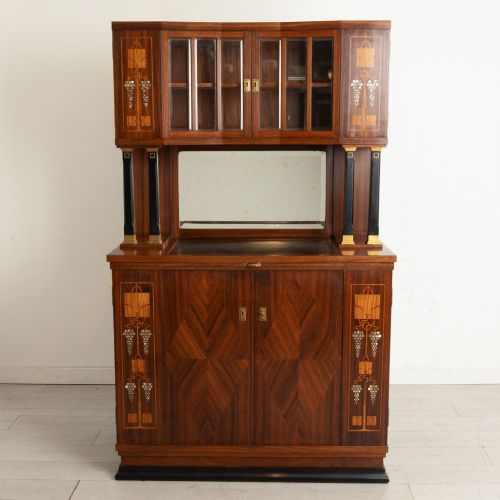
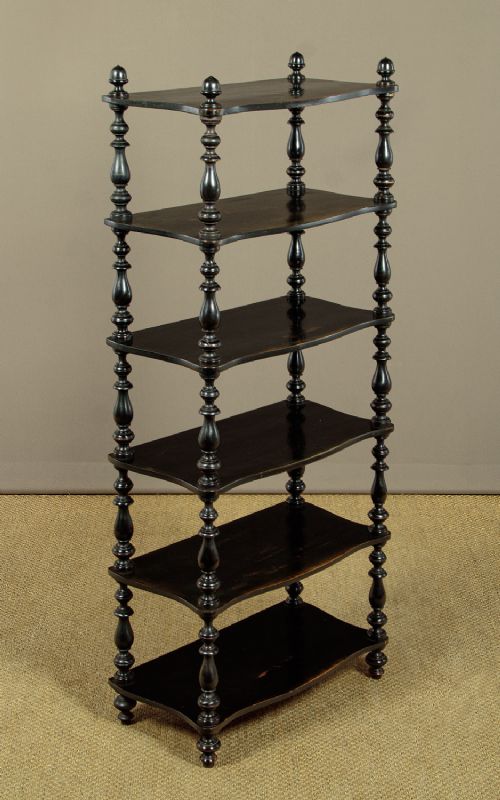
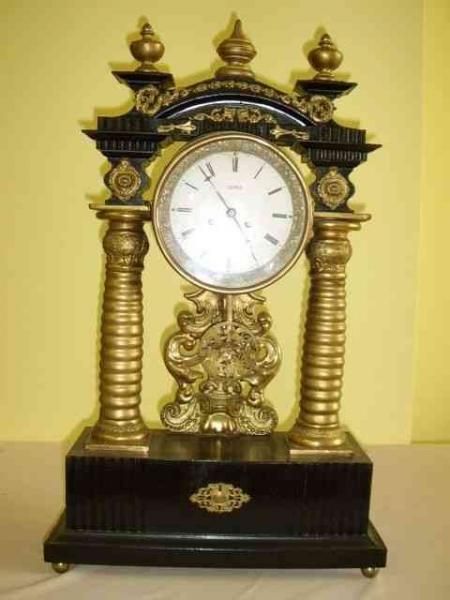
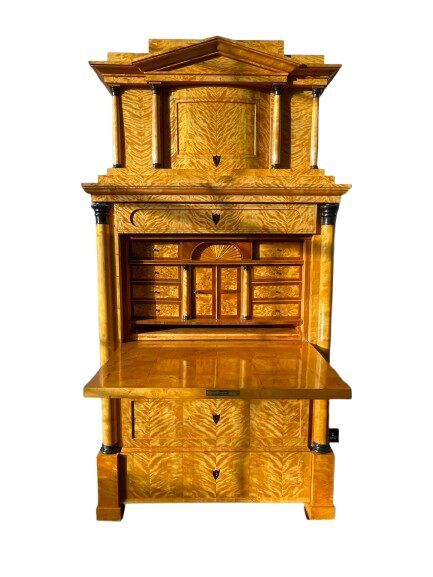
Examples on this page span the eighteenth to the early twentieth century, reflecting revivalist tastes from French Empire to Biedermeier styles. Buyers encounter both freestanding columns meant for display and engaged columns integrated into furniture such as portico clocks and console tables. The forms draw directly on classical architecture, translating stone orders into timber formats suitable for domestic display.
Materials and technique
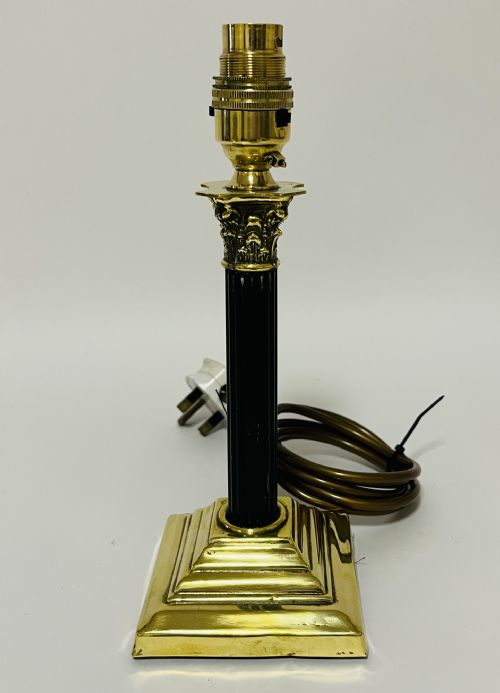
Craftsmen built these pieces using a base wood, predominantly mahogany, walnut, or birch, which was then treated to achieve a deep black ebonised finish. This coloration involved applying dark stains or black finishes to the timber, sometimes combined with gilding, brass, or ormolu mounts to create high contrast. Gesso and lacquer also served as preparatory or surface layers on specific decorative stands.
The construction often relies on precision turning on a lathe for the shaft, joined to sturdy bases and capitals. Secondary materials such as glass domes, marble, and mirror plates appear alongside the timber framework, particularly in portico clocks and display pieces.
Ebonised Column Retail Price Guide 2026
Typical asking prices for ebonised column among the pieces listed under this phrase on Sellingantiques today, from the lower quarter to the upper quarter. They describe what is for sale here now, not the wider market.
A solitary nineteenth-century crouching figure stand proves that even structural columns occasionally enjoy a spot of heavy lifting.
Markers of standard
Quality rests in the crispness of the turning and the depth of the ebonised finish. Superior pieces show precise detailing in carved capitals and bases, avoiding the softening of edges that occurs in mass-produced or later copies.
The integrity of the underlying timber and the application of secondary decorative elements, such as parcel gilding or brass mounts, dictate the overall standard. Pieces retaining their original surface treatments and structural stability command greater appreciation among collectors.
August Ungethüm·Gillow & Co.·Humphrey Hopper
The Ebonised Column Glossary
- Ebonised
- Timber treated with stain, paint, or chemical processes to imitate solid ebony. This dark finish gained widespread popularity during the nineteenth century for furniture and decorative columns.
- Torchere
- A tall stand or pedestal designed to support a lamp, candle, or decorative object. These vertical supports often feature ebonised surfaces and classical columnar designs.
- Portico clock
- A mantel clock featuring a architectural case supported by columns, commonly associated with the French Empire period. These timepieces frequently incorporate ebonised wood and ormolu mounts.
- Giltwood
- Wood that has been coated with gold leaf or gold paint. This technique frequently highlights the capitals and plinths of ebonised columns to create visual contrast.
Ebonised Column: Frequently Asked Questions
What is an ebonised column?
An ebonised column is a vertical architectural support or display stand made from timber stained to resemble black ebony. These pieces draw on classical design traditions and appear as freestanding pedestals or integrated parts of furniture.
Craftsmen produced them across multiple centuries, utilising finishes that created a striking dark surface often contrasted with gilt or brass details.
How were these columns used historically?
Historically, these columns served as pedestals for displaying sculpture, decorative arts, and plants within period interiors. They also functioned as structural components in portico clocks, mirrors, and console tables.
Their substantial vertical presence allowed rooms to incorporate neoclassical architectural motifs without relying on solid stone.
How do I care for ebonised wood?
Ebonised surfaces require gentle dusting with a soft, dry cloth to prevent scratching the dark finish. Avoid exposure to direct sunlight and excessive moisture, which can degrade the black stain and any applied gilding.
Maintaining stable indoor humidity preserves the underlying timber and prevents movement in the joints of turned columns.
How do I identify the period of a column?
Dating relies on examining the turning style, the choice of base timber, and the presence of period-specific decorative motifs like Aesthetic Movement or Regency details. The joinery techniques and surface wear provide further clues to the manufacturing era.
Comparing the proportions and mounting styles to documented pieces from the nineteenth century helps confirm the age and origin.