


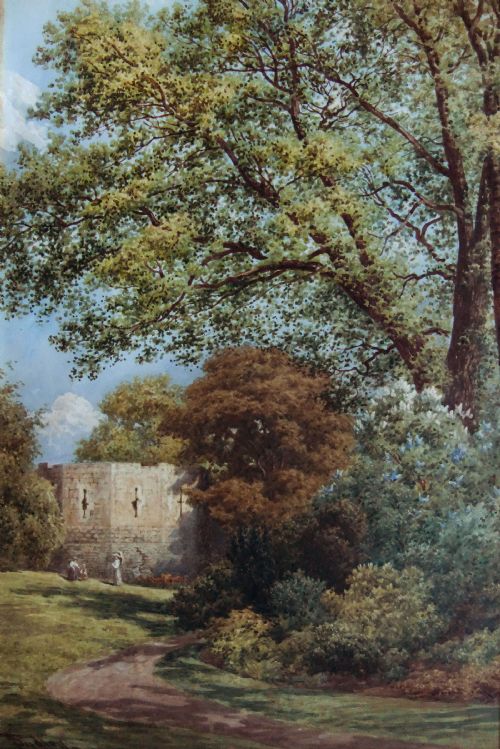


Earthy Watercolour Artwork
An earthy watercolour artwork brings quiet atmosphere and natural tones into a room, offering genuine character from past centuries.
Earthy Watercolour Artwork
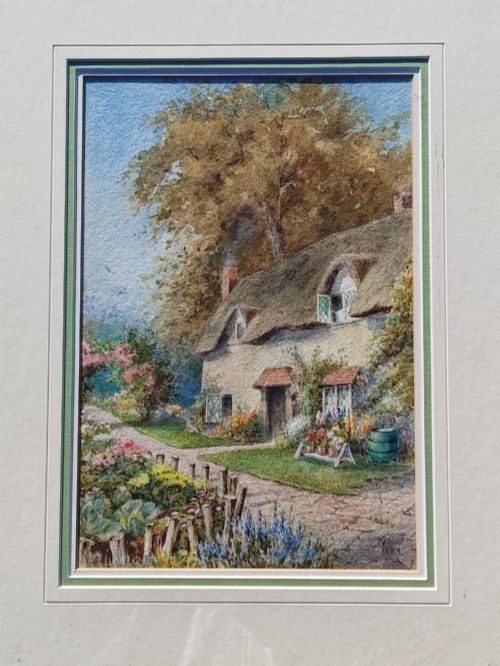
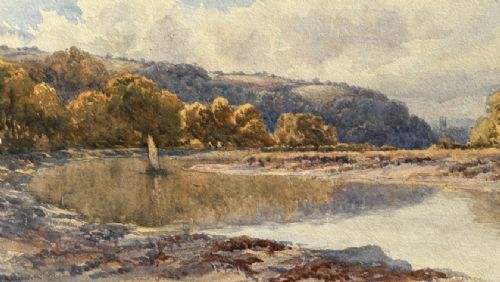
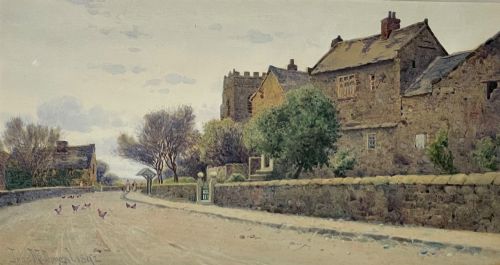
When you search for earthy watercolour artwork, you find original paintings executed on paper using muted pigments and natural colour palettes. The pieces listed here span the nineteenth century through to the mid-twentieth century, capturing landscapes, rural scenes, and architectural views.
Victorian and Edwardian examples dominate the selection, alongside works from the nineteen-twenties and nineteen-forties. Subjects range from Yorkshire villages and Scottish river landscapes to French and Italian scenes.
Most items appear framed, often in wood or gilt wood frames that complement the age of the painting. Buyers encounter varied formats including wall art, framed artwork, and fine art paintings.
Materials and construction
These works rely primarily on watercolour pigment and ink applied to paper surfaces. Artists utilised the translucent qualities of water-based media to build depth through layered washes.
Many surviving examples retain their original glass protection and timber framing. Some pieces incorporate gilt wood surrounds that reflect the framing conventions of the period.
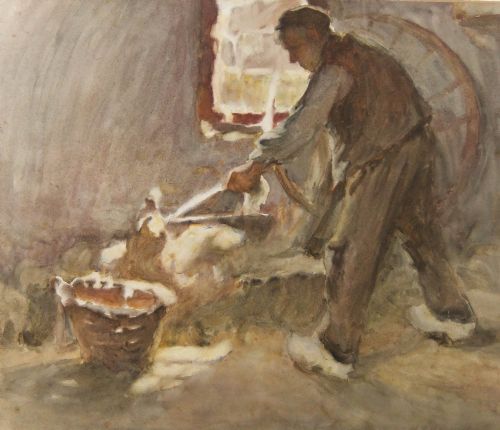
Donkeys, blacksmiths, and gypsy encampments share these historic paper surfaces with quiet Yorkshire waterfalls.
Quality factors in historic watercolours
The strength of the composition and the handling of light distinguish finer works from simpler sketches. Accomplished artists captured atmosphere and topographical detail with assured brushwork.
Condition of the paper and stability of the pigments influence desirability. Works that retain their original tonal depth without excessive fading represent the upper tier of the range.
David Law·John McDougal·Henry Silkstone Hopwood·James Hayllar·James Tower·James Orrock·John Atkinson·G Villiers Stuart·R P Noble·Charles H Poingdestre·Rowland Henry Hill·Tom Dudley·Eugene Boudin·Francis William Topham·Charles Branwhite·Maurice Asselin·Fred C Jones·John D Walker·Fred Lawson·William Kay Blacklock·Willie Stephenson·George Graham·George Soper·George Jackson
The Earthy Watercolour Artwork Glossary
- Watercolour paint
- A water-based medium utilising ground pigments suspended in a binder. It allows for translucent washes and fine linear detail.
- Gilt wood
- Timber framing finished with a thin layer of gold leaf or metallic gilt paint. It is commonly found on traditional frames from the nineteenth and early twentieth centuries.
- Fine art painting
- An original visual work created as an aesthetic piece rather than a functional illustration. These works are typically signed by the artist.
- Wall art
- A general term for decorative pieces intended to be hung on interior walls. This category includes framed paintings and watercolours.
- British Impressionism
- An artistic style characterised by visible brushstrokes and an emphasis on light in its changing qualities. It influenced many landscape painters of the late nineteenth and early twentieth centuries.
Earthy Watercolour Artwork: Frequently Asked Questions
How should I hang watercolour paintings?
Watercolours are sensitive to strong daylight and benefit from placement away from direct sunlight. Position them on interior walls where light levels remain stable.
Use appropriate picture hooks suited to the weight of the timber frame and glass. Keep them clear of damp walls and heat sources.
How do I date an antique watercolour?
Dating relies on stylistic clues, artist signatures, framing materials, and inscriptions on the reverse of the paper or frame. Victorian and Edwardian works often display specific framing techniques and paper watermarks.
Comparing the subject and signature with known biographical dates of the artist provides a reliable timeframe.
Are these paintings original works?
The listings consist of original hand-painted watercolours rather than mechanical reproductions or prints. Each piece represents a unique application of pigment to paper by the artist's hand.
Signatures, brushwork texture, and edge inspection confirm their status as singular works of art.
What subjects are most common?
Rural landscapes, country cottages, river scenes, and architectural landmarks form the primary subject matter. Artists frequently depicted local Yorkshire views, coastal villages, and pastoral countryside.
Travel scenes from France, Italy, and Spain also appear among the selections from this period.