







Earthy Tone Canvas Art
Earthye tone canvas art brings warmth and character to a room through traditional oil paintings on canvas and board.
Earthy Tone Canvas Art
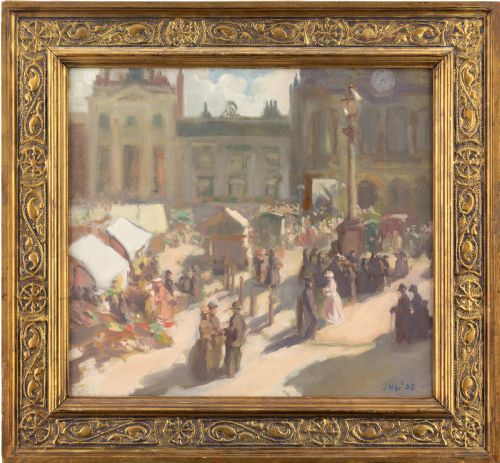
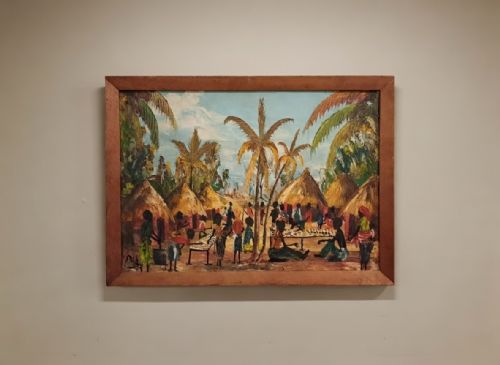
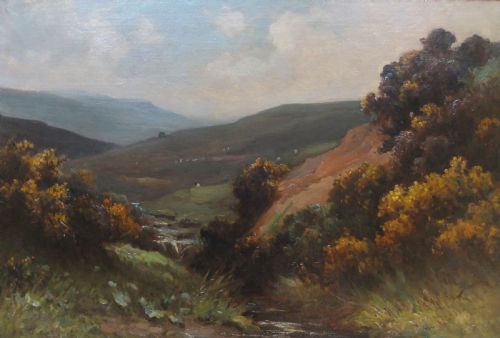
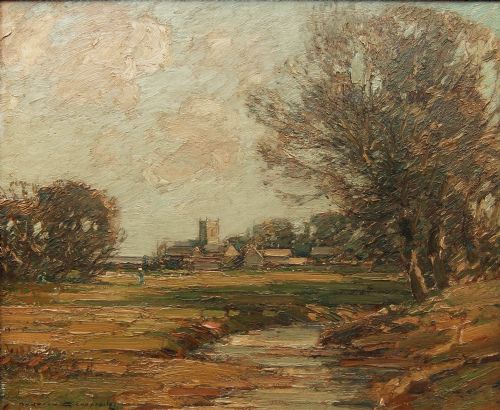
Earthye tone canvas art comprises oil paintings on canvas and board spanning periods from the nineteenth century through the mid-twentieth century. Buyers searching this phrase encounter landscapes, farm scenes, and village views rendered in natural, muted palettes.
The selections on this page feature British Impressionism, French Provincial styles, and Barbizon School landscapes. These works capture pastoral scenes, working animals, and rural architecture using traditional painting techniques.
Most pieces date from the early twentieth century or the nineteenth century, framed in wood and occasionally gilt surrounds. Collectors choose these works for their historic depiction of country life and rich tonal qualities.
Materials and Methods
Artists painted these works using oil paint applied to stretched canvas or board surfaces. The pigment layers build texture and depth, utilising natural tones suited to rural and agricultural subjects.
Many of these works retain their original wood and gilt frames, which complement the painted surface. The combination of oil on canvas with period framing defines the physical structure of these pieces.
The listings on this site span the nineteenth century to nineteen-sixty, utilising oil paint on canvas and board.
Distinctions in Quality
Quality in these oil paintings rests upon the handling of light, brushwork confidence, and composition. Works by established painters exhibit greater depth in narrative and spatial arrangement.
The integration of canvas and supportive board, alongside the preservation of the paint layer, separates finer examples from standard decorative works. Original framing also contributes to the overall integrity of the piece.
John Hodgson Lobley RBA·Raimond Louis Lecourt·Herbert Royle·Reginald Grange Brundrit RA·Vincenzo Irolli·John Frederick Herring·Thomas Creswick RA·Owen Bowen·Ernest Higgins Rigg·Kershaw Schofield·George F Wetherbee·William Greaves·Maurice Wagermans
The Earthy Tone Canvas Art Glossary
- Canvas
- A heavy woven fabric used as a surface for oil painting. It is typically stretched over a wooden frame before application.
- Board
- A rigid flat panel utilised as a painting support instead of stretched canvas.
- Barbizon School
- A nineteenth-century French art movement focused on realistic landscape painting and working from direct observation of nature.
- Gilt
- A thin layer of gold leaf applied to wood frames to provide a decorative metallic finish.
Earthy Tone Canvas Art: Frequently Asked Questions
What periods do these paintings represent?
The works span from the nineteenth century through the mid-twentieth century. This includes pieces from the nineteen-hundreds, nineteen-tens, and nineteen-thirties.
Earlier works reflect nineteenth-century academic and Barbizon styles, while later pieces show mid-century modernist influences.
What subjects are common in these artworks?
Rural landscapes, farm yards, marine views, and village scenes dominate the subjects. Horses, working animals, and figures appear frequently within these settings.
Artists focused on pastoral life and natural environments, utilising muted and natural colour palettes.
How should I display these canvas paintings?
These works suit traditional and transitional interiors where natural tones and historic character are desired. Placing them away from direct sunlight protects the oil paint and canvas.
Most pieces arrive with their original wood or gilt frames, ready for wall mounting.
Are these paintings signed by the artists?
Many pieces feature visible signatures or attribution to named nineteenth and twentieth-century painters. Some works include biographical details within their titles and documentation.
Unsigned examples are identified through style, period characteristics, and recorded provenance.