
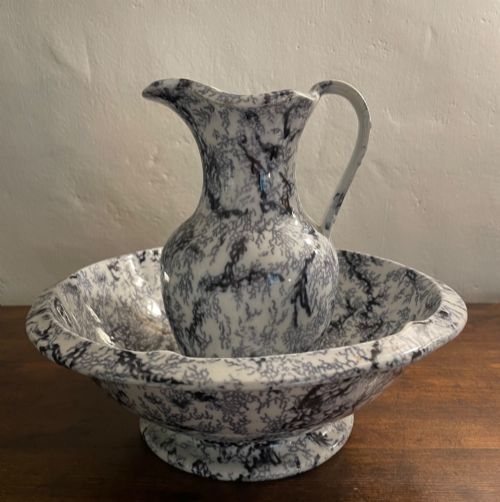
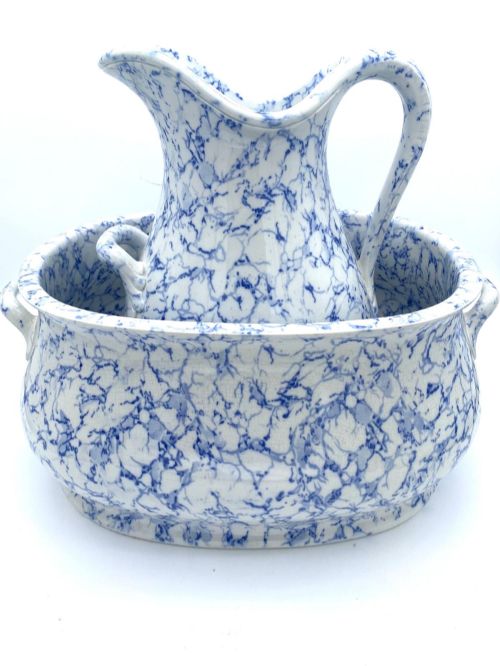
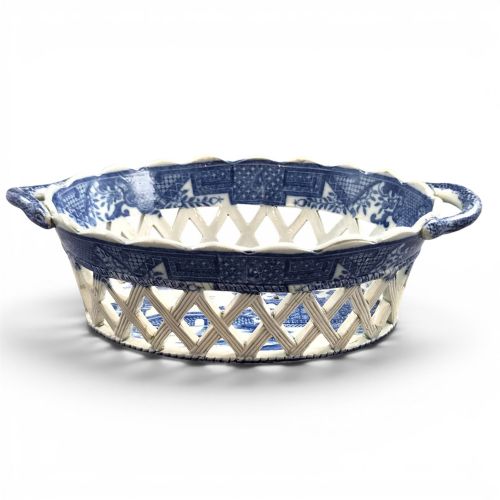

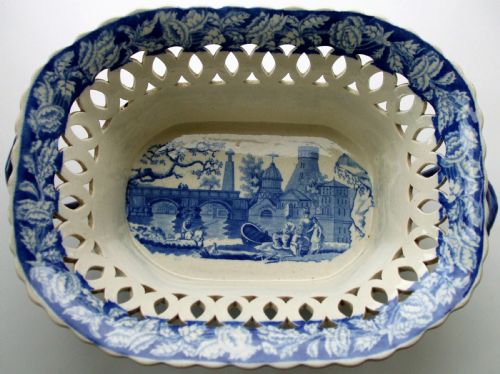


Earthenware Transferware Bowl
An earthenware transferware bowl brings crisp printed scenes and robust pottery into daily service, prized for durability and narrative charm.
Earthenware Transferware Bowl
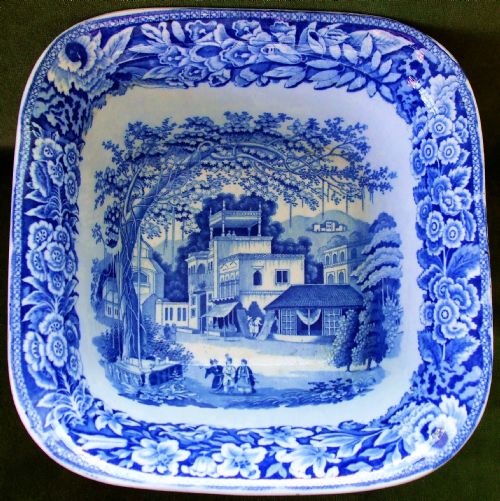
An earthenware transferware bowl sits among nineteenth century ceramic vessels shaped for food service, washing, and display.
The pieces on this page span the Georgian, Regency, and Victorian periods, often taking the form of footed bowls, sugar bowls, and tea bowls.
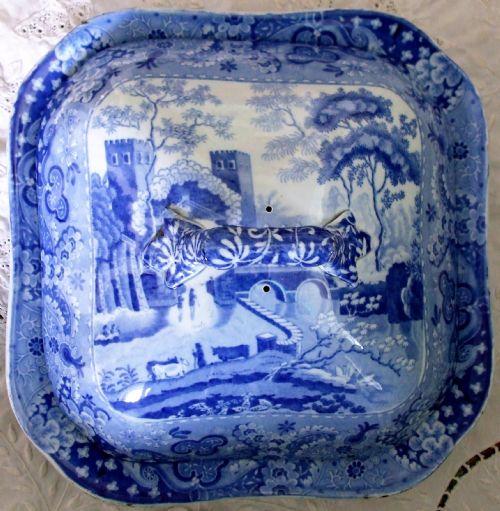
Buyers meet varied forms from English and Scottish makers, featuring landscapes, historical events, and classical patterns printed beneath a clear glaze.
Materials and transfer printing techniques
Potters formed these vessels from refined earthenware and pearlware, applying copperplate engravings printed in cobalt blue, flow blue, or mulberry pigment onto the ceramic body.
A protective glaze covered the transfer print before firing in the kiln, sealing the decoration and creating the characteristic glossy surface seen on these bowls and tureens.
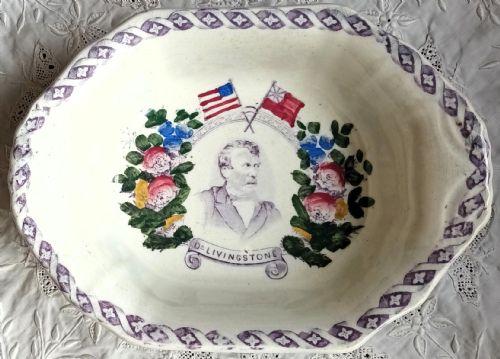
Dr Livingstone shares shelf space with elephants, castles, and sailors, proving nineteenth century potters possessed wonderfully eclectic imaginations.
Judging quality in transfer-printed ceramics
Quality rests upon the clarity of the transfer print, where sharp lines and well-aligned pattern joins distinguish superior potting work from blurred impressions.
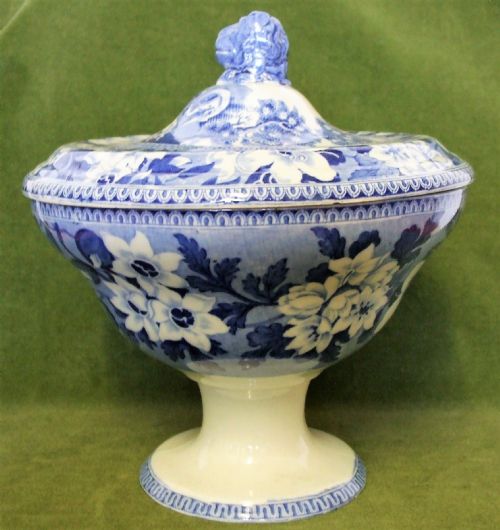
The refinement of the earthenware body, the smoothness of the glaze, and the crispness of moulded details like lion mask handles separate everyday vessels from finer studio productions.
Minton·Spode·J. and R. Clews·J. and R. Riley·John Rogers and Son·Ridgway·Doulton Burslem·Sewell·James Wallace and Co.·Copeland and Garrett
The Earthenware Transferware Bowl Glossary
- Transferware
- Earthenware pottery decorated by applying a paper print pulled from an engraved copper plate onto the unglazed or biscuit surface.
- Pearlware
- A refined earthenware developed in the late eighteenth century featuring a subtle bluish glaze that pooled in recesses to mimic Chinese porcelain.
- Flow blue
- A nineteenth century transfer printing style where lime or ammonia was introduced during the kiln firing to intentionally blur the cobalt pigment.
- Tureen
- A deep covered serving bowl used for soups, sauces, or vegetables, frequently supplied with a matching ladle and undertough.
Earthenware Transferware Bowl: Frequently Asked Questions
How do I date an earthenware transferware bowl?
Dating relies on the ceramic body type, such as early pearlware versus later ironstone, alongside the colour palette of the transfer print.
Maker marks stamped or printed on the base further narrow the decade of production.
What is the difference between flow blue and standard transferware?
Standard transferware displays crisp, sharp lines transferred from a copperplate onto the ceramic body.
Flow blue deliberately diffuses the cobalt pigment into the surrounding glaze during firing to create a soft, hazy aesthetic.
Can I use antique transferware bowls for daily dining?
Most antique earthenware bowls withstand careful hand washing, though age and historic crazing make them better suited for gentle display or dry storage.
Sudden thermal shock from microwaves or dishwashers should be avoided entirely.
How were transferware bowls originally used in the home?
These bowls served functional roles in Georgian and Victorian households, ranging from tea service to sugar storage and table presentation.
Larger footed versions held fruit or punch during formal dining occasions.