
Earthenware Art Pottery
When you handle earthenware art pottery, you hold tactile pieces shaped from clay and finished with varied glazes across several centuries.
Earthenware Art Pottery
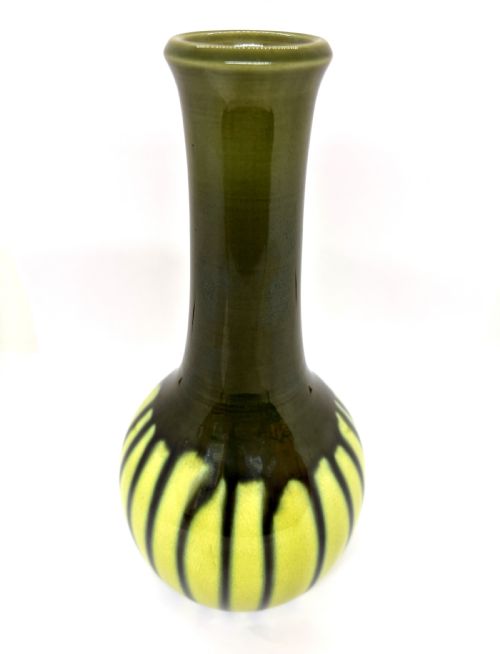
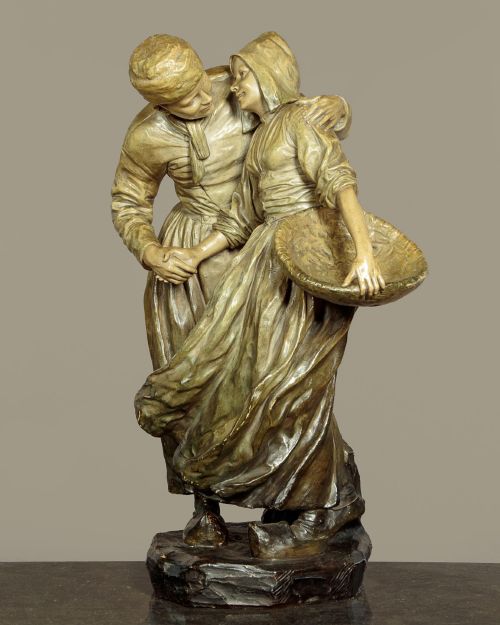
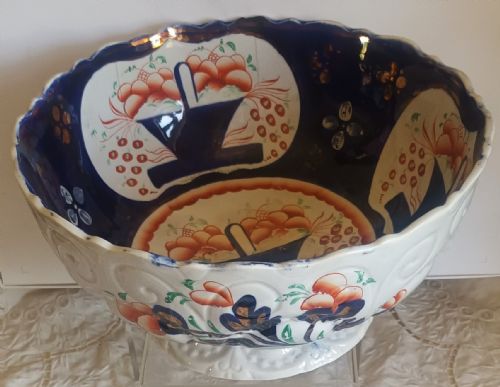
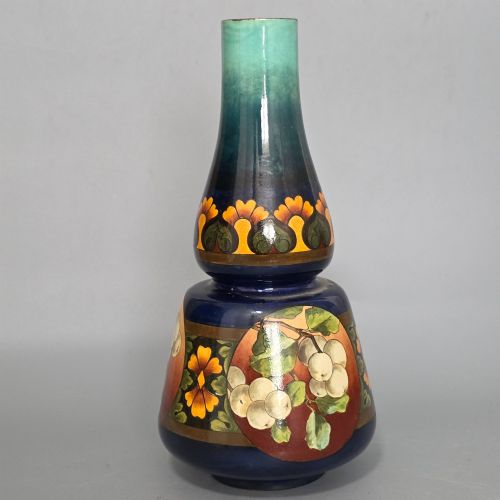
Earthenware art pottery encompasses a diverse selection of ceramic objects designed for decorative and domestic purposes. When searching this phrase, you encounter vessels, figurines, tiles, and bowls originating from various global traditions.
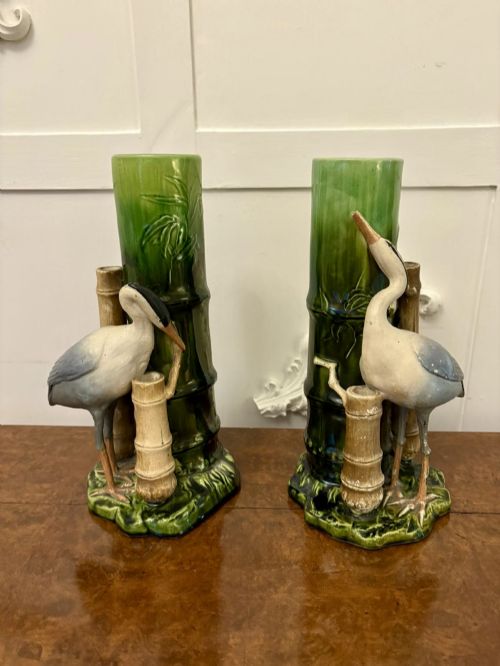
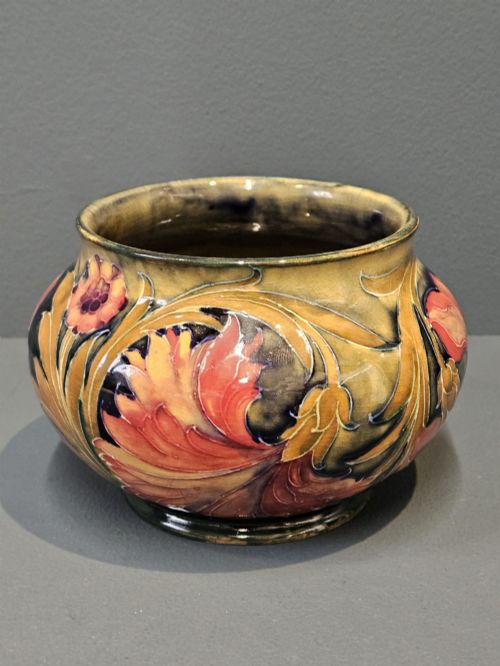
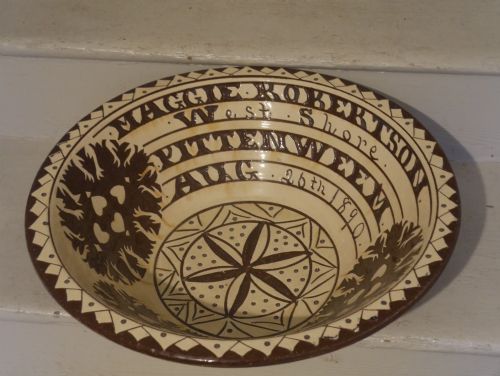
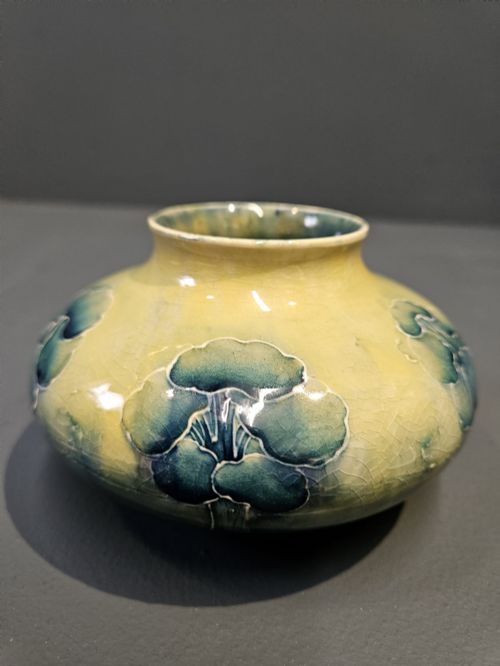
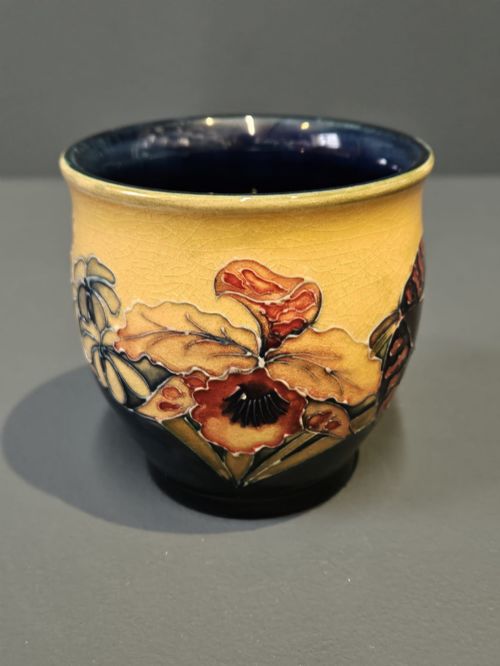
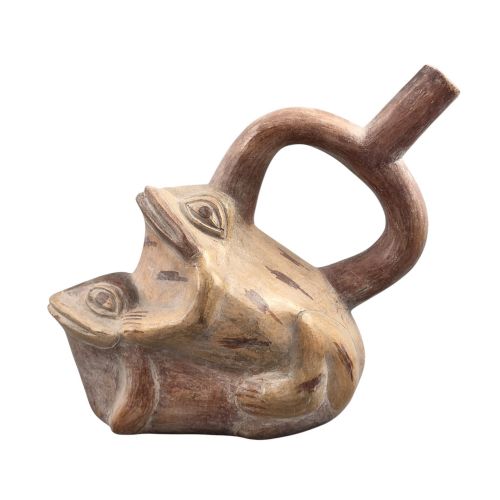
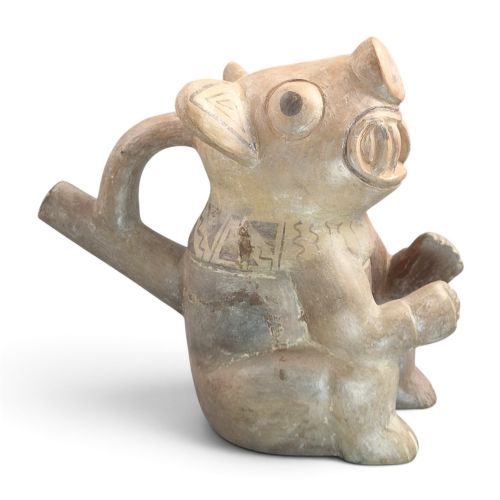
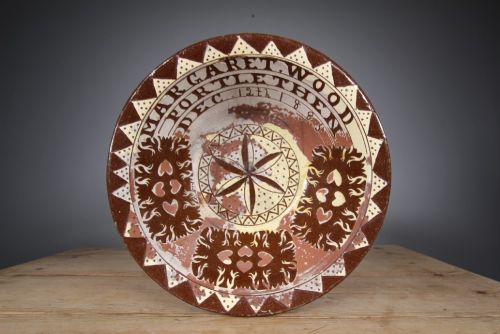
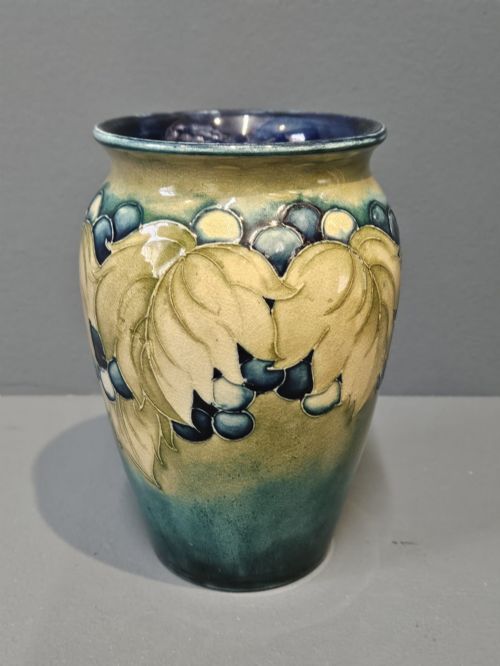
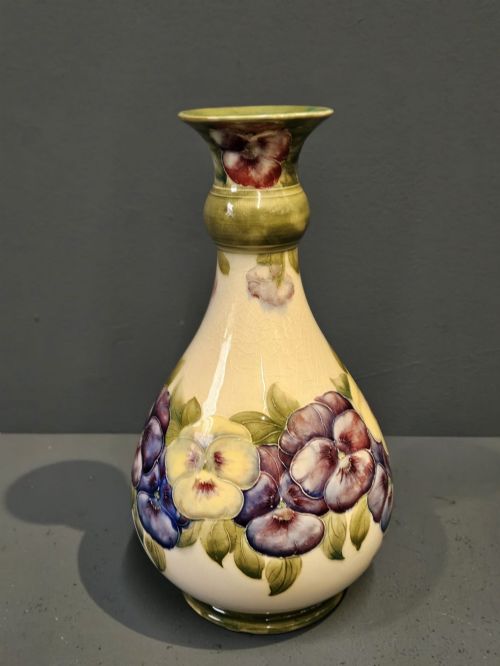
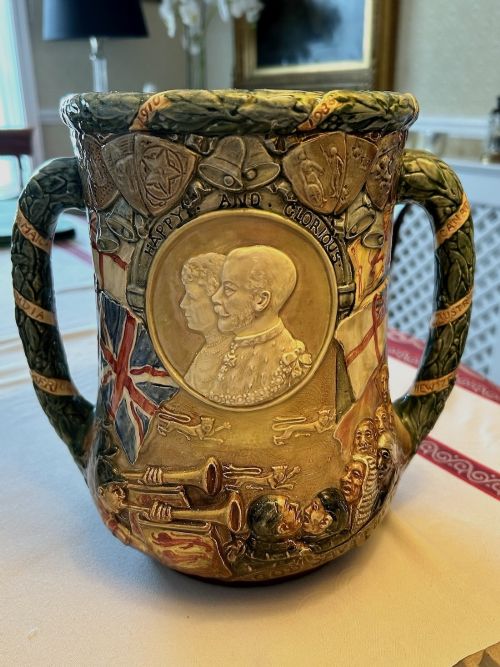
The selection ranges from ancient vessels and nineteenth-century slipware to studio figures and sophisticated pieces from the Art Nouveau and Art Deco periods. Forms include vases, wall plaques, jardinieres, and commemorative items.
Makers and potteries from Britain, Europe, and beyond represent significant traditions in these listings. The objects reflect the aesthetic movements of their respective decades, spanning folk traditions and high studio craft.
How they were made
Makers formed these objects using local or refined earthenware clay bodies, shaped by hand, on the potter's wheel, or pressed into moulds. The porous body typically required a protective or decorative coating.
Glazes, enamels, and slips supplied colour and surface texture, reacting to kiln heat in unpredictable ways. Artisans applied hand-painted details, incised motifs, or relief decorations prior to firing.
Nineteenth-century pottery includes cheerful cow creamers designed to pour milk directly from the animal's mouth onto the breakfast table.
What varies in quality
The sophistication of the modelling and the precision of the throwing distinguish exceptional pieces from ordinary utilitarian wares. Finer examples display confident handling of the clay body and well-proportioned forms.
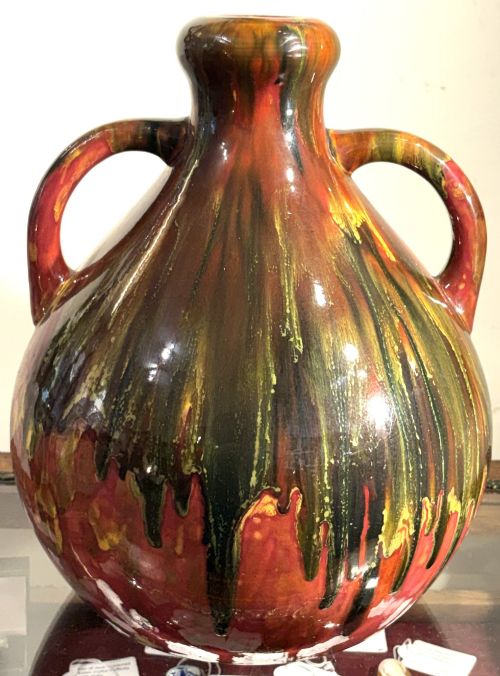
Glaze chemistry and application account for much of the visual success in this medium. Controlled colour runs, rich surface depths, and crisp painted details elevate a piece above standard production work.
Moorcroft·Goldscheider·Doulton Lambeth·Charles Vyse·Seaton Pottery
The Earthenware Art Pottery Glossary
- Earthenware
- Porous pottery fired at lower temperatures than stoneware or porcelain. It requires a glaze to become impermeable to liquids.
- Slip
- A liquid mixture of clay and water applied to pottery for decoration or to create a smooth surface before firing.
- Terracotta
- Unglazed, brownish-red earthenware fired at a relatively low heat. It has been utilised for millennia for sculpture and vessels.
- Faience
- Tin-glazed earthenware produced in Europe, noted for its opaque white background and painted decoration. It encompasses various regional traditions including French and English wares.
- Art Nouveau
- A decorative style prevalent around 1900, characterised by flowing, organic lines inspired by natural forms. It heavily influenced ceramic design and vase shapes of the era.
Earthenware Art Pottery: Frequently Asked Questions
Can I display these vessels safely?
Position your ceramics away from direct sunlight to prevent fading in painted enamels and coloured glazes. Ensure shelves or display cabinets are stable and free from vibrations.
Keep pieces clear of extreme temperature fluctuations, such as near radiators or fireplaces. Earthenware remains sensitive to sudden thermal changes.
How do I identify the period?
Examine the base for maker marks, impressed stamps, or handwritten signatures that date the manufacture. Stylistic indicators, such as organic floral motifs or geometric patterns, often point toward specific decades like the nineteenth century or the Art Deco era.
Compare the glaze type and clay body with documented examples from known potteries. Construction methods and weight also provide clues to the age of the ceramic.
What distinguishes studio pottery?
Studio pieces reflect the distinct vision of individual makers rather than factory production lines. They emphasise unique throwing techniques, experimental glazes, and personal artistic expression.
Markings on studio ceramics typically include individual monogram stamps or signatures. These works often emerge from twentieth-century workshops rather than large commercial potteries.