



Early Wooden Treen
Early wooden treen gathers centuries of domestic and personal wooden objects, from turned salts to carved snuff boxes, shaped by hand for everyday use.
Early Wooden Treen
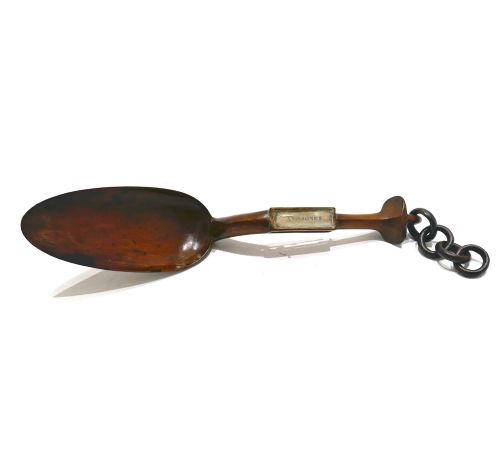
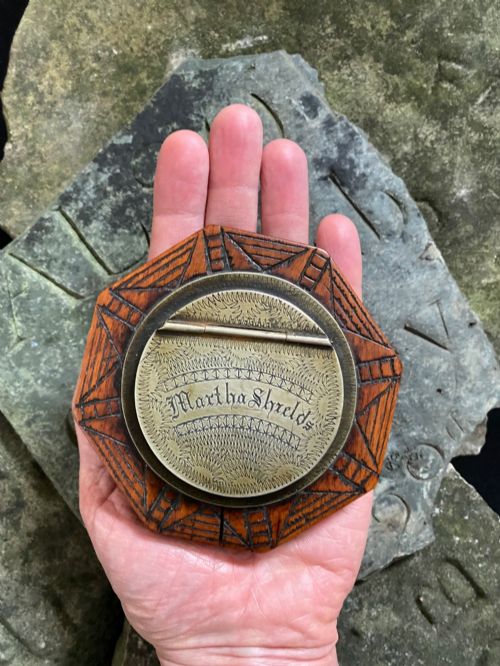
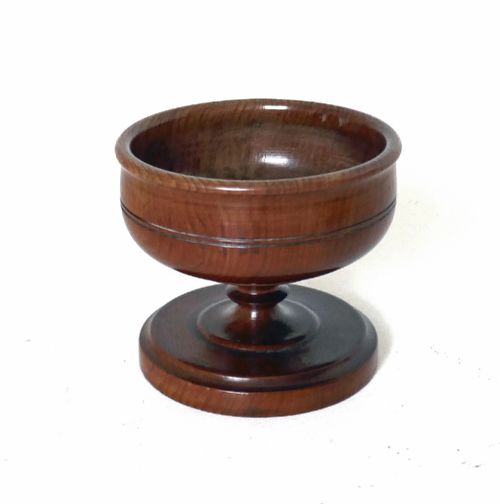
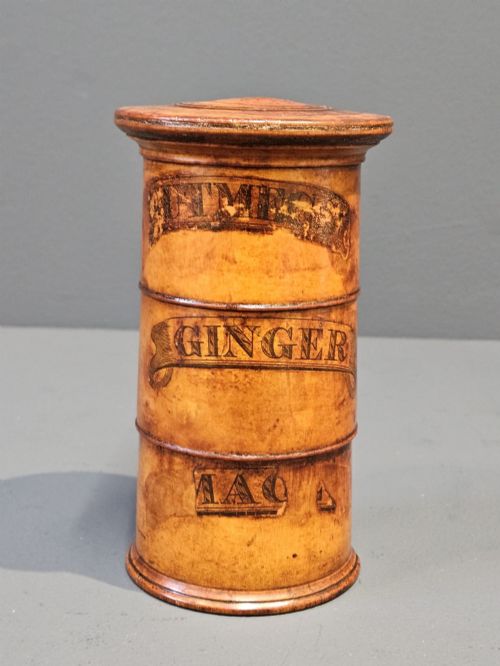
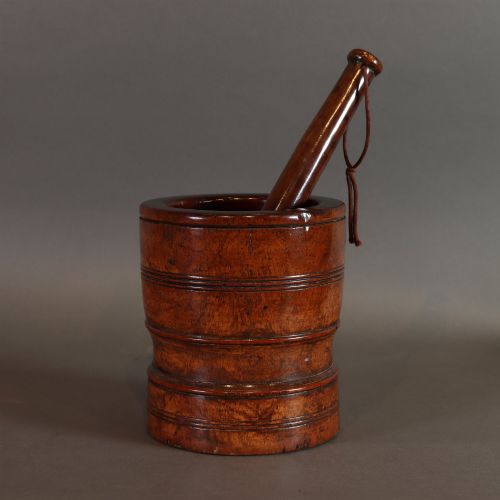
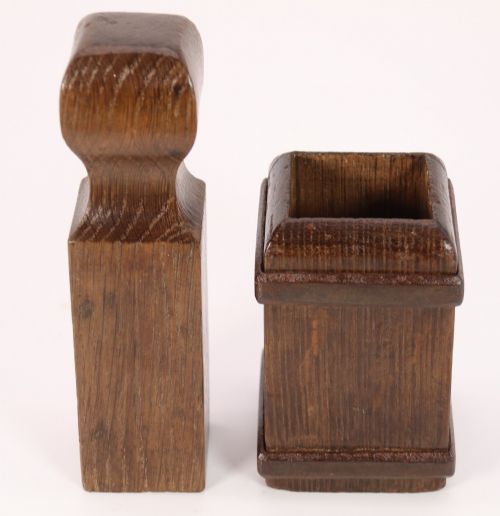
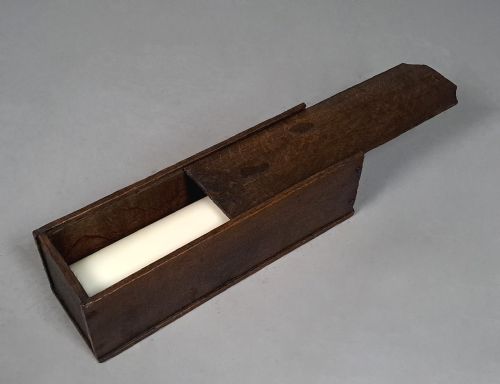
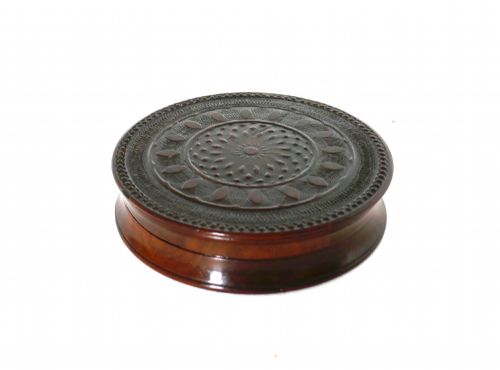
Early wooden treen encompasses a wide variety of utilitarian and decorative objects made from domestic timbers across the seventeenth, eighteenth, and nineteenth centuries. Buyers searching this phrase encounter kitchen collectables like spice towers, mortars, and dairy bowls alongside personal items such as snuff boxes, tobacco pipes, and knitting sheaths.
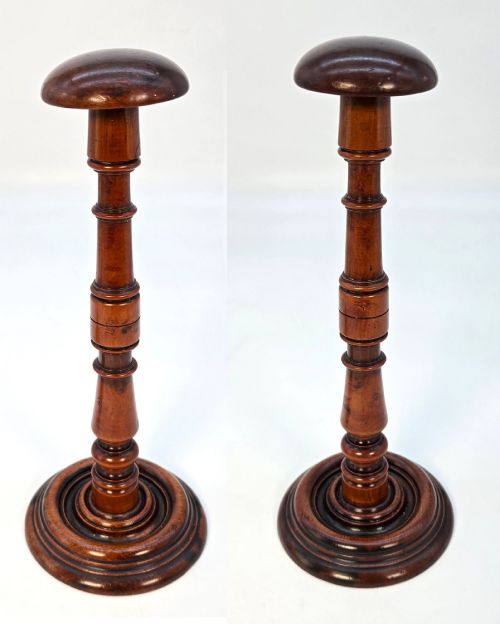
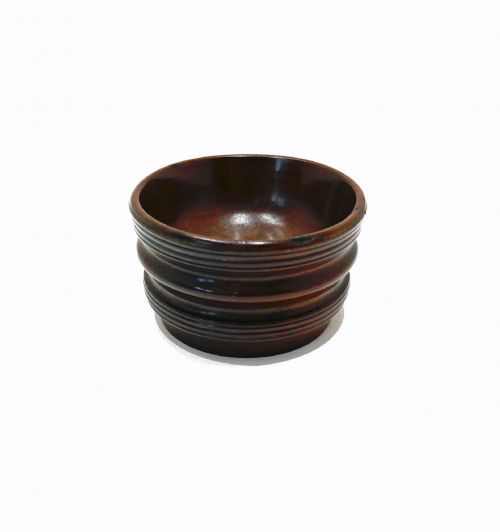
English and Continental pieces dominate, with regional items like Cumbrian knitting sheaths and Scottish snuff boxes appearing frequently. Forms range from turned domestic vessels like salts and wig stands to carved folk art objects including lovespoons and pipe forms.
The selection bridges domestic utility and personal accessories, recording centuries of woodworking traditions through practical household items and pocket-sized curiosities.
Judging Quality
Quality rests in the crispness of the turning and the depth of surface patination developed through handling and age. Pieces that retain their original structural integrity without excessive timber loss show superior craftsmanship.
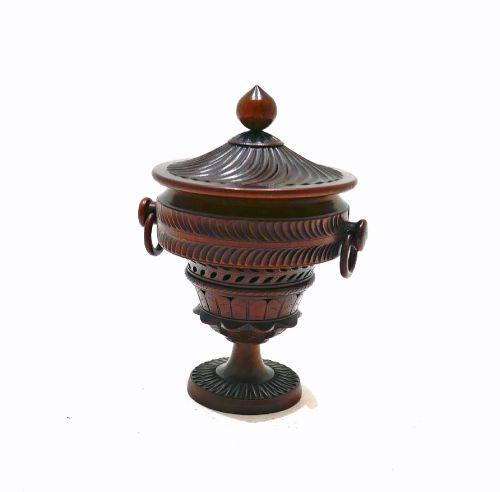
The sophistication of decorative details, such as precise engine turning, fine punchwork, or integrated bone inlay, separates standard utilitarian items from exceptional examples of folk art and treen.
Early Wooden Treen Retail Price Guide 2026
Typical asking prices for early wooden treen among the pieces listed under this phrase on Sellingantiques today, from the lower quarter to the upper quarter. They describe what is for sale here now, not the wider market.
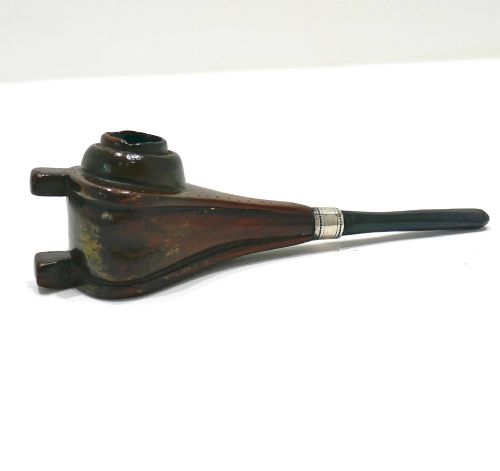
Gentlemen once puffed tobacco through wooden pipes carved precisely into the plump shape of bellows.
The Early Wooden Treen Glossary
- Treen
- Small handmade wooden objects for domestic or personal use. The term derives from old English words meaning made of tree.
- Fruitwood
- Dense timber gathered from fruit-bearing trees such as pear, apple, or plum. Woodturners favoured it for its smooth grain and stability.
- Knitting sheath
- A small carved wooden holder tucked into a belt or apron to support a single knitting needle. They often display intricate punchwork and regional carving styles.
- Lignum vitae
- A remarkably heavy and dense imported timber used for items requiring immense durability. Mortars and pestles were frequently turned from this wood.
- Engine turning
- A mechanical method of engraving precise geometric patterns onto wood or metal using a specialised lathe. It appears on snuff boxes and small containers.
Early Wooden Treen: Frequently Asked Questions
What is early wooden treen?
Early wooden treen covers small, functional wooden objects made before the twentieth century for household, kitchen, or personal use.
These items include turned salts, spice grinders, snuff boxes, and dairy bowls shaped by hand or lathe from native timbers.
How were treen items used?
People used treen daily in kitchens, for personal grooming, and to store small commodities like tobacco, spices, or snuff.
Items like knitting sheaths assisted textile production, while wig stands and pounce pots served domestic and professional routines.
How do I care for wooden treen?
Keep wooden treen away from direct heat sources and sudden humidity changes to prevent timber splitting.
An occasional application of microcrystalline wax helps protect the surface patination without sealing the wood permanently.
How do I date early treen?
Dating relies on identifying tool marks, timber choices, regional styles, and the natural wear patterns accumulated over centuries.
Turned profiles and decorative techniques like punchwork or engine turning often correspond to specific seventeenth, eighteenth, or nineteenth-century periods.